Home Blog Page 13

Coco Ride at Disneyland: D23 2026 Reveals New Story Details and a Possible 2029 Opening

0

A Sequel You Can Sail Through

What if you could step inside your favorite Pixar movie one year after the credits rolled? That is the pitch behind the new Coco ride at Disneyland, and Disney just revealed how it works.

At the 2026 D23 Expo, Imagineers shared fresh concept art and a new story premise. They also dropped several clues about the opening timeline. If you have followed this long-rumored ride for years, this update delivers real answers.

The reveal happened on a big stage. Los Lobos performed “La Llorona” first. Then host Neil Patrick Harris introduced Walt Disney Imagineers. They walked the crowd through the attraction’s story for the first time. The announcement took place at Horizons: A Carousel of Progress inside the Honda Center. Ali Rubinstein and Emily O’Brien led the presentation.

Fans who have dreamed of visiting the Land of the Dead now have the closest thing to a confirmed date. Let’s break down everything Disney revealed about the Coco ride at Disneyland.

Inside the New Attraction’s Story

The Coco ride will not simply retell the movie scene by scene. Instead, the story picks up one year after the film ends. That single detail changes how the whole attraction feels.

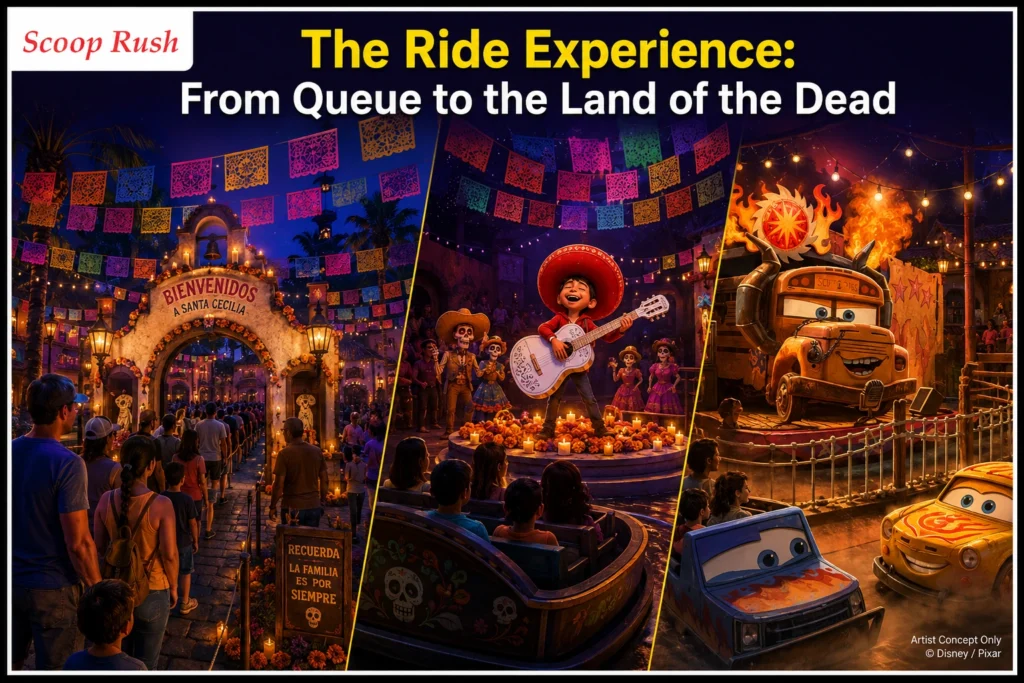
Guests enter through a queue in Pixar Pier, right next to Inside Out Emotional Whirlwind. The queue takes the form of a “casa museo.” This museum-style house honors the music of Héctor Rivera, Miguel’s great-great-grandfather. Fans of the film will recognize why this matters. By the end of the movie, Miguel learns the truth. Héctor, not the famous Ernesto de la Cruz, is his true ancestor. Héctor is also the real musical talent behind his family’s legacy.

A statue of Héctor greets guests inside the Casa Museo de la Familia. It carries the inscription “¡Su familia era su mundo!” That line translates to “His family was his world!” This thoughtful detail rewards fans who remember the film’s twist ending.

This approach also solves a storytelling problem. A statue of Miguel, similar to the one at Disneyland Paris, would not make much sense. Just one year has passed since the movie’s events. A tribute to Héctor, however, fits naturally into the world Pixar built.

The Ride Experience: From Queue to the Land of the Dead
The Ride Experience: From Queue to the Land of the Dead

Once guests pass through the museum queue, they board a boat. They join Miguel as he revisits his memories of the Land of the Dead. The journey packs in music, emotion, and the vibrant visuals that made the film so beloved.

Imagineers describe the project as a spiritual successor to two Disney classics: Haunted Mansion and Pirates of the Caribbean. That comparison alone should excite theme park fans. Both rides rank among the best dark rides Disney has ever built.

Technology plays a big role too. Disney has tested a human-to-skeleton transforming Audio-Animatronics figure in Pirates of the Caribbean. The Coco ride will likely become one of the first attractions to fully showcase this system. Animated skeleton characters sit at the heart of the film, so this technology fits the story perfectly.

One more detail stands out: the ride will carry no height requirement. This makes the Coco ride at Disneyland a true family attraction. It also fills a real gap at Disney California Adventure. The park needs more rides that younger guests can enjoy alongside the rest of the family.

Where Construction Is Taking Place at Disney California Adventure

Crews are building the ride backstage near Paradise Gardens Park and Pixar Pier. The site sits behind an access road that connects to Disneyland Drive. Katella Avenue, Downtown Drive, and the back side of the Incredicoaster border the area.

Disney is fitting this new attraction into a tight footprint. It sits between Boardwalk Pizza & Pasta, the DCA parade storage building, and the Incredicoaster track. This clever use of limited space follows a pattern Disneyland has used before. Imagineers found room backstage behind Toontown to build Mickey & Minnie’s Runaway Railway without losing existing space. The Coco project appears to follow that same playbook.

Construction has already changed daily park operations. The work has taken the DCA parade route out of commission. That is why the 2026 Oogie Boogie Bash presents a street party instead of the full Frightfully Fun Parade. However, the parade route should return once construction wraps up or reaches a stable point.

Last summer, Disney submitted plans to Anaheim Public Works. The plans cover sidewalks, curbs, gutters, trees, and landscaping along the public right of way. Those documents do not reveal the shape of the ride building itself, but they confirm active planning around the site.

When Will the Coco Ride at Disneyland Open?

When Will the Coco Ride at Disneyland Open?

This is the question every Disneyland fan wants answered. Disney has not given an exact date, but the D23 Expo announcements narrow the window considerably.

First, Disney confirmed that Avengers Infinity Defense and Stark Flight Lab will both open sometime in 2028. The company gave no specific season. Second, Disney outlined its broader development plan for Disneyland Resort. Every project currently under construction, including Avengers Campus, Coco, and the Eastern Gateway, remains on its existing timeline. Disney has made no delays or acceleration.

Under this plan, Avengers Campus opens first, and Coco follows it. Eastern Gateway will likely land somewhere in between. After Coco opens, Disney will shift its development focus toward reimagining Tomorrowland at Disneyland park. Only after that will the company return its attention to the Hollywood Backlot for a future Avatar-themed area.

A Realistic Opening Window

Based on this sequencing, Avengers Campus and Coco will probably not open in the same calendar year. That would only happen if Avengers opens very early in the year and Coco opens very late. That scenario seems unlikely.

Avengers Infinity Defense and Stark Flight Lab are expected to open in summer 2028. A realistic best-case scenario puts the Coco ride about a year later, potentially by spring 2029. A broader estimate places the opening window somewhere between late 2028 and summer 2029.

That wait may feel long, especially since Disney first announced the project back in 2024. Still, there is a silver lining. Disney already fast-tracked construction once, moving the start date up to fall 2025 instead of 2026. That kind of acceleration signals genuine commitment to the project. Still, the finish line remains a couple of years away.

Progress has slowed over the past few months, which is common at this stage of a large construction project. Even so, the scale of backstage work already visible around Pixar Pier tells a different story. It shows real momentum behind the Coco ride at Disneyland.

What This Construction Timeline Means for Other DCA Attractions

The Coco construction timeline affects Monsters, Inc. Mike & Sulley to the Rescue too. Fans have long speculated that this dark ride could eventually make way for an Avatar-themed experience. However, the current development roadmap places that Avatar project far down the priority list, behind the Tomorrowland reimagining.

This roadmap suggests Monsters, Inc. Mike & Sulley to the Rescue will likely stay in operation for the foreseeable future. The ride may close eventually and make room for something new, but nothing points to that happening anytime soon.

Why the Coco Ride at Disneyland Matters for Fans

Why the Coco Ride at Disneyland Matters for Fans

Coco has become one of the most celebrated Pixar films of the past decade. Critics and fans alike praise its music, visuals, and emotional storytelling. Turning it into a dark ride blends Pirates of the Caribbean-style boat travel with a Haunted Mansion-level atmosphere. That combination excites theme park enthusiasts everywhere.

This attraction also reflects a broader trend in modern Disney park design. Imagineers increasingly build rides that continue a film’s story instead of simply replaying its scenes. This approach can succeed or fail depending on execution. The Coco ride’s premise, picking up after the movie ends, gives Imagineers plenty of room to work with. It can create something fresh even for people who know the film by heart.

For Disneyland Resort, this attraction also shows smart use of extremely limited real estate. Disney is fitting a brand-new E-ticket-caliber ride into a backstage sliver of land without removing existing attractions. That approach continues a tradition that has defined Disneyland’s growth for years.

Final Thoughts

The Coco ride at Disneyland is shaping up to become something special. It could be one of the most anticipated additions to Disney California Adventure in years. The story carries forward past the movie, with a queue built around Héctor Rivera’s legacy. The ride also uses technology borrowed from the Pirates of the Caribbean’s cutting-edge animatronics. Together, these elements give the attraction real potential to become a modern classic.

Fans will likely wait until late 2028 or sometime in 2029 for the grand opening. Still, steady construction progress and Disney’s willingness to accelerate the project’s start date offer encouraging signs. As more details emerge, especially around the Audio-Animatronics technology and the building’s exact layout, the full picture will become clearer.

For now, Coco fans have plenty to celebrate, and the countdown to sailing through Miguel’s world has officially begun.

Frequently Asked Questions

1. What is the Coco ride at Disneyland? 

The Coco ride is a new dark ride attraction under construction at Disney California Adventure, based on Pixar’s Coco. The story continues one year after the film. It follows Miguel as he revisits memories of the Land of the Dead.

2. When will the Coco ride at Disneyland open? 

Disney has not announced an exact date. Current construction timelines and the sequencing of nearby projects, like Avengers Campus, offer clues. The most likely opening window falls between late 2028 and summer 2029.

3. Where is the Coco ride being built? 

Crews are building the attraction backstage near Paradise Gardens Park and Pixar Pier at Disney California Adventure. The site sits close to the Incredicoaster and Boardwalk Pizza & Pasta.

4. Does the Coco ride have a height requirement? 

No. Disney confirmed the ride carries no height requirement, so guests of all ages, including young children, can enjoy it.

5. Is the Coco ride connected to Pirates of the Caribbean or Haunted Mansion? 

The ride does not connect to either story directly, but Imagineers describe it as a spiritual successor to both rides. It draws inspiration from their boat-based storytelling and advanced Audio-Animatronics technology.


What Is Anti-Inflammatory Meal Delivery, and How Does It Actually Work?

0

Why Inflammation Matters More Than You Think

Chronic inflammation is the unifying factor in an astounding number of diseases. It has also become one of the most overused buzzwords in the nutrition world, one that gets thrown around so often it has started to lose its meaning. So it is worth slowing down and actually demystifying what inflammation is, and why it matters so much for long-term health.

As Harvard Health has put it, the “four horsemen” of modern illness coronary artery disease, diabetes, cancer, and Alzheimer’s  may be riding the same steed: inflammation. That is not a scare tactic dressed up as a headline. It reflects just how central this single biological process is to nearly every major chronic condition doctors are racing to understand.

Inflammation Isn’t Always the Enemy

Here is the twist, though: inflammation itself is not the enemy. In its simplest form, inflammation is your immune system’s response to stress, and short-term, acute inflammation is genuinely protective. When you scratch your knee, your immune system rushes antibodies to the site to begin repairs.

That is exactly what produces the redness and swelling you feel afterward. It is not a malfunction it is your body doing what it evolved to do. The trouble starts when that response never fully switches off, and instead lingers for weeks, months, or years, reshaping how your organs, joints, and gut function.

Acute vs. Chronic Inflammation: What Is the Real Difference?

Acute vs. Chronic Inflammation: What Is the Real Difference?|Scoop Rush

The Weekend Guest vs. The Permanent Houseguest

Acute inflammation behaves a lot like healing after stress, similar to a friend who visits for the weekend. They show up, help you deal with whatever needs attention, and then they leave, and life goes back to normal.

Chronic inflammation behaves more like a stranger who crashes on your couch for months at a time. It overstays its welcome, quietly drains your resources, and eventually interferes with everything else going on, even parts that have nothing to do with the original problem.

Quick side-by-side:

  • Acute inflammation — short-lived, triggered by a specific injury or infection, resolves once healing is done
  • Chronic inflammation — long-lasting, often triggered by diet or stress, doesn’t resolve on its own
  • Acute inflammation — visible signs like redness or swelling at one site
  • Chronic inflammation — often silent, showing up as fatigue, brain fog, or joint pain instead

Healing a single cut is manageable and mostly automatic. Healing subtle, systemic damage that gets re-inflicted every day, through every processed meal or every stretch of unmanaged stress, is an entirely different kind of challenge.

The Long-Term Cost of Unmanaged Inflammation

When the damage never stops, neither does the inflammatory response. Over time, that persistence wears down entire organ systems, cellular DNA, and a person’s overall sense of wellbeing. It has also been linked to symptoms people sometimes call “adrenal fatigue,” which often ties back to broader healthy habits in your 20s and 30s that are easier to build before chronic patterns set in.

Why Autoimmune Conditions Feel Different

If you are living with an autoimmune condition, whether that is rheumatoid arthritis, Crohn’s disease, ulcerative colitis, Hashimoto’s thyroiditis, or lupus, this onslaught does not come and go. It is constant.

Your immune system has essentially misidentified healthy tissue as a threat, and it responds accordingly, going into a kind of scorched-earth mode every day to eradicate a problem that was never actually there. Layering inflammatory foods on top of that only adds fuel to a fire already burning.

Why the Standard American Diet Makes Everything Worse

Why the Standard American Diet Makes Everything Worse|Scoop Rush

The Everyday Ingredients Working Against You

Unfortunately, the Standard American Diet is packed with ingredients that provoke the unhelpful kind of inflammatory response, and most people consume them without ever realizing it. Common culprits include:

  • Hydrogenated and heavily refined vegetable oils
  • Irritating proteins, such as lactose for those who are sensitive
  • Heavily added and refined sugars
  • Ultra-processed snack foods with long, unrecognizable ingredient lists
  • Excess alcohol and sugary beverages

Each one asks something extra of an immune system that may already be working overtime just to keep up. But this is not only a story about what to avoid. There is an entire universe of foods that actively work in the opposite direction, calming the gut and cooling inflammatory pathways.

This is exactly where anti-inflammatory eating patterns, and more targeted approaches like the Autoimmune Protocol, known as AIP, come into the picture.

What Is an Anti-Inflammatory Diet, Really?

What Is an Anti-Inflammatory Diet, Really?|Scoop Rush

The Basic Idea Behind It

An anti-inflammatory diet is built around nutrient-dense, minimally processed foods that reduce irritation along the digestive tract and calm systemic immune activity throughout the body. It shares a lot of overlap with the Autoimmune Protocol.

AIP is a more structured elimination-and-reintroduction framework, often used by people managing autoimmune disease who want a precise way to identify their personal triggers. At its core, though, this way of eating is not complicated.

It is not about counting macros or chasing whatever ingredient happens to be trending as a superfood that week. It is about giving your body easy-to-digest, nutrient-dense ingredients in their most whole, least-processed forms.

The Core Building Blocks

The main pillars of an anti-inflammatory diet include:

  • Grass-fed and pasture-raised proteins, which carry a more favorable ratio of omega-3 to omega-6 fatty acids than conventionally raised meat
  • Cruciferous and colorful vegetables, including broccoli, leafy greens, sweet potatoes, and beets, loaded with fiber, antioxidants, and plant compounds
  • Whole-food fats, like avocado and olive oil, in place of industrially processed, hydrogenated oils
  • Wild-caught fish, rich in omega-3 fatty acids with a well-documented anti-inflammatory effect
  • Bone broth and collagen-rich foods, which many people with sensitive digestion find genuinely soothing

That ratio of omega-3 to omega-6 fats plays a meaningful role in how inflamed or calm your body’s tissues stay over time, which is part of why protein sourcing matters just as much as the vegetables on the plate.

What AIP Adds on Top

For people following AIP specifically, the protocol also temporarily removes common irritants:

  • Grains (wheat, rice, oats, and others)
  • Legumes (beans, lentils, peanuts)
  • Nightshades (tomatoes, peppers, eggplant, white potatoes)
  • Dairy
  • Eggs
  • Nuts and seeds
  • Refined sugar

These are slowly reintroduced one at a time to identify individual triggers. It is considerably more restrictive than a general anti-inflammatory diet, and it is typically most useful for a defined stretch of time rather than something followed forever.

For everyone, eating with inflammation in mind can meaningfully raise a person’s daily baseline. People following this way of eating often notice less fatigue, easier digestion, fewer headaches, reduced joint pain, a steadier mood, and better sleep within a matter of weeks.

Anti-Inflammatory Foods at a Glance

A Quick Reference Table

The table below offers a simple side-by-side comparison of foods that tend to fuel inflammation versus foods that tend to help calm it. It can be a useful reference when restocking your kitchen or building a weekly menu.

Food CategoryCommonly Inflammatory ChoicesAnti-Inflammatory Swaps
Fats and OilsVegetable oil, margarine, hydrogenated oilsExtra virgin olive oil, avocado oil, coconut oil
ProteinsProcessed deli meats, factory-farmed meatGrass-fed beef, wild-caught salmon, pasture-raised poultry
GrainsRefined white flour, sugary cerealsOats, quinoa, or none at all during strict AIP
SweetenersRefined sugar, high-fructose corn syrupSmall amounts of raw honey or maple syrup, if tolerated
DairyConventional milk, processed cheeseCoconut milk, dairy-free alternatives, or elimination during AIP
VegetablesHeavily fried or breaded vegetablesSteamed, roasted, or fresh leafy greens and cruciferous vegetables
BeveragesSoda, sweetened coffee drinks, alcoholWater, herbal tea, bone broth
SeasoningsProcessed seasoning blends with additivesFresh herbs, ginger, turmeric, garlic

This table is not meant to suggest that every item in the left column is inherently dangerous. It is simply a starting point for noticing patterns, and for making small, sustainable substitutions rather than an overnight overhaul that is unlikely to stick.

The Real Barrier Is Not Knowledge, It Is Time

Why Knowing What to Eat Isn’t Enough

Here is a part of this conversation that does not get talked about enough: most people who could genuinely benefit from anti-inflammatory or AIP-style eating already know, in broad strokes, what they are supposed to eat. The barrier is not information. It is execution. Following this way of eating well requires:

  • Reading every ingredient label every time, since inflammatory ingredients hide in unexpected places
  • Sourcing higher-quality proteins and produce, often across multiple stores
  • Prepping food from scratch far more often than a typical household does
  • Doing all of this while managing fatigue, pain, or brain fog the exact symptoms this diet is supposed to help resolve

What Happens on the Hard Weeks

That is a genuinely difficult ask even on a good week. On a bad one, mid-flare and exhausted, it can feel completely out of reach, and people understandably default to whatever is fastest, even when they know it is not serving them.

That is not a failure of willpower. It is simple math: limited energy plus limited time plus a demanding protocol equals something has to give. This is exactly the gap a service like The Good Kitchen was built to close, alongside sustainable habits like a five-minute walk every hour when energy allows.

How The Good Kitchen Makes Anti-Inflammatory Eating Doable

What Makes the Model Different

The Good Kitchen is a meal delivery service built around whole-food, chef-prepared meals, including dedicated anti-inflammatory and AIP-friendly options, delivered straight to your door and ready to heat and eat. Instead of asking you to source, prep, and cook every meal from scratch, it handles the heavy lifting through:

  • Ingredients chosen specifically with inflammation in mind
  • Grass-fed proteins, wild-caught seafood, and organic produce whenever available
  • No hydrogenated oils, unnecessary fillers, or hidden refined sugars
  • Full ingredient transparency, so what’s on the label is genuinely what’s in the meal

Built for the Elimination Phase

AIP-compliant options are clearly labeled throughout the menu, which matters enormously for anyone navigating the elimination phase. Nobody should have to call a kitchen and interrogate a chef just to confirm whether a dish contains nightshades.

Meals arrive fully cooked and ready in minutes, which changes everything on a genuinely low-energy day. There’s no chopping, no multi-step recipe, no standing over a stove when standing is the last thing your body wants to do.

Menus and portions rotate regularly too, so eating this way doesn’t start to feel like a restrictive loop of the same five meals. Variety plays a real role in whether people actually stick with an eating pattern long term.

The goal isn’t to replace home cooking altogether. It’s to remove the barrier on days when cooking simply isn’t possible, so an anti-inflammatory way of eating doesn’t collapse the moment life gets hard often exactly when the body needs it most.

What Is Actually in an Anti-Inflammatory or AIP Meal

Proteins and Vegetables on the Plate

If you are new to this style of eating, it helps to picture what a well-built anti-inflammatory or AIP meal typically includes on a plate:

  • Proteins: grass-fed beef, pasture-raised poultry, wild-caught salmon or other cold-water fish
  • AIP-friendly vegetables: sweet potatoes, carrots, beets, leafy greens, broccoli
  • General anti-inflammatory vegetables (less restrictive than strict AIP): tomatoes, peppers, and eggplant, depending on individual tolerance

These proteins tend to carry more omega-3 fatty acids and fewer additives than conventionally raised meat, which is part of why sourcing is treated as seriously as the recipe itself.

Fats, Flavor, and What Gets Left Out

Fats typically come from a short list of trusted sources:

  • Olive oil
  • Avocado oil
  • Coconut oil
  • Avocado itself

These replace the hydrogenated and heavily processed seed oils found throughout conventional packaged and restaurant food. Flavor is built through fresh herbs, ginger, turmeric, garlic, and citrus, without relying on sugar-heavy seasoning blends.

What gets left out matters just as much as what’s included: refined sugar, gluten-containing grains, conventional dairy, and hydrogenated oils across the board, plus legumes, nightshades, eggs, nuts, and seeds during strict elimination.

None of this requires exotic ingredients or a pantry full of rare superfoods. It requires consistency, and consistency requires the food actually being available when you need it precisely the problem meal delivery is designed to solve.

Managing Flares and Sensitive Digestion Without Overcomplicating Things

When Texture Matters More Than Ingredients

Anyone who has lived through a flare knows theoretical nutrition advice tends to fall apart the moment symptoms flare up in real life. During those stretches, texture and digestibility matter just as much as the ingredient list itself.

That’s part of why people borrow principles from other gentle eating approaches, such as a bland diet or a low-residue diet, even when their condition isn’t the one those diets were originally designed for.

During a flare, easier-to-tolerate choices tend to include:

  • Soft-cooked or well-blended vegetables
  • Pureed or blended soups
  • Easily digestible proteins, prepared simply
  • Avoiding raw, fibrous, or heavily seasoned dishes

This overlaps closely with strategies used for other digestive conditions, including a diverticulitis diet or a general soft food diet recommended after certain procedures or during active symptom flares.

Adjusting Intensity, Not Abandoning the Approach

Not every anti-inflammatory principle needs to be applied at full intensity every day. Someone with a mild, stable condition might tolerate more variety than someone in the middle of a flare, and adjusting texture rather than abandoning the approach entirely tends to work best.

This is also where a rotating menu of prepared meals becomes especially valuable, letting you lean on gentler, more digestible options during difficult stretches without researching and prepping a separate set of recipes from scratch.

Nutrition, Chronic Illness, and Giving Yourself Some Grace

The Problem With “Just Eat Clean”

It’s worth naming something honestly here: nutrition advice for chronic illness often arrives wrapped in a tone of moral judgment, as though the barrier to eating well were ever simply a lack of information rather than a lack of time, energy, or money.

Phrases like “just eat clean” or “do a thirty-day reset” get repeated constantly, as though they were neutral advice rather than advice that quietly assumes a level of bandwidth many people simply don’t have on a given week. Real barriers include:

  • Limited time to shop and cook
  • Limited cooking capacity during flares or fatigue
  • Cost of higher-quality proteins and produce
  • Access to stores that carry appropriate ingredients

None of that has anything to do with willpower or discipline.

A Note on Supplements

This is also where supplements deserve a note of caution. It’s common for people managing chronic illness to reach for a growing stack of pills to compensate for dietary gaps, without realizing there are real supplement risks tied to taking too many vitamins at once.

Whole-food nutrition should generally come first, with supplementation used to fill specific, identified gaps rather than as a blanket substitute for an actual meal. This is part of why a service model matters so much here.

When the prep work is already done the sourcing, the ingredient screening, the actual cooking  an anti-inflammatory way of eating stops being an aspirational ideal and starts being something sustainable, flare or no flare.

Getting Started: A Few Practical Anchors

Start Small, Not Perfect

If you’re exploring an anti-inflammatory or AIP approach for the first time, it generally works better to start with subtraction rather than aiming for immediate perfection. A simple starting checklist:

  • Remove added sugar first
  • Swap hydrogenated oils for olive or avocado oil
  • Cut back on ultra-processed snacks
  • Read labels for hidden inflammatory ingredients
  • Introduce one new whole-food swap per week rather than all at once

There’s no need to overhaul everything on day one small, repeatable changes tend to create more lasting momentum than an all-at-once overhaul.

A Simple Meal Formula

Building meals around a simple formula covers most nutritional bases without requiring a formal recipe:

  • One protein
  • One vegetable
  • One healthy fat

The same principle applies whether you’re eating gluten-free, following AIP, or just reducing inflammation generally. Resources like gluten-free breakfast ideas can be a useful starting point for the meal of the day that tends to trip people up the most.

Leaning on convenience where it’s genuinely needed isn’t a compromise — whether that means frozen vegetables, pre-cooked proteins, or prepared meals from a source you trust, it’s what actually makes this way of eating sustainable on real weeks rather than only on ideal ones.

Track Progress and Loop In Your Doctor

Useful signals to track over time include:

  • Energy levels
  • Joint pain
  • Digestion
  • Sleep quality
  • Mood

These tend to be far more useful feedback than the number on a scale. Give any change several weeks before deciding whether it’s genuinely working, and loop in your care team along the way. An anti-inflammatory or AIP approach can be a powerful complement to medical treatment, but it isn’t a replacement for it, and a dietitian or physician can help tailor the approach to your specific diagnosis.

The Bottom Line

Chronic inflammation touches an enormous range of health conditions, but addressing it through food doesn’t have to be complicated or exhausting to maintain. It comes down to consistently choosing whole, nutrient-dense ingredients over processed ones.

That means building a system that makes that choice easy to repeat, even on days when energy and time are in short supply. That’s the gap The Good Kitchen’s anti-inflammatory and AIP-friendly meal delivery is built to close one ready-to-eat meal at a time.

FAQs

Is an anti-inflammatory diet the same as the Autoimmune Protocol?

Not exactly. An anti-inflammatory diet is a general eating pattern focused on whole, minimally processed foods. AIP is a more structured version of that idea, built specifically for autoimmune conditions, with a defined elimination and reintroduction phase.

How long does it take to notice a difference?

This varies from person to person, but many report noticeable changes in energy, digestion, and joint discomfort within two to four weeks of consistent changes. More significant shifts for autoimmune symptoms can take longer and should be tracked alongside medical care.

Do I have to eat this way forever?

Not necessarily. AIP is typically used as a defined-period elimination protocol rather than a permanent way of eating. Many people eventually land on a more individualized, sustainable version of anti-inflammatory eating.

Can meal delivery really support a strict elimination protocol like AIP?

Yes, provided the service clearly labels which meals meet AIP standards and stays transparent about every ingredient. That transparency is exactly what to look for before trusting any prepared meal during an active elimination phase.

Is this approach only useful for people with autoimmune disease?

No. While the case for AIP specifically is strongest for autoimmune conditions, general anti-inflammatory eating can benefit almost anyone dealing with fatigue, digestive discomfort, or joint pain, even without a formal diagnosis.

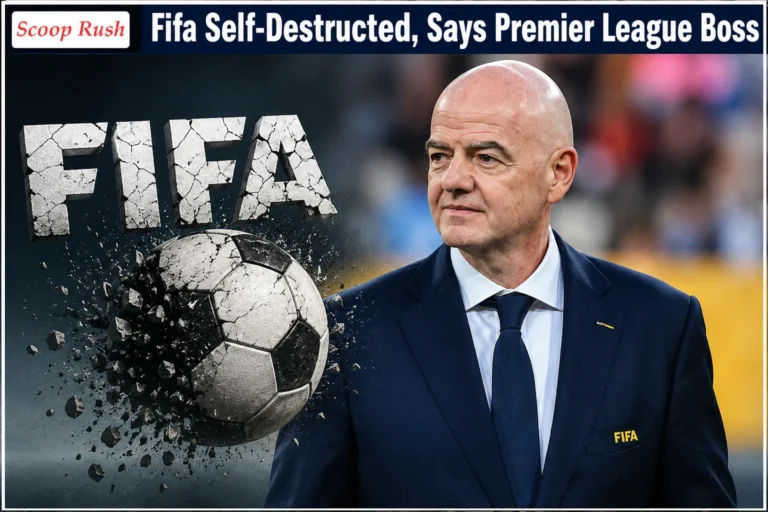
Fifa Self-Destructed, Says Premier League Boss

0

What happens when the organization meant to protect football’s biggest prize tries to sell a piece of it? That question sits at the heart of a growing storm inside Fifa. Premier League chief executive Richard Masters says Fifa self-destructed over its now-abandoned plan to sell a stake in the World Cup. And he isn’t holding back.

Masters delivered one of the sharpest rebukes Fifa has faced in years. He told BBC Sport that Fifa “pressed the self-destruct button.” He called the whole episode a “self-inflicted wound.” These are strong words from a man who rarely courts controversy. They matter because they show how deep the cracks in football’s leadership have become.

This isn’t just boardroom drama. Fans, players, and national federations all care about who owns the world’s biggest sporting event. So here’s what happened, why the plan collapsed, and why people are now saying Fifa self-destructed its own credibility.

Why People Are Saying Fifa Self-Destructed Its Own World Cup Plan

The controversy centres on a proposal called Fifa Forward Enterprise, or FFE. This plan would have created a new company. That company would manage commercial and ticketing rights for every Fifa competition, including the World Cup itself. Under the proposal, Fifa planned to sell 21% of that new entity to a private investment company.

In other words, Fifa prepared to hand a real stake in the World Cup’s commercial future to outside investors. That idea landed like a bombshell. After all, Fifa has always described itself as a not-for-profit custodian of the game.

The backlash came fast. Several confederations pushed back hard. Uefa led the charge. It even threatened to boycott Fifa competitions altogether. Facing that pressure, Fifa abandoned the FFE plan before it could move forward. This retreat is exactly why Masters believes Fifa self-destructed, rather than being undone by outside forces.

The Reason the Sell-Off Plan Triggered Such a Strong Reaction

Masters explained his concerns clearly. “I don’t think Fifa should be ever contemplating selling off a stake in the World Cup,” he told BBC Sport. He pointed out that Fifa operates as a not-for-profit organisation. Therefore, he argued, it should hold the World Cup in trust for football’s future. It shouldn’t treat the tournament as a tradable commercial asset.

That distinction matters. The World Cup isn’t just a tournament. Billions of people watch it. Decades of trust between federations, players, and fans built it into what it is today. Consequently, any move that looks like a price tag on that trust was always going to spark alarm.

Fifa Faces Accusations of “Deception” From Major Confederations

The fallout didn’t stop at the Premier League’s door. Last week, Uefa, Concacaf, and the Asian Football Confederation issued a joint open letter. The letter accused Fifa of breaking trust “through deception.”

Presidents and general secretaries across all three confederations signed the letter. It framed the controversy as something bigger than one failed proposal. According to the letter, the real issue was “the integrity of the game, and the integrity of those elected to lead it.”

That’s a serious charge against the head of world football’s governing body. However, not every confederation agrees. Infantino has kept the backing of senior executives across Africa, South America, and Oceania. He also received support during a meeting in Morocco earlier this month. As a result, Fifa now looks split along regional lines.

The FA Withdraws Support as the Premier League Backs the Move

The FA Withdraws Support as the Premier League Backs the Move

England’s Football Association has taken a clear stand. It withdrew support for Infantino ahead of his expected bid for a fourth term as Fifa president in March. Masters confirmed the Premier League fully backs that decision.

“They’re a not-for-profit organisation. They should really be holding that competition in trust for the future of football,” Masters said. “I think it’s a bad idea, and the FA have taken the right position regarding Gianni.”

This kind of public split between a national federation and the Fifa president doesn’t happen often. It shows just how seriously English football’s leadership views the situation.

Calls Grow for a “Unity Candidate” to Challenge Infantino

So what happens next? Masters called for a “unity candidate” to step forward for the Fifa presidency. This person would need to bring the sport’s fractured confederations back together.

Nobody has formally challenged Infantino yet. Candidates have until 18 November to declare. Still, Masters was clear about what he wants from whoever steps up.

“I think an emerging unity candidate should have on his or her agenda reform of Fifa, and perhaps even reform of the president’s role and how it interacts with those things,” he said.

This statement reveals something important. Masters isn’t just unhappy about one failed commercial plan. He’s raising deeper questions about how much power the Fifa presidency itself holds, and whether that structure needs reform.

Masters Also Raises Concerns Over World Cup Officiating

The sell-off plan wasn’t the only issue troubling Masters. He also flagged concerns about how Fifa handled disciplinary decisions during the recent World Cup in North America. European champions Spain beat Argentina in the final.

One incident stood out. USA striker Folarin Balogun received a straight red card for a foul on Bosnia-Herzegovina defender Tarik Muharemovic. This happened during the co-hosts’ last-32 win. Under normal rules, that red card would have triggered an automatic one-match ban.

Instead, Fifa suspended the ban for a year. This came after President Donald Trump asked the organisation to review the decision. That allowed Balogun to play in the next round against Belgium, a match the United States lost 4-1.

Masters didn’t mince words. “We worry about that particular episode, and of course we don’t know what happens,” he said. He then questioned why Fifa lacks a clear red card review process, similar to the one the Premier League uses.

“Generally speaking, Fifa is supposed to uphold non-political interference within the game of football,” Masters added. “So I think it’s a big issue, and it needs to be thought through properly.”

That comment ties back to a broader theme. Masters believes Fifa doesn’t always apply its own principles consistently.

A Season of Change for the Premier League

Away from the Fifa controversy, Masters also discussed the new Premier League season. It kicks off with champions Arsenal hosting promoted Coventry.

This campaign brings a record number of new permanent managers. Nine clubs start the season under different leadership than last year. Arsenal remain the exception, with Mikel Arteta continuing after guiding the club to the title. Meanwhile, Manchester City, Liverpool, and Chelsea all enter the season with new managers: Enzo Maresca, Andoni Iraola, and Xabi Alonso.

Player movement has also raised questions about the league’s pulling power. Spain midfielder Rodri left Manchester City for Barcelona. This followed Anthony Gordon’s earlier move from Newcastle to Spain. Masters pushed back firmly when asked if this signals fading appeal.

“If you look at the top 100 players in the world independently ranked, the Premier League has nearly half of them,” he said. He added that 13 English players feature among that group, with 11 of them playing in the Premier League itself.

“Stars come and go, and the Premier League hasn’t really always been about stars,” Masters explained. “It’s been about clubs. It’s been about squads. It’s been about success.” He compared the shift to the managerial changes, calling it a natural “changing of the guard.”

Chelsea’s Punishment and the Manchester City Case

Masters addressed two ongoing disciplinary stories too. Chelsea received a £10 million fine last month. The club also got a suspended ban from registering new players for two transfer windows. This came after Chelsea admitted breaching rules around agent payments between 2009 and 2022. Fifa also handed down a six-point deduction, suspended until 30 June 2027, though an appeal later set it aside.

Chelsea admitted making £47 million in secret payments to unregistered agents and third parties on transfers between 2011 and 2018. Owners Todd Boehly and Clearlake Capital self-reported 74 rule breaches after buying the club in 2022.

Some critics called the punishment lenient. They compared it to the points deductions Everton and Nottingham Forest received in 2024 for breaching Profitability and Sustainability Rules. Masters defended the decision. He explained that the Chelsea case was historic and fundamentally different from PSR cases.

“None of the people involved with these payments are still at the club, we were not able to interview them, the evidence base isn’t complete,” he said. He added that a contested commission route might not have secured all the admitted charges. That made the sanction agreement the more practical path.

Manchester City, meanwhile, is still waiting on a ruling. Its case involves more than 100 alleged breaches of Premier League financial rules. An independent commission has yet to publish its findings, even though the disciplinary hearing concluded over a year and a half ago. The city continues to deny all wrongdoing.

“I do accept it’s taking longer than expected,” Masters said, “but I simply can’t provide that. Our rules are very clear. We have to follow the process, and there’s only one real clear route through, which is to allow that process to reach its natural conclusion.”

Key Takeaways:

Fifa abandoned its World Cup sell-off plan, but the fallout continues. Richard Masters’ comments reveal just how much trust has eroded between the Premier League, the FA, and Fifa’s leadership under Gianni Infantino. Uefa, Concacaf, and the AFC accuse Fifa of deception. Meanwhile, Africa, South America, and Oceania continue backing Infantino. As a result, world football looks visibly divided.

Questions around World Cup officiating add more fuel to the fire, particularly the Balogun red card decision. These raise concerns about political interference in the game. With the Fifa presidential race approaching its 18 November nomination deadline, everyone is watching to see whether a genuine unity candidate emerges to challenge Infantino and push for reform.

For now, the Premier League moves into a season defined by fresh managerial faces, shifting star power, and unresolved disciplinary cases involving Chelsea and Manchester City. Both stories will keep developing throughout the year.

Frequently Asked Questions

1. Why do people say Fifa self-destructed over the World Cup plan? 

Premier League chief Richard Masters used the phrase after Fifa abandoned its plan to sell a 21% stake in a new company managing World Cup commercial rights. He called it a self-inflicted wound, caused entirely by Fifa’s own decisions.

2. What was the Fifa World Cup sell-off plan? 

It was a proposal called Fifa Forward Enterprise. The plan would have created a new company to manage commercial and ticketing rights for all Fifa competitions, including the World Cup, with 21% sold to a private investment firm.

3. Why did Fifa abandon the World Cup sell-off plan? 

Fifa dropped the plan after strong opposition from several confederations. Uefa led the resistance and threatened to boycott Fifa competitions if the proposal moved forward.

4. Has the Football Association withdrawn support for Gianni Infantino? 

Yes. The FA withdrew support for Infantino ahead of his expected bid for a fourth term as Fifa president in March. The Premier League backs that decision.

5. What happened with the Folarin Balogun red card at the World Cup? 

Balogun received a straight red card during the USA’s last-32 win over Bosnia-Herzegovina. Fifa suspended the automatic ban for a year after President Donald Trump asked for a review. That let Balogun play against Belgium in the next round.

AI Contrails Climate Fix: UK Tests “Sky Graffiti” Solution

0

Ever looked up and wondered why those white lines behind a plane never seem to disappear? Scientists say an AI contrails climate trial is now underway to fix exactly this problem, since these streaks may be quietly fueling a third of aviation’s entire climate impact.

Introduction

Contrails, the icy white streaks that trail behind aircraft, are more than just a familiar sight in the sky. According to researchers, contrail warming may account for roughly a third of aviation’s total climate impact. That is why a new AI contrails climate trial is now underway in the UK, and it could change how planes fly across one of the world’s busiest air corridors.

Google, the UK government, the Met Office, air traffic control provider NATS, and researchers from Cambridge and Imperial College London have joined forces on a £5 million project called Operation Blue Skies. Their goal is straightforward. Use AI to predict where contrails are likely to form, then guide planes around those zones before the warming clouds ever appear.

This story matters because air travel keeps growing every year. Therefore, finding a low-cost way to cut aviation emissions without changing how people fly is a genuinely rare opportunity. If this AI contrails climate approach works, it could offer airlines a practical fix that barely touches passengers’ experience.

What Are Contrails and Why Do They Warm the Planet?

What Are Contrails and Why Do They Warm the Planet?

Contrails, short for condensation trails, form when hot exhaust from aircraft engines meets cold air at high altitude. This collision creates ice crystals, which is exactly what you see stretching behind a jet.

Many contrails disappear within minutes. However, in cold and humid conditions, they persist and spread outward. Over time, they turn into thin, cloud-like layers that trap heat rising from the Earth’s surface. As a result, this trapped heat becomes the main driver behind the aviation climate warming problem researchers are trying to solve.

Dr Paul Hodgson, Google’s technical lead on the project, shared a memorable detail during an interview with the BBC’s Tech Life programme. His five-year-old calls the white lines “sky graffiti,” a phrase that has since stuck with the team.

“We think that contrail warming is responsible for something like a third of all aviation climate warming,” Hodgson said. He admitted uncertainty remains around the exact figure. Still, he emphasized that scientists agree the issue is significant, calling it “either quite a large problem or a very large problem.”

Why Researchers Chose the Shanwick Airspace

Operation Blue Skies will focus on Shanwick Oceanic airspace, covering the eastern half of the North Atlantic corridor. This single region accounts for approximately 5% of global contrail warming, which makes it an ideal testing ground for this AI contrails climate initiative.

Testing will run during selected evenings and nights across the winters of 2026-27 and 2027-28, when air traffic volume drops. Around 10,000 flights are expected to pass through the airspace during these windows. Meanwhile, only a small fraction of those flights will actually need to adjust altitude to avoid forming contrails.

How the AI-Powered Contrail Prediction System Works

How the AI-Powered Contrail Prediction System Works

The system behind Operation Blue Skies pulls together multiple data sources into one predictive model, not unlike the kind of large AI model architecture powering other current AI tools. Google combines satellite imagery with flight data to map where planes have historically created contrails. Additionally, the team layers in real-time weather data to forecast where new contrails are likely to appear, a task that leans on the same kind of data intelligence platforms increasingly used across industries.

Once the forecast is ready, NATS receives the information directly. Air traffic controllers then guide pilots around the predicted contrail zones using standard communication channels.

Importantly, this trial does not involve major route changes. Instead, most adjustments will involve shifting an aircraft’s altitude by around 2,000 feet. Ian Jopson, director of sustainability at NATS, compared this to routine flight operations, noting it should be “pretty much business as usual using existing procedures for the operators on the North Atlantic.” Airlines already make similar altitude changes to avoid turbulence or bad weather, so passengers likely will not notice a difference.

Weighing the Fuel Trade-Off

Changing altitude naturally raises a fair question. Could avoiding contrails simply shift emissions elsewhere by increasing fuel use?

According to Hodgson, earlier trials suggest this trade-off is minimal. He explained that the extra fuel burned is far smaller than the climate benefit gained from preventing a warming contrail. “The CO2 penalty is in the order of less than 1%, compared to the contrail cost, which is of a similar order magnitude to all of the CO2 of aviation,” he said.

Modelling for Operation Blue Skies estimates that a full deviation through Shanwick airspace would require around 100kg of extra fuel per affected aircraft. Meanwhile, Hodgson noted that previous airline-level trials achieved reductions of around 60-70% in contrail formation or warming. That trade-off looks favorable, especially given the scale of the aviation climate warming issue.

Funding, Politics, and the Bigger Climate Picture

The Department for Transport is contributing £2.65 million toward the programme, while Google is providing £1.4 million through AI research, engineering, and computing infrastructure. Together, this funding supports a 30-month effort backed by some of the UK’s top research institutions.

Aviation Minister Keir Mather described the project as a milestone moment for British innovation. He explained that it would test “small tweaks to flight paths over the Atlantic” that could help make flying cleaner, adding, “This is a world-first, and it’s British ingenuity leading the way.”

Even so, the timing invites scrutiny. The trial launches just as the UK government backs expansion of several major airports. Consequently, this raises a broader question: can AI contrails climate solutions actually keep pace with aviation demand as flying continues to grow? There is also a notable irony here. Google, whose AI spending has been running cash-flow negative, is pouring billions into new data centres to power its systems, including its newly frozen v2 chip built for Gemini efficiency. Environmentalists worry these facilities could add further strain to the climate, even as tools like this one aim to reduce it. It is a tension that echoes wider debates about whether AI is going rogue in ways companies did not fully anticipate.

What Happens Next in the Trial

What Happens Next in the Trial

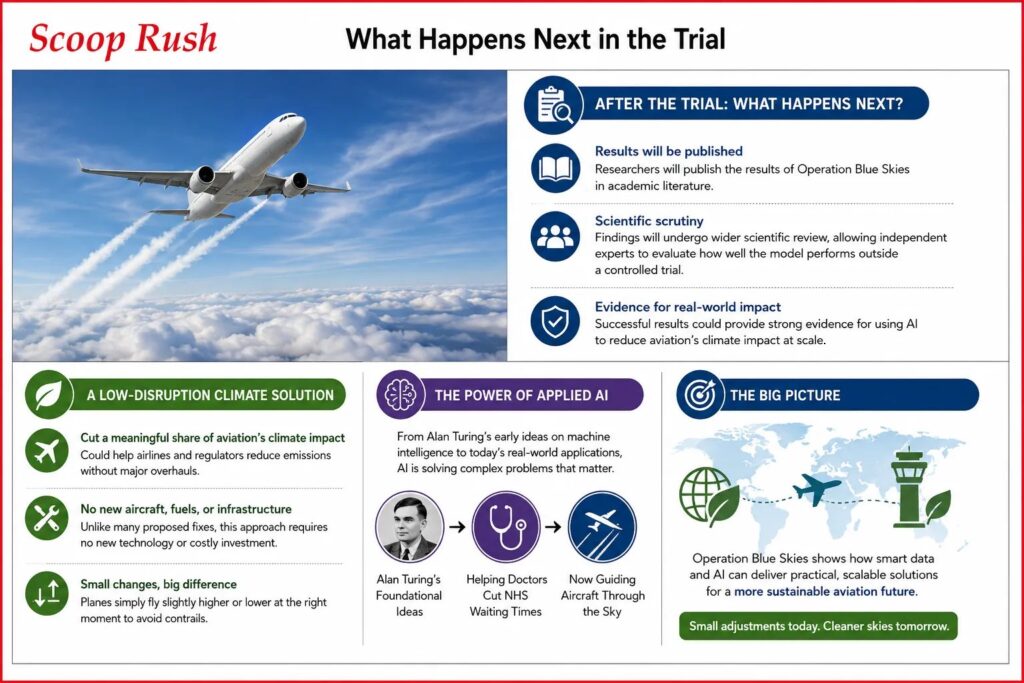
Once testing concludes, researchers plan to publish the results of Operation Blue Skies in academic literature. Consequently, the findings will undergo wider scientific scrutiny, allowing independent experts to evaluate whether the model performs as well outside a controlled trial.

If successful, this approach could give airlines and regulators a low-disruption method to cut a meaningful share of aviation’s climate impact. Unlike many other proposed fixes, it does not require new aircraft designs, alternative fuels, or costly infrastructure. It simply asks planes to fly slightly higher or lower at the right moment. It is a reminder of how far applied AI has come since the early days of Alan Turing’s foundational ideas on machine intelligence, from helping doctors cut NHS waiting times to now guiding aircraft through the sky.

Conclusion

Contrails might look like a minor visual detail of air travel, but the science tells a different story. Since warming from these icy streaks may account for as much as a third of aviation’s total climate impact, solving this problem could matter more than most travelers realize.

Operation Blue Skies offers a genuinely fresh approach to an old problem. By combining satellite data, weather forecasting, and AI prediction, the project aims to guide planes around contrail-forming conditions using small altitude shifts rather than major operational overhauls. Early modelling suggests the fuel cost is minor compared to the climate benefit gained.

As testing begins this winter, airlines, climate researchers, and everyday travelers will all be watching closely to see whether this UK-led AI contrails climate trial can finally put “sky graffiti” in the past.

FAQs

What are contrails and why are they a climate concern?

Contrails form when hot exhaust from aircraft engines meets cold air at high altitude, creating ice crystals. In cold, humid conditions, they persist and spread into cloud-like layers that trap heat, contributing significantly to aviation’s overall climate impact.

What is Operation Blue Skies?

Operation Blue Skies is a £5 million, 30-month UK trial involving Google, the UK government, the Met Office, NATS, and researchers from Cambridge and Imperial College London. The project uses AI to predict where contrails are likely to form and guides aircraft around those conditions.

Will passengers notice any changes during flights involved in the trial?

Unlikely. The trial mostly involves adjusting aircraft altitude by around 2,000 feet, similar to routine adjustments airlines already make to avoid turbulence or bad weather.

Does avoiding contrails increase fuel use and emissions?

Slightly, but the impact is small. Modelling suggests a full deviation through the trial airspace would require about 100kg of extra fuel per aircraft, which researchers say is far outweighed by the climate benefit of preventing a warming contrail.

When will the results of the trial be available?

Testing takes place during the winters of 2026-27 and 2027-28. Once complete, researchers plan to publish the results in academic literature for wider scientific review.

Iran Loses Significant Control of Strait of Hormuz

0

Iran has lost significant control of the Strait of Hormuz as more commercial ships use routes protected by the United States. Recent shipping data shows a major shift toward the Omani side of the waterway. The change weakens Tehran’s ability to dictate shipping movements through the strategic passage.

However, the United States does not have complete control either. Iranian forces still threaten ships and disrupt maritime traffic. The competing claims have created uncertainty around one of the world’s most important energy routes.

Ships Shift Toward the Omani Route

More than 80% of recent vessel transits have used the Omani route. Kpler provided the shipping data behind the estimate. The route runs along Oman’s side of the Strait of Hormuz. Iran strongly opposes commercial vessels using this channel.

The shift marks a major change from earlier traffic patterns. Kpler reportedly saw almost no traffic on this route one month ago. Iranian threats had discouraged ships from using the area. Now, more operators appear willing to accept the risks. US naval protection has helped support that change.

Iran’s Shipping Leverage Has Weakened

The change also affects Iran’s ability to influence shipping costs. Tehran previously sought toll payments from vessels using the waterway. However, many operators now avoid Iran’s preferred route. That reduces Tehran’s practical ability to collect those payments.

Iran still maintains significant military capabilities around the strait. Its forces can threaten vessels with missiles, drones and other weapons. Those threats continue to make the waterway dangerous. Therefore, Iran has not lost its ability to disrupt maritime traffic.

US Naval Presence Changes the Balance

The growing US naval presence has changed how shipping companies approach the strait. Operators increasingly rely on American protection while crossing disputed waters. This has encouraged vessels to challenge Iranian restrictions.

At the same time, Washington faces limits in claiming full control. Shipping volumes remain below levels seen before the conflict. Iranian attacks also continue to create serious risks for commercial vessels. Thus, the situation reflects reduced Iranian control rather than complete American dominance.

Oil Shipments Remain Under Pressure

The Strait of Hormuz remains vital to global energy markets. Large volumes of oil normally pass through the waterway each day. The current conflict has sharply reduced those flows. Alternative routes and unusual tanker movements have helped maintain some exports.

Some Gulf states have also used large tankers to move crude through the strait. Those vessels can transfer cargo outside the immediate danger zone. Some ships have switched off tracking systems to reduce their exposure. This makes accurate estimates of total traffic more difficult.

US and Iran Make Conflicting Claims

US-and-Iran-Make-Conflicting-Claims

US President Donald Trump has claimed that America has total control of the strait. However, available shipping data does not fully support that statement. Iranian attacks and reduced oil flows show that significant risks remain.

Iran also claims strong authority over the waterway. Tehran says it will keep the strait closed until Washington meets its demands. Iranian officials want the US blockade removed and sanctions lifted. They also demand the release of frozen Iranian assets and an end to military operations.

Iran Says Hormuz Will Stay Closed

Iranian Parliament Speaker Mohammad Bagher Ghalibaf repeated Tehran’s position this week. He said Iran would not reopen the Strait of Hormuz under current conditions. He linked reopening the waterway to the implementation of the June agreement with Washington.

The June memorandum created a 60-day period for negotiations. That period expired without a final agreement. Both governments now accuse the other side of failing to meet commitments. The disagreement has left shipping arrangements at the center of the conflict.

Oman Becomes Central to the Shipping Dispute

Oman now plays an important role in efforts to restore maritime movement. Iranian and Omani officials have discussed ways to restore freedom of navigation. Their discussions have taken place without direct US participation.

That development creates another complication for Washington. The United States wants greater control over security arrangements around the strait. Meanwhile, Oman has traditionally maintained channels with Iran. Any agreement between Muscat and Tehran could therefore influence future shipping patterns.

Global Oil Markets Face Fresh Risks

The uncertainty around Hormuz has already affected oil markets. Traders remain concerned about prolonged disruption to regional supplies. Brent crude recently traded near $91 per barrel. Prices could remain sensitive to further attacks or shipping restrictions.

However, alternative shipping methods provide some relief. Gulf producers can use different export arrangements and transfer cargo outside danger zones. These methods cannot fully replace normal Hormuz traffic. Still, they can reduce the immediate impact of the disruption.

Iran Still Retains the Power to Disrupt

Iran’s reduced control does not mean the threat has disappeared. Iranian forces can still attack vessels and create uncertainty. Even limited attacks can force shipping companies to change routes. That threat gives Tehran continued influence over maritime activity.

The key difference lies in Iran’s ability to enforce its demands. More ships now ignore Tehran’s preferred route restrictions. They instead use the Omani side with American protection. This suggests Iran’s deterrence has weakened compared with previous months.

What Happens Next in the Strait?

The future of the Strait of Hormuz will depend heavily on diplomacy. Iran wants Washington to meet its conditions before reopening the waterway. The United States continues to pressure Tehran through military and economic measures. Neither side has yet accepted the other’s terms.

Meanwhile, shipping companies will likely continue choosing the safest available route. The growing use of the Omani channel shows how quickly maritime patterns can change. If tensions ease, traffic could return to normal routes. If fighting intensifies, oil markets and global shipping could face deeper disruption.

Conclusion

Iran has lost significant control of the Strait of Hormuz, but it still retains the ability to disrupt shipping. The biggest sign of change comes from commercial vessels themselves. More than 80% of recent transits have shifted toward the Omani route. US naval protection has helped make that shift possible.

Still, Washington cannot claim uncontested control over the waterway. Iranian attacks continue, while oil flows remain below pre-war levels. Oman and Iran are also discussing new arrangements for maritime movement. Therefore, the Strait remains contested, dangerous and vital to the global economy.

FAQs

1. Has Iran completely lost control of the Strait of Hormuz?

No. Iran has lost significant practical influence, but it can still disrupt shipping. Its military forces continue to threaten vessels in the region. The United States also does not have complete control of the waterway.

2. Why are ships using the Omani route?

Many vessels now prefer the Omani route because it reduces their exposure to Iranian restrictions. US naval forces also provide protection for commercial shipping. Kpler data shows more than 80% of recent vessel transits used this route.

3. Why is the Strait of Hormuz important?

The strait connects the Persian Gulf with the Gulf of Oman. It serves as a major route for global oil and gas shipments. Any prolonged disruption can therefore affect fuel prices and international energy supplies.

4. What does Iran want before reopening the strait?

Iran says the United States must fulfill commitments from the June memorandum. Tehran wants the US blockade removed and oil sanctions lifted. It also demands the release of frozen assets and an end to military operations.

5. Could the Strait of Hormuz return to normal?

Yes, but a lasting improvement would likely require a diplomatic agreement. Current negotiations remain uncertain, while Iran and the United States maintain opposing positions. Any reduction in military tensions could encourage more normal commercial shipping.

Disney Park Investments Put Fans at the Center

0

A Disney trip is about to look very different in several parks. New attractions are coming, while classic favorites are returning. Disney is also giving longtime fans some long-awaited reasons to celebrate.

At D23 in Anaheim, Disney Experiences Chairman Thomas Mazloum revealed several major updates. The announcements focused heavily on what loyal visitors want to see. Disney will redesign Tomorrowland and bring back beloved characters. It will also repair the famous Expedition Everest Yeti.

For travelers, these changes offer plenty to watch for. Some projects will take years to arrive. Others will bring familiar experiences back much sooner. Together, they show how Disney wants to blend nostalgia with new adventures.

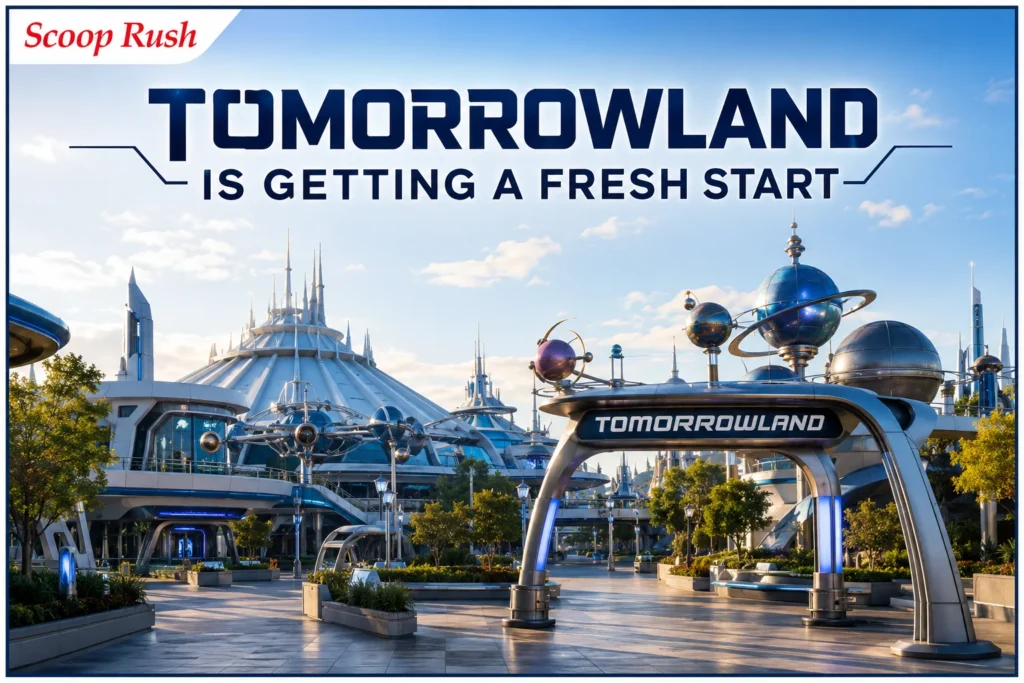
Tomorrowland Is Getting a Fresh Start

Tomorrowland-Is-Getting-a-Fresh-Start

Disneyland’s Tomorrowland is heading for a major transformation. The company plans several new attractions and more open spaces. Mazloum described the area as a place where guests can dream about the future again.

For regular Disneyland visitors, the announcement carries special meaning. Some fans have criticized Tomorrowland for feeling outdated. Others remember older attractions with great affection. The redesign could bring back some of that excitement while creating something new. However, Disney has not shared a detailed timeline yet.

Classic Disney Experiences Are Making a Comeback

Disney is not only looking ahead. It is also looking back at some of its most familiar attractions. Magic Kingdom’s Carousel of Progress will receive a new story. The updated show will begin in the 1960s.

The attraction will also feature voices from Jamie Lee Curtis and Bryan Cranston. Meanwhile, Spaceship Earth at EPCOT will receive its first major update in about 20 years. Disney plans to shift its focus toward human connection and the digital age.

For travelers, these changes could make familiar attractions feel fresh again. Visitors who grew up with these rides may especially appreciate the updates. First-time guests will also get a chance to experience Disney classics in a new form.

Dreamfinder and Figment Return to EPCOT

One of the biggest nostalgic announcements involves Figment and Dreamfinder. Disney plans to bring Dreamfinder back to EPCOT. The character will reunite with Figment in a new journey into imagination.

The return matters because Dreamfinder has a special place in EPCOT’s history. Longtime fans have wanted the character back for years. Therefore, this announcement could make the attraction particularly appealing to returning visitors. It also gives younger travelers a chance to discover characters older fans remember fondly.

The Expedition Everest Yeti Will Finally Return

The-Expedition-Everest-Yeti-Will-Finally-Return

Few Disney attractions have a more famous unfinished feature than the Expedition Everest Yeti. The Audio-Animatronic figure has not worked properly for almost two decades. Disney instead uses lighting and effects to create the appearance of movement.

Now, Disney says it will repair the Yeti. For visitors planning a future Animal Kingdom trip, that could become a major attraction highlight. The announcement also shows how smaller changes can excite dedicated Disney travelers. Sometimes, fixing one famous detail creates more excitement than announcing another new ride.

Villains Land Will Bring a Darker Adventure

Magic Kingdom will also gain one of Disney’s most ambitious new areas. Villains Land will feature characters from Disney’s darker stories. Disney says the land will match the scale of Star Wars: Galaxy’s Edge.

Guests will enter through a dark forest and discover a broken wishing well. Two rides will anchor the area. One will feature Maleficent on a roller coaster. Another will take guests beneath the Evil Queen’s palace. The Magic Mirror will also introduce other Disney villains.

For travelers who enjoy Disney’s villains, this could become a major draw. The darker theme will also add variety to the Magic Kingdom experience. However, Disney has not announced an opening date yet.

Piston Peak Adds Cars Adventures

Piston-Peak-Adds-Cars-Adventures

Magic Kingdom is also expanding its Cars offerings with Piston Peak. The new area will feature two attractions. One will offer a family-friendly ride called Miss Fritter’s Daredevil Spin-Along.

The second attraction will provide a bigger thrill. Cars Ridge Run Rally will send vehicles through a mountain environment. The ride will include snow and a geyser field. Disney has not announced when Piston Peak will open.

For families traveling with children, the Cars area could become another major stop. It also gives Pixar fans a new reason to visit Magic Kingdom. The two rides should offer different experiences for families and thrill seekers.

Monstropolis Is Coming to Hollywood Studios

Disney’s Hollywood Studios will also welcome a new Monsters Inc. area. Monstropolis will open early in 2027. The area will include a theater show, two restaurants, and a shop.

A previously announced roller coaster will arrive later. That means travelers may see the area develop in stages. For families, the Monsters Inc. theme could provide another colorful addition to Hollywood Studios. It also expands Disney’s use of popular Pixar stories.

Animal Kingdom Adds Encanto and Indiana Jones

Animal-Kingdom-Adds-Encanto-and-Indiana-Jones

Animal Kingdom will receive two new attractions tied to familiar movie franchises. The first is an Encanto attraction called Antonio’s Fiesta de Encanto. It will follow Antonio during the day he discovers his ability to speak with animals.

The second attraction will focus on Indiana Jones. Disney named it Indiana Jones and the Myth of the Jade Serpent. Neither attraction currently has an announced opening date. For travelers, these additions could make Animal Kingdom even more varied. They also add more family-friendly choices beyond the park’s existing wildlife experiences.

Avengers Campus Will Become Much Bigger

Disney California Adventure will also receive a major Marvel expansion. The Avengers Campus expansion will double the size of the current area. Disney expects the expanded campus to open in 2028.

Several Marvel stars will return for the new attractions. Jeremy Renner, Anthony Mackie, Chris Hemsworth, Robert Downey Jr., and Brie Larson will reprise their roles. For Marvel fans, this could become one of California’s biggest future Disney experiences.

A New Coco Ride Is Also Coming

A-New-Coco-Ride-Is-Also-Coming

Disneyland travelers will also have another reason to look forward to California. Disney is developing a new Coco boat attraction. The story will take place one year after the original film.

The ride will welcome guests of all ages. It will also have no height requirement. That makes it especially suitable for families traveling with younger children. Disney has also connected the project with local fan memories and cultural connections.

Disney Is Bringing Back Popular Nighttime Shows

Disney’s latest plans extend beyond rides and new lands. Disneyland will bring back several popular entertainment experiences. The Magic Happens parade will return to the park. The original World of Color show will also make a comeback.

Remember Dreams Come True fireworks will return as well. The show originally debuted during Disneyland’s 50th anniversary. These returning experiences could give repeat visitors something familiar to enjoy.

For many travelers, these shows can become highlights of a Disney trip. They offer experiences that do not require riding a major attraction. They can also create memorable evenings for families visiting together.

Disney Is Mixing Nostalgia With New Adventures

The latest Disney park investments reveal a carefully balanced strategy. Disney wants to keep its most loyal visitors interested. At the same time, it needs major new attractions for future travelers. The company is therefore investing in both groups.

Classic characters can bring longtime fans back to the parks. New lands can encourage first-time visitors to plan a Disney vacation. This combination gives travelers more reasons to return. It also allows Disney to refresh older areas without abandoning their original identities.

What These Changes Mean for Future Travelers

Travelers planning Disney trips should expect several parks to evolve significantly. Some projects will arrive soon, while others remain several years away. Therefore, timing could become important when planning future visits.

Monstropolis already has an early 2027 target. Avengers Campus has a 2028 target. Other projects still lack opening dates. Travelers should therefore check official Disney announcements before finalizing trips around specific attractions.

Why Disney Fans Have So Much to Look Forward To

The latest announcements offer something for almost every type of Disney traveler. Families can look forward to Cars, Encanto, Coco, and Monsters Inc. fans of Marvel and villains have major new attractions ahead. Meanwhile, longtime Disney visitors can revisit familiar favorites.

The biggest appeal may come from the balance between old and new. Disney is not simply replacing its past with new franchises. Instead, it is bringing classic experiences back while creating fresh adventures. That approach could make future Disney trips feel both familiar and exciting.

Conclusion

Disney park investments now point toward a future built around both nostalgia and discovery. Visitors will see new lands, rides, characters, and entertainment across several parks. At the same time, Disney is restoring experiences that longtime fans have missed. Tomorrowland, Dreamfinder, Figment, Spaceship Earth, and the Expedition Everest Yeti all reflect that approach.

For travelers, these changes offer plenty of reasons to plan another Disney adventure. Some projects will take years to arrive, while others will appear sooner. Still, the direction feels clear. Disney wants guests to rediscover old favorites while finding something new around every corner.

FAQs

1. What are the biggest upcoming Disney park changes?

Disney plans major updates across several parks. These include Tomorrowland, Villains Land, Piston Peak, Monstropolis, and Avengers Campus.

2. Is Dreamfinder returning to EPCOT?

Yes, Disney plans to bring Dreamfinder back to EPCOT. He will reunite with Figment in a new imagination-themed experience.

3. Will Disney repair the Expedition Everest Yeti?

Yes, Disney confirmed plans to repair the famous Yeti. The Audio-Animatronic figure has remained broken for almost two decades.

4. When will the new Disney attractions open?

Some projects have expected opening periods, while others lack dates. Monstropolis should open in early 2027. Avengers Campus expansion should open in 2028.

5. Why is Disney bringing back older attractions and shows?

Disney wants to connect with its loyal fans through nostalgia. Classic attractions and shows also give returning visitors fresh reasons to visit.

Why Every Brand Needs the Best AI Social Listening Tools in 2026

0

Somewhere online, right now, someone is talking about your brand. Are you actually listening, or just hoping they tag you? Finding out means using the best AI social listening tools, and that gap between hoping and knowing is exactly why they’ve become essential in 2026.

That gap between hoping and knowing is exactly why the best AI social listening tools have become essential in 2026. With millions of posts published every hour across Reddit, X, LinkedIn, TikTok, and countless forums, manual tracking simply cannot keep up anymore.

Businesses that skip this shift risk missing early complaints, missing rising trends, and missing the exact moment a customer needed a reply. This matters more than ever this year because AI has pushed social listening far beyond basic mention-counting. Today’s tools detect sentiment, understand intent, and even predict which trends are worth acting on before they peak. For marketers and founders, picking the right AI social listening tool can mean the difference between reacting to a crisis and preventing one entirely.

What Are AI Social Listening Tools?

What Are AI Social Listening Tools?

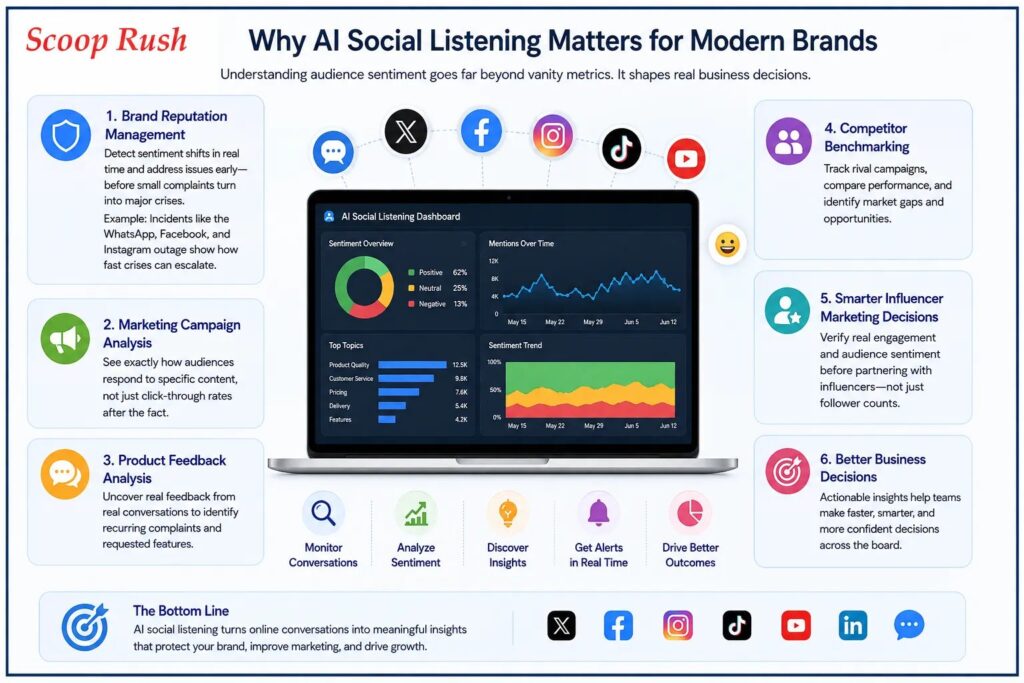
AI social listening tools help brands understand what people are truly saying about them online, not just how often they’re mentioned. These platforms rely on natural language processing to interpret slang, tone, emojis, and context, turning messy online chatter into insights a marketing team can actually use.

Traditional monitoring only counted mentions. However, modern AI-powered tools go much further. They detect sentiment, group conversations by topic, and increasingly forecast which trends deserve attention before they explode.

How AI Social Listening Tools Actually Work

Most platforms in this space rely on a few core technologies working together.

Natural language processing allows software to understand human language, including slang and emotional tone, instead of just matching keywords. Sentiment analysis then classifies conversations as positive, negative, or neutral, and stronger tools can even detect nuances like sarcasm or frustration, much like the reasoning improvements seen in models such as Kimi K3 and Qwen3.

Machine learning improves accuracy over time by learning from past data and current user behavior. Meanwhile, data aggregation pulls everything into one dashboard, so teams don’t waste time jumping between platforms just to see the full picture.

Top AI Social Listening Tools to Consider in 2026

Based on platform coverage, pricing transparency, AI quality, and real user feedback, here are some standout options worth exploring.

Best Picks for B2B, Enterprise, and Small Business Needs

Octolens is built for teams that want social data flowing into their existing stack rather than another dashboard to babysit. It tracks more than 15 platforms, including Reddit, GitHub, and Hacker News, and includes API and webhook access on every plan starting at $159/month. It works especially well for B2B and tech companies, though it skips consumer platforms like Instagram.

Brandwatch sits at the enterprise end of the market. With access to over 100 million sources and advanced image recognition, it suits large brands with dedicated analysts and bigger budgets. Pricing is custom, and onboarding can take weeks.

Brand24 remains popular among small and mid-sized businesses. It covers social media, blogs, and forums starting around $249/month, with an AI Brand Assistant that automatically summarizes mentions. Brand24 became part of Adobe following Semrush’s acquisition in April 2026.

Sprout Social blends publishing, engagement, and listening in a single tool, monitoring more than 30 billion daily messages. Its AI Assist feature summarizes sentiment trends using real customer quotes. However, listening functions as a premium add-on, and coverage leans heavily toward mainstream platforms.

Talkwalker, now part of Hootsuite Insights, stands out for multilingual coverage across 187 languages and its Blue Silk AI sentiment engine. Its Virality Map visualizes how content spreads, which is genuinely useful for global campaigns.

YouScan specializes in visual listening, using AI to recognize brand logos and objects inside images. This makes it valuable for consumer brands in fashion, food, and CPG, where products often show up in photos rather than text posts.

BrandMentions offers real-time tracking with strong sentiment analysis at a more affordable price starting around $99/month, making it a solid pick for smaller businesses focused on reputation monitoring.

Choosing the Right Tool Based on Business Size

Your ideal choice largely depends on scale. Startups usually do well with lightweight, affordable tools that need minimal setup, similar to how one mom built a $10K-a-month Etsy side hustle by starting lean. Growing businesses typically need broader platform coverage and deeper analytics. Large enterprises, meanwhile, generally require dedicated support and the ability to process massive volumes of global data, the kind of scale companies like SpaceX now operate at.

Why AI Social Listening Matters for Modern Brands

Why AI Social Listening Matters for Modern Brands

Understanding audience sentiment goes far beyond flattering vanity metrics. It shapes real business decisions.

Brand reputation management benefits enormously from early detection. Tools that flag sentiment shifts in real time let teams step in before a handful of complaints snowballs into a full crisis, the kind of fallout brands like Meta have faced during incidents such as the WhatsApp, Facebook, and Instagram outage.

Marketing campaign analysis becomes more precise when brands can see exactly how audiences respond to specific content, not just click-through rates after the fact.

Product feedback analysis surfaces recurring complaints and requested features directly from real conversations, which is often more honest than formal surveys.

Competitor benchmarking allows businesses to track rival campaigns and identify openings in the market. Similarly, influencer marketing decisions improve when brands can verify an influencer’s actual engagement rather than relying on follower counts alone.

How to Choose the Best AI Social Listening Tool for Your Business

How to Choose the Best AI Social Listening Tool for Your Business

Selecting a social listening platform starts with budget. Pricing across this category varies enormously, from free tools like Google Alerts to enterprise contracts running into thousands of dollars monthly. Therefore, it’s worth defining your budget ceiling before comparing features.

Platform coverage matters just as much. If your audience is active on Reddit and Hacker News, a tool built primarily for Instagram won’t serve you well, regardless of how polished its dashboard looks.

Data Accuracy and Privacy Considerations

Consider how well a tool’s AI actually understands context and sentiment, and how carefully it handles user data, an issue that has become a bigger concern following reports on Claude AI chats being exposed via Google Search and growing scrutiny of period tracker app privacy. Some platforms interpret sarcasm and nuance far better than others, and this accuracy directly affects the quality of insights your team receives.

Finally, check integration capabilities. A tool that connects with your CRM or existing marketing stack will save your team significant manual work down the line.

The Future of AI Social Listening Tools

The Future of AI Social Listening Tools

The next wave of social listening tools is moving toward predictive analytics rather than pure real-time reporting. Instead of only telling brands what’s happening now, emerging systems aim to forecast what’s likely to happen next, giving marketing teams a head start on trends before they fully form, much like how Nokia’s AI RAN platform with Nvidia is reshaping infrastructure ahead of demand.

As a result, tighter integration between listening platforms and broader marketing tech stacks is becoming the norm. Consequently, businesses that treat social listening as a standalone activity may fall behind those weaving it directly into campaign planning and customer service workflows, a shift already visible in fields like data analyst careers.

Final Thoughts

Choosing the best AI social listening tools ultimately comes down to knowing where your audience actually talks and what your team plans to do with the insights. There’s no single best option for every business. However, the right fit can transform scattered online chatter into a genuine competitive advantage, helping brands catch problems early, spot opportunities faster, and build stronger connections with the people already talking about them.

FAQs

What is the best AI social listening tool for small businesses?

Budget-friendly options like Brand24 and BrandMentions are popular among small and mid-sized businesses because they cover essential platforms without requiring enterprise-level spending.

How does AI improve social listening compared to manual tracking?

AI processes massive volumes of unstructured data quickly, detecting sentiment, patterns, and trends that would be nearly impossible for a human team to catch manually.

Can social listening tools track competitors as well as my own brand?

Yes. Most platforms, including Brand24, BrandMentions, and Brandwatch, include competitor tracking features that let you benchmark performance and monitor rival campaigns.

Do AI social listening tools work across all social media platforms?

Coverage varies by tool. Some, like Octolens, focus on niche platforms such as Reddit and Hacker News, while others like Sprout Social lean toward mainstream networks like Instagram and Facebook.

Is social listening the same as social media monitoring?

Not exactly. Monitoring typically tracks direct mentions and metrics, while listening goes deeper into sentiment, context, and emerging conversation trends to inform strategy.

Pep Guardiola’s Kyle Walker Bust-Up and Emotional Man City Exit Revealed

0

Pep Guardiola’s Kyle Walker bust-up sits at the heart of a new documentary, and it reveals what really happens when a manager and his captain stop trusting each other. The fallout feels more raw than anyone expected.

The four-part series, titled “A Beautiful Obsession,” follows Pep Guardiola through his final two seasons at Manchester City. It captures private dressing room moments, tactical obsessions, and personal struggles that fans never saw in real time. At the center of it all sits one uncomfortable storyline: the breakdown between Guardiola and his captain, Kyle Walker.

This story matters because it pulls back the curtain on one of football’s most successful managerial spells. Guardiola won 20 trophies during his decade at City. However, the documentary shows a side of him that trophies never revealed. For fans who watched City dominate English football, this offers a rare look at the emotional cost behind the silverware.

Inside the Guardiola Kyle Walker Bust-Up

Kyle Walker left Manchester City on loan for AC Milan in January 2025. He asked Guardiola directly for a fresh challenge, and the manager granted his request. However, what followed was far from a clean break.

Just days after Walker’s departure, Guardiola addressed his squad ahead of a home match against Chelsea. He told the players he felt deeply saddened by what had happened with his captain. According to the documentary, Guardiola said Walker had found it easy to simply tell him he was tired and wanted out. He then pushed back on that decision. He told his players that a captain cannot behave that way, especially during tough moments.

Guardiola didn’t stop there. He asked his squad, almost rhetorically, what they had done to their own captain. The scene captures raw frustration from a manager who clearly felt let down.

What Sparked the Guardiola-Walker Tension at Anfield

The documentary traces the Guardiola Kyle Walker fallout back further than the January exit. One key scene shows an argument between the pair after City’s loss at Anfield in December 2024. During that match, Walker lost the ball to Luis Diaz, and Liverpool won a penalty as a result.

Afterward, Guardiola told his dressing room that losing possession in dangerous areas leads directly to goals. Walker reacted angrily. He pointed out that his name kept coming up in team meetings. Guardiola’s response was blunt. He suggested that came with the territory of being captain. Walker’s reply hinted at deeper resentment. He questioned whether Guardiola had ever truly wanted him as captain in the first place.

This exchange carries extra weight because Walker’s own teammates had chosen him to captain the side for the 2024-25 season. Kevin de Bruyne, Ruben Dias, Rodri, and Bernardo Silva served as vice-captains that year. Losing the trust of a captain his peers had elected clearly weighed on Guardiola.

Interestingly, this argument happened shortly after Guardiola signed a new contract extension at City. That timing adds extra weight to the story, since the manager had just recommitted to the club while facing internal friction within his leadership group.

Guardiola’s Emotional Response to the Walker Fallout

Guardiola's Emotional Response to the Walker Fallout

The documentary doesn’t just focus on conflict. It also shows Guardiola in tears, opening up to his players about his own doubts. Right after the argument with Walker, he told the squad that they needed to tell him honestly if he was the problem.

He explained that he hadn’t stayed in the City for money or comfort. Instead, he said he extended his contract because he wanted to keep fighting alongside his players. He admitted he didn’t want to feel like he was running away from a difficult situation.

Guardiola went further and told his captains directly. He said that if they sensed a problem, they should come to him first. He reassured them that honesty wouldn’t change how much he cared about the group, but he still wanted to fight for results.

This kind of vulnerability from a manager of Guardiola’s stature feels rare. Consequently, it gives fans a fuller picture of the pressure elite coaches carry, even after years of dominance.

Kyle Walker’s Legacy at Manchester City

Before his move to Milan, Kyle Walker made 316 appearances for Manchester City. He joined from Tottenham Hotspur in 2017 for around £50 million, and he went on to win six Premier League titles under Guardiola.

Despite that trophy-laden history, Walker’s final season at the Etihad brought real difficulty. City finished the 2024-25 campaign without a single trophy, only the second time that had happened since Guardiola took charge in July 2016. Given that context, the emotional weight behind Walker’s exit becomes easier to understand. A trophyless season naturally increases tension between players and coaching staff, and long-serving figures like Walker often feel it most.

How Personal Struggles Shaped the Guardiola-Walker Story

The Pep Guardiola Kyle Walker fallout didn’t happen in isolation. The documentary reveals that Guardiola came remarkably close to leaving City altogether. After losing four consecutive matches in 2024, he reportedly told the club it might be over for him.

City chairman Khaldoon Al Mubarak also appears in the series. He admits he wasn’t confident he could convince Guardiola to stay. Al Mubarak used a memorable comparison, calling Guardiola the boy who cried wolf, except this time, the threat felt real.

Several factors contributed to City’s rocky 2024-25 season. The club faced 115 charges over alleged breaches of Premier League financial rules, and that legal cloud hung over the entire campaign. Additionally, Rodri, the 2024 Ballon d’Or winner, suffered a long-term injury that removed a key player from midfield.

On top of the football pressures, Guardiola also went through a divorce. Media speculation grew after he appeared with visible scratches on his head and nose following a 3-3 Champions League draw with Feyenoord in November 2024. Guardiola hasn’t publicly confirmed how much his personal life affected his coaching. However, longtime staff member Manel Estiarte addressed the topic directly in the documentary. He explained that players noticed their manager seemed anxious and different, so he reminded the squad that Guardiola was going through a divorce, not simply being difficult.

Guardiola’s Fiery Speeches During the Fallout

Throughout the series, Guardiola doesn’t hold back with his team. After a defeat to Bayer Leverkusen in November 2025, he delivered a passionate speech. He told players he had sacrificed his personal life and family time for them, only to feel let down by their performance. He described feeling drained, and he even said he wanted to quit when the team underperformed.

At other points, he warned his players that continued poor form would eventually cost them their places, or lead to a new manager altogether. He also spoke about needing to break through emotionally, even referencing intensity as a way to connect with his players’ hearts. Guardiola reportedly encouraged hugging among teammates before matches, and he linked lukewarm goal celebrations to a lack of genuine commitment.

These scenes paint a picture of a manager who demanded emotional investment as much as tactical discipline.

Beyond Walker: De Bruyne’s Exit and Cherki’s Rocky Start

Beyond Walker: De Bruyne's Exit and Cherki's Rocky Start

The Guardiola Kyle Walker bust-up wasn’t the only difficult departure the documentary covers. Manchester City also parted ways with Kevin de Bruyne, who had spent a decade at the club and won 16 trophies during that time. The Belgian playmaker clearly didn’t want to leave, and the documentary shows him breaking down emotionally while discussing the impact on his family.

Guardiola admitted the decision devastated him personally. He described De Bruyne crying in his office, and he said letting him go required becoming emotionally colder than he wanted to be. He acknowledged the deep affection he held for the player and the memories they built together.

As part of City’s rebuild, the club signed French winger Rayan Cherki for £30 million in June 2025. Sporting director Hugo Viana revealed that concerns existed about Cherki’s attitude before the club finalized the signing. Everyone recognized his talent, yet some within the club viewed him as chaotic.

Despite those early doubts, Cherki became one of City’s standout performers last season. He recorded four goals and 12 assists across 33 Premier League appearances, ranking second in the entire division for assists. That performance suggests the gamble on his talent paid off, even though questions about his temperament lingered at first.

Guardiola’s Emotional Exit After the Walker Saga

Guardiola eventually stepped down as Manchester City manager at the end of the 2025-26 season, closing out ten years in charge. During that decade, he won 20 trophies. He capped his final campaign with both the FA Cup and League Cup.

Speaking about what comes next, Guardiola admitted he doesn’t yet know his own plans. He suggested a return to management would prove difficult in the near future. He explained that he needs time to process everything that happened in his personal life before considering another role.

Key Takeaways:

The Guardiola Kyle Walker bust-up offers a rare, honest look at the pressures behind one of football’s most successful managerial reigns. Several themes stand out:

  • Kyle Walker’s decision to leave for AC Milan created visible tension between him and Guardiola, rooted in earlier disagreements dating back to December 2024.
  • Guardiola’s personal life, including his divorce, played a significant role in his emotional state during his final seasons at City.
  • The trophyless 2024-25 season added pressure that affected relationships throughout the squad.
  • Kevin de Bruyne’s emotional exit revealed a different side of Guardiola’s difficult decision-making as City rebuilt its squad.
  • Rayan Cherki proved to be a strong addition to the team despite early doubts about his attitude.
  • Guardiola ultimately left City after a decade filled with trophies, but also considerable personal sacrifice.

Ultimately, this documentary reminds fans that even the most decorated managers face genuine human struggles behind closed doors. Success on the pitch rarely tells the whole story.

Frequently Asked Questions

1. What caused the fallout between Pep Guardiola and Kyle Walker? 

Tension built after a December 2024 defeat at Anfield, where Walker lost the ball and Liverpool won a penalty. Guardiola criticized the mistake in a team meeting, and Walker pushed back, feeling repeatedly singled out. Walker left for AC Milan on loan shortly after, in January 2025.

2. When did Kyle Walker leave Manchester City? 

Walker joined AC Milan on loan in January 2025 after he asked Guardiola for a fresh challenge. He left having made 316 appearances and won six Premier League titles at City.

3. Why did Manchester City have a trophyless season? 

Several factors contributed, including 115 charges over alleged Premier League financial rule breaches, a long-term injury to Rodri, and internal friction within the squad during the 2024-25 campaign.

4. Did Guardiola’s divorce affect his time at Manchester City? 

The documentary suggests it did affect him personally. Staff member Manel Estiarte confirmed that players noticed changes in his behavior during that period, though Guardiola hasn’t directly linked it to results.

5. When did Pep Guardiola leave Manchester City? 

Guardiola stepped down at the end of the 2025-26 season, completing a decade at the club that included 20 trophies. His final season brought both the FA Cup and League Cup.

Exact iPhone Camera Settings to Photograph the Solar Eclipse Safely

0

Could one wrong tap on your camera screen cost you £250 in phone repairs? Getting your iPhone camera settings right for the eclipse matters, since millions will instinctively raise their phone toward the sun this week. However, that single move could permanently damage your camera sensor if you skip the right precautions.

Introduction

This eclipse is being called the most complete one visible until 2090, so naturally, everyone wants a photo of it. But before you rush outside, you need to know the exact iPhone camera settings for solar eclipse photography, along with the safety steps that come before them. The sun’s rays remain powerful enough to burn through a camera sensor in seconds, even when most of the sun is covered by the moon. As a result, getting your settings and safety gear right matters just as much as timing your shot. This is especially worth planning for if you’re using one of the newer iPhone models, since sensor repair costs only climb higher on premium devices.

Why Your Phone Camera Is at Risk During the Eclipse

Why Your Phone Camera Is at Risk During the Eclipse

A phone camera lens focuses light onto a small sensor. On a normal day, this rarely causes problems because people do not usually stare directly at the sun. An eclipse changes that. It pulls everyone’s attention upward, and that is exactly where the danger begins.

Experts told Metro that pointing an unfiltered lens at the sun risks burning out the sensor, much like looking directly at the sun risks permanent vision damage. A phone lens concentrates sunlight into an intense point on the sensor behind it. Enough unfiltered exposure kills pixels permanently, and every photo taken afterward carries the same dark marks.

This damage is known as dead pixels, and it does not heal over time. Once the sensor suffers this kind of harm, it stays damaged. Repairing it can cost around £250, which is a steep price for a careless few seconds.

How Camera Damage Actually Happens

The longer your camera points at the sun, or the more you zoom in, the greater the risk becomes. At minimum, your phone could overheat and shut down temporarily. In more serious cases, especially with extended exposure or telephoto zoom, the sensor takes permanent damage.

Even though the eclipse blocks most of the sun, the small sliver that remains visible still carries enough intensity to cause harm. Therefore, treating this like an ordinary sunny-day photo is a mistake worth avoiding.

Protecting Your Eyes Comes First

Before you even think about camera settings, your eyes need protection. Your phone screen lets you compose a shot safely, but it will not shield your eyes if you glance up at the sun directly.

NASA has been clear on this point. The agency explains that viewing any part of the sun directly, or through a camera lens, binoculars, or telescope without a proper solar filter, causes instant and severe eye injury. This risk applies even if you are wearing eclipse glasses, since concentrated solar rays can burn straight through unprotected optics.

Eclipse glasses are designed for direct viewing, but they are not automatically safe as camera filters. Your phone or camera needs its own solar filter, fitted correctly according to manufacturer instructions.

What Not to Use as a Filter

Regular sunglasses will not protect your eyes or your camera, no matter how dark they appear. Similarly, everyday photographic filters, exposed film, and smoked glass are not safe substitutes. If you are ever unsure about a product, it is worth checking with a reputable astronomy or photography specialist rather than guessing.

Eye damage from looking directly at the sun is called solar retinopathy. This condition damages the retina, the part of the eye responsible for sensing light. It often happens quickly and painlessly, so a person might not even realize the harm is occurring until later. Symptoms include blurry vision, blind spots, and in severe cases, permanent vision loss.

Exact iPhone Camera Settings for Solar Eclipse Photography

Exact iPhone Camera Settings for Solar Eclipse Photography

Once your eyes and equipment are protected, it is time to focus on your iPhone camera settings for the eclipse itself.

Get the Right Solar Filter First

NASA recommends using filters certified to the ISO 12312-2 standard. This certification ensures the filter reduces visible, ultraviolet, and infrared radiation to levels your phone sensor can safely handle.

If you do not want to buy a dedicated solar filter sheet, a spare pair of eclipse glasses can work as a makeshift filter. Simply cut the lens out from the cardboard frame and secure it over your phone’s rear camera lens. Just make sure you keep another pair for your own eyes.

A larger solar filter sheet, often around 210 x 210mm, offers more flexibility. It is big enough to tape flat over your entire rear camera area, which helps since many phones switch between multiple lenses automatically.

Whatever filter you use, position it carefully before pointing your phone toward the sun. Do not let it slip, crease, or come loose while shooting. It needs to stay securely in place for as long as any bright part of the sun remains visible.

Reduce Your Exposure

Open your camera app and tap on the sun on your screen. A yellow box with a small sun icon appears. Swipe down on that icon to reduce the exposure. Aim for a clean, defined circle rather than a blown-out white blob.

If your phone offers a focus and exposure lock option, use it. This stops your settings from shifting every time you slightly reframe your shot, which helps when the sun keeps drifting out of frame.

Use Optical Zoom, Not Digital

Whenever possible, use your phone’s optical zoom rather than digital zoom. Optical zoom produces sharper, more detailed images because it relies on the physical lens instead of stretching pixels. Heavy digital zoom will not reveal detail that was never captured in the first place, so it is better to get as close as your optical lens allows and crop later if needed.

If your phone has a longer telephoto lens, use it now. A steadier, more zoomed-in shot through optical means will always beat a shaky digital crop.

Steady Your Shot

A small tripod makes a noticeable difference. Even slight hand movement can blur your photo, especially when zoomed in. Using your phone’s timer function, or a compatible remote shutter, helps avoid the shake caused by pressing the on-screen capture button.

What Happens During Totality

What Happens During Totality

Totality is the brief window during a total solar eclipse when the moon fully covers the sun. During this short period, the sky darkens, and the sun’s faint outer atmosphere, known as the corona, becomes visible.

If you happen to be inside the path of totality, the filter can only come off once the moon has completely covered the sun’s bright surface. This is the one moment when photographing the corona directly becomes safe, since the filter would otherwise block it from view entirely.

However, this window is extremely short. Totality during this eclipse lasts less than two minutes in most locations, with an absolute maximum of around two minutes and eighteen seconds. Near the edges of the path, it may last mere seconds. If you are not entirely confident about the exact timing for your location, it is safer to leave your filter fitted throughout the entire event.

Whatever you do, replace your filter before totality ends. As soon as any bright sliver of the sun begins to reappear, the safe window closes immediately. It is far better to miss one extra shot than to risk damaging your equipment or your eyesight.

Conclusion

Capturing the solar eclipse on your iPhone is absolutely possible, but only with the right precautions in place. Protect your eyes with certified eclipse glasses, fit a proper ISO 12312-2 solar filter over your camera lens, and then adjust your exposure and zoom settings for the clearest shot. Skipping these steps could cost you your phone’s camera sensor, your eyesight, or both.

Ultimately, a little preparation goes a long way. Get your filter, tripod, and camera settings sorted well ahead of time so you are not fumbling with menus while the sky darkens above you. This eclipse will not return again until 2090, so it is worth getting right the first time.

FAQs

Can I take a photo of the solar eclipse with my iPhone?

Yes, but only with a certified solar filter placed securely over your rear camera lens. Without one, the sun’s rays can permanently damage your phone’s camera sensor.

What exact iPhone camera settings should I use for the eclipse?

Tap on the sun on your screen, then swipe down on the yellow sun icon to lower the exposure. Aim for a sharp, defined edge around the sun rather than a bright, blown-out circle, and use optical zoom instead of digital zoom for the clearest result.

Will pointing my phone at the sun really damage the camera?

Yes, unfiltered exposure can burn out pixels on the sensor permanently. This leaves dark marks on every photo afterward, and repairs for this kind of damage can cost around £250.

Can I use eclipse glasses as a camera filter?

Yes, you can cut the lens out of a spare pair of eclipse glasses and tape it over your phone’s camera as a makeshift filter. Just make sure you keep a separate pair to protect your own eyes while viewing.

Is it safe to remove the filter during totality?

Only if you are within the path of totality, and only once the moon fully covers the sun’s bright surface. This window lasts under two minutes, so the filter must go back on the moment the sun starts to reappear.

New Lion King Ride at Disneyland Paris: Release Date, Scar Scene & Concept Art Revealed

0

Scar is coming back. This time, he stands directly in Simba’s path. That single reveal from the 2026 D23 Expo has fans buzzing about the new Lion King ride Disneyland Paris just unveiled. It confirms something many worried Disney had quietly dropped: real conflict in its newest attractions.

The Lion King ride at Disneyland Paris just received its biggest update yet, and it changes the conversation entirely. Disney unveiled concept art, ride vehicle models, and scene details for the upcoming water attraction.

This attraction will anchor the reimagined Pride Lands at Disney Adventure World. For anyone who grew up watching Simba’s journey from frightened cub to rightful king, this is the news you have waited for.

Here is everything Disney revealed about the new Lion King ride Disneyland Paris guests can expect, the Pride Lands expansion, and why this project matters so much.

Why the Lion King Ride at Disneyland Paris Is a Big Deal

Why the Lion King Ride at Disneyland Paris Is a Big Deal

DDisney first announced the Lion King Pride Lands two years earlier at a previous D23 Expo. Since then, details have trickled out slowly. However, the 2026 D23 Expo delivered the biggest update so far. Disney shared reveals through both the “Imagineering: Horizons” pavilion and the official Parks Panel presentation.

Construction on the land began in Fall 2025 near the banks of Adventure Bay, close to World of Frozen.

Crews have already completed foundation work, and the first building structures now visibly rise from the ground. In short, this project has moved firmly from concept to construction. That alone is worth getting excited about.

The Lion King Ride Retells the Original Animated Classic

During the Parks Panel, host Neil Patrick Harris confirmed once again that the attraction draws directly from the original 1994 animated film, not the 2019 photorealistic remake.

That distinction matters to longtime fans. After all, many consider the 1994 classic the more emotionally resonant and visually iconic version of the story.

The ride follows Simba’s full arc, from playful cub to exiled outcast to rightful king of the Pride Lands. Along the way, guests will meet Audio-Animatronics figures of Simba, Timon, Pumbaa, and, notably, Scar.

Scar’s Climactic Confrontation Scene Steals the Show

The headline reveal from this year’s expo is a brand-new Audio-Animatronics figure of Scar. Disney placed him inside a climactic confrontation scene pulled straight from the film’s dramatic finale. New concept art shows the villain standing squarely in Simba’s way as he fights to reclaim his throne.

For some fans, this might feel like an obvious inclusion, since Disney already confirmed the ride would retell the 1994 film. A showdown with Scar seems like a natural fit right before the attraction’s biggest drop.

Still, the confirmation carries real weight, especially given a noticeable trend across recent Disney attractions.

Why This Villain Encounter Matters for Disney Rides

Several newer Disney rides lean toward conflict-free, “joyful celebration” style storytelling instead of confrontation. Tiana’s Bayou Adventure offers the clearest example. It shares enough structural similarities with the new Lion King ride that many fans assumed Disneyland Paris might follow the same formula.

That trend has stretched across multiple recent openings, reflecting an apparent push to make family attractions feel softer and less intense, even ones that still include steep drops and height requirements.

This approach has worked well in certain cases. Even so, it would have meant cutting some of The Lion King’s most memorable and atmospheric moments — the kind that translate beautifully to a boat ride through moody, dramatic scenery.

Thankfully, Disney chose a different direction this time. Conflict is back. It brings the emotional stakes that made the original film so beloved.

How the Scar Scene Sets This Ride Apart From Frozen Ever After

Walt Disney Imagineering Paris Vice President Michel den Dulk shared additional context on why the confrontation scene made the final cut. Specifically, he explained that Imagineers wanted the attraction to feel tonally distinct from Frozen Ever After, its neighboring headliner at Disney Adventure World.

Two flagship attractions with overly similar storytelling or pacing risked making the park feel repetitive. Simba’s dramatic confrontation with Scar helps set the new ride apart. It gives guests a genuinely different emotional experience within the same park.

Den Dulk also emphasized the broader creative goal behind the project. According to him, The Lion King’s enduring three-decade popularity owes a great deal to its unforgettable villain. The team wanted guests to feel the full emotional weight of that story, not a watered-down version of it.

What to Expect Inside the New Lion King Ride

The untitled attraction will be a water-based ride. It features the film’s beloved soundtrack alongside state-of-the-art visual effects. Guests can expect three exhilarating drops throughout the journey, including a dramatic 16-meter descent from Pride Rock itself.

Ride Vehicle Design Revealed for the Lion King Attraction

Disney also displayed a scale model of the ride vehicle at the Imagineering pavilion. The boats feature a wooden log texture with a small Simba carving on the front, which gives them a rustic, handcrafted feel that fits the African savanna setting.

Structurally, the vehicles resemble those used on Tiana’s Bayou Adventure at Walt Disney World, with four rows of seating. However, there is one key difference.

Small dividers split each row into three seats, which creates a wider vehicle than the Magic Kingdom version. This setup also differs from the Disneyland version of Tiana’s Bayou Adventure, which uses single-file seating.

Interestingly, earlier concept art from two years ago appeared to show single-file seating for this attraction. However, insiders now believe Disney recycled that art from an earlier, rejected Splash Mountain reimagining concept for Disneyland in California, rather than an accurate preview of the Paris ride.

The Hakuna Matata Scene Comes to Life

Disney also displayed a model of the “Hakuna Matata” show scene, giving fans their first physical look at how one of the film’s most joyful musical moments will translate into the ride.

The staging has shifted slightly compared to the original concept art, which suggests the simplified layout shown in the model reflects the final intended design rather than an artistic placeholder.

Between the emotional drops, iconic music, and richly themed show scenes, this attraction appears designed to lean fully into the atmosphere that made the original film so visually memorable.

Inside the Pride Lands: What the New Land Will Include

Once complete, the Lion King Pride Lands will span more than 30,000 square meters. Beyond the flagship water ride, the land will include a boutique, a dining location, and opportunities for character appearances throughout the day.

Recreating an authentic African savanna in the French climate required genuinely creative solutions from Imagineers. For example, teams pruned and sculpted European trees to mimic the flat-topped silhouette of acacia trees,

which cannot naturally grow in the region. Crews also embedded animal paw prints into the sunbaked earth throughout the land, creating the illusion that wildlife roamed the area long before guests arrived.

Disney additionally released a new aerial concept art piece that shows the full layout of the Pride Lands. It gives fans their clearest look yet at how the completed land will feel from above.

Lion King Ride Disneyland Paris Release Date: When Will It Open?

Disney has not confirmed an exact opening date yet. Even so, there are real reasons for optimism. This plot of land was originally earmarked for a Star Wars: Galaxy’s Edge expansion announced back in 2018, a project Disney later scrapped in favor of the Pride Lands concept.

Historically, construction on major Disneyland Paris projects has moved slowly, partly due to lingering delays from COVID-era closures. However, momentum now appears to be building following the successful relaunch of Disney Adventure World.

Based on current construction progress, a Summer 2028 opening looks achievable. That said, a later Spring 2029 debut remains possible if the ambitious timeline slips.

In the meantime, guests have another new attraction to look forward to. Wilderness Explorers Sky Swings, inspired by Disney and Pixar’s Up, opens in 2027 along Adventure Way, near the recently opened Raiponce Tangled Spin.

The Bigger Picture for Disney Adventure World

The Bigger Picture for Disney Adventure World

TThis Lion King expansion means more than just a single new ride. It marks the continued transformation of a once smaller, less thematically distinct park into a genuine showcase of beloved Disney and Pixar worlds.

The back half of Disney Adventure World, where World of Frozen and the future Pride Lands will sit, has already earned praise for its atmosphere and level of detail. Still, it currently has noticeable empty space waiting to be filled.

Meanwhile, the front half of the park remains dense with rides but comparatively light on cohesive theming.

Once the Lion King Pride Lands opens, that imbalance should ease considerably. Even so, several major expansion pads remain available within the park, which leaves plenty of room for future lands inspired by other animated classics.

Given the deep emotional connection so many guests feel toward The Lion King, and the major technical advances in Audio-Animatronics since attractions like the Little Mermaid dark ride or Frozen Ever After first opened, the timing for this project finally feels right.

Final Thoughts

The new Lion King ride Disneyland Paris has revealed is shaping up to be one of the most anticipated additions to Disney Adventure World.

It has a confirmed climactic confrontation with Scar, a thoughtfully designed ride vehicle, immersive show scenes, and a sprawling 30,000 square meter land. This attraction has all the ingredients to become a genuine headliner.

Construction is already underway. Concept art continues to roll out. Anticipation keeps building. For fans who have waited three decades to see The Lion King brought to life in a full-scale attraction, that wait finally appears to be nearing its end.

Frequently Asked Questions

When will the Lion King ride at Disneyland Paris open? 

Disney has not announced an official opening date. Based on current construction progress, a Summer 2028 opening looks likely, though a Spring 2029 debut remains possible.

Is the new Lion King ride based on the animated film or the live-action remake? 

The attraction is based on the original 1994 animated Lion King film, not the 2019 photorealistic remake, as Disney confirmed during the 2026 D23 Expo Parks Panel.

Will Scar appear in the new Lion King attraction? 

Yes. Disney has confirmed that a brand-new Audio-Animatronics figure of Scar will appear in a climactic confrontation scene inspired directly by the film’s dramatic finale.

What type of ride is the new Lion King attraction at Disneyland Paris? 

It is a water-based, log flume style attraction featuring three drops, including a 16-meter descent themed around Pride Rock, along with Audio-Animatronics and the film’s classic soundtrack.

Where are the Lion King Pride Lands located within Disneyland Paris? 

The Pride Lands land sits within Disney Adventure World, near World of Frozen and Adventure Bay, on a plot originally intended for a Star Wars: Galaxy’s Edge expansion.