
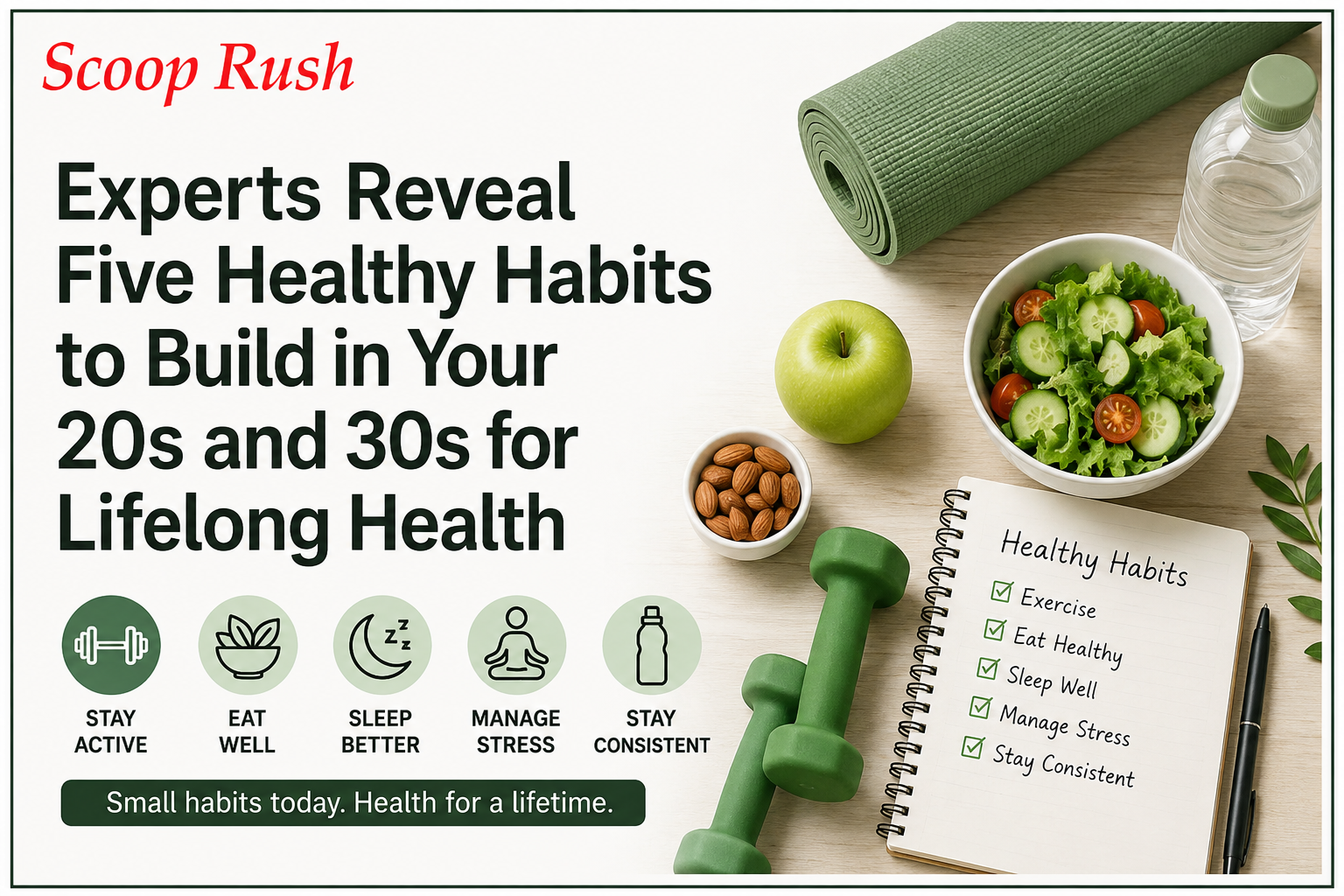
Your Future Health Starts with Today’s Choices
Your 20s and 30s are the ideal time to build habits that support long-term health. While many young adults focus on careers, relationships, and family, according to experts from Stanford Medicine, the healthy habits you build during your 20s and 30s can have a lasting impact on your physical and mental well-being.
You don’t need a complete lifestyle makeover. Small, consistent improvements in exercise, nutrition, sleep, and stress management can lower the risk of chronic diseases and help you stay healthier as you age.
Why Your 20s and 30s Matter
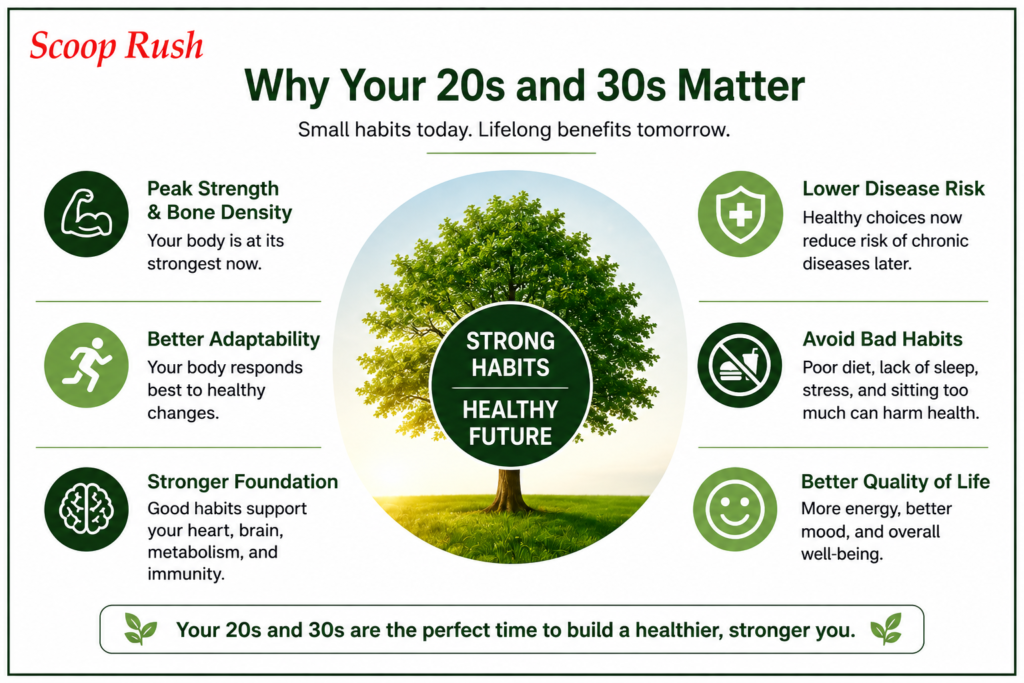
Early adulthood is when your body reaches peak muscle strength, bone density, and physical performance. These years are also when lifelong habits are formed.
Unfortunately, busy schedules, poor sleep, unhealthy eating, and long hours of sitting have become common. Making healthier choices now is much easier than trying to reverse unhealthy habits later.
During early adulthood, your body responds well to healthy lifestyle changes. Building muscle, improving cardiovascular fitness, and developing nutritious eating habits are often easier at this stage than later in life. Starting early can help reduce the risk of chronic diseases and make healthy routines easier to maintain over time.
1. Make Strength Training a Weekly Habit
Strength training helps build muscle, strengthen bones, and improve metabolism. Since muscle mass naturally declines with age, building strength now helps protect your health in the future.
Aim to include strength training at least twice a week using exercises such as:
- Squats
- Push-ups
- Lunges
- Planks
- Resistance band exercises
Your workouts should feel challenging while allowing you to maintain proper form. You don’t need heavy weights—bodyweight exercises or lighter weights can also deliver excellent results when performed consistently.
2. Stay Active Throughout the Day
Cardiovascular exercise supports your heart, lungs, and overall fitness. Activities like brisk walking, cycling, swimming, or jogging can reduce the risk of heart disease, type 2 diabetes, and other chronic conditions.
Stanford experts recommend aiming for around 7,000 steps a day for meaningful health benefits.
Just as important is reducing long periods of sitting. If you spend hours at a desk, take a short movement break every 30 minutes. Stretch, walk around, climb stairs, or do a few bodyweight exercises to improve circulation and reduce the effects of prolonged sitting.
Remember, small daily movements add up. Walking during phone calls, taking the stairs, or parking farther away are simple ways to stay active.
3. Choose Nutritious Foods Most of the Time
Healthy eating doesn’t have to be complicated. Instead of following strict diets, focus on eating more whole, nutrient-rich foods.
Fill your plate with:
- Fruits and vegetables
- Whole grains
- Beans and legumes
- Lean proteins
- Nuts and seeds
- Healthy fats like olive oil
A Mediterranean-style eating pattern is widely recommended because it supports heart and brain health while reducing inflammation.
It’s also important to drink enough water and limit processed foods, sugary drinks, and excessive alcohol. Making healthier choices consistently is more effective than trying to eat perfectly every day.
Meal planning can also make healthy eating easier. Preparing meals in advance, keeping healthy snacks on hand, and reading nutrition labels can help you make better food choices, even during busy weeks. These small, consistent improvements to your daily diet can have lasting benefits for your heart, brain, and overall health.
4. Prioritize Quality Sleep
Sleep is one of the most important factors for long-term health, yet it’s often overlooked during your 20s and 30s. Poor sleep can affect your mood, memory, immune system, and metabolism while increasing the risk of obesity, diabetes, and heart disease.
Good sleep also supports exercise recovery, hormone balance, concentration, and emotional well-being. Creating a relaxing bedtime routine can help improve both the quality and consistency of your sleep.
Most adults should aim for 7–9 hours of sleep each night.
To improve your sleep quality:
- Go to bed and wake up at the same time each day.
- Reduce screen time before bedtime.
- Get natural sunlight in the morning.
- Avoid heavy meals, alcohol, or intense exercise close to bedtime.
If you regularly wake up feeling tired despite getting enough sleep, consider speaking with a healthcare professional.
5.Learn Healthy Ways to Manage Stress
Your 20s and 30s often bring career goals, financial responsibilities, and family commitments. While some stress is normal, ongoing stress can affect both your physical and mental health.
Simple habits can help you manage stress more effectively, including:
- Regular exercise
- Deep breathing exercises
- Meditation or mindfulness
- Spending time outdoors
- Staying connected with family and friends
Healthy eating, regular movement, and quality sleep also improve your body’s ability to handle daily stress. If stress or anxiety becomes overwhelming, don’t hesitate to seek support from a qualified mental health professional.
Healthy Habits Are Easier to Build Than to Break
Many people believe they need to make dramatic lifestyle changes to improve their health. In reality, small daily habits often have the greatest long-term impact. Choosing nutritious meals, taking a short walk after work, drinking enough water, or going to bed on time may seem like minor actions, but they can lead to significant health benefits over the years.
Experts recommend focusing on progress rather than perfection. If you miss a workout or have an unhealthy meal occasionally, simply return to your healthy routine the next day. Building sustainable habits is far more effective than following strict routines that are difficult to maintain.
Preventive Health Is Just as Important
Healthy habits should be combined with regular preventive healthcare. Scheduling routine medical checkups, monitoring blood pressure and cholesterol, staying up to date with recommended vaccinations, and visiting your dentist regularly can help detect potential health problems early.
Young adults often skip preventive care because they feel healthy, but regular screenings and checkups can identify issues before symptoms appear. Early detection often leads to better treatment outcomes and supports long-term wellness.
Build Healthy Habits That Fit Your Lifestyle
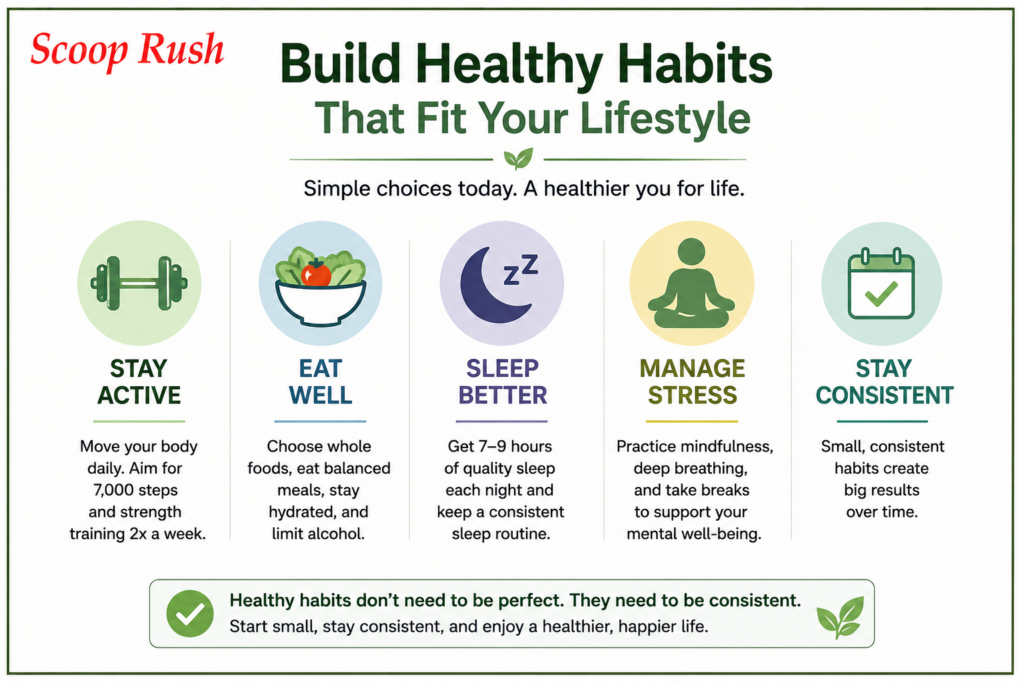
Everyone has different schedules and responsibilities, so there is no single routine that works for everyone. The key is finding healthy habits that fit naturally into your daily life. You might exercise before work, prepare healthy meals on weekends, take walking breaks during the day, or practice mindfulness before bed.
The goal isn’t to create a perfect lifestyle overnight. Instead, make small improvements that you can maintain consistently. Over time, these simple habits become part of your routine and help you build a healthier future.
Small Habits Create Lifelong Benefits
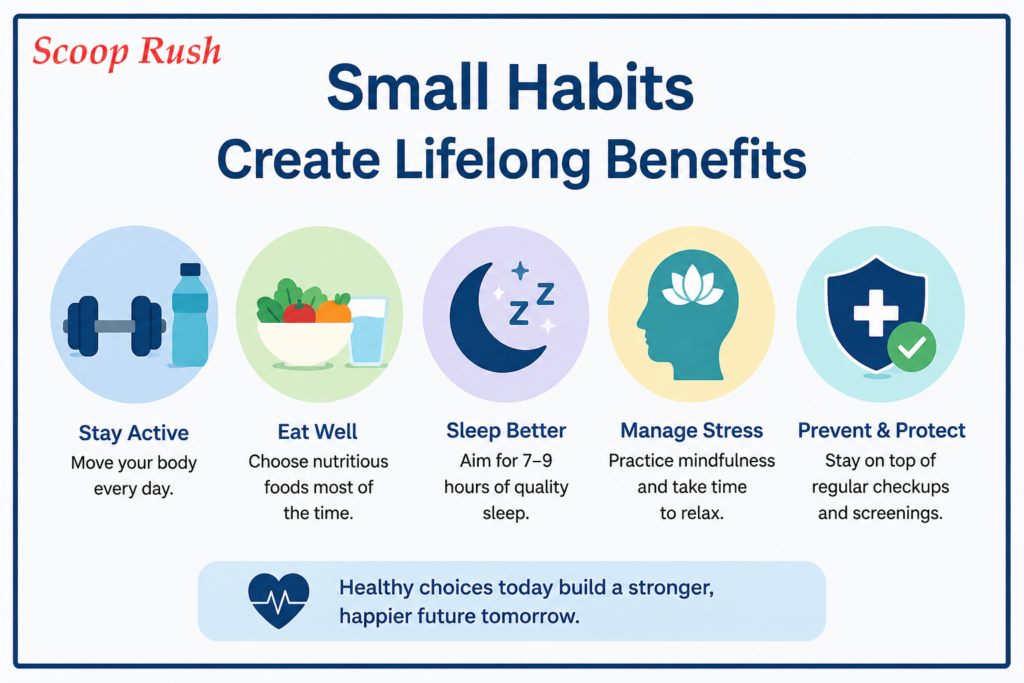
Building a healthier future doesn’t require dramatic lifestyle changes. Instead, it’s the small habits you practice consistently that make the biggest difference over time.
By staying active, strength training regularly, eating nutritious foods, getting enough sleep, and managing stress, you can improve your overall health and lower your risk of many chronic diseases.
The healthy choices you make today can shape your health for years to come. By focusing on regular exercise, balanced nutrition, quality sleep, stress management, and preventive healthcare, you can build a strong foundation for lifelong wellness. Even small changes made consistently can lead to meaningful improvements over time.
FAQs
1. Why are your 20s and 30s important for long-term health?
These years are when your body is at its strongest. Healthy habits developed during this stage can lower the risk of chronic diseases and support lifelong well-being.
2. How often should I do strength training?
Experts recommend strength training at least two days a week using exercises that challenge your muscles while maintaining good form.
3. Is walking enough for good health?
Yes. Walking is an excellent form of exercise, and aiming for about 7,000 steps a day can provide significant health benefits.
4. What should young adults eat?
A balanced diet rich in fruits, vegetables, whole grains, lean proteins, healthy fats, and plenty of water supports long-term health.
5. Can reducing stress improve physical health?
Yes. Managing stress can support heart health, improve sleep, strengthen the immune system, and enhance overall well-being.

