
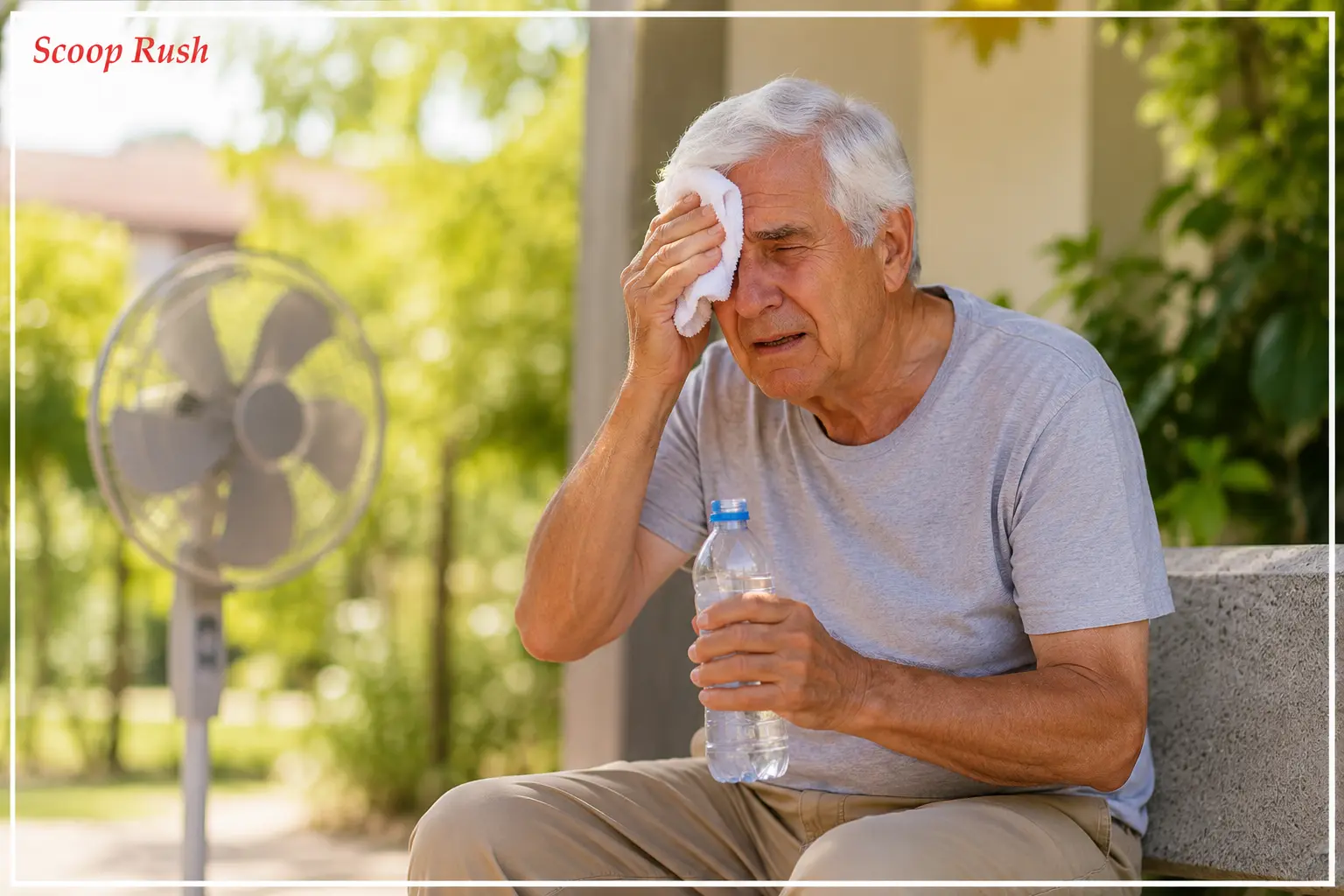
Imagine stepping outside on a hot summer day and feeling as though the air is weighing you down. For many older adults, that feeling is more than simple discomfort. High humidity can make hot weather significantly more dangerous by placing extra strain on the body and increasing the risk of serious health problems.
While most people pay attention to temperature during the summer, humidity often receives far less attention. However, experts warn that the combination of heat and humidity can be especially harmful for older adults because the body’s ability to cool itself naturally declines with age. Certain medications commonly taken by seniors including those who may be unknowingly taking too many vitamins and supplements can further reduce the body’s ability to handle heat safely.
As hotter summers become more common, understanding how humidity affects older adults has never been more important.
Why Humidity and Older Adults Are a Risky Combination
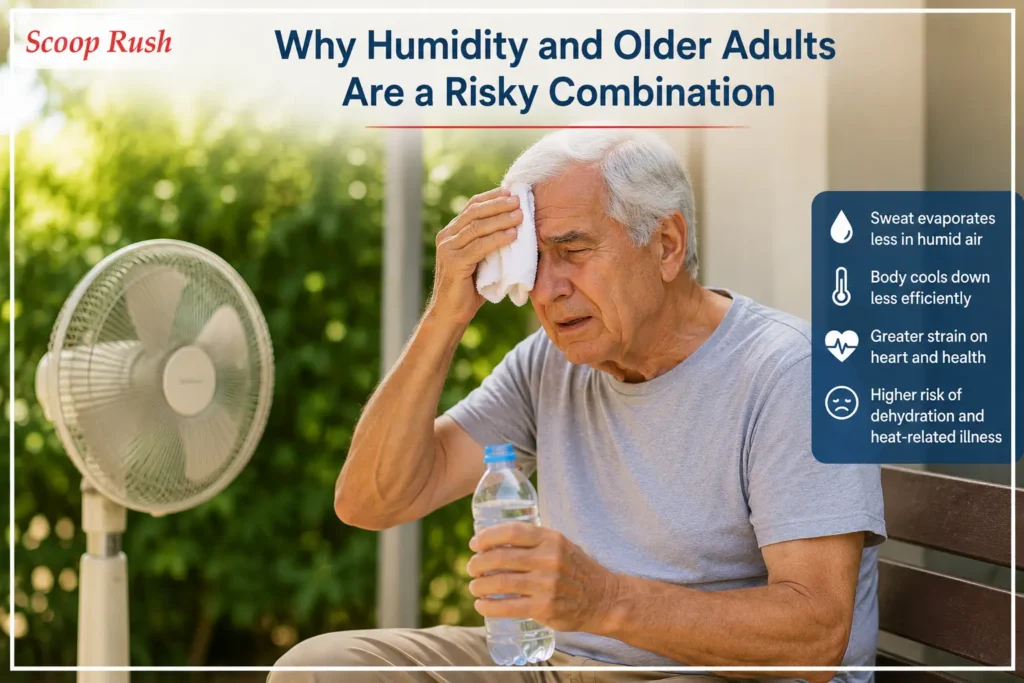
The human body has a built-in cooling system. When body temperature rises, sweat forms on the skin. As that sweat evaporates, it removes heat and helps keep the body cool.
However, humidity interferes with this process.
When there is too much moisture in the air, sweat cannot evaporate efficiently. As a result, the body struggles to release excess heat. This means a person can feel much hotter than the actual air temperature suggests.
For older adults, this challenge is even greater. Aging naturally reduces the body’s ability to regulate temperature. People tend to sweat less as they get older, making it harder to stay cool during hot and humid conditions.
As a result, older adults often face a double burden: reduced sweating and reduced cooling from the sweat they do produce.
How the Aging Body Responds to Heat and Humidity
Hot and humid weather affects everyone. However, older adults face unique challenges because their bodies respond differently to rising temperatures.
Reduced Ability to Cool Down
As people age, the body’s cooling mechanisms become less efficient. Sweat glands become less active, and blood circulation may not respond as quickly to heat.
Consequently, older adults can overheat faster than younger people, even when temperatures do not seem extreme.
In some cases, temperatures that appear manageable can still create serious health risks for seniors, especially those living with chronic medical conditions.
Increased Risk of Dehydration
Dehydration is one of the most common dangers during periods of hot and humid weather.
When the body works harder to cool itself, fluid loss increases. At the same time, many older adults may not feel thirsty even when dehydration is developing.
Certain health conditions can further reduce the body’s ability to recognize thirst, making dehydration more likely.
Common signs of dehydration include:
- Dry mouth
- Dizziness
- Headaches
- Fatigue
- Weakness
- Confusion
Without proper hydration, these symptoms can quickly become more serious. It is also worth noting that taking too many vitamins or supplements without medical guidance can sometimes affect kidney function and fluid balance, adding another layer of risk during hot weather.
Greater Stress on the Heart
Heat places extra demands on the cardiovascular system.
To release heat, the body increases blood flow to the skin. However, this process requires the heart to work harder.
For older adults with heart disease, high blood pressure, or circulation problems, hot and humid weather can increase the risk of serious complications.
In fact, many heat-related medical emergencies are linked to cardiovascular problems rather than heat stroke alone.
Respiratory Problems Can Become Worse
Humidity can also affect breathing.
Hot, humid air often feels heavier and more difficult to breathe. In addition, poor air quality commonly accompanies periods of extreme heat.
For people living with respiratory conditions, this combination can be particularly challenging.
Symptoms may include:
- Shortness of breath
- Wheezing
- Persistent coughing
- Chest tightness
Furthermore, humid environments can encourage the growth of mold, mildew, and other airborne irritants that may worsen breathing difficulties.
The Hidden Impact on Mental Health
The dangers of heat and humidity are not limited to physical health.
Many older adults spend long periods indoors during heat waves to avoid dangerous outdoor conditions. While this can protect them from heat exposure, it may also increase feelings of isolation and loneliness.
Additionally, extreme heat can affect cognitive function.
Older adults may experience:
- Confusion
- Difficulty concentrating
- Increased irritability
- Delirium
- Memory-related challenges
Those living with dementia or other cognitive conditions may have trouble recognizing the risks associated with extreme heat or remembering important safety measures.
Poor sleep can make these issues worse. Hot and humid nights often interfere with rest, leaving people tired and less able to cope with daily activities. Even seemingly simple routines like how often you brush your hair can feel overwhelming when fatigue and heat take a toll on daily energy levels.
Certain Medications Can Increase Heat Sensitivity
Many commonly prescribed medications can make older adults more vulnerable during hot weather.
Some medications reduce the body’s ability to sweat. Others increase the risk of dehydration or affect how the body responds to heat.
Because of this, older adults should pay close attention to how they feel during hot and humid conditions.
Medication storage is another important consideration. Excessive heat may affect the effectiveness of some medications if they are not stored properly.
Keeping medications in a cool, suitable location can help maintain their effectiveness.
Why Heat Risks Are Growing
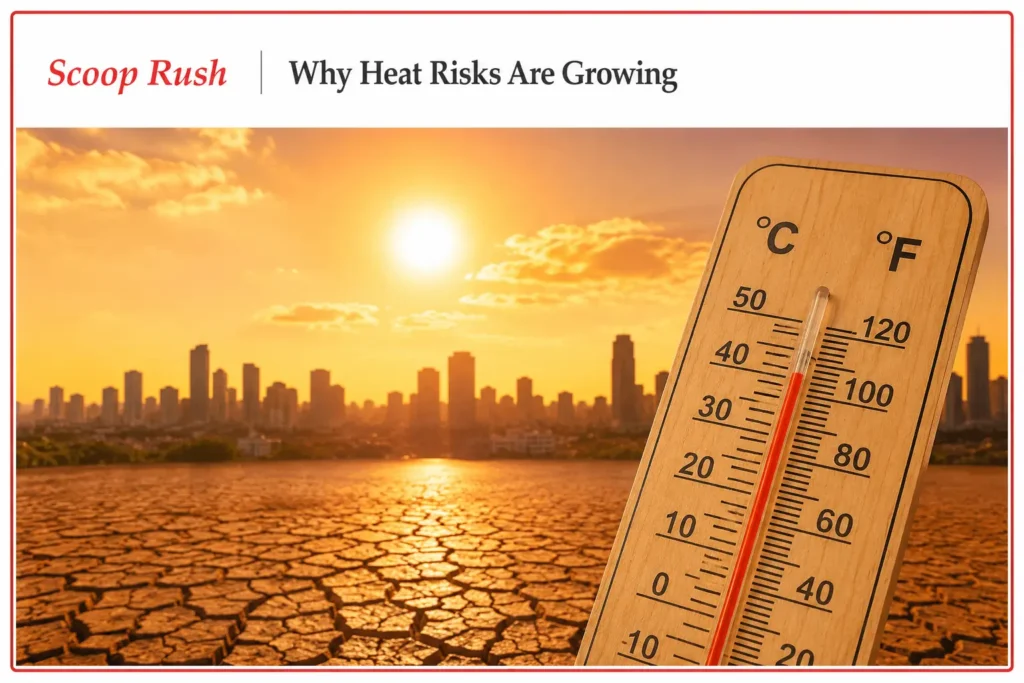
The number of older adults is increasing in many communities. At the same time, hotter summers and more frequent heat waves are becoming a growing concern.
This combination means that more people may be exposed to dangerous heat and humidity in the years ahead.
Historically cooler regions are also experiencing periods of unusually hot weather. Many residents in these areas may not be fully prepared for extended heat events, especially if homes and buildings lack efficient cooling systems.
As a result, heat-related health risks are becoming a concern across a wider range of communities. Younger generations entering the healthcare and caregiving workforce including those drawn to purpose-driven careers with better pay will play an increasingly important role in supporting aging populations through these challenges.
Warning Signs of Heat Exhaustion
Recognizing heat-related illness early can prevent a medical emergency.
Family members and caregivers should watch for symptoms such as:
- Fatigue
- Headache
- Excessive sweating
- Muscle cramps
- Nausea
- Vomiting
- Rapid pulse
- Dizziness
- Confusion
If these symptoms appear, the person should be moved to a cooler environment immediately and encouraged to drink water if appropriate.
Prompt action can help prevent the condition from becoming more severe.
When Heat Stroke Becomes an Emergency
Heat stroke is a life-threatening condition that requires immediate medical attention.
Warning signs may include:
- Very high body temperature
- Hot or unusually red skin
- Strong, rapid heartbeat
- Severe headache
- Fainting
- Seizures
- Loss of consciousness
Emergency medical help should be sought immediately if heat stroke is suspected.
Practical Ways Older Adults Can Stay Safe
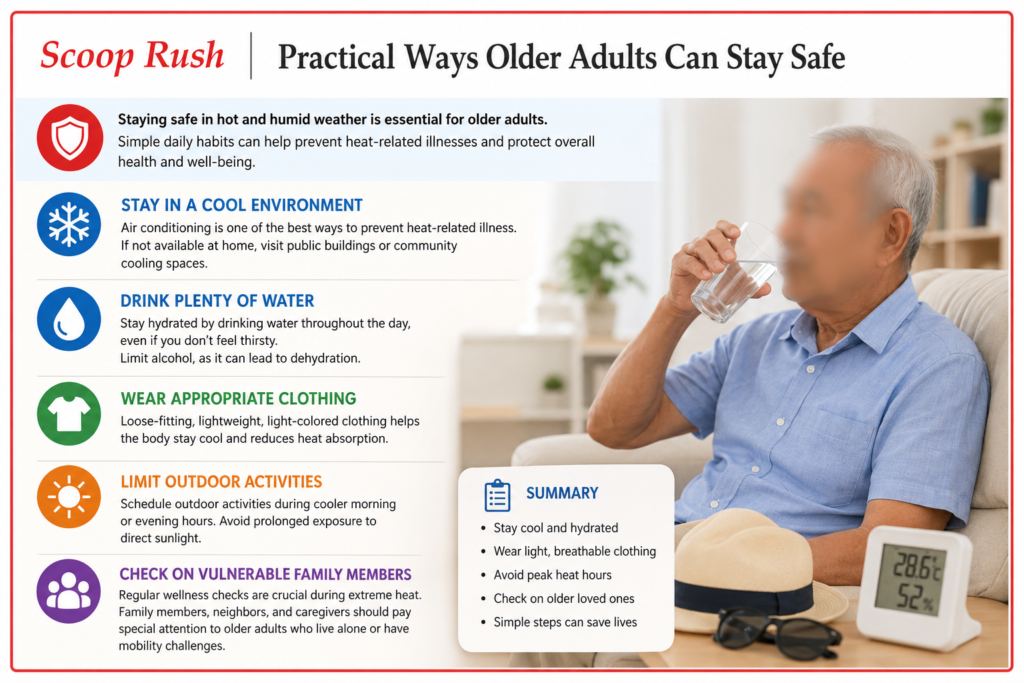
Fortunately, several simple steps can reduce the risks associated with heat and humidity.
Stay in a Cool Environment
Air conditioning remains one of the most effective ways to prevent heat-related illness.
If home cooling is unavailable, spending time in public buildings or community cooling spaces can provide relief.
Drink Plenty of Water
Staying hydrated is essential.
Older adults should drink water regularly throughout the day, even if they do not feel thirsty.
Alcohol should be limited because it can contribute to dehydration.
Wear Appropriate Clothing
Loose-fitting, lightweight clothing can help the body stay cooler.
Light-colored fabrics may also reduce heat absorption when spending time outdoors.
Limit Outdoor Activities
Whenever possible, outdoor activities should be scheduled during cooler morning or evening hours.
Avoiding prolonged exposure to direct sunlight can significantly reduce heat-related risks.
Check on Vulnerable Family Members
Regular wellness checks can make a major difference during periods of extreme weather.
Family members, neighbors, and caregivers should pay special attention to older adults who live alone or have mobility challenges.
Community Support Matters
Individual precautions are important, but community support also plays a critical role.
Accessible cooling centers, transportation assistance, emergency response plans, and public awareness campaigns can help protect vulnerable populations during periods of extreme heat.
Communities that prepare in advance are often better equipped to respond when dangerous weather arrives. Advances in preventive medicine such as the way the HPV vaccine has been shown to reduce cervical cancer deaths remind us how much community-level health awareness can save lives before a crisis develops.
Conclusion
Humidity and heat create a challenging combination for older adults. As the body’s ability to regulate temperature naturally declines with age, hot and humid conditions can increase the risk of dehydration, heart problems, breathing difficulties, confusion, and other serious health concerns.
Understanding these risks is the first step toward prevention. By staying hydrated, keeping cool, recognizing warning signs early, and supporting vulnerable individuals, families and communities can help older adults stay safer during periods of extreme weather.
Taking simple precautions before temperatures rise can help older adults stay safer and avoid heat-related health problems.
FAQs
1. Why is humidity more dangerous for older adults?
Humidity prevents sweat from evaporating properly. Since older adults already sweat less than younger people, their bodies have a harder time cooling down.
2. What health conditions increase heat-related risks?
Heart disease, lung disease, kidney disease, diabetes, dementia, poor circulation, and other chronic health conditions can increase vulnerability during hot and humid weather. Conditions like type 1 diabetes require particularly careful management during extreme heat, as temperature and dehydration can affect blood sugar levels and medication effectiveness.
3. Can humidity affect sleep quality?
Yes. High humidity can make it difficult for the body to cool down at night, leading to restless sleep, fatigue, and reduced daytime energy.
4. What are the first signs of heat exhaustion?
Common signs include dizziness, fatigue, headache, nausea, muscle cramps, excessive sweating, and confusion.
5. How can older adults stay safe during humid weather?
Staying hydrated, using air conditioning, wearing lightweight clothing, limiting outdoor activities during peak heat, and seeking cooler environments can help reduce health risks.

