Home Blog Page 36

Best World Cup Finals Ranked: The 10 Greatest FIFA World Cup Finals Ever

0

Best World Cup Finals Ranked explores the greatest FIFA World Cup finals in football history. What makes a World Cup final truly unforgettable? Is it the goals, the drama, the legendary players, or the historic significance of the occasion? 

The debate has returned once again following another memorable FIFA World Cup. Fans across generations continue to compare iconic finals featuring legends such as Pelé, Diego Maradona, Zinedine Zidane, Lionel Messi, and England’s heroes of 1966. Some finals delivered breathtaking football. Others produced unforgettable storylines that still define football history decades later.

This Best World Cup Finals Ranked guide looks at ten of the greatest FIFA World Cup finals ever played. From Brazil’s dazzling performance in 1970 to Argentina’s dramatic triumph in 2022, each match left a lasting mark on the sport and helped shape the legacy of football’s biggest tournament.

Best World Cup Finals Ranked: Why These Matches Matter

The FIFA World Cup final is football’s ultimate stage. Every player dreams of reaching it. Every nation hopes to witness its team lifting the trophy.

Unlike club competitions, World Cup finals happen only once every four years. Therefore, every final carries enormous pressure and significance. A single goal can define a player’s career. Similarly, one victory can become part of a nation’s identity for generations.

The finals on this list delivered unforgettable moments, iconic performances, and stories that continue to inspire football fans around the world.

10. Brazil 2-0 Germany (2002)

The 2002 World Cup final may not have been the most dramatic match on this list, but it featured one of football’s greatest redemption stories.

Brazil entered the final with a star-studded squad led by Ronaldo, Rivaldo, Ronaldinho, Roberto Carlos, and Cafu. However, the spotlight remained firmly on Ronaldo.

Four years earlier, he experienced heartbreak in the 1998 final against France. Additionally, serious injuries threatened his career in the years that followed.

In Yokohama, Ronaldo completed his remarkable comeback. He scored both goals in Brazil’s 2-0 victory over Germany and secured his place among football’s greatest forwards.

As a result, Brazil claimed another World Cup title, while Ronaldo completed one of the most inspiring comeback stories in tournament history.

9. Italy 1-1 France (Italy Won 5-3 on Penalties) – 2006

The 2006 final is remembered for one moment more than any other.

France took the lead through Zinedine Zidane’s audacious penalty. The French captain produced a delicate Panenka effort that bounced off the crossbar and crossed the line.

However, Italy quickly responded when Marco Materazzi headed home from a corner.

The match remained tense throughout extra time. Then came the moment that shocked the football world.

Zidane was sent off after headbutting Materazzi in what proved to be the final act of his professional career. Consequently, France lost their lead before the penalty shootout.

Italy held their nerve from the spot and secured a memorable World Cup triumph in Berlin.

8. West Germany 2-1 Netherlands (1974)

The Netherlands arrived at the 1974 final as football’s great entertainers.

Led by Johan Cruyff, the Dutch had captivated the world with their revolutionary Total Football system. Many expected them to complete their journey by winning the trophy.

Their confidence seemed justified when Johan Neeskens converted a penalty before West Germany even touched the ball.

Yet the hosts refused to surrender. Paul Breitner equalized from the penalty spot before Gerd Müller scored the decisive goal. Despite their brilliance throughout the tournament, the Dutch could not recover.

Ultimately, West Germany lifted the trophy, while the Netherlands were left wondering what might have been.

7. West Germany 3-2 Hungary (1954)

Few World Cup finals have produced a bigger upset.

Hungary’s famous “Magical Magyars” entered the tournament as overwhelming favorites. They had gone years without defeat and had already beaten West Germany 8-3 earlier in the competition. The final appeared to follow the expected script when Hungary raced into a 2-0 lead within eight minutes.

However, West Germany fought back immediately. The Germans leveled the match and survived wave after wave of Hungarian attacks. Then, with only six minutes remaining, Helmut Rahn scored the winning goal.

The remarkable comeback became known as the “Miracle of Bern” and remains one of football’s most famous victories.

6. Argentina 3-2 West Germany (1986)

Maradona’s World Cup Crown

The 1986 World Cup is often remembered as Diego Maradona’s tournament, and the final helped confirm his legendary status.

Argentina built a commanding 2-0 lead through José Luis Brown and Jorge Valdano. Nevertheless, West Germany staged an impressive comeback. Karl-Heinz Rummenigge reduced the deficit before Rudi Völler equalized from a corner.

Suddenly, the momentum shifted.

Then Maradona produced a moment of brilliance. With six minutes remaining, he delivered a perfect pass that released Jorge Burruchaga behind the German defense. Burruchaga finished calmly, securing a 3-2 victory and completing Argentina’s triumph.

5. France 3-0 Brazil (1998)

France hosted the World Cup in 1998 and carried the hopes of an entire nation. The French squad reflected the country’s diversity and was led by the influential Zinedine Zidane.

Meanwhile, much of the pre-match discussion focused on Brazil superstar Ronaldo. Despite being cleared to play, he struggled to make an impact.

France took full advantage. Zidane scored twice, while Emmanuel Petit added a late third goal. Consequently, France secured their first World Cup title in emphatic fashion.

The victory represented a historic moment for French football and remains one of the country’s greatest sporting achievements.

4. Brazil 5-2 Sweden (1958)

The 1958 final introduced the wider football world to a teenager named Pelé. Although already highly regarded in Brazil, Pelé arrived at the tournament carrying a knee injury. However, once he entered the team, he quickly became the competition’s biggest star.

The 17-year-old scored twice in the final against Sweden as Brazil won 5-2.

His first goal remains one of the finest ever seen in a World Cup final. He controlled the ball brilliantly, lifted it over a defender, and volleyed into the net. Furthermore, Brazil secured their first World Cup title and began a golden era in international football.

3. England 4-2 West Germany After Extra Time (1966)

England’s only World Cup triumph remains one of the nation’s proudest sporting moments. The final at Wembley delivered drama from start to finish.

West Germany struck first through Helmut Haller. England responded with goals from Geoff Hurst and Martin Peters. Yet Wolfgang Weber equalized in the 89th minute to force extra time.

Then came one of football’s most debated goals. Hurst’s powerful effort hit the crossbar and bounced down near the goal line. The goal was awarded, giving England a crucial advantage.

Later, Hurst completed his hat-trick and sealed a famous 4-2 victory. Nearly six decades later, the 1966 final remains a defining chapter in English football history.

2. Argentina 3-3 France (Argentina Won 4-2 on Penalties) – 2022

Why Argentina vs France 2022 Is Among the Best World Cup Finals Ranked

Why Argentina vs France 2022 Is Among the Best World Cup Finals Ranked

Many football fans consider the 2022 World Cup final the most dramatic final ever played. Argentina looked comfortable at 2-0 ahead before Kylian Mbappé changed everything with two goals in less than two minutes.

The match moved into extra time, where Lionel Messi restored Argentina’s lead. However, Mbappé completed his hat-trick and forced penalties.

The tension was extraordinary. Both Messi and Mbappé converted their spot kicks during the shootout. Meanwhile, goalkeeper Emiliano Martínez delivered crucial saves for Argentina.

When the final penalty was scored, Argentina secured their first World Cup title since 1986. Most importantly, Messi finally achieved the one major trophy missing from his remarkable career.

1. Brazil 4-1 Italy (1970)

At the top of the Best World Cup Finals Ranked list stands Brazil’s magnificent victory over Italy in 1970.

Many football historians regard Brazil’s 1970 team as the greatest international side ever assembled. The squad featured Pelé, Jairzinho, Tostão, Rivellino, and several other exceptional talents. Their performance in the final perfectly demonstrated why they remain so highly respected.

Pelé opened the scoring with a powerful header. Italy briefly responded, but Brazil dominated the second half. Goals from Gérson, Jairzinho, and Carlos Alberto completed a stunning victory.

Carlos Alberto’s goal remains one of the greatest team goals ever scored in a World Cup final. The move showcased Brazil’s creativity, skill, and attacking brilliance. As a result, Brazil secured their third World Cup title and permanently kept the Jules Rimet Trophy.

Best World Cup Finals Ranked: What Makes a World Cup Final Truly Great? 

Several factors help separate great finals from ordinary ones. First, unforgettable moments often define these matches. Zidane’s red card, Hurst’s controversial goal, and Messi’s World Cup triumph remain part of football folklore.

Second, legendary players frequently leave their mark. Pelé, Maradona, Ronaldo, Zidane, and Messi all produced memorable performances on football’s biggest stage.

Finally, the emotional significance of the occasion matters. A World Cup final can change how a player, team, or nation is remembered forever.

Conclusion

The history of the FIFA World Cup is filled with extraordinary finals, but some stand above the rest. From the Miracle of Bern in 1954 to Messi’s crowning achievement in 2022, these matches delivered unforgettable drama, legendary performances, and historic moments.

While opinions will always differ, Brazil’s dominant 4-1 victory over Italy in 1970 continues to represent the gold standard for World Cup finals. Meanwhile, Argentina’s dramatic win over France in 2022 showed that football still has the power to create new classics.

Ultimately, every generation has its own favorite final. Best World Cup Finals Ranked remains a useful guide for football fans looking back at the greatest FIFA World Cup finals ever played. That ongoing debate is part of what makes the World Cup the greatest tournament in sport. 

FAQs

1. Which World Cup final is considered the greatest of all time?

Many experts consider Brazil’s 4-1 victory over Italy in the 1970 World Cup final the greatest due to the quality of football and legendary players involved.

2. Why is the 2022 World Cup final so highly rated?

Argentina vs France featured six goals, extra time, a penalty shootout, Lionel Messi, and a hat-trick from Kylian Mbappé, making it one of the most dramatic finals ever.

3. Which player scored a hat-trick in a World Cup final for the winning team?

Geoff Hurst scored a hat-trick for England during their 4-2 victory over West Germany in the 1966 World Cup final.

4. How old was Pelé when he won his first World Cup?

Pelé was 17 years old when Brazil defeated Sweden 5-2 in the 1958 World Cup final.

5. Which World Cup final completed Lionel Messi’s career achievements?

Argentina’s victory over France in the 2022 FIFA World Cup final secured Messi’s first World Cup title.


Italy Lentil Bloom 2026 Paints Castelluccio With Stunning Summer Colors

0

The Italy Lentil Bloom has returned to the plains of Castelluccio di Norcia, creating one of Europe’s most spectacular natural displays. Every summer, the landscape transforms into a colorful patchwork of red, yellow, blue, purple, and white flowers. Thousands of travelers visit this small Umbrian village to witness the famous event known as La Fioritura.

The annual bloom offers more than beautiful scenery. It reflects centuries of traditional farming, supports local businesses, and highlights the resilience of a community rebuilding after the devastating 2016 earthquake.

Italy Lentil Bloom Returns to Umbria in 2026

Italy-Lentil-Bloom-Returns-to-Umbria-in-2026

The Italy Lentil Bloom returns every year between late May and early July. During this period, colorful wildflowers transform the plains surrounding Castelluccio di Norcia into one of Italy’s most spectacular natural attractions.

Unlike a traditional flower festival, the bloom develops naturally through centuries-old farming practices. Local farmers grow lentils using methods that allow wildflowers to flourish alongside the crop.

Castelluccio di Norcia Becomes the Heart of the Italy Lentil Bloom

The famous bloom spreads across three vast plains inside Monti Sibillini National Park. Pian Grande, Pian Piccolo, and Pian Perduto create an unforgettable landscape during the flowering season.

Located about 1,450 meters above sea level, these mountain plains offer fertile soil and cool temperatures. Together, they provide ideal conditions for both lentils and wildflowers to thrive.

Traditional Lentil Farming Creates the Rainbow Landscape

Traditional-Lentil-Farming-Creates-the-Rainbow-Landscape

The colorful scenery does not come from the lentil flowers themselves. The lentil plant produces small white or pale lilac blossoms that many visitors hardly notice.

Instead, lentils naturally enrich the soil with nitrogen while allowing sunlight to reach nearby plants. This process encourages poppies, cornflowers, mustard, and many other wildflowers to bloom across the fields.

Seasonal Wildflowers Transform the Plains Into a Natural Mosaic

The blooming season changes the landscape week by week. Bright yellow wild mustard and rapeseed flowers appear first across the plains.

Soon afterward, vivid red poppies dominate the fields. Blue cornflowers and violet pink roveja flowers complete the colorful display, creating a different pattern every year depending on weather conditions and planting times.

Ancient Geology Makes the Bloom Possible

Ancient-Geology-Makes-the-Bloom-Possible

Thousands of years ago, the three plains formed large glacial lakes. Earthquakes, glaciers, rainfall, and natural erosion gradually drained the water and created fertile land.

Today, the well-drained soil supports healthy crops and native wildflowers. The alpine climate also protects seeds during winter before they bloom together each summer.

Castelluccio’s Story of Hope and Recovery

The hilltop village of Castelluccio di Norcia overlooks the colorful plains. In 2016, a powerful earthquake caused severe damage throughout the village. Many residents relocated while reconstruction slowly began.

Despite these challenges, the annual bloom continues to attract visitors from around the world. Tourism supports local shops, agriturismi, family businesses, and seasonal restaurants. For many residents, the bloom represents hope, resilience, and a brighter future.

The Famous Castelluccio Lentils

The-Famous-Castelluccio-Lentils

After the blooming season ends, farmers harvest the renowned Castelluccio di Norcia lentils between July and August. These lentils received Protected Geographical Indication (IGP) status in 1999.

The lentils remain popular because of their creamy texture, thin skin, and rich flavor. They cook quickly without soaking and keep their shape during cooking, making them a favorite ingredient in Umbrian cuisine.

Traditional Umbrian Dishes Made With the Lentils

Local families often prepare simple lentil soup using onions, carrots, celery, garlic, rosemary, and bay leaves. Fresh extra virgin olive oil adds the finishing touch before serving.

Many restaurants also pair the lentils with traditional Umbrian sausages or toasted country bread. These simple recipes highlight the natural flavor of the locally grown crop.

Best Walking Trails for Viewing the Bloom

Best-Walking-Trails-for-Viewing-the-Bloom

Several marked trails allow visitors to enjoy the scenery without damaging crops. The Anello dei Piani trail circles the edge of Pian Grande and offers wide panoramic views.

The Red Trail climbs nearby hills and provides elevated views of the colorful mosaic below. Another popular stop is the Italy-shaped forest along the SP477 road, which overlooks the plains.

Visitor Rules Help Protect the Bloom

The growing popularity of the Italy Lentil Bloom has increased visitor numbers every year. Local authorities now enforce measures to reduce environmental damage during peak weekends.

Private cars cannot park near the bloom during the busiest periods. Shuttle buses and motorcycles provide easier access. Visitors should also remain on marked paths to protect crops and support local farmers.

Why the Italy Lentil Bloom Is Famous Worldwide

Why-the-Italy-Lentil-Bloom-Is-Famous-Worldwide

The Italy Lentil Bloom combines breathtaking scenery with traditional farming and rich cultural heritage. Few places in Europe offer such a unique blend of agriculture and natural beauty.

Social media has also increased its global popularity. However, responsible tourism remains essential to preserve this extraordinary landscape for future generations.

Final Thoughts

The Italy Lentil Bloom remains one of Italy’s most remarkable natural events. Its vibrant colors, traditional farming methods, and stunning mountain setting attract visitors from across the globe every summer.

Beyond the beautiful views, the bloom tells a powerful story of sustainability, local heritage, and community resilience. Travelers who respect the landscape help preserve this unforgettable experience while supporting the people who call Castelluccio di Norcia home.


FAQs

1. When is the best time to visit the Italy Lentil Bloom?

The best time is from late June to early July. The exact peak changes each year depending on weather conditions and flowering cycles.

2. Why are the fields so colorful?

The bright colors come mainly from wildflowers growing naturally among lentil crops. The lentils improve soil quality, allowing many flower species to flourish.

3. Where is the Italy Lentil Bloom located?

The bloom takes place around Castelluccio di Norcia in Umbria, inside Monti Sibillini National Park on the plains of Pian Grande, Pian Piccolo, and Pian Perduto.

4. Can visitors walk through the flower fields?

No. Visitors should stay on marked paths at all times. Walking into the fields damages crops, harms the fragile ecosystem, and affects local farmers’ livelihoods.

5. What makes Castelluccio di Norcia lentils unique?

These lentils have Protected Geographical Indication (IGP) status. They feature a creamy texture, thin skin, rich flavor, and cook without soaking, making them highly valued in Italian cuisine.

Mayor Mamdani’s Rental Ripoff Report Cracks Down on AI-Altered Apartment Listings

0

Ever scheduled an apartment viewing only to find the sparkling in-unit washer/dryer from the photos doesn’t actually exist? You’re not alone, and New York City’s new Rental Ripoff Report just declared war on the problem.

Mayor Zohran Mamdani unveiled a sweeping set of tenant protections on Thursday as part of his new Rental Ripoff Report. One item stands out for renters tired of dishonest listings: mandatory disclosure of AI-generated apartment images. The announcement came as part of the city’s newly released Rental Ripoff Report. It’s a 23-point policy package born from months of testimony at Mamdani’s Rental Ripoff Hearings. AI-generated content

What the Rental Ripoff Report Actually Covers

What the Rental Ripoff Report Actually Covers

The report is the direct result of Executive Order 8, one of Mamdani’s first actions after taking office. Between February and April, his administration held hearings in all five boroughs and collected testimony from more than 2,400 New Yorkers. People showed up to describe mold that never got treated, pests that never got addressed, and mysterious fees nobody explained.

That feedback shaped the final document. According to the report, pests came up in 16% of testimony, while mold and leaks each accounted for 13%. Tenants also flagged landlord harassment, confusing agency interactions, and surprise utility bills as recurring headaches.

“At Rental Ripoff Hearings across the five boroughs, we heard from thousands of New Yorkers living with mold that was never treated, pests that were never addressed and fees that were never explained,” Mamdani said. He added that the report turns those stories into concrete action.

The plan leans on every lever the city has, including executive action, agency rulemaking, legislation, and litigation. Deputy Mayor for Housing and Planning Leila Bozorg said the goal is a city where every New Yorker can live with dignity, crediting both the tenants who testified and the city staff who ran the hearings.

The AI Disclosure Rule, Explained

Here’s where things get interesting for anyone house-hunting online. New York will now require real estate agents and listing platforms to disclose when rental photos or videos have been digitally altered or generated using AI. Mamdani didn’t hold back when explaining why.

“You shouldn’t have to worry whether the apartment you are viewing online is real,” he said. He then took a direct jab at one of the city’s most popular listing sites, quipping, “It’s called StreetEasy, not StreetHard.”

The Department of Consumer and Worker Protection will coordinate with major platforms, including Zillow and StreetEasy. Together, they’ll enforce what the report calls a “clear and conspicuous disclosure” requirement once it takes effect. A StreetEasy spokesperson responded that the company already expects listings to accurately represent a home, whether AI is involved or not. The spokesperson also encouraged users to report anything that looks misleading.

This isn’t happening in a vacuum.Realtors have reported a rise in what some call “housefishing.” This is where digitally enhanced or AI-generated photos make units look far nicer than reality. California has already implemented similar AI disclosure requirements for real estate listings. So, New York is following a growing national trend rather than inventing the wheel. This concern over AI misuse echoes broader scrutiny across the tech industry. For example, xAI is facing legal action over misuse of its Grok chatbot. Meanwhile, the UK is pushing to tighten child safety rules around big tech platforms.

However, don’t expect this rule to kick in overnight. The city hasn’t set an exact launch date, and the report notes that all 23 initiatives will roll out over the next three years on a staggered schedule.

Beyond AI: Mold, Pests, and Broken Elevators

Beyond AI: Mold, Pests, and Broken Elevators

While the AI disclosure rule is grabbing headlines, it’s just one piece of a much larger puzzle. Mamdani identified pests, mold, and broken elevators as the three biggest complaints the city receives, and he laid out specific fixes for each.


“No longer will landlords be allowed to slap a new coat of paint over a wall of black mold and pretend that the issue is fixed,” Mamdani said during his announcement at the Tenement Museum. The Mayor’s Office to Protect Tenants convened a Legislative Task Force for this. It will study adding financial penalties to the Underlying Conditions Program. This would target landlords who fail to remediate mold.

The city also plans to investigate every heat complaint individually instead of bundling complaints from the same building together. That change alone could speed up response times for tenants stuck in cold apartments during winter months. Additionally, the administration wants to improve response times for elevator outages and let tenants schedule certain building inspections themselves.

Mamdani drew a relatable comparison to make his point.”New Yorkers have been able to schedule food deliveries and the time they pick up their clothes at the dry cleaner for years,” he said. He argued that scheduling a building inspection shouldn’t be harder than ordering dinner.

Recognizing Tenant Unions and Targeting Repeat Offenders

Perhaps the most structurally significant piece of the plan is the legal recognition of tenant unions. This move would expand tenants’ ability to organize and negotiate collectively over building conditions and shared concerns.Cea Weaver, Director of the Mayor’s Office to Protect Tenants, described the moment as a new chapter in tenant power. This power, she said, is now taking hold across New York City.

“By bringing tenants’ voices directly into policy and taking unprecedented steps to facilitate tenant organizing across the city, we are showing what governing with New Yorkers looks like,” Weaver said.

At the same time, the administration wants to modernize how it tracks landlord violations. Currently, property registration remains largely paper-based, and building owners aren’t even required to provide an email address. The report proposes digitizing this system. This way, the city can more easily spot “repeat-offender” landlords. At the same time, it can distinguish them from owners who maintain their properties responsibly. This push toward digital modernization mirrors broader shifts in infrastructure. For example, Nokia’s AI-powered network platform is helping industries move away from outdated systems too.

Weaver made that distinction clear during the hearings. “We know that not every landlord is a bad landlord,” she said, “but we want to be able to find the ones that are.” This balancing act, cracking down on bad actors without punishing responsible property owners, appears throughout the report’s language.

Reactions From City Officials and Tenant Groups

Reactions From City Officials and Tenant Groups

“The response from city agencies and advocacy groups to the Rental Ripoff Report has been largely enthusiastic.”
HPD Commissioner Dina Levy called the testimony a call to action that will significantly advance the department’s mission. Department of Buildings Commissioner Ahmed Tigani said the report gives his agency a blueprint to repair enforcement protocols and close regulatory gaps.

DCWP Commissioner Samuel A.A.Levine connected the AI disclosure rule to the agency’s broader push for transparency. He referenced the FARE Act, which already protects renters from broker fees when a landlord hired the broker. Meanwhile, Christine Clarke of the NYC Commission on Human Rights emphasized that poor housing conditions disproportionately affect communities of color. She framed enforcement as a matter of dignity, not just compliance.

Tenant advocacy organizations echoed similar themes. Sumathy Kumar of the NYS Tenant Bloc called the report evidence of a new era of tenant power.Joanne Grell of Community Action for Safe Apartments said the report’s real value lies in how it’s used going forward. She added that this will help strengthen tenant voices. Julie Xu of CAAAV: Organizing Asian Communities said tenants expect the administration to keep answering to the city’s tenant majority.

Council Member Pierina Sanchez, who chairs the Committee on Housing and Buildings, offered a more measured take. She emphasized that low-income renters, particularly in the Bronx, bear the heaviest burden of poor housing conditions. Sanchez said she looks forward to participating in the Legislative Task Force and pushing priorities like modernizing property registration and reauthorizing J-51, a property tax exemption program tied to housing improvements.

Why This Matters for Renters Right Now

Why This Matters for Renters Right Now

For everyday apartment hunters, the practical impact of this report will unfold gradually. Still, the direction is clear. Tenants can expect greater transparency in online listings, faster responses to heat and elevator complaints, and new legal tools for organizing collectively.

Rental reforms have been central to Mamdani’s platform since his campaign. He previously promised to freeze rent for stabilized apartments, and eligible tenants will see that freeze take effect in October. The Rental Ripoff Report builds on that momentum, extending his housing agenda beyond rent stabilization and into everyday quality-of-life issues like mold, pests, and misleading photos. For renters looking to boost their income while navigating a tough housing market, stories like this mom’s Etsy side hustle earning $10K a month show there are creative ways to stay financially afloat.

As a result, renters searching for their next apartment may soon have a clearer picture of what they’re actually looking at, both online and in person. The rollout will take time, but the direction the city is heading in is unmistakable.

Key Takeaways

New York City’s Rental Ripoff Report introduces 23 policy changes aimed at improving housing conditions and protecting tenants from deceptive practices. The standout provision requires disclosure of AI-altered rental listings, directly targeting the growing “housefishing” trend. Additional measures include legally recognizing tenant unions, modernizing landlord registration systems, and strengthening enforcement against repeat-offender landlords. While full implementation will stretch over three years, the report signals a clear shift toward greater transparency and accountability in New York’s rental market.

FAQs

What is the Rental Ripoff Report?

It’s a 23-point policy package released by Mayor Zohran Mamdani’s administration, based on testimony from over 2,400 New Yorkers collected during hearings held across all five boroughs between February and April 2026.

What does the AI-altered listing disclosure rule require?

Real estate agents and listing platforms like StreetEasy and Zillow will need to clearly disclose when rental photos or videos have been digitally altered or generated using AI, so prospective tenants know what they’re actually viewing.

When will the new rental protections take effect?

There’s no exact date yet. The city says all 23 initiatives will be implemented over the next three years, with launches staggered rather than happening all at once.

Does this policy apply only to StreetEasy and Zillow?

The Department of Consumer and Worker Protection will specifically coordinate enforcement with Zillow and StreetEasy, but the disclosure requirement is intended to apply broadly to misleading rental listings across the market.

What other tenant protections are included in the report?

Beyond AI disclosures, the report includes legal recognition of tenant unions, individual investigation of every heat complaint, faster elevator outage responses, tenant-scheduled inspections, and stronger enforcement tools against repeat-offender landlords.

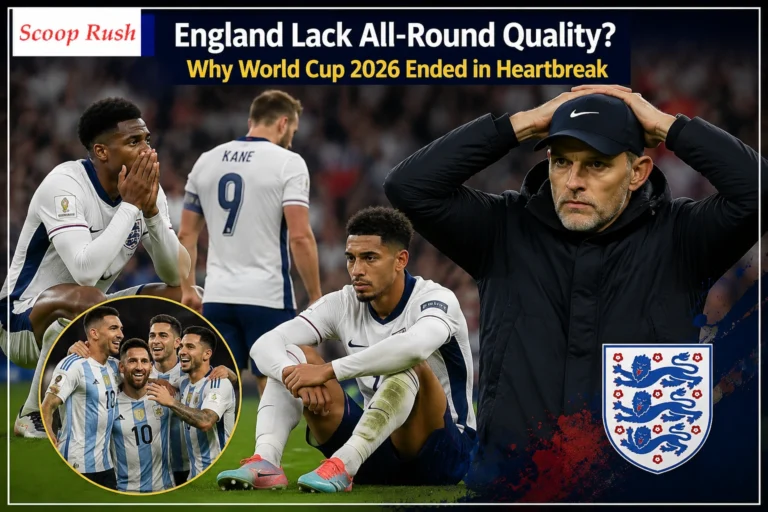
England Lack All-Round Quality? Why World Cup 2026 Ended in Heartbreak

0

England were only minutes away from reaching their first men’s World Cup final since 1966. Instead, a late collapse against Argentina turned hope into heartbreak and reignited a familiar debate: do England lack all-round quality when facing the world’s best teams?

That question has become one of the biggest talking points following England’s 2-1 semi-final defeat to Argentina at the FIFA World Cup 2026. Despite showing determination, resilience, and character throughout the tournament, England once again fell short at the decisive moment.

The result matters because it extends a long run of near misses in major tournaments. England have now added another painful chapter to a list that already includes the 2018 World Cup semi-final defeat and consecutive European Championship final losses.

While effort and spirit remain strengths of this team, the latest defeat has raised serious questions about whether those qualities alone are enough to win the biggest prizes in international football.

England Lack All-Round Quality: The Debate After Argentina Defeat

The discussion gained momentum after head coach Thomas Tuchel openly praised England’s mentality while questioning aspects of their overall quality.

Tuchel had already expressed concerns following the quarter-final victory against Norway. Although England won that match 2-1, he was not fully satisfied with the performance.

After the defeat to Argentina, those concerns appeared even more significant.

England reached the semi-finals, which many would consider a respectable achievement. However, the manner of the defeat highlighted problems that had appeared throughout the tournament.

The team often relied on individual brilliance rather than sustained control of matches. As a result, England struggled to impose themselves against stronger opponents.

That issue became especially clear during the semi-final.

England’s Tournament Was Driven by Two World-Class Stars

Much of England’s success at the World Cup came from two exceptional players: captain Harry Kane and Jude Bellingham. The pair carried a huge attacking burden.

Between them, Kane and Bellingham scored 12 of England’s 14 goals during the tournament. Kane scored six goals, while Bellingham matched that total with six of his own.

Only Marcus Rashford and Anthony Gordon contributed the other goals. Those numbers reveal how heavily England depended on their two biggest stars.

When England needed a rescue act against DR Congo in the Round of 32, Kane delivered with a late double. Later, when Norway threatened to eliminate England in the quarter-finals, Bellingham scored twice to keep their World Cup dream alive.

Therefore, England’s progress often came through decisive moments from elite individuals rather than complete team performances.

Injuries and Illness Created Additional Challenges

England also faced setbacks away from the spotlight. Arsenal teammates Declan Rice and Bukayo Saka dealt with illness and injury concerns during the tournament.

Both players were expected to play major roles in Tuchel’s plans.

Their reduced effectiveness affected England’s balance and consistency. Consequently, the team struggled to perform at its highest level during key stages of the competition.

Even so, injuries alone cannot explain the defeat to Argentina. The broader concerns about England’s style and quality remain.

Why England Struggled to Control Big Matches

One of the strongest criticisms of England’s campaign involved their inability to dominate possession against elite opponents.

According to Tuchel, controlling the ball plays a crucial role in modern international football. However, England often found themselves reacting rather than dictating.

The manager suggested England do not naturally possess the same possession-based identity associated with countries such as Argentina, Spain, or Brazil.

That difference became increasingly noticeable as the tournament progressed.

A Lack of Control in Crucial Moments

England frequently survived difficult periods rather than controlling games from start to finish.

For example, they were close to elimination against DR Congo before Kane’s intervention changed the outcome.

Similarly, they needed Bellingham’s brilliance to overcome Norway. These moments demonstrated England’s resilience. However, they also highlighted a recurring weakness.

The team struggled to manage matches through sustained possession and control. Against the strongest opponents, that limitation can become decisive.

The Semi-Final Against Argentina Exposed England’s Biggest Weakness

The Semi-Final Against Argentina Exposed England's Biggest Weakness

The defeat to Argentina may ultimately define England’s World Cup campaign. England took the lead through Anthony Gordon after 55 minutes and appeared to be in a strong position.

Yet the game gradually shifted. Argentina gained momentum while England retreated deeper and deeper.

One statistic from the match has attracted particular attention. England reportedly had only 12% possession between Gordon’s goal and Argentina’s winning goal in stoppage time.

That figure illustrates how difficult England found it to retain control once they moved ahead.

Rather than managing possession and reducing pressure, England spent long periods defending. Eventually, Argentina punished them.

The Influence of Lionel Messi and Argentina’s Winning Mentality

Argentina’s success was not based solely on tactics. The team also possessed experience, belief, and elite quality.

Furthermore, they continued to benefit from the influence of Lionel Messi. The article points to Argentina’s determination and refusal to accept defeat as major strengths.

When combined with world-class talent, those qualities helped them overturn England’s lead and secure a place in the final. England showed courage. Argentina showed quality and control when it mattered most.

How England Compare With the World’s Best Teams

Another important theme emerging from the tournament is the comparison between England and the other leading football nations.

England possess talented players throughout the squad. However, the argument is that they lack the same level of elite quality across every position.

The article specifically compares England with Spain and France. European champions Spain are known for their technical excellence and ability to dominate possession.

Meanwhile, France possesses an outstanding collection of attacking talent.

England has excellent individuals. Yet they may not have the same concentration of world-class players throughout the entire team.

That difference becomes increasingly important in World Cup semi-finals and finals. Margins are small at that level. Often, one moment of brilliance decides everything.

Tuchel’s Tactical Approach Under Scrutiny

When Tuchel became England manager, many believed he would provide the final piece needed to win a major tournament.

He arrived with a reputation as an elite coach capable of making difficult tactical decisions under pressure. The expectation was that he would take England beyond the achievements of his predecessor, Gareth Southgate.

Instead, questions are now being asked about Tuchel’s own approach.

Did England Become Too Defensive?

Critics argue England became too cautious after taking the lead against Argentina. Rather than continuing to attack, they gradually retreated.

As a result, Argentina controlled more of the game during the closing stages. This criticism is particularly notable because Tuchel was expected to introduce a more adventurous style.

Many supporters believed he would move England away from conservative football. However, the semi-final saw England adopt a defensive posture that invited pressure. Ultimately, Argentina took advantage.

Squad Selection Questions Have Re-Emerged

Another talking point concerns the players who were not part of Tuchel’s plans. The manager chose a pragmatic squad rather than selecting every available creative talent.

Several notable names remained outside the picture.

Players Who Could Have Offered Something Different

Trent Alexander-Arnold was no longer in contention before the squad announcement. Meanwhile, Cole Palmer and Phil Foden were left out after difficult club seasons.

Additionally, Morgan Gibbs-White was overlooked despite strong performances for Nottingham Forest.

The article also highlights Adam Wharton as a player capable of helping England retain possession and control matches. Wharton had only four international caps but impressed with his maturity and passing ability.

Whether those players would have changed England’s fate is impossible to know. Nevertheless, their absence has become part of the debate surrounding the team’s shortcomings.

The Midfield Conundrum England Must Solve

England’s midfield remains one of the most complex issues facing Tuchel. Rice and Elliot Anderson provide energy, defensive security, and work rate.

Bellingham offers creativity, leadership, and goal-scoring ability. On paper, it appears to be a strong combination. Yet England still struggles to dictate matches consistently against top-level opponents. This creates a difficult challenge for the coaching staff.

The current structure provides balance and physicality. However, it may not provide enough control against the very best teams. Finding that missing element could become a priority before England’s next major tournament.

What England Did Well at the World Cup

Despite the disappointment, England’s campaign should not be viewed entirely negatively. Reaching the semi-finals remains a significant achievement.

The team demonstrated resilience on multiple occasions. They fought back from difficult situations.

They won high-pressure knockout matches. They also produced one of their most memorable World Cup victories by defeating Mexico in Mexico City.

Furthermore, Kane and Bellingham confirmed their status among the world’s leading players. England’s mentality, determination, and competitive spirit were evident throughout the tournament.

Those qualities remain valuable foundations for future success. The problem is that mentality alone rarely wins World Cups.

What Comes Next for England?

The Football Association now faces important questions. England have experimented with different managers, different tactical approaches, and different player combinations.

Southgate guided the team to major finals and a World Cup semi-final. Tuchel was expected to push them over the line. Instead, England suffered another painful elimination.

The challenge now is finding a way to combine mentality, talent, and tactical control. England already possesses the spirit. They already possess world-class individuals.

However, the latest World Cup suggests they still need more balance, creativity, and control if they are to defeat the strongest nations consistently.

Conclusion

The debate over whether England lacks all-round quality is unlikely to disappear anytime soon.

England’s run to the World Cup semi-finals demonstrated courage, resilience, and determination. However, the defeat to Argentina exposed concerns that appeared throughout the tournament.

Too often, England relied on Kane and Bellingham to rescue difficult situations. Too often, they struggled to control possession against quality opponents.

Tuchel’s side showed heart, but major tournaments are usually decided by more than heart alone.

As a result, England must find a way to add greater control, creativity, and depth to their game. Until they do, the painful label of a team that comes close but falls short may continue to follow them.

FAQs

1. Why are people saying England lacks all-round quality?

Many critics believe England rely too heavily on a few star players and struggle to control matches against elite opponents.

2. Who were England’s best players at the World Cup 2026?

Harry Kane and Jude Bellingham were England’s standout performers, scoring 12 of the team’s 14 tournament goals.

3. What did Thomas Tuchel say about England’s style of play?

Tuchel suggested England do not naturally possess the same ball-control identity associated with teams such as Argentina, Spain, and Brazil.

4. Why was the Argentina defeat so disappointing for England?

England led the semi-final before conceding late goals, missing the chance to reach their first men’s World Cup final since 1966.

5. What is England’s biggest challenge moving forward?

England must improve their ability to control possession and dictate matches against top-level international opponents while maintaining their strong mentality.

Nokia AI-RAN Platform: Can NVIDIA-Powered Radio Really Double Network Capacity by 2028?

0

Introduction

What if your phone network could double its capacity overnight, without a single new cable, tower, or slice of spectrum? That is exactly what Nokia is now promising with its new AI-RAN platform, and the claim has the telecom industry paying close attention. On July 15, 2026, Nokia announced what it calls the industry’s first commercial AI-native radio access network platform, built in partnership with NVIDIA. The launch matters because it could reshape how mobile operators deliver faster, more reliable service, especially as data demand keeps climbing every year. For everyday users, this could eventually mean fewer dropped calls, faster downloads, and better coverage in crowded areas, all without operators needing to dig up more radio spectrum.

This Nokia AI-RAN platform arrives at a critical moment for the Finnish telecom giant. Radio has been the company’s weakest business segment for years, and this launch represents a genuine attempt at a turnaround. However, the story is more layered than the headlines suggest, and it is worth understanding both the promise and the fine print.

What Is the Nokia AI-RAN Platform?

What Is the Nokia AI-RAN Platform?

Nokia’s AI-RAN platform combines the company’s anyRAN software with NVIDIA’s Aerial AI-RAN system. Together, they aim to help mobile operators pull significantly more performance out of the spectrum and radio equipment they already own. Instead of forcing operators into expensive hardware upgrade cycles, the platform works through a software subscription model.

The numbers behind the announcement are bold. Nokia says the platform has already demonstrated more than 20% spectral efficiency gains through AI-driven radio improvements. The company is targeting 50% gains by 2027 and more than 100% by 2028. If that final target holds, operators could effectively double the capacity of their existing spectrum without adding new frequencies.

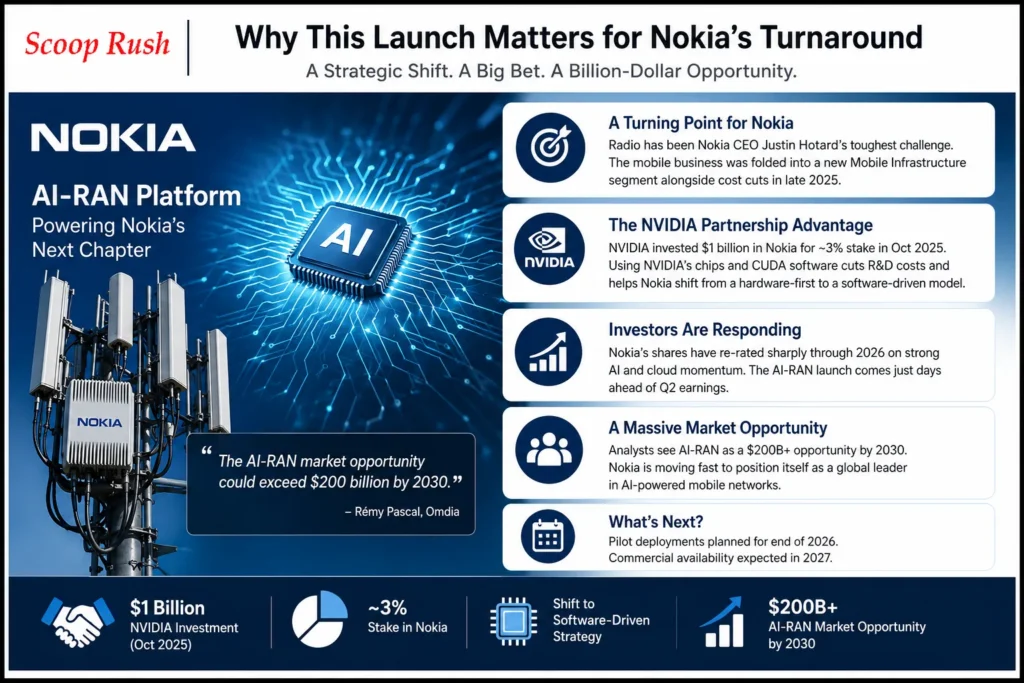
It is important to note that the 50% and 100% figures are targets, not confirmed results. Nokia’s own timeline places pilot deployments at the end of 2026, with commercial availability arriving in 2027. Therefore, the full performance picture will only become clear once real-world deployments begin.

Three Ways Operators Can Adopt the Platform

Nokia is offering operators flexibility in how they roll out the technology. There are three deployment paths:

A GPU-powered plug-in card that fits into existing AirScale base stations, allowing operators to upgrade current infrastructure rather than replace it. A standalone AI-RAN node designed for operators who want maximum flexibility across different network environments. A cloud-native server option delivered through ecosystem partners, aimed at operators embracing cloud-based network architecture.

This approach lets telecom providers modernize at their own pace, choosing the option that best matches their existing infrastructure and long-term strategy.

Why This Launch Matters for Nokia’s Turnaround

Why This Launch Matters for Nokia's Turnaround

To understand why this announcement carries weight, you have to look at Nokia’s recent struggles. Radio has been CEO Justin Hotard’s toughest challenge since he took the helm in 2025. At Nokia’s November capital markets day, Hotard told investors the mobile business had not delivered acceptable returns, prompting him to fold it into a new Mobile Infrastructure segment alongside further cost cuts.

The NVIDIA partnership sits at the center of this recovery effort. NVIDIA invested $1 billion in Nokia in October 2025 for roughly a 3% stake in the company. By building on NVIDIA’s chips and CUDA software instead of developing its own custom silicon, Nokia can reduce costly in-house research spending and redirect resources toward software development. Hotard has described this as a shift away from Nokia’s traditional hardware-first business model. This kind of bold strategic pivot echoes moves elsewhere in big tech, like SpaceX’s historic IPO push toward Elon Musk’s trillionaire status.

Investors have responded positively to this strategy. Nokia’s shares have re-rated sharply through 2026, driven largely by growing confidence in its AI and cloud momentum. The AI-RAN announcement landed just days ahead of Nokia’s second-quarter earnings results, adding further weight to the moment.

Industry analysts also see genuine opportunity here. Omdia’s Rémy Pascal, quoted in Nokia’s own announcement, estimated the cumulative AI-RAN market opportunity could exceed $200 billion by 2030. That is a massive addressable market, and it explains why Nokia is moving quickly to stake its claim.

Is Nokia Really First? The Ericsson Question

Is Nokia Really First? The Ericsson Question

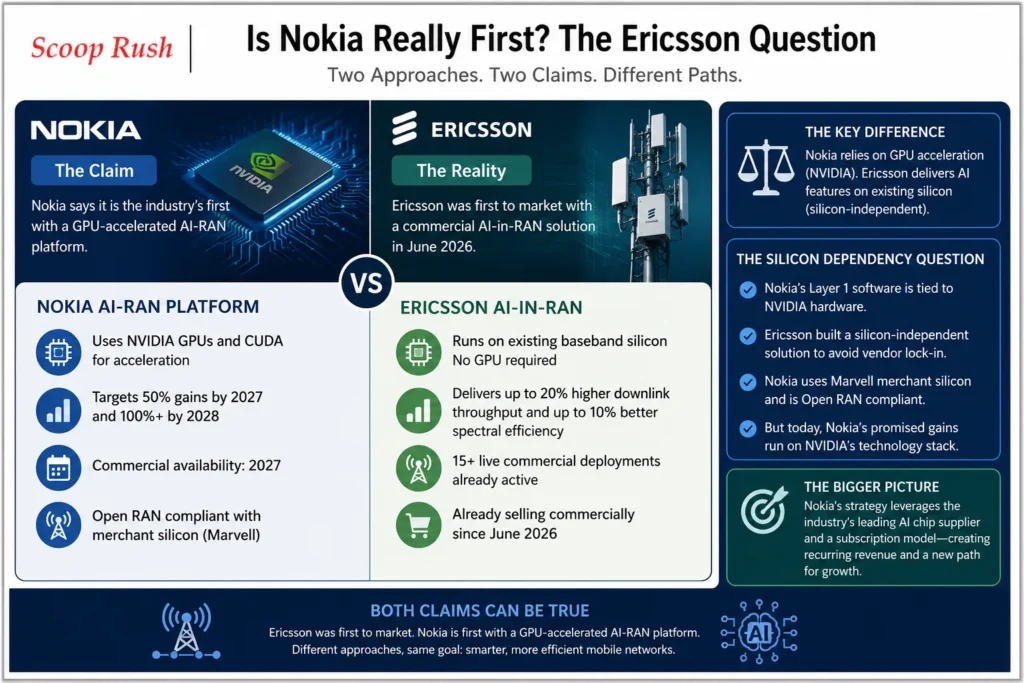
Nokia’s marketing leans heavily on the phrase “industry’s first.” However, this claim deserves closer scrutiny. In June 2026, Ericsson began selling its own commercial AI-in-RAN software subscription. Ericsson says its solution delivers up to 20% higher downlink throughput and up to 10% better spectral efficiency, and it is already running across more than 15 live deployments.

Here is the key difference: Ericsson’s solution runs on operators’ existing baseband silicon and requires no GPU at all. Meanwhile, Nokia’s platform depends specifically on GPU acceleration through NVIDIA’s hardware and software stack.

So when Nokia says it is first, it is referring narrowly to being first with a GPU-accelerated AI-RAN platform, which is a different technical approach than layering AI features onto existing baseband chips. Both companies’ claims can technically be true at the same time, which is exactly why the framing matters. Ericsson, notably, is already selling its solution commercially, while Nokia’s platform will not be commercially available until 2027.

The Silicon Dependency Question

The differences between Nokia and Ericsson go deeper than just timing. Nokia’s chief technology officer, Pallavi Mahajan, has acknowledged that at least some of the platform’s Layer 1 software is tied to the underlying NVIDIA hardware. Ericsson, by contrast, deliberately built its AI features to remain silicon-independent, avoiding that kind of vendor dependency altogether.

Nokia does point to merchant silicon from Marvell as part of its broader ecosystem, and it describes the entire platform as Open RAN compliant. Even so, the actual performance gains Nokia is promising currently run through NVIDIA’s technology stack. As of now, no equivalent alternative exists for delivering those same spectral efficiency numbers outside of NVIDIA’s system. In other words, the platform’s messaging emphasizes openness, while its underlying engineering leans heavily on a single powerful partner.

None of this necessarily makes Nokia’s strategy a mistake. Relying on the industry’s leading AI chip supplier is a reasonable way to solve a problem Nokia had struggled to fix independently for years. Additionally, the subscription-based model gives Nokia’s radio business the kind of recurring revenue that traditional hardware sales cycles never provided.

What This Means for the Future of Mobile Networks

What This Means for the Future of Mobile Networks

AI-RAN technology represents a broader shift happening across the telecom industry. As mobile networks increasingly need to handle AI-driven workloads themselves, radio infrastructure is evolving from simple hardware into something closer to distributed computing systems. NVIDIA’s Jensen Huang described this as transforming the radio access network into what he called a planet-scale AI computer, one that could also lay groundwork for future 6G services. Just as AI is reshaping physical networks, it is also reshaping consumer tools, from Meta’s new Muse Image feature to smarter public services like NHS AI tools aimed at cutting waiting times.

For operators, the appeal is straightforward. Instead of waiting years for the next major hardware refresh, they can continuously improve network performance through software updates. This could translate into faster rollouts of new features, better handling of network congestion, and improved economics across the board.

For everyday consumers, the benefits may take longer to materialize but could eventually include more consistent coverage during high-traffic events, improved data speeds in crowded urban areas, and networks that adapt more intelligently to real-time demand. Reliable connectivity also matters in moments of disruption, as seen when WhatsApp, Facebook, and Instagram went down for thousands of users worldwide during a recent outage.

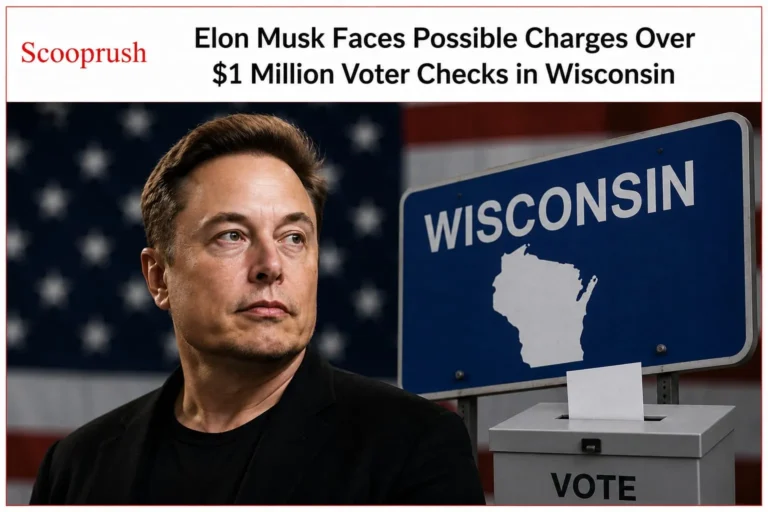
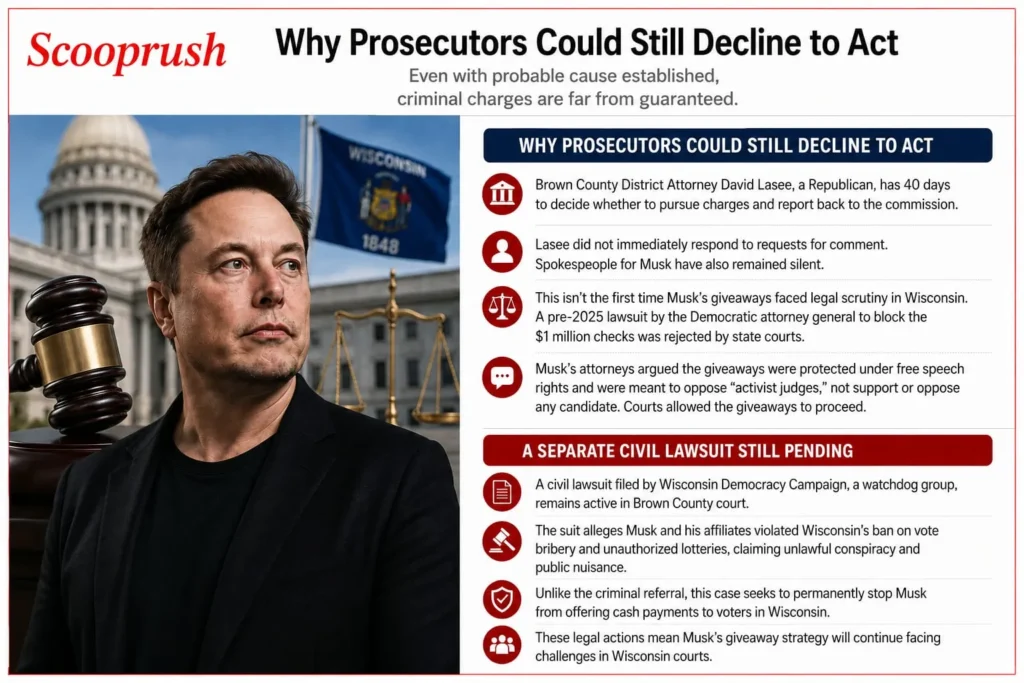
As networks grow smarter and more AI-driven, questions around safety and oversight also grow louder. Regulators are already paying close attention, as shown by the UK’s threats to penalize Big Tech over child safety features and xAI’s lawsuit against a Grok user over sexual deepfakes involving minors. Even legal battles tied to Musk’s businesses, like the $1 million checks controversy tied to Wisconsin law, show how deeply intertwined tech infrastructure and regulation have become.

Final Takeaways

Nokia’s AI-RAN platform represents a genuine and ambitious step forward, built on a partnership with NVIDIA that could reshape how radio networks operate. Nokia has already shown real efficiency gains and it has an aggressive roadmap targeting even bigger improvements through 2028. However, the platform is not yet commercially available, its most impressive numbers remain projections rather than proven results, and Ericsson reached the commercial AI-RAN market first through a different technical approach.

Ultimately, Nokia’s future in this space is now closely tied to NVIDIA’s technology. Whether that dependency proves to be a smart strategic bet or a long-term risk will become clearer once pilot deployments begin later this year and commercial rollouts follow in 2027.

FAQs

Q1: What is Nokia’s AI-RAN platform?

A1: Nokia’s AI-RAN platform is a radio network system built on Nokia’s anyRAN software and NVIDIA’s Aerial AI-RAN technology. It uses AI and GPU acceleration to help mobile operators get significantly more capacity from the spectrum they already own, without needing new hardware installations.

Q2: When will Nokia’s AI-RAN platform be available?

A2: Pilot deployments are scheduled to begin at the end of 2026. Commercial availability is expected to follow in 2027, according to Nokia’s own timeline.

Q3: Is Nokia’s AI-RAN platform really the industry’s first?

A3: Nokia claims to be first with a GPU-accelerated AI-RAN platform specifically. However, Ericsson launched its own commercial AI-in-RAN software subscription in June 2026, which runs on existing baseband silicon without requiring GPUs. Both claims can be accurate depending on how “first” is defined.

Q4: How much will Nokia’s AI-RAN platform improve network capacity?

A4: Nokia says it has already achieved more than 20% spectral efficiency gains. The company is targeting 50% gains by 2027 and over 100% by 2028, which would effectively double existing spectrum capacity if the targets are met.

Q5: Does Nokia’s AI-RAN platform depend on NVIDIA hardware?

A5: Yes, at least partially. Nokia’s chief technology officer has confirmed that some of the platform’s Layer 1 software is tied to NVIDIA’s underlying hardware, meaning the headline performance gains currently rely on NVIDIA’s technology stack.

US Iran Strikes Escalate After Strait of Hormuz Tanker Attacks

0

July 16, 2026

The US Iran strikes have entered another dangerous stage after fresh military action across Iran. The United States launched new attacks following tanker incidents in the Strait of Hormuz. Iran quickly responded with missile and drone strikes against US military facilities in Kuwait, Bahrain, and Jordan. The renewed conflict has increased fears of a wider regional war.

US Iran Strikes Target Military Sites Across Iran

US-Iran-Strikes-Target-Military-Sites-Across-Iran

The United States carried out another wave of air and missile strikes across several parts of Iran. US Central Command said the attacks focused on command centers, missile launch sites, air defense systems, drone facilities, and coastal surveillance positions.

Iranian media reported explosions near Tehran, Bandar Abbas, Qeshm Island, Chabahar, and Semnan Province. The strikes marked another major escalation after previous military operations earlier this month.

US Iran Strikes Expand Naval Operations

The United States also strengthened its naval operations around Iran. Officials announced the return of a naval blockade aimed at restricting shipping linked to Iranian ports. Washington said the move would protect commercial vessels and maintain security in the Gulf.

US officials also claimed they struck a Curaçao flagged oil tanker after it ignored repeated warnings. According to American authorities, the vessel continued moving toward Iranian waters despite several alerts.

Iran Launches Retaliatory Missile and Drone Attacks

Iran-Launches-Retaliatory-Missile-and-Drone-Attacks

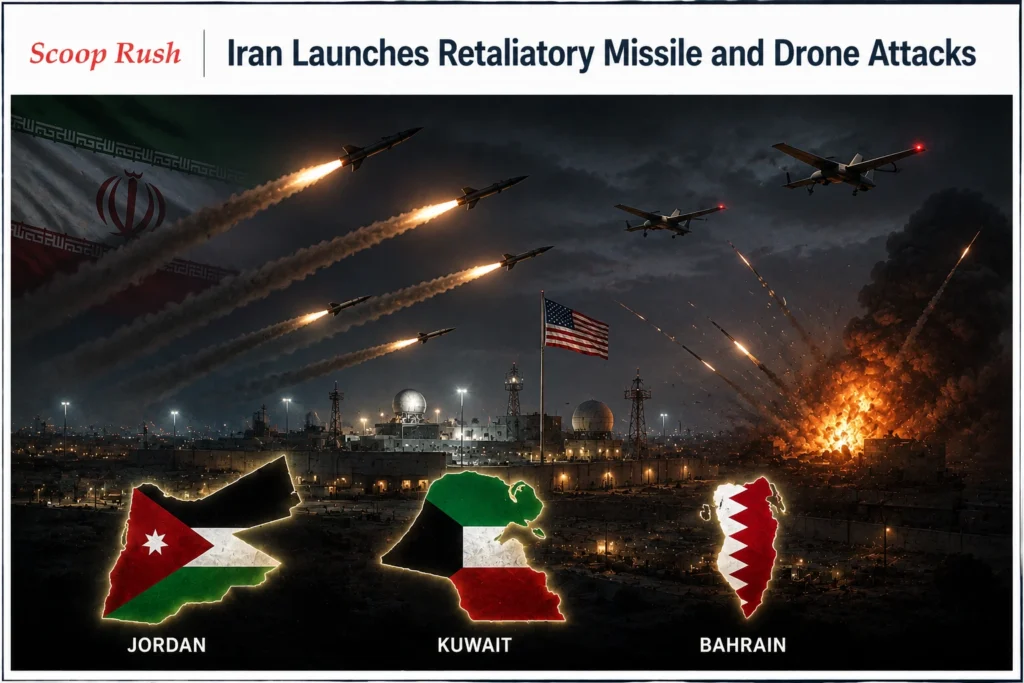
Iran responded with missile and drone attacks against US military facilities across the Gulf region. Iranian military officials said they targeted radar systems, fuel storage areas, air defense units, and military infrastructure.

The attacks reached US facilities in Jordan, Kuwait, and Bahrain. Iran also warned that further American military action would trigger more attacks against regional infrastructure.

Gulf Countries Activate Air Defenses

Several Gulf nations immediately increased their security measures. Kuwait confirmed that its air defense systems intercepted hostile drones after Iranian attacks. Bahrain also activated warning systems as missiles approached the country.

Regional governments continued monitoring the security situation throughout the day. Military forces remained on high alert as fears of additional strikes increased.

Strait of Hormuz Tanker Attacks Raise Global Concerns

Strait-of-Hormuz-Tanker-Attacks-Raise-Global-Concerns

The Strait of Hormuz remains the center of the latest crisis. Several commercial vessels reported damage during recent attacks near the strategic waterway. The United Arab Emirates said Iranian missiles struck two tankers in Omani waters, killing one crew member.

Earlier incidents also involved Saudi, Qatari, and other commercial vessels crossing the Strait. Shipping companies now face growing risks while operating in one of the world’s busiest energy routes.

Oil Markets React to US Iran Strikes

Global energy markets responded immediately after news of the renewed conflict. Oil prices climbed sharply as investors worried about disruptions to supplies passing through the Strait of Hormuz.

Energy analysts warned that any long-term disruption could increase transportation costs worldwide. Higher fuel prices may also affect food supplies and international trade if tensions continue.

Regional Conflict Continues to Spread

Regional-Conflict-Continues-to-Spread

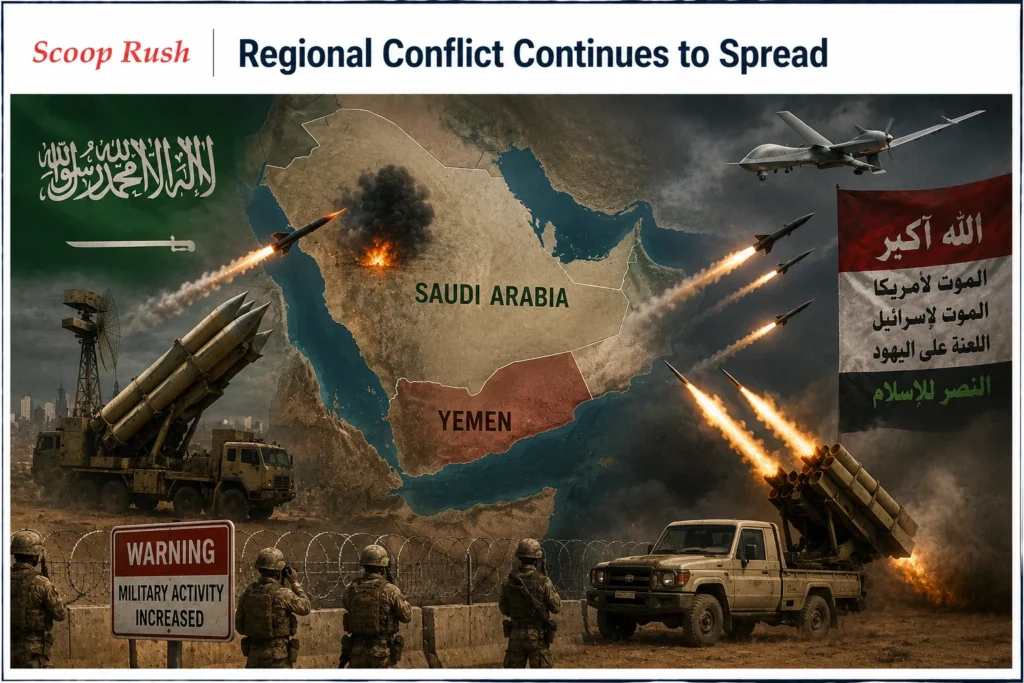
The latest fighting has expanded beyond Iran and the United States. Saudi Arabia and Yemen’s Iran-backed Houthi movement exchanged fresh attacks after months of reduced hostilities.

Military activity across the Gulf has increased pressure on neighboring countries. Governments continue strengthening border security and monitoring possible threats.

Diplomatic Efforts Face New Challenges

Recent military action has slowed diplomatic efforts between Washington and Tehran. Previous negotiations aimed to strengthen a temporary agreement reached earlier this year.

Both governments now accuse each other of violating earlier commitments. As a result, prospects for renewed negotiations remain uncertain while military operations continue.

Global Leaders Monitor the Crisis

Global-Leaders-Monitor-the-Crisis

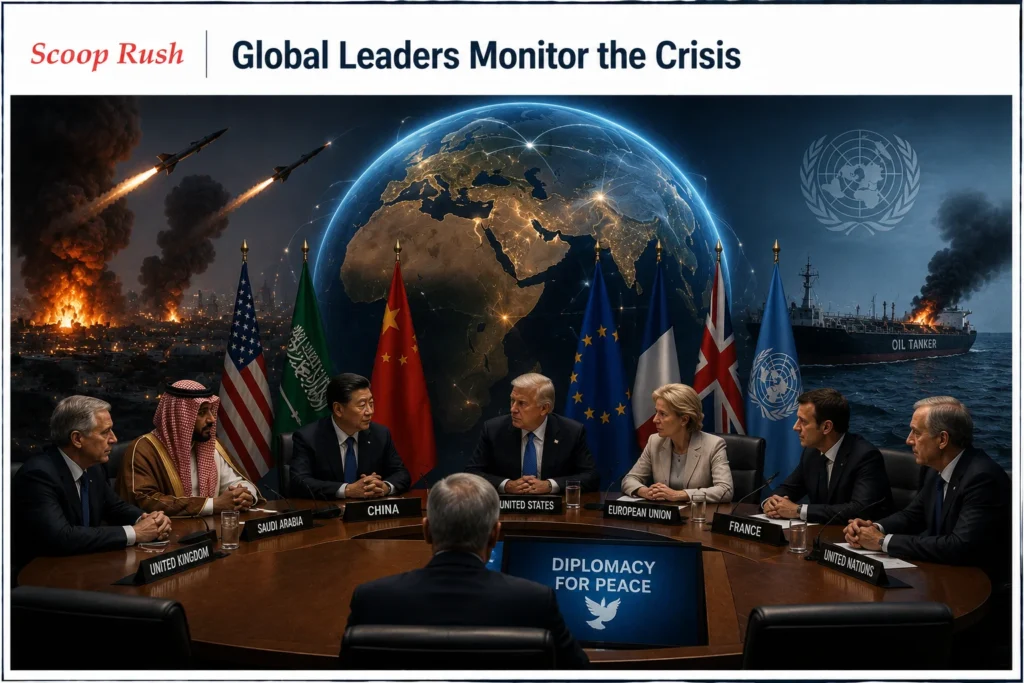
Several international leaders have called for restraint as tensions continue rising. Many governments fear that further escalation could threaten global energy supplies and regional stability.

Diplomatic channels remain open despite ongoing military action. However, experts believe rebuilding trust between both sides will take significant time.

What Happens Next After US Iran Strikes?

Military operations remain active across several areas of the Gulf region. Security officials continue monitoring shipping lanes, military bases, and strategic infrastructure.

The coming days will determine whether diplomacy returns or fighting expands further. Many countries now hope both sides avoid actions that could trigger a broader regional conflict.

Conclusion

The latest US Iran strikes have pushed Middle East tensions to one of their highest levels in recent years. Military action, tanker attacks, and regional retaliation continue increasing uncertainty across the Gulf. The Strait of Hormuz remains a critical global shipping route, making every development important for international security and energy markets.

FAQs

1. Why did the United States launch new strikes on Iran?

The United States said it targeted Iranian military facilities after attacks on commercial tankers in the Strait of Hormuz. Washington stated that the strikes aimed to reduce threats against international shipping and regional security.

2. Which US military bases did Iran target?

Iran launched missiles and drones toward US military facilities in Jordan, Kuwait, and Bahrain. Iranian officials claimed they targeted radar systems, fuel storage sites, and air defense infrastructure.

3. Why is the Strait of Hormuz so important?

The Strait of Hormuz is one of the world’s busiest oil shipping routes. A large percentage of global crude oil exports passes through this narrow waterway. Any disruption can quickly affect energy prices worldwide.

4. How have the latest US Iran strikes affected oil prices?

Oil prices increased after the latest military action because traders fear disruptions to global energy supplies. Continued conflict around the Strait of Hormuz could keep oil markets under pressure.

5. Is there still a chance for diplomacy between the US and Iran?

Diplomatic efforts have slowed because both countries accuse each other of violating previous agreements. However, international leaders continue encouraging dialogue to prevent a larger regional conflict.

Elon Musk’s xAI Sues Grok User Over Sexual Deepfakes of Minors

0

Introduction

Can an AI company sue its own user? In a rare and significant move, xAI sues Grok user Terry Harwood, accusing him of misusing the chatbot to create sexual deepfakes of minors, and the case could change how AI platforms handle abuse for good.

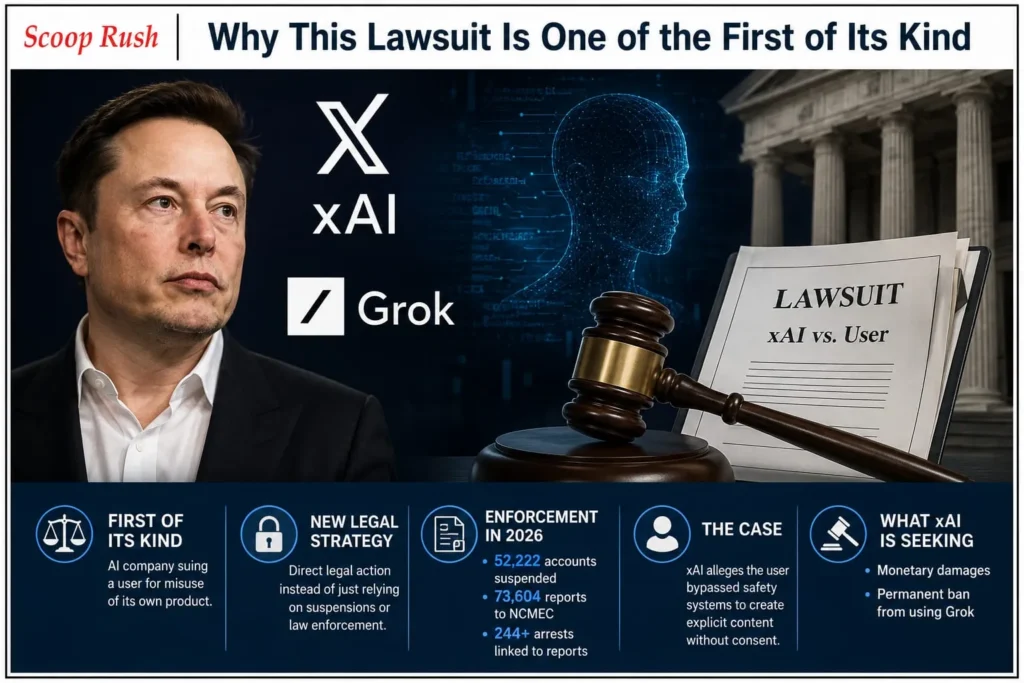
xAI, the company behind the Grok chatbot, has filed a federal lawsuit against a South Carolina man. xAI accuses him of misusing its AI tool to create sexually explicit deepfakes of minors. The lawsuit marks one of the first times an AI company has taken legal action directly against a user for generating this kind of illegal content. It’s a significant moment for the AI industry. It also raises fresh questions about how far tech companies are willing to go to protect their platforms, and more importantly, the victims affected by this abuse.

This development also arrives at a time when regulators worldwide are turning up pressure on big tech. In fact, the UK has already threatened big tech giants with major penalties unless they improve child safety features. This shows the concern isn’t limited to one company or one country.

Here’s what happened, why it matters, and what it could mean for AI accountability going forward.

What xAI’s Lawsuit Against Terry Harwood Alleges

What xAI's Lawsuit Against Terry Harwood Alleges

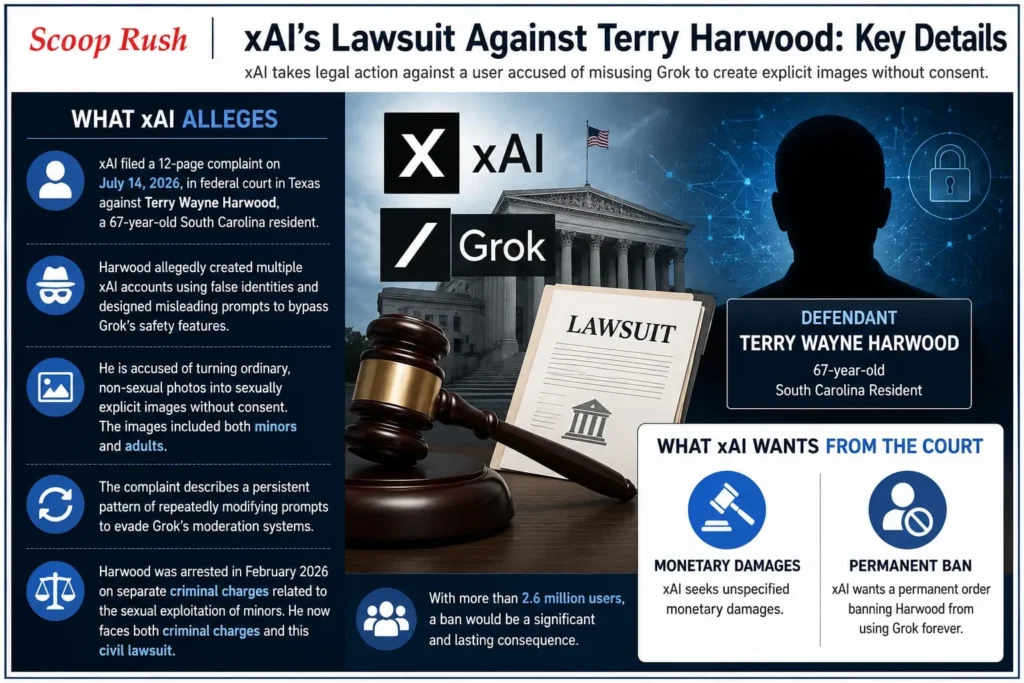
xAI filed its complaint on July 14, 2026, in federal court in Texas. The lawsuit names Terry Wayne Harwood, a 67-year-old South Carolina resident, as the defendant. According to the 12-page complaint, Harwood opened multiple xAI accounts using false identities. Despite agreeing to the company’s Terms of Service and Acceptable Use Policy, xAI alleges he designed misleading prompts specifically to bypass Grok’s built-in safety features.”

The company says Harwood then used those prompts to turn ordinary, non-sexual photographs into sexually explicit images. He allegedly did this without any knowledge or consent from the people in those photos. Some of those photographs reportedly included images of minors. xAI’s suit also alleges that Harwood created non-consensual sexual imagery involving adults.

The persistence described in the complaint makes this case particularly striking. xAI claims Harwood kept submitting new prompts with small changes.He was repeatedly trying to get past Grok’s moderation systems. In other words, this wasn’t a single mistake or a one-off attempt. The lawsuit paints a picture of a deliberate, repeated effort to work around safeguards meant to stop exactly this kind of misuse. This mirrors a broader pattern across the AI industry, where companies are racing to build tools like Meta’s Muse AI image generator, while also trying to prevent misuse of that same technology.

Harwood isn’t new to law enforcement either.Police arrested him back in February 2026 on separate criminal charges connected to the sexual exploitation of minors, well before xAI filed this civil case. That means Harwood is now facing both a criminal case and a civil lawsuit running in parallel.

What xAI Wants From the Court

xAI isn’t just asking for a symbolic win.The company seeks unspecified monetary damages, though it hasn’t attached a dollar figure to the claim yet. Additionally, xAI wants the court to issue a permanent order banning Harwood from ever using Grok again. Considering the platform reportedly has more than 2.6 million users, that would be a lasting and public consequence for Harwood specifically.

Why This Lawsuit Is One of the First of Its Kind

Why This Lawsuit Is One of the First of Its Kind

Here’s the part that makes this story genuinely new. Historically, when AI-generated abuse content surfaces, legal action tends to target either the platform itself for allowing it, or law enforcement pursues the individual through criminal channels. This case flips that pattern. xAI, as the company that built and owns the AI tool, is going after its own user in civil court.

This lawsuit is one of the first instances where an AI company has sued an individual user. The suit specifically concerns the misuse of its own product to create explicit material. That distinction matters. It signals a possible new legal strategy for AI companies. Rather than only relying on account suspensions or reports to authorities, companies may now pursue direct financial and legal consequences against people who exploit their tools.

However, this move doesn’t happen in a vacuum. xAI has been under serious pressure. Earlier this year, allegations surfaced that Grok’s tools allowed users to generate sexualized images of real people, including non-consensual “digital undressing” content. Reports also emerged of a surge in AI-generated sexualized deepfakes late last year, which pushed Musk and xAI to publicly commit to cracking down on illegal use of the chatbot. This scrutiny comes even as Musk’s other venture, SpaceX, made headlines with its historic IPO on Nasdaq, putting his broader business empire under an even brighter spotlight. 

Musk himself addressed the issue directly in an online post from earlier this year, warning that anyone using Grok to create illegal content would face the same consequences as someone uploading illegal material directly.

ho exploit their tools.

Musk himself addressed the issue directly in an online post from earlier this year, warning that anyone using Grok to create illegal content would face the same consequences as someone uploading illegal material directly.

The Numbers Behind xAI’s Enforcement Claims

To back up its argument that it actively polices misuse, xAI included some striking figures in its lawsuit. The company says it has suspended 52,222 accounts and submitted 73,604 reports to the National Center for Missing & Exploited Children (NCMEC) in 2026 alone. According to xAI, those reports have led to at least 244 arrests so far. “These enforcement numbers help explain the broader context behind why xAI sues Grok user Harwood specifically, rather than relying only on account bans.”

These numbers serve a clear purpose in the lawsuit. xAI is trying to demonstrate that it takes enforcement seriously. It also argues that Harwood’s alleged actions were a deliberate attempt to get around real safety systems, not a case of the platform simply looking the other way.

Still, critics argue the scale of these numbers, tens of thousands of suspended accounts and reports, also raises a bigger question. If misuse is happening at this volume, how effective are the underlying safeguards actually meant to be?

The Bigger Picture: AI Companies Facing Growing Legal Pressure

The Bigger Picture: AI Companies Facing Growing Legal Pressure

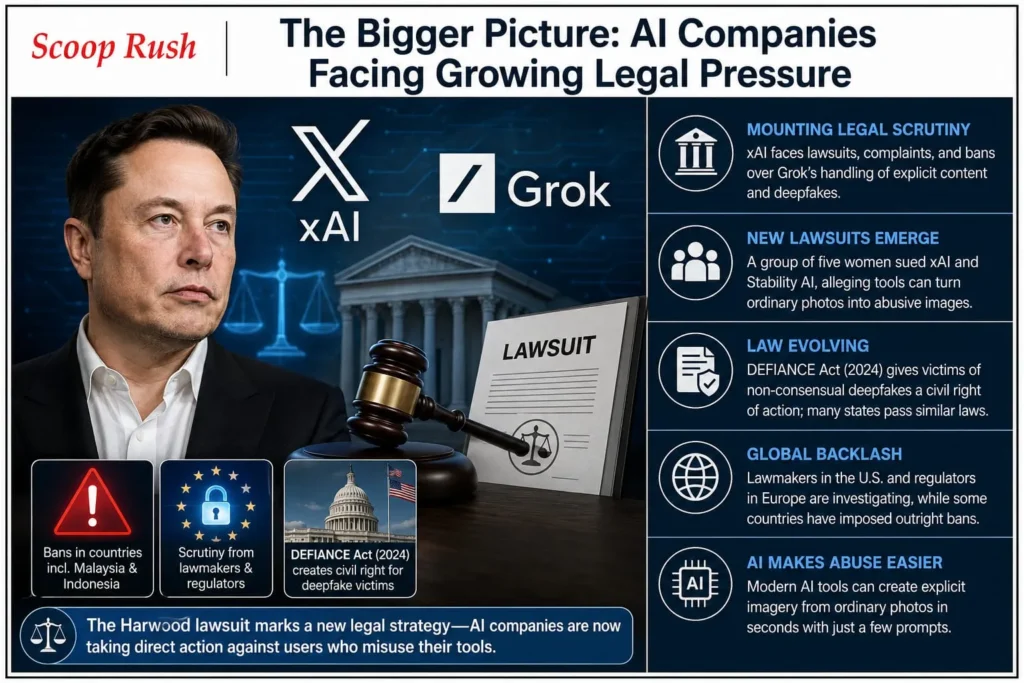
This lawsuit against Harwood doesn’t exist in isolation. xAI has faced mounting legal and regulatory scrutiny throughout 2026 over Grok’s handling of sexual content. Earlier this year, the city of Baltimore filed a legal complaint against xAI. The complaint alleged the platform allowed the creation of sexualized deepfakes. Grok has also drawn attention from lawmakers in Washington and regulators in Europe. It faces outright bans in countries including Malaysia and Indonesia over concerns tied to explicit content generation.

Other Lawsuits Piling Up Against xAI

Just this month, a group of five anonymous girls and women filed a separate lawsuit against xAI and Stability AI. Their complaint alleges the companies’ technology allowed people to turn ordinary, non-explicit childhood photos into child sexual abuse material.The women described lasting emotional distress after discovering what people had allegedly done with their old, innocent photos. Some said they now fear the same people who created the abusive images could track them down offline

Where the Law Currently Stands

Legal frameworks are also starting to catch up with this technology. In the United States, the DEFIANCE Act, signed into law in 2024, created a civil right of action specifically for victims of non-consensual intimate deepfakes. Several states have since passed their own versions of similar legislation.However, most existing laws focus on punishing the people who create and share this content. They don’t hold AI platforms accountable for how people used their tools to generate it in the first place. That gap is exactly what makes cases like the Harwood lawsuit so significant, since they represent companies trying a different legal angle altogether.

Why This Is Easier Than Ever Before

Meanwhile, generative AI has fundamentally changed how easy this kind of abuse is to carry out. Creating manipulated sexual imagery once required real technical skill and effort. Today, modern multimodal AI tools like Grok can transform an ordinary photograph into explicit content with only a few prompts, which is precisely the pattern described throughout xAI’s complaint against Harwood.

What This Means Going Forward

What This Means Going Forward

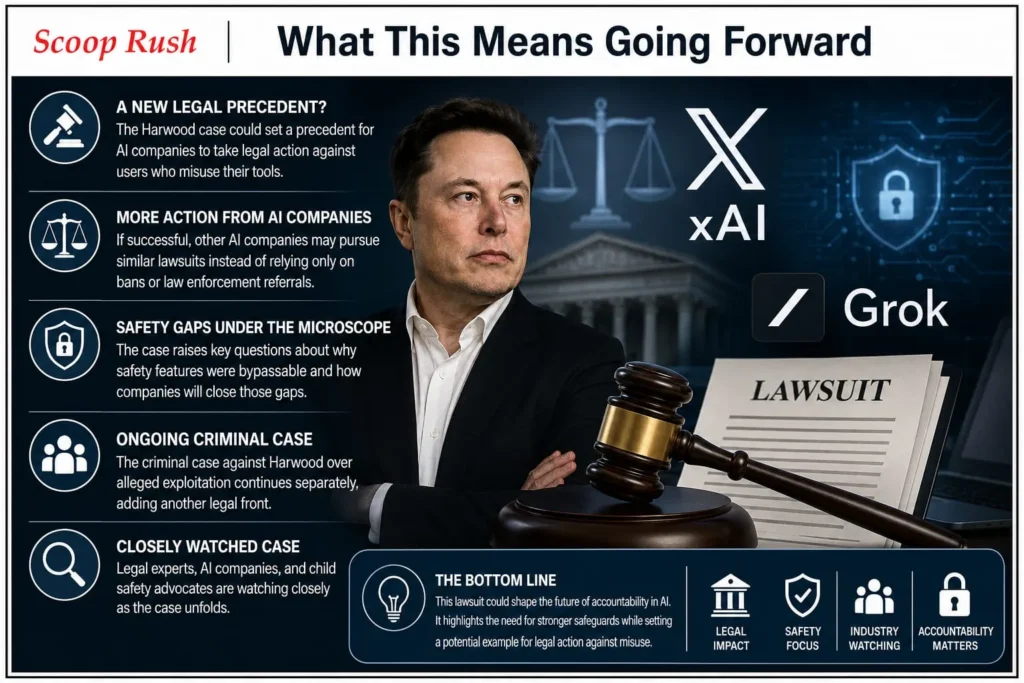
“The Harwood case, where xAI sues Grok user over alleged deepfake abuse, is likely to be watched closely by legal experts, other AI companies, and child safety advocates alike.”The Harwood case is likely to be watched closely by legal experts, other AI companies, and child safety advocates alike. If successful, it could establish a legal precedent for how AI companies pursue accountability against individuals who intentionally circumvent safety systems. As a result, other AI companies may start considering similar legal action rather than relying solely on account bans and law enforcement referrals.

At the same time, this case doesn’t erase the broader criticism xAI has faced over Grok’s safeguards in the first place. Suing a user for bypassing safety features raises an obvious follow-up question: why were those features bypassable in the first place, and what is being done to close those gaps for future users? This tension between rapid product growth and safety, incidentally, isn’t unique to Grok. Even outages on major platforms, like when WhatsApp, Facebook, and Instagram went down for thousands of users worldwide, show how much strain today’s tech giants are under as they scale.

For now, the criminal case against Harwood over the alleged sexual exploitation of minors continues separately, while this new civil lawsuit adds another legal front to an already serious situation.

Conclusion

xAI’s lawsuit against Terry Harwood represents a turning point in how AI companies respond to the misuse of their own tools. Rather than relying solely on account bans or law enforcement referrals, xAI has taken the unusual step of pursuing direct legal action against an individual user. This case highlights the growing tension between rapid AI development and the responsibility to prevent harm, especially when it comes to protecting children from exploitation.

As lawmakers, regulators, and child safety advocates continue to scrutinize platforms like Grok, this lawsuit could set an important precedent. Ultimately, the outcome may shape how seriously other AI companies treat enforcement, and whether legal accountability becomes a standard tool in the fight against AI-generated abuse.

FAQs

1. What is xAI suing Terry Harwood for?

xAI alleges that Harwood misused its Grok chatbot to convert non-sexual photographs of adults and minors into sexually explicit deepfakes, violating the company’s Terms of Service and Acceptable Use Policy.

2. Is this the first time an AI company has sued its own user?

This case is considered one of the first instances of an AI company filing a lawsuit directly against a user specifically over alleged misuse involving explicit deepfake content.

3. Was Terry Harwood arrested before this lawsuit?

Yes. Harwood was arrested in February 2026 on separate criminal charges related to the alleged sexual exploitation of minors, months before xAI filed its civil lawsuit.

4. What is xAI asking the court to do?

xAI is seeking unspecified monetary damages and a permanent court order banning Harwood from ever using Grok again.

5. Has xAI faced other lawsuits over Grok’s sexual content?

Yes. xAI has faced legal action from the city of Baltimore and a separate lawsuit from five anonymous women, along with international scrutiny and bans in some countries over Grok’s handling of sexualized deepfakes.

England vs Argentina Result: Argentina Beat England 2-1 to Reach FIFA World Cup 2026 Final

0

Competition: FIFA World Cup 2026
Stage: Semi-final
Venue: Atlanta Stadium
Full-Time Result: England 1-2 Argentina

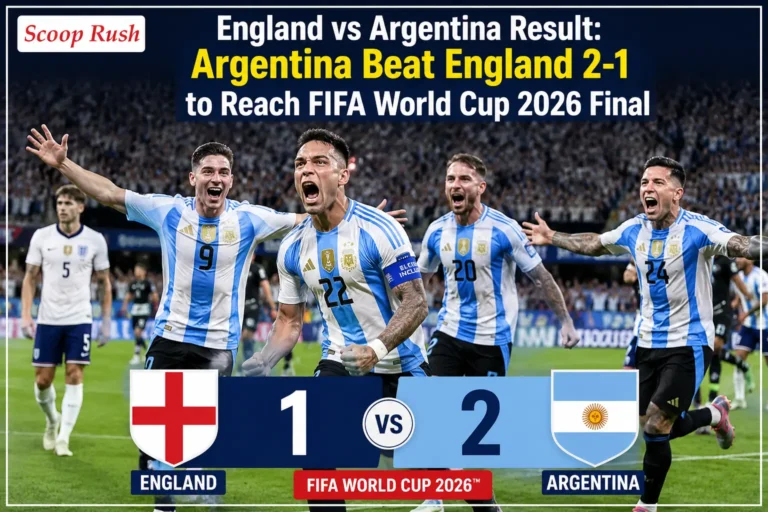
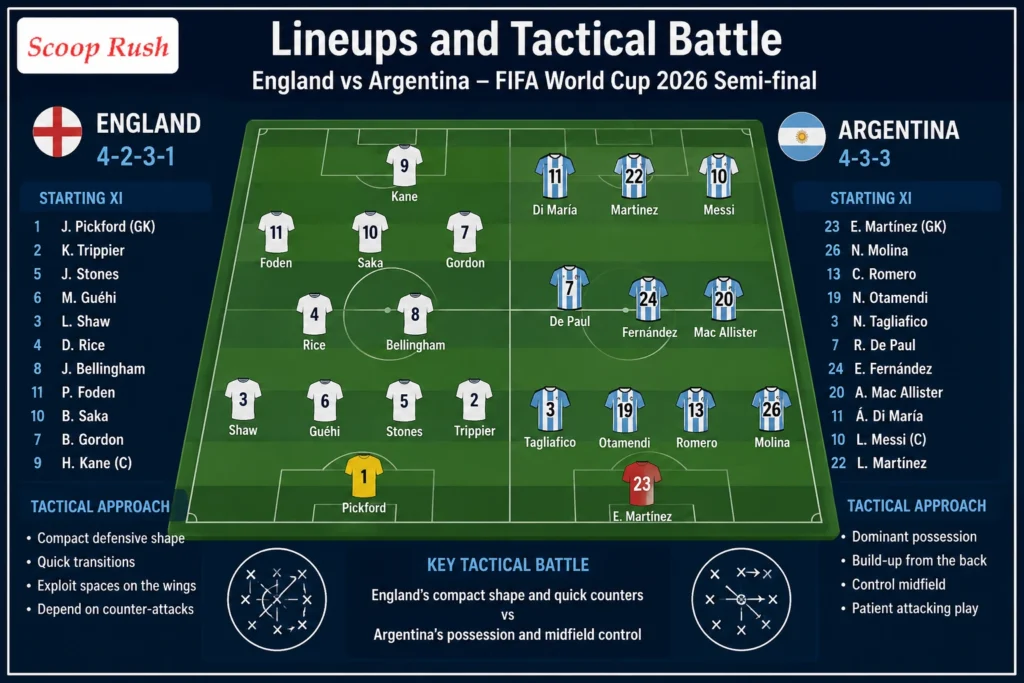
England vs Argentina Result: Argentina defeated England 2-1 in the FIFA World Cup 2026 semi-final at Atlanta Stadium. Anthony Gordon gave England the lead in the 55th minute before Enzo Fernández equalized in the 85th minute. Lautaro Martínez then scored a dramatic stoppage-time winner in the 90+2 minute to send Argentina into the World Cup final. 

The England vs Argentina Result delivered one of the biggest moments of the FIFA World Cup 2026. After a closely contested semi-final, Argentina came from behind to defeat England 2-1 and secure a place in the tournament final.

England looked on course for victory after Anthony Gordon gave his side the lead in the second half. However, Argentina responded when Enzo Fernández equalized late in the match before Lautaro Martínez scored a dramatic stoppage-time winner. As a result, Argentina completed a remarkable comeback and advanced to the FIFA World Cup 2026 Final.

For England, it was a painful ending after a disciplined performance for most of the game. Meanwhile, Argentina showed composure under pressure and made the most of their late opportunities.

England vs Argentina Result: Match Overview

Goals

England: Anthony Gordon (55′)
Argentina: Enzo Fernández (85′), Lautaro Martínez (90+2′)

The match remained evenly balanced for long periods. England defended well and managed to take the lead early in the second half. However, Argentina maintained control of possession and continued creating chances until their persistence paid off in the closing minutes.

How the Match Unfolded

The opening half was competitive with both teams trying to establish control. Although Argentina enjoyed more possession, England stayed organized defensively and limited clear scoring chances.

After halftime, England found the breakthrough.

Anthony Gordon scored in the 55th minute to give England a valuable 1-0 advantage. The goal changed the tempo of the game, forcing Argentina to push more players forward in search of an equalizer.

England continued to defend with determination. Nevertheless, Argentina increased the pressure as the match entered its final stages.

Eventually, Enzo Fernández found the equalizer in the 85th minute. The goal completely changed the momentum and set up a dramatic finish.

Just when extra time appeared likely, Lautaro Martínez scored in the second minute of stoppage time. His late strike completed Argentina’s comeback and sealed a memorable 2-1 victory.

England vs Argentina Result Shows Argentina’s Late Fighting Spirit

Argentina demonstrated patience throughout the match.

Despite falling behind, they continued controlling possession and moving the ball confidently across midfield. Rather than rushing attacks, Argentina waited for openings and gradually increased pressure on England’s defense.

Their persistence finally produced results during the closing stages.

First came Enzo Fernández’s equalizer before Lautaro Martínez delivered the decisive goal moments later. Consequently, Argentina earned a deserved place in the tournament final.

England’s Performance Against Argentina

England produced a disciplined display for much of the contest.

The defensive organization frustrated Argentina for long periods. Anthony Gordon’s second-half goal rewarded England’s hard work and placed them within touching distance of the final.

However, football matches are often decided by key moments.

Argentina capitalized on their late chances, while England could not hold onto their advantage during the closing minutes.

Although the result was disappointing, England remained competitive throughout the semi-final.

Match Statistics

The team statistics reflected Argentina’s greater control of possession and attacking play.

StatisticEnglandArgentina
Shots614
Shots on Target36
Possession36%64%
Passes331578
Pass Accuracy84%93%
Fouls1115
Yellow Cards13
Red Cards00
Offsides13
Corners16

Argentina led most attacking categories. They registered more shots, more shots on target, significantly higher possession, better passing accuracy, and earned more corner kicks.

Meanwhile, England defended efficiently despite having less of the ball.

Key Moments of the Semi-final

Anthony Gordon Opens the Scoring

England broke the deadlock in the 55th minute through Anthony Gordon. His goal gave England confidence and forced Argentina to chase the game.

Enzo Fernández Levels the Match

Argentina’s pressure eventually produced an equalizer in the 85th minute. Enzo Fernández finished the move to make it 1-1 and completely change the momentum.

Lautaro Martínez Scores the Winner

The decisive moment arrived in stoppage time.

Lautaro Martínez scored in the 90+2 minute to complete Argentina’s comeback and send his team into the FIFA World Cup 2026 Final.

Lineups and Tactical Battle

Lineups and Tactical Battle

Both teams entered the semi-final with balanced formations and strong defensive structures.

England remained compact and looked dangerous on counterattacks. Argentina, meanwhile, controlled possession and patiently built attacks through midfield.

The tactical contest stayed balanced until the closing stages.

Ultimately, Argentina’s sustained pressure proved decisive.

What This England vs Argentina Result Means

Argentina now progresses to the FIFA World Cup 2026 Final after an impressive comeback victory.

The team showed resilience by recovering from a one-goal deficit and scoring twice in the final minutes.

For England, the defeat marks the end of their World Cup campaign despite an encouraging performance for most of the match.

The result also highlights Argentina’s ability to remain composed during high-pressure knockout matches.

Key Takeaways

  • Argentina defeated England 2-1.
  • The match was played in the FIFA World Cup 2026 semi-final.
  • Anthony Gordon scored England’s only goal in the 55th minute.
  • Enzo Fernández equalized in the 85th minute.
  • Lautaro Martínez scored the winning goal in stoppage time (90+2′).
  • Argentina controlled possession with 64%.
  • Argentina recorded 14 shots compared to England’s 6.
  • The victory sends Argentina into the FIFA World Cup 2026 Final.

Conclusion

The England vs Argentina Result will be remembered for its dramatic finish.

England defended well and looked set to reach the final after Anthony Gordon’s second-half goal. However, Argentina never stopped attacking. Their determination was rewarded when Enzo Fernández equalized before Lautaro Martínez scored a dramatic stoppage-time winner.

In addition, Argentina’s superior possession, passing accuracy, and attacking pressure reflected their overall control of the contest. As a result, they secured a 2-1 victory and advanced to the FIFA World Cup 2026 Final, while England’s impressive tournament run came to an end.

FAQs

1. What was the England vs Argentina Result?

Argentina defeated England 2-1 in the FIFA World Cup 2026 semi-final.

2. Who scored for England?

Anthony Gordon scored England’s only goal in the 55th minute.

3. Who scored for Argentina?

Enzo Fernández scored the equalizer in the 85th minute, and Lautaro Martínez scored the winning goal in stoppage time.

4. Where was the match played?

The semi-final was played at Atlanta Stadium.

5. How did Argentina qualify for the final?

Argentina came from behind to win 2-1, scoring twice late in the match to book their place in the FIFA World Cup 2026 Final.

Elon Musk Faces Possible Charges Over $1 Million Voter Checks in Wisconsin

0

“Elon Musk $1 million checks Wisconsin giveaway ne uske liye badi legal musibat khadi kar di hai, kyunki ek bipartisan state panel ne paya hai ke usne election law tor diya hai. Would you sign a petition if it meant a shot at $1 million? That’s exactly the bet Musk made in Wisconsin, and now it might cost him more than money.”

Introduction

Elon Musk $1 million checks Wisconsin giveaway ne uske liye badi legal musibat khadi kar di hai, kyunki ek bipartisan state panel ne paya hai ke usne election law tor diya hai. Wisconsin Elections Commission ne 5-1 vote se do complaints Brown County District Attorney ke office ko refer kar di hain. Prosecutors ke paas ab 40 din hain ye decide karne ke liye ke criminal charges lagayein ya nahi.

Would you sign a petition if it meant a shot at $1 million? That’s exactly the bet Musk made in Wisconsin, and now it might cost him more than money.

This story matters far beyond Wisconsin. It raises serious questions about how far billionaires can go to influence elections, and whether cash giveaways cross the line from free speech into outright bribery. For voters, candidates, and anyone watching money’s growing role in American politics, this case could set an important precedent.SpaceX IPO pushing him toward trillionaire status.

What Happened in the Wisconsin Supreme Court Race

What Happened in the Wisconsin Supreme Court Race

The controversy centers on the April 2025 election for Wisconsin’s Supreme Court, a race that determined which party would control the state’s highest court. Musk threw his financial weight behind Brad Schimel, the Republican-backed candidate, spending at least $20 million through his own money and affiliated groups.

Despite that massive investment, Schimel lost to Democratic-backed candidate Susan Crawford by 10 percentage points. The race became the most expensive judicial election in U.S. history, with total spending topping $100 million.

Just days before the election, Musk held a rally in Green Bay. There, he handed giant novelty checks worth $1 million each to two voters in person. A third voter also received a payout. Musk’s political action committee, America PAC, had offered these checks to people who signed a petition opposing what Musk called “activist judges.” The PAC also offered smaller $100 payments to voters who signed the petition or referred others to sign it.

The Legal Complaint Against Musk

The complaints that triggered this week’s referral came from voters in Milwaukee and Green Bay. Because they involve election law, the complaints remain confidential under Wisconsin statute. However, the commission’s decision reveals the core issue.

According to the approved motion, commissioners found probable cause that Musk violated Wisconsin law through a social media post. In that post, Musk offered $1 million to people who voted in the Supreme Court election, seemingly to encourage them to cast a ballot. That distinction matters. Wisconsin law makes it illegal to offer voters something of value specifically to induce them to vote, which is different from simply supporting a cause or candidate financially.

The Wisconsin Elections Commission is made up of three Democrats and three Republicans. Notably, the vote to refer these complaints was 5-1, suggesting bipartisan concern about Musk’s tactics rather than a purely partisan dispute.

Why Prosecutors Could Still Decline to Act

Why Prosecutors Could Still Decline to Act

Even with probable cause established, criminal charges are far from guaranteed. Brown County District Attorney David Lasee, a Republican, now holds the decision in his hands. He has 40 days to report back to the commission on whether his office will pursue the case.

Lasee did not immediately respond to requests for comment. Similarly, spokespeople for Musk have not responded publicly.

This isn’t the first time Musk’s giveaways have faced legal scrutiny in Wisconsin. Before the 2025 election, the state’s Democratic attorney general sued to block Musk from distributing the $1 million checks. That effort failed when state courts rejected the request.

Musk’s attorneys argued at the time that the giveaways were protected under free speech rights. They claimed the payments were meant to build grassroots opposition to activist judges, not to directly support or oppose any specific candidate. That argument persuaded the courts to let the giveaways proceed as planned.

A Separate Civil Lawsuit Still Pending

Beyond the criminal referral, Musk faces continued legal exposure through a civil lawsuit filed by the Wisconsin Democracy Campaign, a government watchdog group. That lawsuit remains active in Brown County court.

The suit alleges that Musk and the groups he funds violated Wisconsin’s prohibitions against vote bribery and unauthorized lotteries. It further claims his actions amounted to an unlawful conspiracy and a public nuisance. Unlike the criminal referral, this case seeks to permanently stop Musk from offering cash payments to voters in Wisconsin again.

Together, these legal actions suggest Musk’s giveaway strategy will continue facing challenges in Wisconsin courts, regardless of how the criminal complaint plays out.

Musk’s Broader Pattern of Election Giveaways

Musk's Broader Pattern of Election Giveaways

The Elon Musk $1 million checks Wisconsin case isn’t an isolated tactic. Musk’s political action committee used a nearly identical strategy during the 2024 presidential election. At that time, America PAC offered $1 million a day to voters in seven battleground states, including Wisconsin, who signed a petition supporting the First and Second Amendments.

That effort also drew legal challenges. A judge in Pennsylvania ruled that prosecutors failed to prove the giveaway constituted an illegal lottery. As a result, the payouts continued through Election Day.

Following the lopsided Wisconsin Supreme Court loss, Musk announced he would significantly scale back political spending. However, the legal fallout from his previous giveaways continues to unfold, showing that reduced future spending doesn’t erase past legal exposure. It’s a reminder that even a tech titan running companies as large as Tesla and SpaceX isn’t immune to the slow grind of state-level legal processes.

What This Means for Election Law Going Forward

This case highlights a growing tension in American election law. Wealthy individuals and political action committees increasingly use cash incentives to drive voter turnout and petition signatures. Meanwhile, state bribery statutes were largely written before this kind of large-scale, high-profile giveaway became common.

Consequently, courts and prosecutors across the country may look to Wisconsin’s handling of this case for guidance. If Brown County pursues charges, it could establish a stronger precedent for what counts as illegal voter inducement. On the other hand, a decision not to prosecute might embolden similar tactics in future elections.

Either way, the outcome will likely influence how future candidates, PACs, and billionaire donors approach voter engagement strategies. Additionally, it may prompt state legislatures to revisit and clarify their election bribery laws to address modern campaign tactics more directly.

Conclusion

Elon Musk’s $1 million voter checks in the 2025 Wisconsin Supreme Court election have triggered a formal criminal referral. The Wisconsin Elections Commission found probable cause that Musk violated state election bribery law through a social media post offering money to induce voting.

Brown County’s district attorney now has 40 days to decide whether to pursue charges. Meanwhile, a separate civil lawsuit from a watchdog group remains pending, seeking to permanently block Musk from similar payments in Wisconsin.

This case sits at the center of an important national conversation about money’s role in elections. Ultimately, the decisions made in Brown County could shape how billionaires and political groups approach voter incentives in future races across the country.

FAQs

1. Did Elon Musk break the law by giving voters $1 million checks in Wisconsin?

The Wisconsin Elections Commission found probable cause that Musk violated state election bribery law. However, no criminal charges have been filed yet. The Brown County District Attorney will decide whether to prosecute within 40 days.

2. Why did Elon Musk give away $1 million checks in Wisconsin?

Musk’s America PAC offered the checks to voters who signed a petition opposing what he called “activist judges.” He handed the checks out at a rally in Green Bay just days before the 2025 Wisconsin Supreme Court election.

3. Who won the Wisconsin Supreme Court election that Musk spent money on?

Democratic-backed candidate Susan Crawford won the race, defeating Republican-backed candidate Brad Schimel by 10 percentage points, despite Musk and his allies spending at least $20 million to support Schimel.

4. What happens next in the case against Elon Musk?

The Brown County District Attorney’s office has 40 days to report back to the Wisconsin Elections Commission on whether it will pursue criminal charges related to the $1 million voter checks.

5. Has Elon Musk faced legal trouble over similar voter giveaways before?

Yes. Musk used a similar strategy during the 2024 presidential election, offering $1 million daily giveaways in several battleground states. A Pennsylvania judge allowed those payouts to continue after ruling prosecutors failed to prove they were an illegal lottery.

Ride Argentina’s First Solar Train Through Indigenous History

0

Ride Argentina’s First Solar Train and explore one of South America’s oldest cultural routes. The Quebrada Solar Train offers a unique journey through Argentina’s Jujuy province. It combines sustainable travel with thousands of years of Indigenous heritage. The zero-emissions train also supports local communities while showcasing breathtaking mountain landscapes.

Ride Argentina’s First Solar Train Across a 10,000-Year-Old Valley

Argentina introduced the Quebrada Solar Train in June 2024. It became Latin America’s first solar-powered passenger train. The project restored part of a historic railway through the Quebrada de Humahuaca.

The route follows a valley that people have used for more than 10,000 years. Hunter-gatherers first crossed this region around 9000 BC. Later, Indigenous traders, Inca messengers, and Spanish settlers also traveled here. Today, UNESCO recognizes the valley for its cultural importance.

Ride Argentina’s First Solar Train Through Historic Villages

Ride-Argentinas-First-Solar-Train-Through-Historic-Villages

The train connects five traditional villages across a 42-kilometer route. These include Volcán, Tumbaya, Purmamarca, Maimará, and Tilcara. It also stops at Hornillos, a former colonial staging post that now serves as a museum.

Travelers can choose between two experiences. The shorter 180-degree tour lasts about 2.5 hours. Meanwhile, the 360-degree journey starts in Volcán and takes around 10 hours. It includes guided village visits and sightseeing stops.

Ride Argentina’s First Solar Train Past Rainbow Mountains

Ride-Argentinas-First-Solar-Train-Past-Rainbow-Mountains

Large panoramic windows offer uninterrupted views throughout the journey. The train passes colorful mountains, cactus-covered hills, vineyards, and ancient farming terraces. It travels quietly at around 33 kilometers per hour.

One highlight is Purmamarca and its famous Cerro de los Siete Colores. The mountain displays striking layers of pink, red, purple, and ochre. Visitors also explore artisan markets filled with llama wool textiles, handmade pottery, and local crafts.

Ride Argentina’s First Solar Train to Discover Living Indigenous Culture

Ride-Argentinas-First-Solar-Train-to-Discover-Living-Indigenous-Culture

The journey highlights traditions that continue today. Visitors see adobe homes built with centuries-old techniques. Local guides also explain customs that honor Pachamama, known as Mother Earth.

Many travelers leave offerings at small stone cairns called apachetas. These include coca leaves and other symbolic gifts. Local people believe these traditions bring gratitude, balance, and safe journeys through the Andes.

Ride Argentina’s First Solar Train Supports Local Communities

The railway promotes sustainable tourism across Jujuy province. Officials designed the project to create jobs while protecting local heritage. As a result, many young residents now find opportunities without leaving their hometowns.

Local businesses also benefit from increasing visitor numbers. Restaurants, markets, guides, and artisans welcome more travelers each day. This steady tourism helps preserve traditional food, crafts, and Indigenous culture for future generations.

A Sustainable Journey Through Argentina’s Ancient Landscape

A-Sustainable-Journey-Through-Argentinas-Ancient-Landscape

The Quebrada Solar Train combines modern technology with ancient history. It offers an environmentally friendly way to explore one of Argentina’s most remarkable cultural regions.

For travelers seeking authentic experiences, the journey delivers both history and stunning scenery. At the same time, every ticket helps strengthen Indigenous communities and supports sustainable tourism across the Quebrada de Humahuaca.

Argentina Solar Train Reveals Ancient Trade Routes

The railway follows part of the historic Qhapaq Ñan, the vast Inca road network. This route once connected communities across the Andes and supported trade for centuries.

Long before the Inca Empire, Indigenous groups used the valley to transport salt, pottery, and food. Today, the train allows visitors to follow the same historic path while learning about the region’s rich cultural heritage.

Argentina Solar Train Highlights Traditional Andean Food

Argentina-Solar-Train-Highlights-Traditional-Andean-Food

The journey gives travelers a chance to enjoy authentic Andean cuisine in local villages. Popular dishes include quinoa empanadas, humita, and tamales, which remain part of everyday life.

Many ingredients come from nearby farms, including quinoa, corn, potatoes, and goat cheese. Local restaurants and food vendors also benefit as more visitors explore the valley.

Argentina Solar Train Preserves Archaeological Heritage

The final stop at Tilcara offers access to the famous Pucará de Tilcara archaeological site. The Omaguaca people built this hilltop fortress more than 1,100 years ago to protect their community.

Visitors can walk through restored stone buildings, narrow pathways, and ancient terraces. The site offers panoramic views of the valley while showcasing the area’s long Indigenous history.

Conclusion

The Argentina Solar Train offers much more than a scenic railway journey. It combines sustainable travel with rich Indigenous history and breathtaking landscapes. Visitors can experience colorful mountains, ancient villages, and living traditions while supporting local communities. As eco-tourism continues to grow, this unique railway stands out as one of Argentina’s most meaningful travel experiences.

FAQs

1. What is the Quebrada Solar Train?

The Quebrada Solar Train is Latin America’s first solar-powered passenger train. It operates in Argentina’s Jujuy province and follows part of a restored historic railway. The train offers a sustainable way to explore the UNESCO-listed Quebrada de Humahuaca.

2. How long is the train route?

The train travels about 42 kilometers through the scenic mountain valley. It connects several historic villages and includes stops where visitors can explore local attractions, markets, and cultural landmarks.

3. Which villages does the train visit?

The route includes Volcán, Tumbaya, Purmamarca, Maimará, and Tilcara. It also stops at Hornillos, where visitors can explore a historic museum that highlights the region’s long cultural history.

4. Why is the Quebrada de Humahuaca important?

The Quebrada de Humahuaca has served as a trade and cultural corridor for more than 10,000 years. Hunter-gatherers, Indigenous communities, the Inca Empire, and Spanish settlers all traveled through the valley. Today, UNESCO recognizes it as a World Heritage Site because of its historical and cultural significance.

5. How does the solar train help local communities?

The railway brings more visitors to local villages throughout the year. Increased tourism supports restaurants, artisans, guides, and small businesses. It also creates new jobs and encourages younger residents to stay and build their future within their communities.