
July 16, 2026
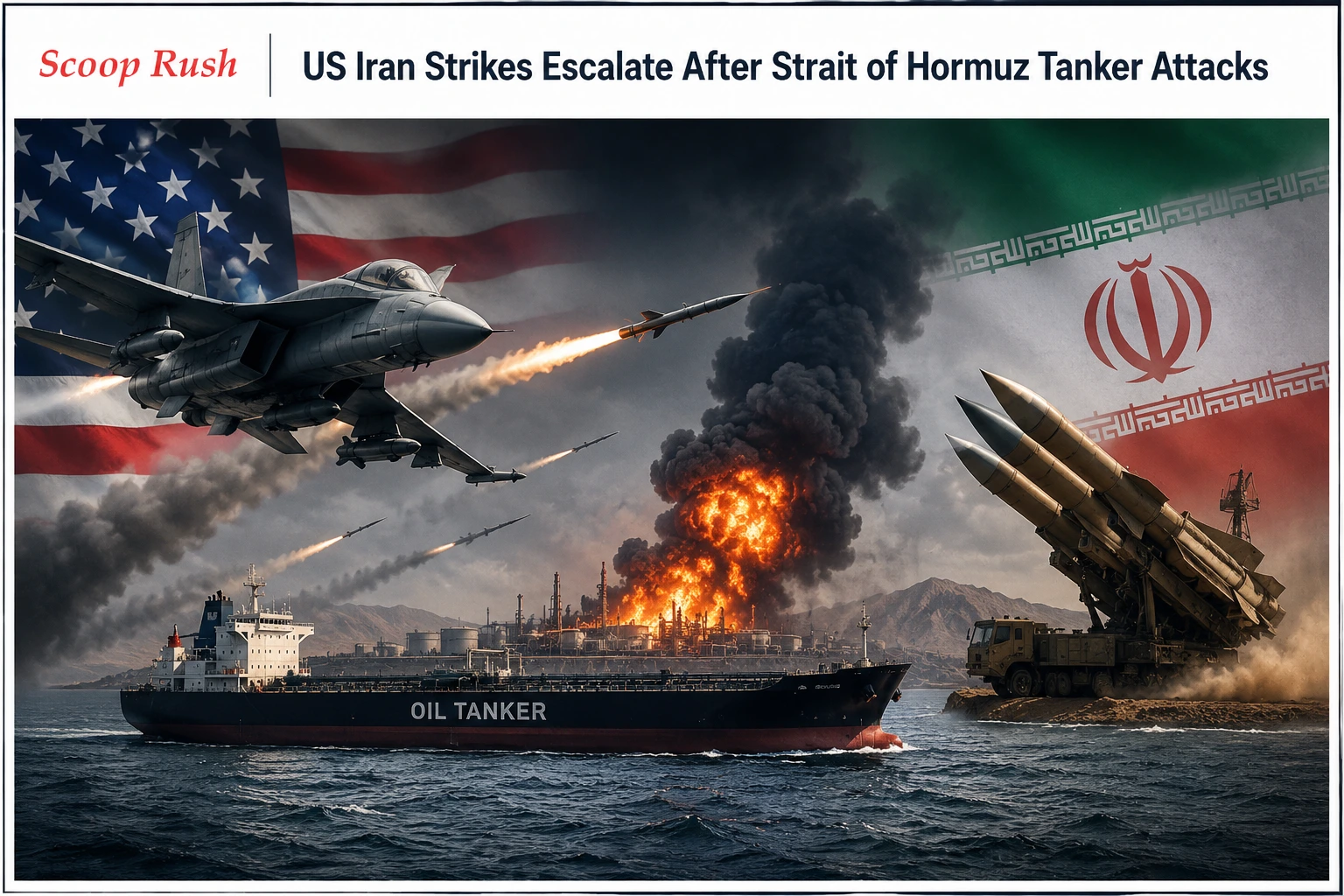
The US Iran strikes have entered another dangerous stage after fresh military action across Iran. The United States launched new attacks following tanker incidents in the Strait of Hormuz. Iran quickly responded with missile and drone strikes against US military facilities in Kuwait, Bahrain, and Jordan. The renewed conflict has increased fears of a wider regional war.
US Iran Strikes Target Military Sites Across Iran
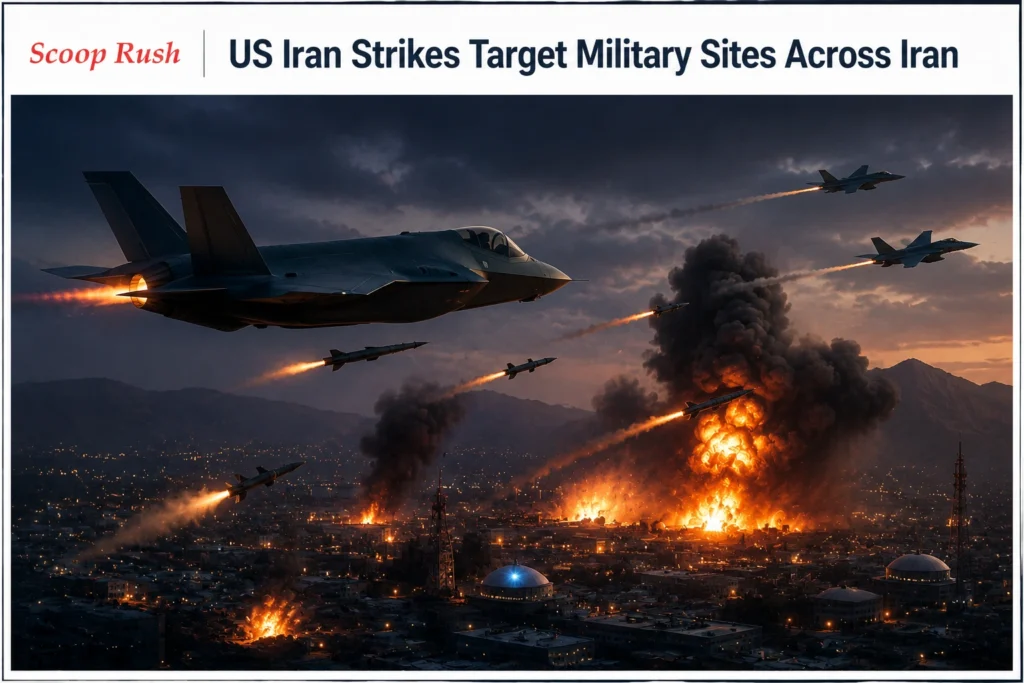
The United States carried out another wave of air and missile strikes across several parts of Iran. US Central Command said the attacks focused on command centers, missile launch sites, air defense systems, drone facilities, and coastal surveillance positions.
Iranian media reported explosions near Tehran, Bandar Abbas, Qeshm Island, Chabahar, and Semnan Province. The strikes marked another major escalation after previous military operations earlier this month.
US Iran Strikes Expand Naval Operations
The United States also strengthened its naval operations around Iran. Officials announced the return of a naval blockade aimed at restricting shipping linked to Iranian ports. Washington said the move would protect commercial vessels and maintain security in the Gulf.
US officials also claimed they struck a Curaçao flagged oil tanker after it ignored repeated warnings. According to American authorities, the vessel continued moving toward Iranian waters despite several alerts.
Iran Launches Retaliatory Missile and Drone Attacks
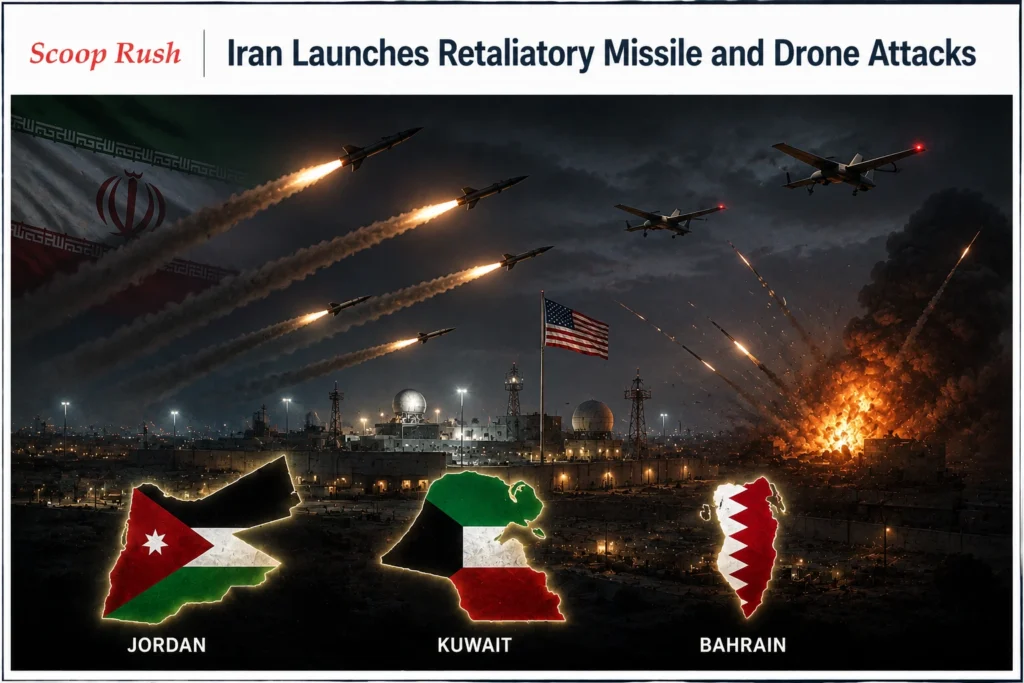
Iran responded with missile and drone attacks against US military facilities across the Gulf region. Iranian military officials said they targeted radar systems, fuel storage areas, air defense units, and military infrastructure.
The attacks reached US facilities in Jordan, Kuwait, and Bahrain. Iran also warned that further American military action would trigger more attacks against regional infrastructure.
Gulf Countries Activate Air Defenses
Several Gulf nations immediately increased their security measures. Kuwait confirmed that its air defense systems intercepted hostile drones after Iranian attacks. Bahrain also activated warning systems as missiles approached the country.
Regional governments continued monitoring the security situation throughout the day. Military forces remained on high alert as fears of additional strikes increased.
Strait of Hormuz Tanker Attacks Raise Global Concerns
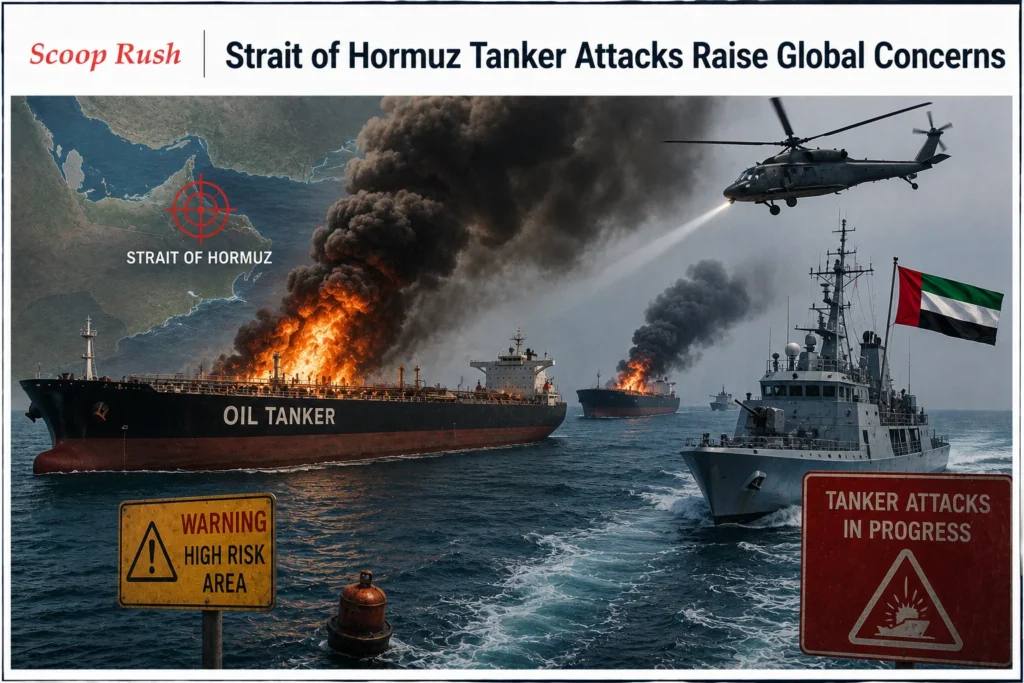
The Strait of Hormuz remains the center of the latest crisis. Several commercial vessels reported damage during recent attacks near the strategic waterway. The United Arab Emirates said Iranian missiles struck two tankers in Omani waters, killing one crew member.
Earlier incidents also involved Saudi, Qatari, and other commercial vessels crossing the Strait. Shipping companies now face growing risks while operating in one of the world’s busiest energy routes.
Oil Markets React to US Iran Strikes
Global energy markets responded immediately after news of the renewed conflict. Oil prices climbed sharply as investors worried about disruptions to supplies passing through the Strait of Hormuz.
Energy analysts warned that any long-term disruption could increase transportation costs worldwide. Higher fuel prices may also affect food supplies and international trade if tensions continue.
Regional Conflict Continues to Spread
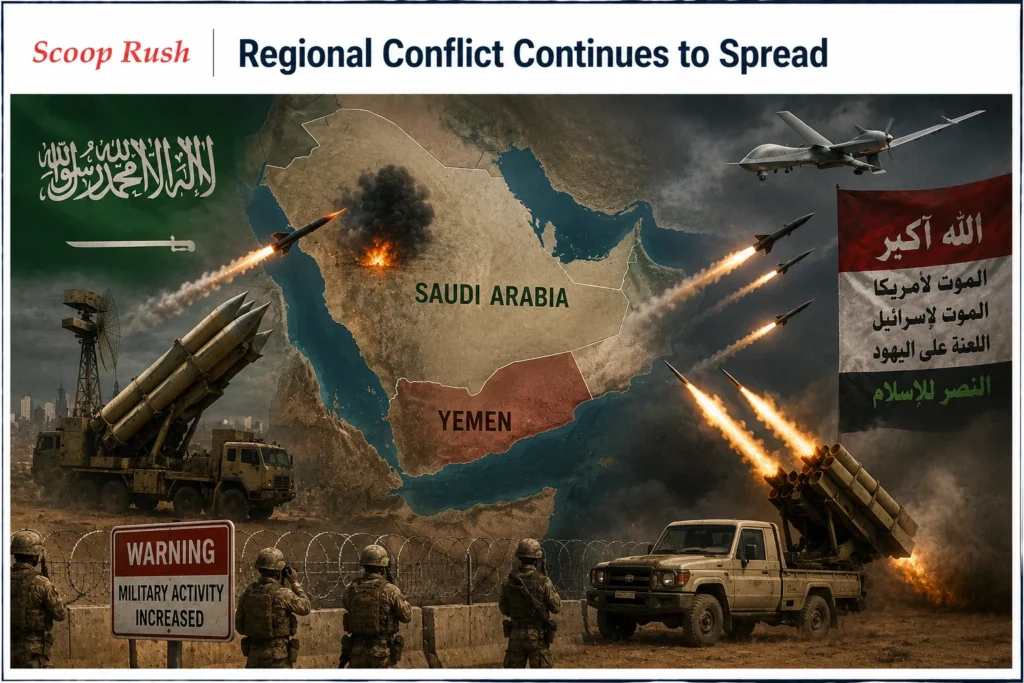
The latest fighting has expanded beyond Iran and the United States. Saudi Arabia and Yemen’s Iran-backed Houthi movement exchanged fresh attacks after months of reduced hostilities.
Military activity across the Gulf has increased pressure on neighboring countries. Governments continue strengthening border security and monitoring possible threats.
Diplomatic Efforts Face New Challenges
Recent military action has slowed diplomatic efforts between Washington and Tehran. Previous negotiations aimed to strengthen a temporary agreement reached earlier this year.
Both governments now accuse each other of violating earlier commitments. As a result, prospects for renewed negotiations remain uncertain while military operations continue.
Global Leaders Monitor the Crisis
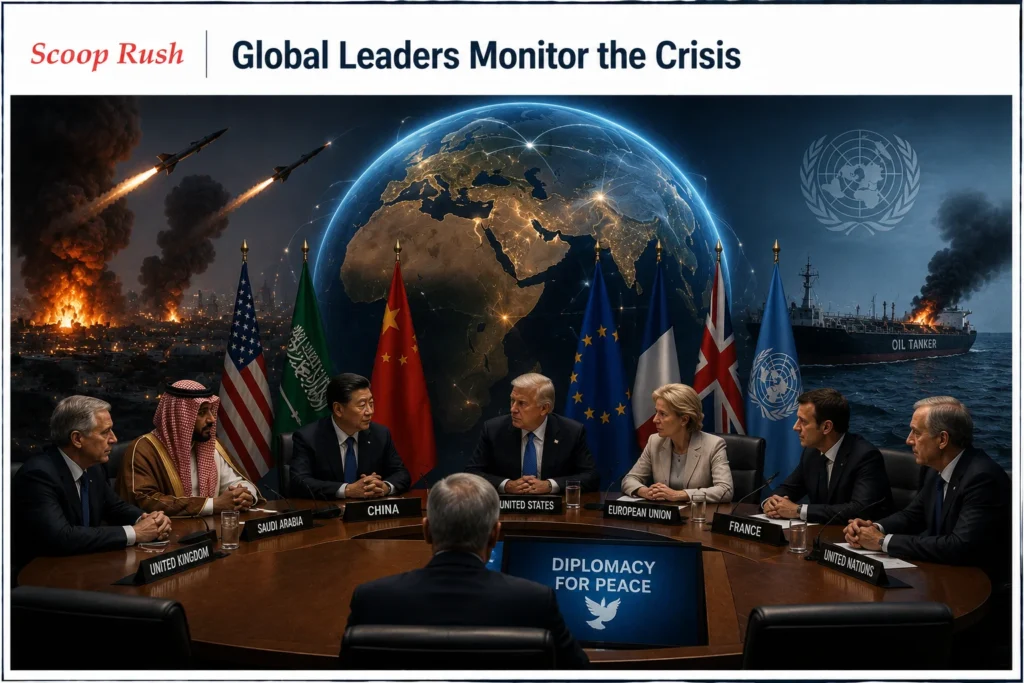
Several international leaders have called for restraint as tensions continue rising. Many governments fear that further escalation could threaten global energy supplies and regional stability.
Diplomatic channels remain open despite ongoing military action. However, experts believe rebuilding trust between both sides will take significant time.
What Happens Next After US Iran Strikes?
Military operations remain active across several areas of the Gulf region. Security officials continue monitoring shipping lanes, military bases, and strategic infrastructure.
The coming days will determine whether diplomacy returns or fighting expands further. Many countries now hope both sides avoid actions that could trigger a broader regional conflict.
Conclusion
The latest US Iran strikes have pushed Middle East tensions to one of their highest levels in recent years. Military action, tanker attacks, and regional retaliation continue increasing uncertainty across the Gulf. The Strait of Hormuz remains a critical global shipping route, making every development important for international security and energy markets.
FAQs
1. Why did the United States launch new strikes on Iran?
The United States said it targeted Iranian military facilities after attacks on commercial tankers in the Strait of Hormuz. Washington stated that the strikes aimed to reduce threats against international shipping and regional security.
2. Which US military bases did Iran target?
Iran launched missiles and drones toward US military facilities in Jordan, Kuwait, and Bahrain. Iranian officials claimed they targeted radar systems, fuel storage sites, and air defense infrastructure.
3. Why is the Strait of Hormuz so important?
The Strait of Hormuz is one of the world’s busiest oil shipping routes. A large percentage of global crude oil exports passes through this narrow waterway. Any disruption can quickly affect energy prices worldwide.
4. How have the latest US Iran strikes affected oil prices?
Oil prices increased after the latest military action because traders fear disruptions to global energy supplies. Continued conflict around the Strait of Hormuz could keep oil markets under pressure.
5. Is there still a chance for diplomacy between the US and Iran?
Diplomatic efforts have slowed because both countries accuse each other of violating previous agreements. However, international leaders continue encouraging dialogue to prevent a larger regional conflict.

