
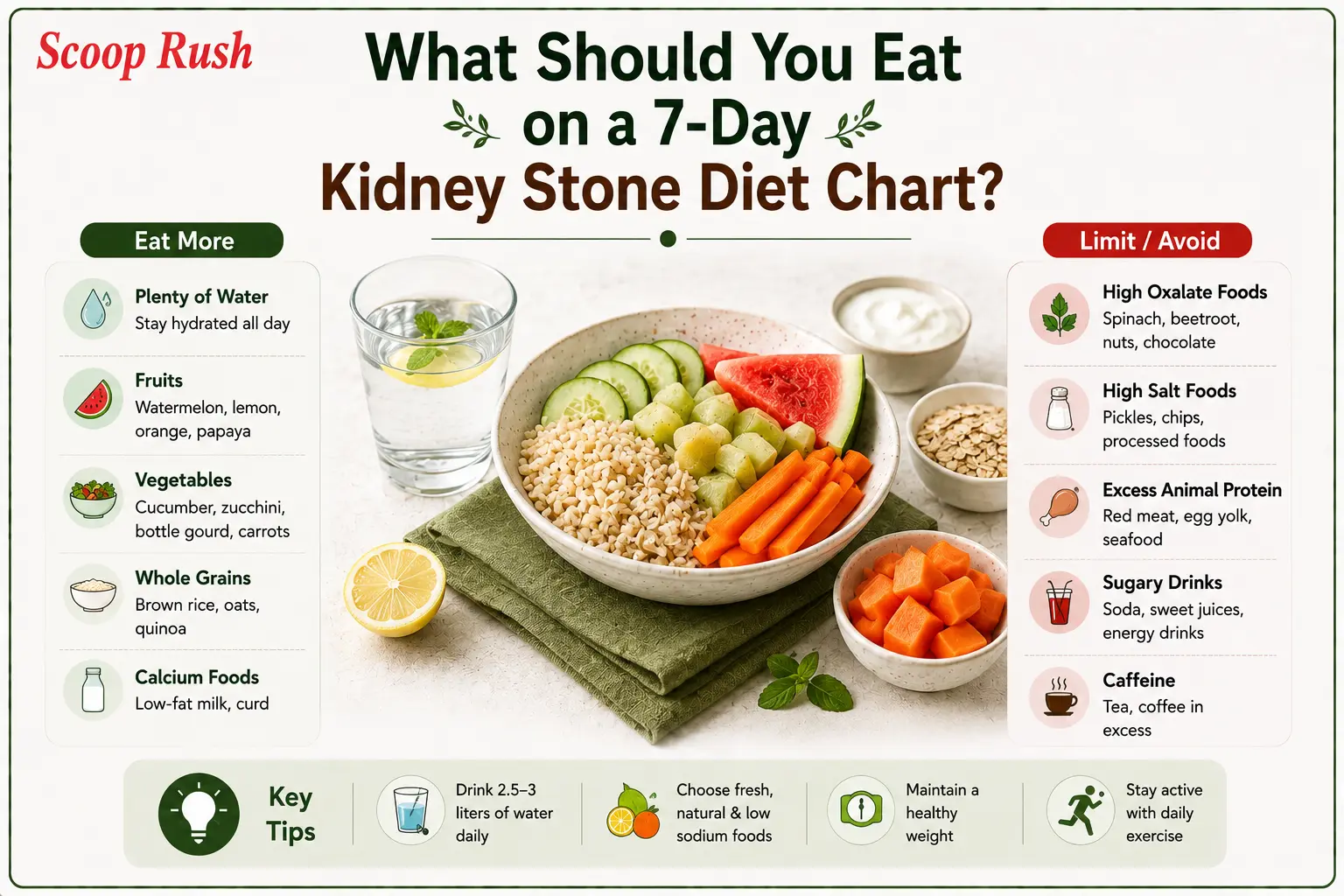
The Confusion Around Kidney Stone Diets
Kidney stones are among the most painful urinary problems. For many people, the concern isn’t just passing a stone it’s preventing another one from forming.
After a kidney stone diagnosis, many people look for a practical eating plan. They quickly become confused by conflicting dietary advice.
Why the Advice Feels Contradictory
Some recommendations say to avoid calcium. Others suggest getting enough calcium from food.
Some popular recipes promote spinach smoothies and nuts as healthy choices. But these foods can be high in oxalate and may need to be limited by people who form calcium oxalate stones. If you want to go deeper on managing oxalate intake specifically, this low-oxalate diet guide covers it in more detail.
Patients may leave a doctor’s appointment knowing they have kidney stones but still have questions about what to actually eat during a normal day. This gap between medical advice and practical meal planning is what this guide aims to address.
There’s No One-Size-Fits-All Plan
A kidney stone diet should not be viewed as a single fixed plan. Similar to how other therapeutic eating patterns, like a bland diet, are tailored to the individual, the best food choices depend on:
- The type of stone you form
- Your urine chemistry
- Your overall health
- Any other dietary restrictions from your healthcare professional
Why Does Stone Type Change Everything?
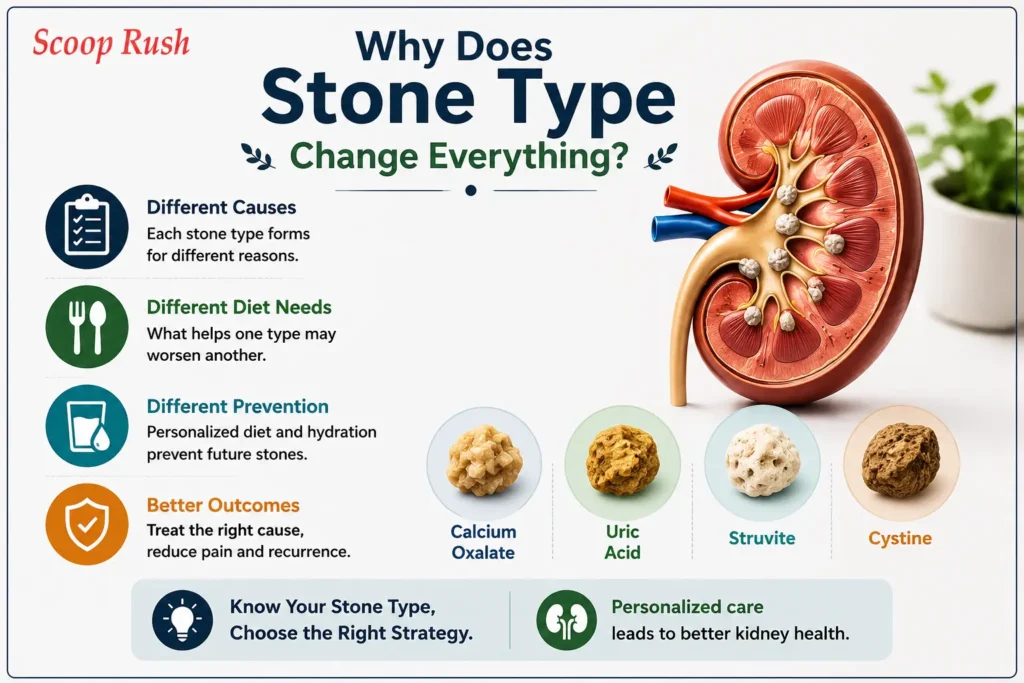
Diet plays an important role in kidney stone prevention. But the right approach depends on the type of stone you form.
Calcium Oxalate Stones
These are the most common type, so most general prevention strategies focus on them.
Other Stone Types Need Different Rules
Uric acid, struvite, and cystine stones have different causes and dietary considerations. A food choice that’s fine for calcium oxalate stones may not be appropriate for someone who forms uric acid stones.
- Uric acid stones: may need closer attention to animal protein and purine-rich foods
- Struvite stones: usually linked to urinary tract infections and require medical treatment
- Cystine stones: related to a genetic condition and need specialized management
Drinking enough fluid, especially water, is one of the most important lifestyle measures for preventing kidney stones. Your healthcare professional may also use stone analysis and urine testing to determine which dietary changes are most appropriate for you.
What Does This 7-Day Kidney Stone Diet Chart Cover?
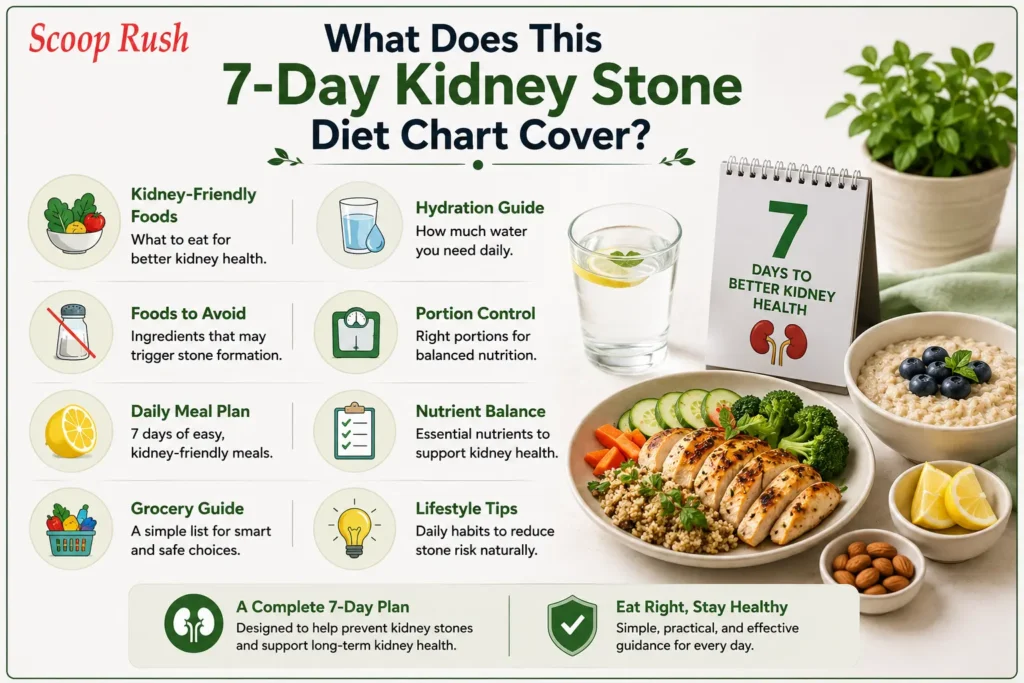
This guide provides a practical 7-day kidney stone meal plan with breakfast, lunch, dinner, snacks, hydration guidance, food swaps, a shopping list, and simple meal-prep tips.
Who the Plan Is Designed For
The plan is a general starting point for adults concerned about calcium oxalate kidney stones. It emphasizes:
- Adequate dietary calcium
- Lower sodium intake
- Sensible portions of animal protein
- Hydration
- Moderate intake of high-oxalate foods
A Note on the Numbers
The estimated oxalate amounts in the meal plan are approximate. Actual values vary depending on serving size, ingredients, preparation methods, and food brands.
This is an informational meal-planning guide, not a personalized medical diet. If you have chronic kidney disease, recurrent kidney stones, gout, dialysis requirements, a medically restricted potassium or protein intake, or another doctor-prescribed diet, speak with your physician or registered dietitian before following a plan like this.
Why Does Diet Matter for Kidney Stones?
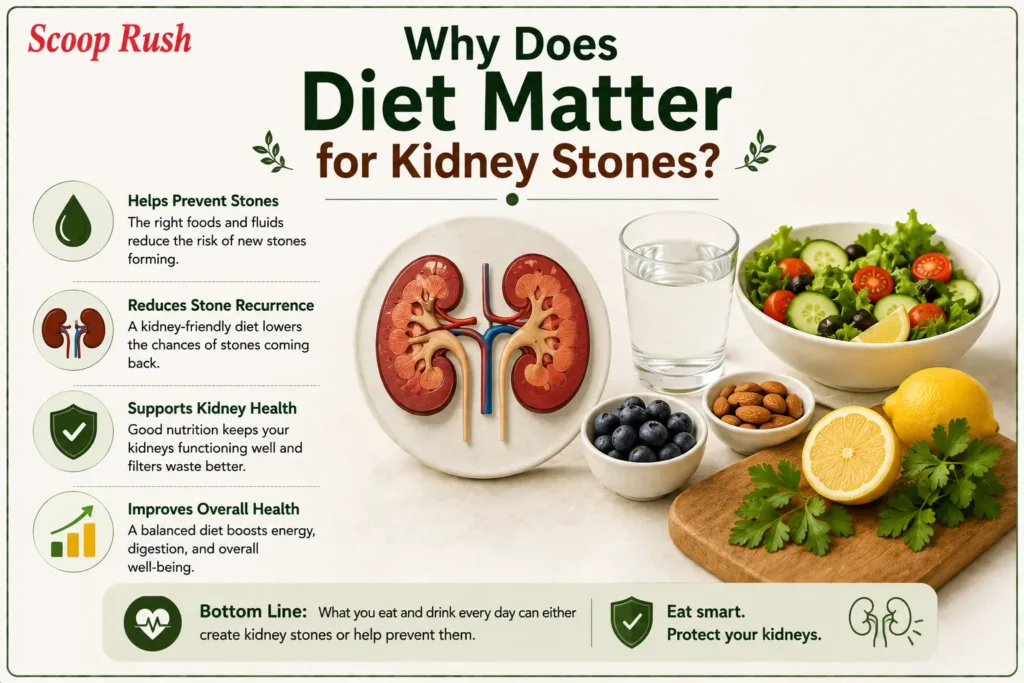
Diet can influence how concentrated your urine becomes. It can also affect the amount of calcium, oxalate, uric acid, sodium, and citrate present in your urine.
When urine becomes highly concentrated, crystals have a greater opportunity to form and grow. This is why maintaining adequate hydration is one of the most important parts of kidney stone prevention.
The Role of Sodium
A high-sodium diet can increase the amount of calcium released into the urine. This may increase the risk of calcium-containing stones.
The Role of Calcium
Completely eliminating calcium from your diet is usually not the answer. Adequate calcium from food can bind with oxalate in the digestive tract, reducing the amount of oxalate that’s absorbed and later excreted through the kidneys.
The Role of Animal Protein
Animal protein can also matter, particularly for people who form uric acid stones. Excessive intake may increase uric acid production and contribute to a more acidic urinary environment. Keeping portions moderate and avoiding excessive intake may be useful for some stone formers.
The Role of Citrate
Citrate can reduce the tendency of certain crystals to form and stick together. Citrus fruits such as lemons and oranges can contribute citrate to the diet.
Core Food Rules for a Kidney Stone Diet
| Rule | Why It Matters | Practical Tip |
| Drink enough fluid | Dilutes urine and reduces mineral concentration | Drink regularly throughout the day and adjust intake for heat and activity |
| Don’t eliminate calcium | Dietary calcium can reduce oxalate absorption | Choose calcium-rich foods such as milk and yogurt with meals |
| Limit sodium | High sodium can increase urinary calcium | Reduce processed, packaged, and heavily salted foods |
| Watch oxalate if needed | High-oxalate foods may increase urinary oxalate in susceptible people | Limit foods such as spinach and large amounts of nuts if advised |
| Moderate animal protein | Excessive animal protein can increase uric acid and affect citrate | Keep meat portions reasonable and vary protein sources |
| Consider purines for uric acid stones | Purine-rich foods can increase uric acid | Limit organ meats and certain seafood when appropriate |
| Include citrate-rich foods | Citrate can help reduce crystal formation | Add lemon or other citrus to meals and drinks |
Who Is This 7-Day Plan Best For?
This meal plan is a general starting point for adults who want a balanced, lower-sodium eating pattern with moderate oxalate intake particularly those concerned about calcium oxalate stone prevention.
Who Should Be More Cautious
It is not a therapeutic prescription for advanced kidney disease, dialysis, gout, or people who have specific protein, potassium, phosphorus, fluid, or sodium restrictions.
If you know you form uric acid, struvite, or cystine stones, use this plan only as a flexible template. Your dietary needs may differ depending on the underlying cause of your stones.
Important: Oxalate values are approximate and may vary by food variety, serving size, brand, and preparation method. Sodium, protein, and calcium values can also change depending on the ingredients used.
If you’ve had recurrent kidney stones, ask your healthcare professional whether stone analysis or 24-hour urine testing is appropriate. These tests can help identify the specific factors contributing to your stone formation.
7-Day Kidney Stone Diet Chart — Quick Overview
| Day | Theme | Estimated Oxalate | Main Protein |
| 1 | Hydration & calcium balance | ~70–75 mg | Salmon |
| 2 | Lower-oxalate comfort foods | ~80–85 mg | Turkey, chicken |
| 3 | Protein, produce & portion control | ~65–75 mg | Lean steak |
| 4 | Balanced & easy-to-digest meals | ~80–90 mg | Tuna, chicken |
| 5 | Lower-sodium, family-friendly meals | ~75–80 mg | Pork chop |
| 6 | Seafood option with flexible swaps | ~80–85 mg | Shrimp |
| 7 | Flexible weekend plan | ~85–95 mg | Chicken |
Day 1: Hydration and Calcium Balance
- Breakfast: Scrambled eggs, light cheddar, 2 slices white toast, 1 cup blueberries
- Snack: Greek yogurt with banana
- Lunch: Grilled chicken salad with romaine, cucumber, light parmesan, and olive oil-lemon dressing, plus 1 breadstick
- Snack: Watermelon cubes
- Dinner: Baked salmon, white rice, steamed broccoli, and salad with light vinaigrette
Why this works: Moderate protein portions paired with calcium-rich foods like yogurt and cheese, without leaning on processed or salty sauces.
Day 2: Lower-Oxalate Comfort Foods
- Breakfast: White-flour pancakes with a small amount of maple syrup, 2 slices lean turkey breast, and blueberries
- Snack: Cottage cheese with honeydew
- Lunch: Turkey and cheese sandwich with a peeled apple
- Snack: Lemon water and unsalted crackers
- Dinner: White pasta with grilled chicken and a light homemade cream sauce, green beans, and romaine salad
Why this works: Familiar comfort foods that skip common high-oxalate choices like spinach, nuts, and bran-heavy foods.
Day 3: Protein, Produce and Portion Control
- Breakfast: Cheese omelet with bell peppers and 2 slices white toast
- Snack: Grapes and string cheese
- Lunch: Chicken quesadilla made with a lower-sodium tortilla, served with cucumber
- Snack: Peeled apple slices
- Dinner: Grilled lean steak, about 4–5 oz, mashed potatoes, roasted cauliflower, and salad
Why this works: Bell peppers, cauliflower, cucumber, and grapes swap in for higher-oxalate vegetables like spinach. A moderate steak portion keeps the day from becoming protein-heavy.
Day 4: Balanced and Easy-to-Digest Meals
- Breakfast: White rice porridge with milk, banana, and a small amount of honey
- Snack: Vanilla yogurt with a lower-oxalate granola
- Lunch: Tuna sandwich, unsalted pretzels, and lemonade
- Snack: Peeled peach
- Dinner: Chicken pasta with a light cream sauce, broccoli, and a small garlic bread portion
Why this works: A mix of dairy-based calcium, moderate protein, fruits, vegetables, and lower-sodium choices.
Day 5: Lower-Sodium, Family-Friendly Meals
- Breakfast: Egg and cheese burrito with an orange
- Snack: Greek yogurt with honey
- Lunch: Chicken wrap with cantaloupe
- Snack: Buttermilk or plain lassi with no added salt
- Dinner: Grilled pork chop, about 4–5 oz, white rice, green beans, and cucumber salad
Why this works: Feels like normal family food rather than restrictive diet food, while a moderate pork portion avoids excess animal protein.
Day 6: Seafood Option With Flexible Swaps
- Breakfast: French toast, 1 sausage link, and fruit
- Snack: Cottage cheese with pineapple
- Lunch: Grilled cheese, lower-sodium tomato soup, and baby carrots
- Snack: Grapes or watermelon
- Dinner (calcium oxalate stone prevention): Shrimp scampi with white linguine, zucchini, and a small garlic bread portion
- Dinner alternative (uric acid stone formers): Replace shrimp with grilled chicken or tofu
Why this works: Adds variety while avoiding several high-oxalate foods. Shrimp can be swapped for a lower-purine option if uric acid stones are a concern.
Day 7: Flexible Weekend Plan
- Breakfast: Avocado toast and a fried egg
- Snack: Cheese cubes and grapes
- Lunch: Chicken and rice bowl with bell peppers, cucumber, light cheese, and sour cream
- Snack: Lightly salted popcorn and lemon water
- Dinner: Soft chicken tacos with homemade lower-sodium seasoning and white rice
Why this works: Keeps meals flexible while sticking to the core principles — moderate protein, reasonable sodium, adequate calcium, and regular hydration.
Low vs. High Oxalate Foods at a Glance
| Category | Lower-Oxalate Choices | Higher-Oxalate Foods to Limit |
| Vegetables | Cauliflower, cucumber, cabbage, bell peppers, zucchini, green beans | Spinach, beets, Swiss chard, rhubarb |
| Fruits | Bananas, grapes, watermelon, peeled apples, melon | Certain high-oxalate foods may need portion control |
| Grains | White rice, white pasta, white bread, sourdough | Wheat bran and bran cereals |
| Nuts/Snacks | Unsalted popcorn, pretzels | Nuts and nut butters |
| Drinks | Water, lemon water, milk | Large amounts of black tea and certain high-oxalate beverages |
| Protein | Eggs, chicken, turkey, fish, tofu | Organ meats and some seafood for people with uric acid stones |
Note: A food doesn’t automatically need to be eliminated just because it contains oxalate. Portion size, frequency, overall diet, and your individual urine chemistry all matter.
Complete Shopping List
Produce: Romaine lettuce, iceberg lettuce, cucumbers, bell peppers, broccoli, cauliflower, green beans, zucchini, baby carrots, bananas, blueberries, grapes, apples, peaches, oranges, cantaloupe, honeydew, watermelon, pineapple, avocado, and lemons.
Protein: Chicken breasts, sliced turkey breast, eggs, salmon, shrimp, lean steak, pork chops, tuna, and tofu. If you have uric acid stones, discuss seafood and other purine-rich foods with your healthcare professional and use appropriate alternatives.
Dairy: Milk, Greek yogurt, vanilla yogurt, cottage cheese, cheddar, parmesan, string cheese, sour cream, and butter.
Grains: White bread, white rice, white pasta, tortillas, breadsticks, garlic bread, unsalted crackers, pretzels, and pancake mix.
Pantry: Olive oil, maple syrup, honey, garlic, cumin, lime, homemade lower-sodium seasoning blends, and ingredients for light vinaigrette.
Hydration Tips That Actually Help
Hydration is one of the most important parts of kidney stone prevention. Drinking enough fluid helps dilute the substances that can contribute to crystal formation.
Fluid Needs Aren’t the Same for Everyone
Rather than a fixed number for everyone, fluid needs should be adjusted for body size, activity level, climate, sweating, and medical conditions.This matters even more during extreme weather — see this heat and humidity risks for older adults guide for staying safe when temperatures climb.
For people with a history of kidney stones, healthcare professionals may recommend drinking enough fluid to produce a high urine volume. Your doctor can help set an appropriate target, especially if you have a condition that requires fluid restriction.
Practical Habits to Try
- Start the day with a glass of water before breakfast.
- Drink regularly throughout the day instead of waiting until you’re very thirsty.
- Have water with meals and snacks.
- Carry a refillable water bottle as a reminder to drink.
- Add lemon to water if you enjoy the flavor and have no reason to avoid citrus.
- Increase fluid intake during hot weather or exercise. Pairing hydration habits with simple movement, like a 5-minute walk every hour, can reinforce both goals at once.
Pale-yellow urine can be a useful general hydration indicator, though it isn’t a substitute for medical guidance.
Meal Prep Tips for Busy Weeks
- Cook rice in bulk so you have an easy side dish for several meals.
- Grill or bake chicken ahead of time and season individual portions as needed.
- Wash and chop cucumbers, lettuce, and bell peppers at the start of the week.
- Keep yogurt, cheese sticks, and fruit easily visible in the refrigerator.
- Prepare homemade lower-sodium seasoning blends instead of relying on packaged mixes.
- Pre-portion snacks so you’re less likely to reach for salty processed foods.
- Keep a water bottle nearby throughout the day.
- Check food labels for sodium when buying bread, sauces, soups, deli meats, and packaged snacks.
Common Mistakes People Make on a Kidney Stone Diet
1. Cutting Out Calcium Completely
One of the most common misconceptions is that people with calcium-containing kidney stones should avoid calcium.
For many calcium oxalate stone formers, adequate calcium from food can actually help — it can bind oxalate in the digestive tract and reduce oxalate absorption.
Unless your healthcare professional has specifically told you to restrict calcium, don’t assume eliminating dairy is the best way to prevent stones.
2. Assuming Every Healthy Food Is Stone-Friendly
Foods can be nutritious and still require portion control for certain stone formers.
Spinach, nuts, almond-based products, and bran cereals are all nutritious, but some are relatively high in oxalate. If you form calcium oxalate stones, large amounts may not fit well into your prevention plan.
The goal isn’t to label every food “good” or “bad.” It’s to understand which foods matter for your particular stone type and urine chemistry.
3. Ignoring Sodium While Focusing Only on Oxalate
A person may carefully avoid spinach and nuts but still eat large amounts of processed meats, canned soups, packaged sauces, salty snacks, and restaurant meals.
High sodium intake can increase urinary calcium, so sodium reduction should remain an important part of a calcium-stone prevention strategy.
Choose fresh foods when possible and compare nutrition labels when buying packaged products.
4. Treating Every Kidney Stone Type the Same
Different kidney stones have different causes.
Uric acid stones may need greater attention to animal protein and purine-rich foods. Struvite stones are strongly linked to urinary tract infections and usually need medical treatment. Cystine stones result from a genetic disorder and require specialized medical management.
That’s why knowing your stone type matters so much.
5. Eating Too Much Animal Protein
A large steak, a big pork chop, processed meat, and seafood across the same week can add up to a high overall protein intake.
This doesn’t mean eliminating meat. Use moderate portions and include a variety of protein sources instead.
6. Depending on Sugary or Highly Processed Drinks
Water should remain the main beverage for most people trying to prevent kidney stones.
Sugary drinks, heavily caffeinated beverages, and highly processed drinks shouldn’t replace regular water intake. If you’re weighing your options, this comparison of Diet Coke vs. Coke Zero breaks down how similar diet sodas differ. If you enjoy flavored drinks, unsweetened lemon or citrus-infused water is a simpler, hydration-friendly alternative.
7. Ignoring Testing After Recurrent Stones
If you’ve had kidney stones more than once, a generic diet chart may not be enough.
Stone analysis and, when appropriate, 24-hour urine testing can provide useful information about what’s contributing to stone formation.
A personalized plan based on those results is generally more useful than following a generic list of foods.
Final Thoughts
So, what should you eat on a 7-day kidney stone diet chart?
The answer isn’t a single list of forbidden foods. A practical kidney stone prevention plan generally focuses on adequate hydration, appropriate calcium from food, lower sodium intake, sensible protein portions, and dietary adjustments based on your stone type.
You don’t need to eliminate calcium, follow a trendy detox, or survive on extremely restrictive meals. Instead, aim for a sustainable eating pattern you can realistically maintain over the long run — the same way building healthy habits in your 20s and 30s pays off well beyond any short-term plan.
The most important step is understanding your own stone type. If you’ve had a kidney stone, ask your healthcare professional whether it can be analyzed and whether additional urine testing is appropriate.
A personalized plan based on your stone composition and urine chemistry is far more useful than a generic diet chart, because it addresses the specific factors contributing to your risk.
If you need a practical starting point, this 7-day chart provides a balanced framework that can be adapted to your individual needs. Use it as a guide, not a substitute for professional medical advice.
Disclaimer: This article is for general informational purposes only and is not a substitute for professional medical advice, diagnosis, or treatment. Always consult a physician, nephrologist, or registered dietitian before making significant dietary changes, especially if you have recurrent kidney stones, kidney disease, gout, or another medical condition requiring dietary restrictions.
FAQs
Do I need to avoid all dairy if I have kidney stones?
No. Many people with calcium oxalate stones don’t need to eliminate dairy. Adequate dietary calcium can help bind oxalate in the digestive tract. Individual needs vary, so follow your healthcare professional’s advice if you’ve been given a specific calcium restriction.
Is a low-oxalate diet the same as a low-calcium diet?
No, these are two different approaches.
A low-oxalate diet limits foods relatively high in oxalate, such as spinach and certain nuts. A low-calcium diet restricts calcium-containing foods. For many calcium oxalate stone formers, unnecessarily restricting dietary calcium isn’t recommended.
Can I drink coffee or tea on this plan?
Moderate coffee may fit into a kidney stone prevention diet for many people — though how and when you drink it matters too, as covered in this guide on drinking coffee on an empty stomach.
Some types of tea, particularly black tea, can contain significant amounts of oxalate. If you form calcium oxalate stones, discuss your usual tea intake with your healthcare professional.
How long should I follow a kidney stone prevention diet?
Kidney stone prevention is generally a long-term lifestyle approach, not a short-term diet. The exact recommendations depend on your stone type, recurrence history, urine chemistry, and overall health.
Should I take calcium supplements instead of getting calcium from food?
Don’t start calcium supplements specifically for kidney stone prevention without discussing them with your healthcare professional.
For many calcium oxalate stone formers, calcium from food with meals is preferred because it can bind dietary oxalate during digestion. Supplements may be appropriate for other medical reasons, but timing and dosage should be discussed with a healthcare professional. It’s also worth understanding the risks of taking too many vitamins or supplements before adding anything new to your routine.
Will drinking more water actually make a noticeable difference?
Adequate hydration is one of the most important lifestyle measures for preventing kidney stones. More dilute urine makes it harder for stone-forming substances to reach high concentrations.
That said, the appropriate amount of fluid is individual particularly for people with kidney, heart, or other conditions affecting fluid balance.
Can I still eat at restaurants on a kidney stone diet?
Yes. Eating out occasionally can still fit into a kidney stone prevention plan.
Focus on grilled or simply prepared foods, moderate protein portions, suitable sides, and lower-sodium choices. Ask for sauces and dressings on the side, and request less added salt when possible.
Do I need repeat urine or blood testing while following this diet?
If you have recurrent kidney stones, your healthcare professional may recommend follow-up testing. A 24-hour urine collection can help determine whether dietary changes are improving the factors linked to stone formation. The need for repeat testing depends on your individual medical history.
Can This 7-Day Plan Be Repeated?
Yes, but it’s better to use this meal plan as a template rather than following it rigidly.
You can rotate proteins, change fruits and vegetables, and adjust meals to your preferences while keeping the main principles consistent:
- Stay adequately hydrated.
- Get appropriate calcium from food.
- Keep sodium intake under control.
- Use moderate portions of animal protein.
- Limit high-oxalate foods when appropriate for your stone type.
- Pay attention to purine-rich foods if you form uric acid stones.
- Follow any individualized recommendations from your healthcare professional.
If your stone type or urine testing points to a specific dietary issue, modify the plan accordingly rather than assuming the same menu works for everyone.

