
Food choices have become an important part of conversations about both health and the environment. As concerns about chronic diseases and climate change continue to grow, many people are becoming interested in eating more plant-based foods.
A plant-based diet is no longer seen as a niche lifestyle. It is now widely discussed in nutrition, healthcare, and everyday life, often alongside broader efforts to build healthy habits in your 20s and 30s.
However, understanding what plant-based eating actually means can help separate evidence-based benefits from trendy marketing claims.
What Does “Plant-Based” Actually Mean?
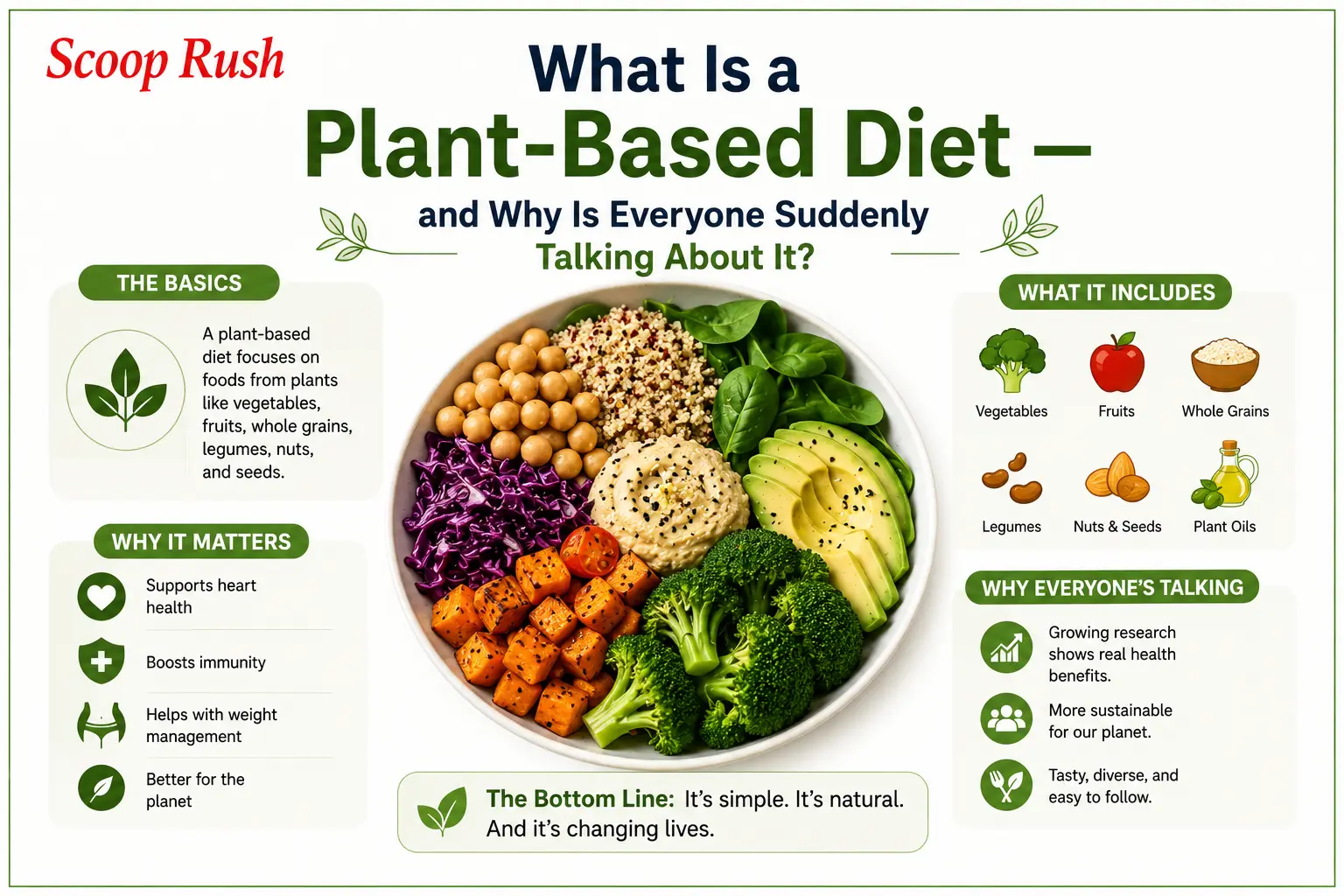
A plant-based diet focuses mainly on foods that come from plants. These include:
- Fruits
- Vegetables
- Whole grains
- Legumes
- Nuts
- Seeds
Depending on the individual approach, animal products may be reduced or completely avoided. Plant-based eating is not one strict diet instead, it describes a range of eating patterns that place greater emphasis on plant foods.
It is also important to consider the quality of the foods being eaten, since not all plant-derived foods provide the same nutritional value:
- Processed foods have been altered from their natural state and may contain added sugar, salt, or preservatives.
- Whole foods remain close to their natural form, such as vegetables, fruits, legumes, and whole grains.
- Refined grains have had parts of the grain removed, which can reduce their fiber and nutrient content. Examples include white flour, white bread, and white rice.
For this reason, a healthy plant-based diet generally focuses more on whole and minimally processed foods.
The Different Types of Plant-Based Diets
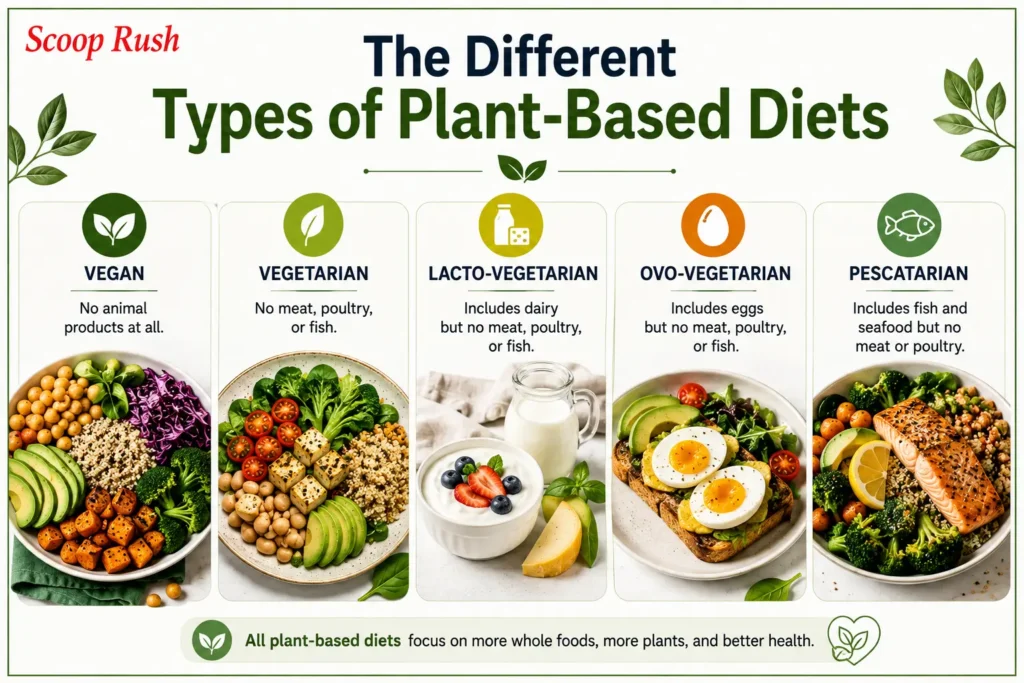
Plant-based eating can look different from person to person. Some common approaches include:
- Vegetarian – avoids meat and seafood but may include eggs and dairy.
- Pescatarian – focuses mainly on plant foods while also including seafood.
- Flexitarian – emphasizes plant foods but allows occasional meat or other animal products.
- Mediterranean-style eating – focuses on vegetables, fruits, legumes, whole grains, and healthy fats while limiting red and processed meat.
- Vegan – avoids all animal products, including meat, seafood, dairy, and eggs.
There is no single approach that works best for everyone. A person who eats mostly plants but occasionally includes fish or eggs may still follow a plant-forward eating pattern.
It’s also worth understanding what sits at the opposite end of the spectrum. Diets built almost entirely around animal foods, such as an animal-based diet or a strict carnivore diet, take the reverse approach by minimizing or eliminating plant foods altogether. Comparing these opposite patterns can help clarify why fiber, plant compounds, and food variety matter so much in nutrition research.
What matters most is the overall quality of the diet and the proportion of nutritious plant foods included regularly.
Health Benefits of Eating More Plant Foods
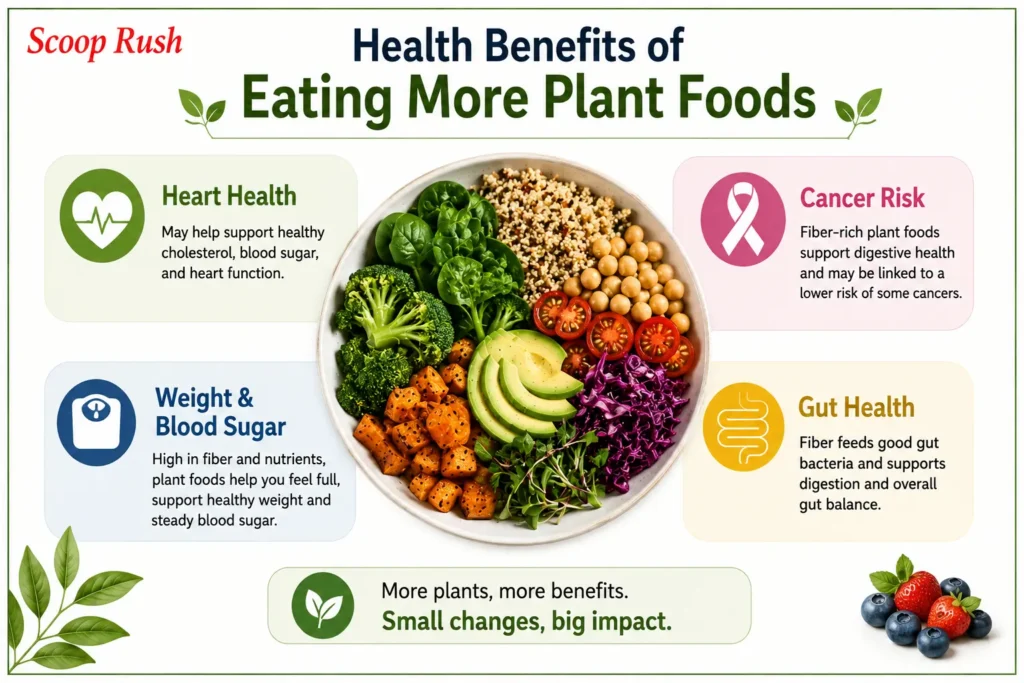
A growing body of research suggests that diets rich in whole plant foods may support several aspects of health.
Heart Health
Plant-based eating patterns are often associated with improved cardiovascular health. Diets rich in vegetables, fruits, whole grains, legumes, nuts, and seeds may help support healthy cholesterol levels and blood sugar control.
A 2023 review reported that vegetarian populations often showed favorable health markers, including differences in:
- Body mass index
- Blood glucose
- Cholesterol and triglycerides
- Uric acid
- C-reactive protein
However, individual results can vary depending on the overall quality of the diet and other lifestyle factors.
Cancer Risk
Diet is one of several lifestyle factors that may influence cancer risk. Some research has found associations between vegetarian or vegan dietary patterns and a lower incidence of certain cancers.
Fiber-rich foods may contribute to digestive health by:
- Supporting regular bowel movements
- Feeding beneficial gut bacteria
- Reducing the time waste remains in the digestive tract
However, diet is only one factor involved in cancer risk. Genetics, physical activity, smoking, alcohol use, and other lifestyle factors can also play an important role.
Weight Management and Blood Sugar
Whole plant foods are often naturally high in fiber and water while being relatively low in calorie density. This combination may help people feel full and satisfied.
Foods such as beans, lentils, vegetables, fruits, and whole grains can also support a balanced diet and healthy blood sugar management. This is one reason plant-forward eating is sometimes discussed alongside other structured approaches like a low-carb diet, since both can influence blood sugar, though through different mechanisms.
A plant-based diet does not automatically lead to weight loss. The overall amount and quality of food consumed still matter, and for people managing weight through medication, it’s worth understanding how nutrition intersects with concerns like GLP-1-related muscle loss.
Gut Health
Plant foods provide different types of dietary fiber that may support a diverse gut microbiome. A varied diet containing fruits, vegetables, legumes, whole grains, nuts, and seeds may help support beneficial gut bacteria and digestive health.
However, people with digestive conditions such as IBS may respond differently to high-fiber foods. Some individuals may need to increase fiber gradually or temporarily limit certain foods depending on their symptoms.
The Environmental Benefits of Plant-Based Eating
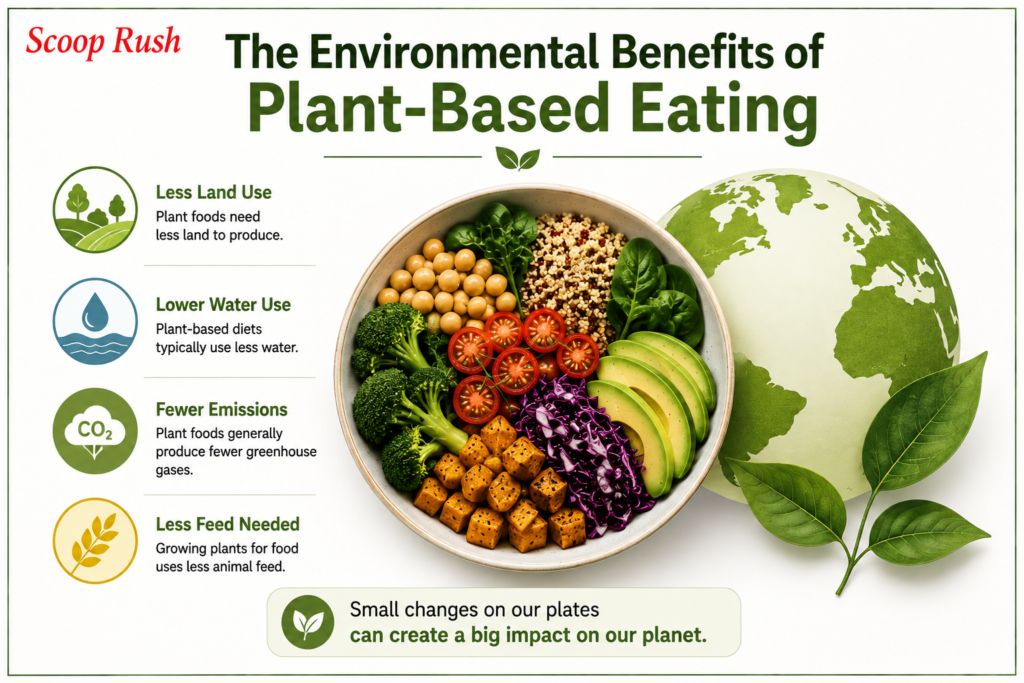
Health is not the only reason people are interested in eating more plants. Food production can also have an environmental impact.
Animal-based foods, particularly certain types of meat, may require more land, water, and other resources than many plant foods. Environmental concerns linked to animal agriculture can include:
- Land use
- Water use
- Greenhouse gas emissions
- Feed production
Replacing some animal-based meals with plant-based options may help reduce the environmental impact of an individual’s diet. This does not necessarily mean that everyone needs to become fully vegetarian or vegan even small and sustainable changes may make a difference over time.
Not All Plant-Based Foods Are Healthy
One important point is often overlooked: a food can be plant-based and still be highly processed. For example:
- Potato chips
- Sugary drinks
- Candy
- Refined pastries
- Highly processed snack foods
These may technically come from plant ingredients, but they do not provide the same nutritional benefits as whole or minimally processed foods.
A healthier plant-based eating pattern generally emphasizes vegetables, fruits, whole grains, beans and lentils, and nuts and seeds. The goal is not simply to remove meat — it is to replace less nutritious foods with a greater variety of nutrient-rich plant foods.
What to Eat on a Plant-Based Diet
A whole-food, plant-based approach can include a wide variety of foods.
| Food Group | Examples |
| Whole Grains | Brown rice, quinoa, oats, barley, farro, millet |
| Legumes | Lentils, chickpeas, black beans, kidney beans |
| Leafy Greens | Spinach, kale, arugula, chard |
| Root Vegetables | Carrots, beets, sweet potatoes |
| Other Vegetables | Broccoli, cauliflower, peppers, tomatoes |
| Fruits | Berries, apples, citrus fruits, bananas, mangoes |
| Nuts and Seeds | Almonds, walnuts, chia seeds, flaxseed |
| Soy Foods | Tofu, tempeh, edamame |
| Beverages | Water, herbal tea, green tea, plant-based milk |
Why Legumes Are Important
Beans, lentils, chickpeas, and other legumes can be especially useful in a plant-based diet because they are:
- Good sources of plant protein
- High in fiber
- Affordable
- Versatile
- Easy to store
They can be added to soups, salads, grain bowls, curries, and many other meals.
How to Start a Plant-Based Diet
You do not have to change your entire diet overnight. Small changes are often easier to maintain.
- Choose more whole grains. Try brown rice instead of white rice, oatmeal instead of sugary cereal, or whole-grain bread instead of white bread.
- Add plant protein to familiar meals. Include lentils in soups or curries, chickpeas in salads, black beans in tacos, or tofu in stir-fries.
- Start with one or two plant-based meals. You do not need to remove all animal products immediately begin by making one or two meals each week more plant-focused.
- Keep meals simple. One-pot meals, sheet-pan recipes, soups, and grain bowls can make plant-based cooking easier.
- Focus on flavor. Herbs, spices, garlic, lemon juice, sauces, and seasonings can make plant-based meals more enjoyable.
Common Challenges and How to Manage Them
Changing eating habits can sometimes be challenging. Here are the most common concerns people run into, and practical ways to work around them:
- Mixed-diet households: Meals such as grain bowls, salads, wraps, and tacos can allow each person to choose their preferred ingredients.
- Limited time: Frozen vegetables, canned beans, and batch-cooked grains can make meal preparation faster.
- Budget concerns: Foods such as beans, lentils, rice, oats, and seasonal vegetables can be affordable options, often cheaper than meat-based meals.
- Unfamiliar foods: You do not need to completely change your favorite meals start by adapting familiar dishes and gradually trying new ingredients.
Common Myths About Plant-Based Eating
A lot of hesitation around plant-based eating comes from a few persistent myths.
- “You’ll always feel hungry.” Whole plant foods can be high in fiber and water, which may help support fullness. Including adequate protein, healthy fats, and complex carbohydrates can also make meals more satisfying.
- “It’s only for weight loss.” Plant-based eating can be followed for many reasons, including personal preference, environmental concerns, and general health. It is not only a weight-loss diet.
- “You have to eat only salad.” Plant-based eating includes far more than salads curries, soups, pasta dishes, grain bowls, tacos, stir-fries, and bean-based meals from many cuisines all qualify.
- “You must go 100% plant-based.” Not necessarily. A flexible approach that includes more plant foods may still offer benefits and can be easier for some people to maintain long term.
A Sample Day of Plant-Based Eating
Here is one simple example of what a day might look like:
- Breakfast: Oatmeal topped with berries, chia seeds, and peanut butter, or try a few gluten-free breakfast ideas if you’re avoiding gluten as well.
- Lunch: Quinoa with roasted vegetables, chickpeas, and a lemon-tahini dressing.
- Snack: Hummus with carrot and cucumber sticks, or a handful of almonds.
- Dinner: Lentil and vegetable curry served with brown rice and a side salad.
- Dessert: Fresh fruit or a small amount of dark chocolate.
These meals use simple ingredients and can be adjusted according to personal preferences and nutritional needs. If baked goods are part of your routine, it also helps to know that some breads are naturally plant-based this guide to whether bread is vegan breaks down which types fit a plant-based diet and which don’t.
Plant-Based Eating Around the World
Plant-focused eating is not a new concept. Many traditional eating patterns around the world include large amounts of legumes, vegetables, fruits, and grains, including lentil-based meals from South Asia, chickpea dishes from Mediterranean cuisine, bean-based meals from Latin American cuisine, and vegetable-and-rice dishes from East and Southeast Asia.
These examples show that plant-based eating can be diverse, flavorful, and flexible. The goal does not have to be perfection building healthier habits gradually may be more sustainable than following a strict plan that is difficult to maintain.
Supplements, Nutrients, and Staying Balanced
People following a strict vegan diet may need to pay particular attention to certain nutrients, but that doesn’t automatically mean reaching for a supplement aisle full of pills. In fact, it’s worth understanding the risks of taking too many vitamins and supplements before adding anything beyond what a healthcare provider recommends.
A registered dietitian or healthcare professional can help assess individual needs around vitamin B12, iron, calcium, vitamin D, omega-3 fatty acids, and protein, and can advise whether food sources or targeted supplementation make more sense for your situation.
Beyond the Plate: Lifestyle Habits That Complement a Plant-Based Diet
Diet is only one part of a healthy lifestyle. Simple daily movement, like taking a five-minute walk every hour, can complement the metabolic benefits already associated with a plant-forward eating pattern.
Combining consistent movement with a diet built around whole plant foods tends to produce better long-term results than focusing on food alone, particularly for blood sugar control and cardiovascular health.
Special Considerations for Specific Diets and Conditions
Plant-based eating doesn’t exist in isolation many people are also managing other dietary needs at the same time, and it helps to know how these overlap. For someone avoiding gluten, focusing on naturally gluten-free whole grains like quinoa, brown rice, and oats makes it easier to stay plant-based without extra complexity.
Athletes and highly active individuals following a plant-based diet also have unique considerations, particularly around meeting higher calorie and protein needs. Timing protein intake around workouts, choosing calorie-dense whole foods like nuts and avocados, and tracking overall intake for the first few weeks can help ensure a plant-based approach supports rather than hinders performance goals.
Final Thoughts
A plant-based diet does not have to mean giving up every food you enjoy or following strict rules. For many people, it simply means eating more vegetables, fruits, legumes, whole grains, nuts, and seeds while reducing highly processed foods and, if desired, some animal products.
The most important thing is to create an eating pattern that is nutritious, enjoyable, and sustainable for your lifestyle. Whether you start with one plant-based meal a week or make larger changes, focusing on more whole and minimally processed foods can be a practical place to begin.
FAQs
Is a plant-based diet the same as being vegan?
No. Veganism excludes all animal products. Plant-based eating is a broader term and may include vegetarian, pescatarian, flexitarian, or other plant-forward eating patterns.
Can you get enough protein on a plant-based diet?
Yes. Foods such as legumes, tofu, tempeh, edamame, nuts, seeds, and some whole grains can contribute protein to the diet. Individual protein needs vary depending on age, body size, activity level, and other factors.
Do you need to go 100% plant-based?
No. Some people choose a fully vegan diet, while others simply increase the number of plant-based meals they eat. A flexible approach may be easier to maintain for many people.
Are plant-based diets good for gut health?
A diet rich in a variety of fiber-containing plant foods may support a diverse gut microbiome. However, individual responses can vary, especially for people with digestive conditions.
What nutrients should plant-based eaters watch?
People following a strict vegan diet may need to pay particular attention to nutrients such as vitamin B12, iron, calcium, vitamin D, omega-3 fatty acids, and protein. A registered dietitian or healthcare professional can help with individual nutritional needs.
Is a plant-based diet expensive?
Not necessarily. Staples such as beans, lentils, oats, rice, potatoes, and seasonal vegetables can be affordable.
How quickly will you notice changes?
The experience varies from person to person. Changes in digestion, energy levels, weight, cholesterol, or blood sugar may depend on the individual’s previous diet, overall lifestyle, and consistency.
Can children and older adults follow a plant-based diet?
Yes, but their nutritional needs require careful attention. Children, older adults, and people with specific health conditions may benefit from guidance from a qualified healthcare professional or registered dietitian.
Is it better to start gradually?
For many people, yes. Starting with a few plant-focused meals each week can make the transition feel more manageable and sustainable.

