

Imagine losing hours every week to tasks a simple tool could handle in minutes. Now imagine finally fixing that problem. That is the promise behind Sharpener Tech, and it is why more businesses are paying attention.
Introduction
What if the biggest reason your business feels stuck is not money or manpower, but the technology you have not adopted yet? That question is exactly why Sharpener Tech has become part of the conversation for business owners searching for smarter digital solutions. As companies race to keep up with a fast-changing digital world, Sharpener Tech represents the kind of technology-driven approach many are now exploring.
Technology today goes far beyond computers or a simple website. It covers artificial intelligence, cloud services, cybersecurity, automation, and data management, and all of these work together to make daily operations smoother. Businesses that understand this shift gain a real advantage, while those that ignore it often fall behind their competitors, and some are even asking whether AI will replace their jobs altogether.
This guide breaks down what Sharpener Tech means for beginners. It explains why it matters, how to put technology solutions to work step by step, and what to watch out for along the way. Whether you run a small business or are simply curious about digital transformation, this article walks you through it clearly.
What Is Sharpener Tech?
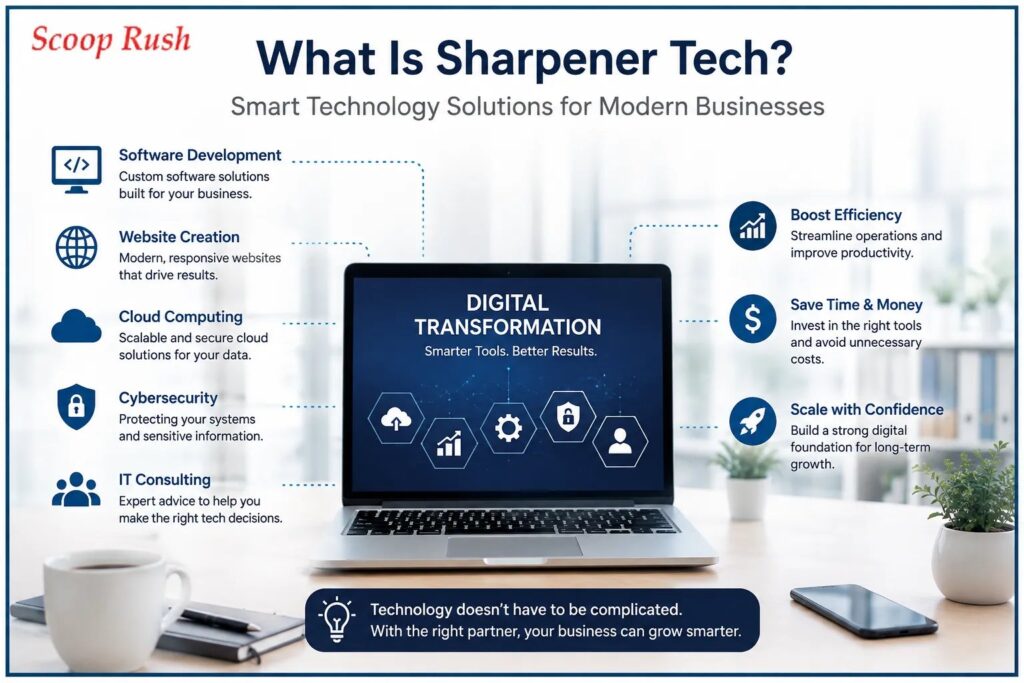
Sharpener Tech refers to a technology-focused brand or organization that helps businesses and individuals solve technical challenges through digital solutions. Depending on the specific service, this can include software development, website creation, cloud computing, IT consulting, cybersecurity, or broader digital transformation support.
Companies that follow this technology-focused model build systems that make daily operations easier and more productive. Instead of leaving businesses to figure out complicated tech decisions alone, they combine modern tools with hands-on expertise. As a result, clients can adopt digital solutions that genuinely support growth instead of adding unnecessary complexity.
For someone new to the technology space, working with a provider like this turns an overwhelming project into a manageable one. Professional guidance means businesses invest in tools that actually fit their goals, rather than spending money on software they do not need.
Why Beginners Should Pay Attention to Sharpener Tech
Many first-time business owners assume technology adoption is only for large corporations with big budgets. However, that assumption often costs them time and money later. Understanding the basics early makes it far easier to scale operations without a painful, expensive overhaul down the road.
Why Sharpener Tech Matters Right Now
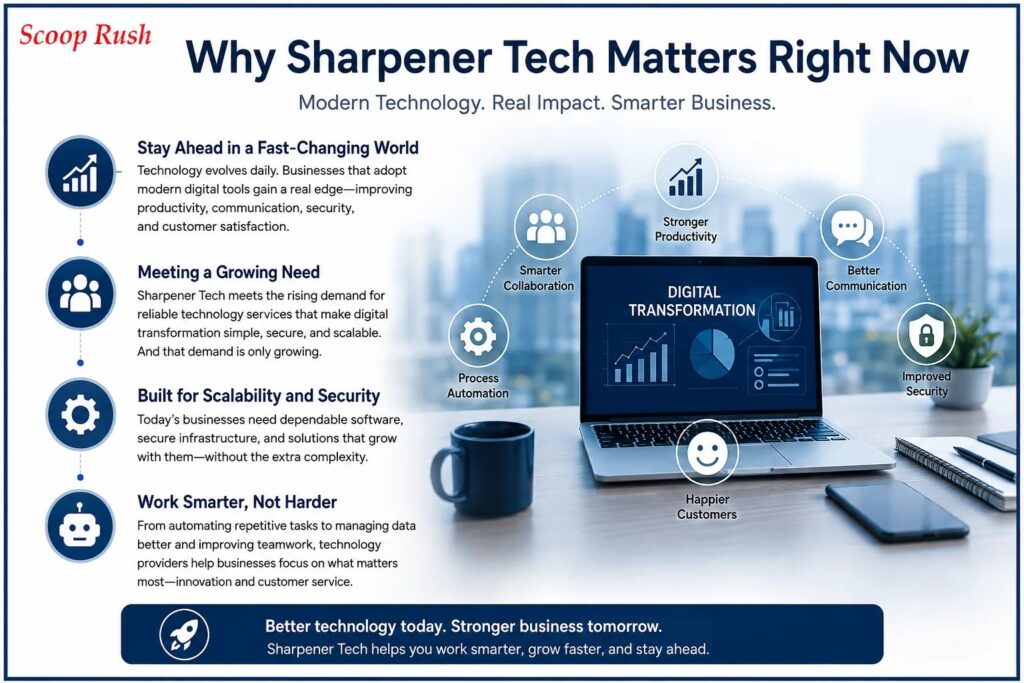
Technology keeps evolving at a pace that is hard for most organizations to track on their own, as seen with newer models like Kimi K3 and Qwen3 entering the market regularly. Consequently, businesses that adopt modern digital tools tend to see real advantages, including stronger productivity, better internal communication, improved security, and happier customers.
Sharpener Tech reflects a growing demand for technology services that make digital transformation less intimidating. Today’s businesses need dependable software, secure infrastructure, and solutions that can scale as they grow, and that need is not slowing down anytime soon.
Technology providers also ease operational pressure by automating repetitive tasks, improving how data gets managed, and helping teams collaborate more effectively. As a result, organizations can spend more energy on innovation and customer service instead of getting buried in manual processes.
Step-by-Step Guide to Using Sharpener Tech Solutions
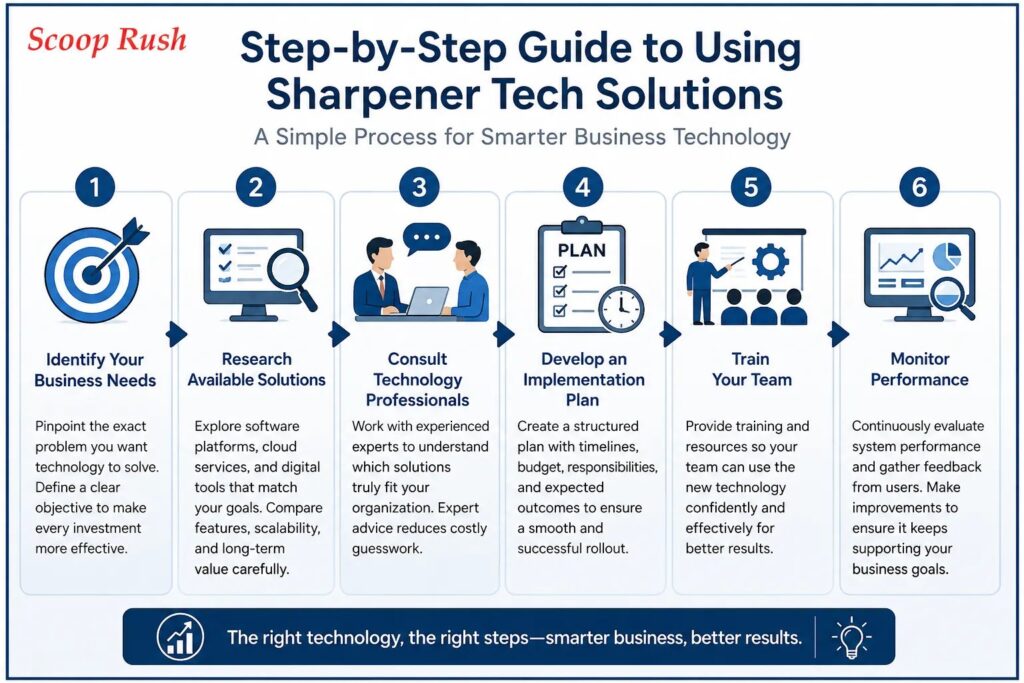
Adopting new technology can feel overwhelming without a clear plan. The following steps break the process into manageable pieces so beginners know exactly where to start.
Step 1: Identify Your Business Needs
Start by pinpointing the exact problem you want technology to solve. Are you trying to improve communication, boost efficiency, or tighten up security? Defining a clear objective first makes every technology investment that follows far more effective.
Step 2: Research Available Solutions
Once your goals are clear, explore the software platforms, cloud services, and digital tools that match them. Compare features, scalability, and long-term value carefully before settling on any single option.
Step 3: Consult Technology Professionals
Working with experienced experts helps you understand which solutions genuinely fit your organization, whether that means reviewing AI tools like Abacus AI or evaluating other platforms. Professional advice reduces costly guesswork and increases the odds of a smooth rollout.
Step 4: Develop an Implementation Plan
A structured plan should include realistic timelines, a budget, clear responsibilities, and expected outcomes. This kind of roadmap keeps disruptions to a minimum while new systems go live.
Step 5: Train Your Team
New technology only delivers value if people know how to use it. Training builds confidence, reduces errors, and ultimately drives better returns on the investment.
Step 6: Monitor Performance
After rollout, keep evaluating how the system performs and gather feedback from the people using it daily. Ongoing monitoring helps you catch problems early and ensures the technology keeps supporting your business goals over time.
Benefits of Choosing Sharpener Tech Solutions
Businesses that embrace this kind of technology-driven approach typically notice several advantages:
- Improved operational efficiency
- Stronger support for digital transformation
- Higher overall productivity
- More room for innovation
- Better cybersecurity awareness
- Automation of repetitive tasks
- Improved collaboration across teams
- Better customer experiences
- Scalable solutions that grow with the business
- A stronger foundation for long-term growth
Disadvantages and Challenges to Consider
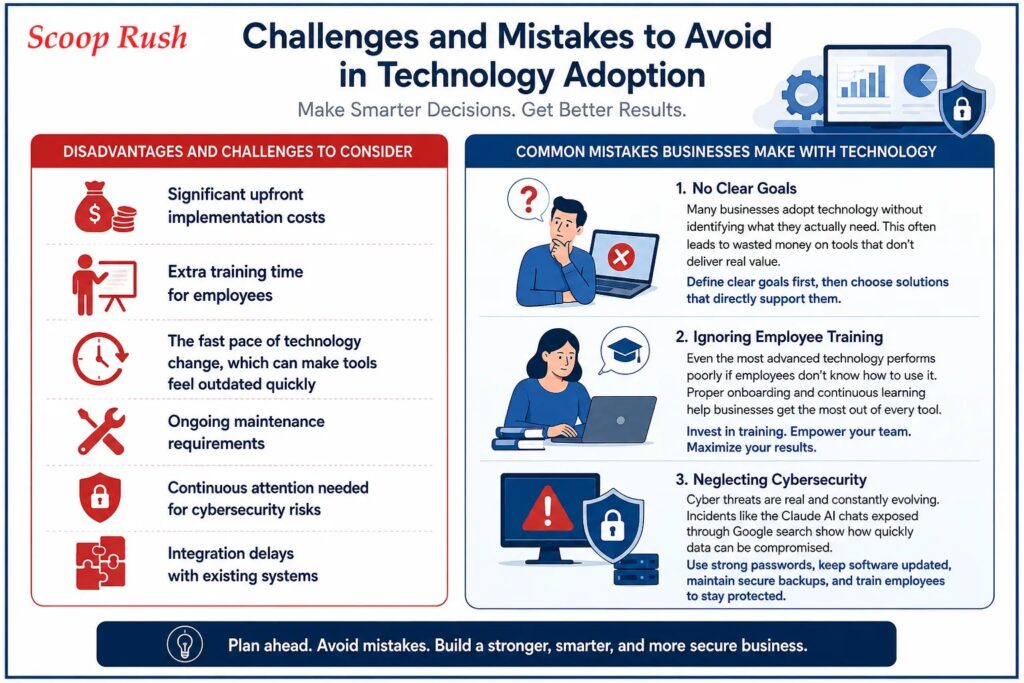
No technology adoption comes without trade-offs, so it helps to go in with realistic expectations. Common challenges include:
- Significant upfront implementation costs
- Extra training time for employees
- The fast pace of technology change, which can make tools feel outdated quickly
- Ongoing maintenance requirements
- Continuous attention needed for cybersecurity risks
- Integration delays with existing systems
Common Mistakes Businesses Make With Technology
Many businesses jump into new technology without first identifying what they actually need. Unfortunately, this often means spending money on software that adds little real value. The smarter approach is to define clear goals first, then choose solutions that directly support them.
Ignoring employee training is another frequent misstep. Even the most advanced technology performs poorly if the people using it do not understand how it works. Proper onboarding, paired with continuous learning, helps businesses get the most out of every tool they adopt.
Finally, neglecting cybersecurity is a mistake that can be costly, especially as incidents like the Claude AI chats exposed through Google search show how quickly data can be compromised. Strong passwords, regular software updates, secure backups, and ongoing employee awareness training are all essential for protecting sensitive business information.
Expert Tips for Getting the Most Out of Sharpener Tech
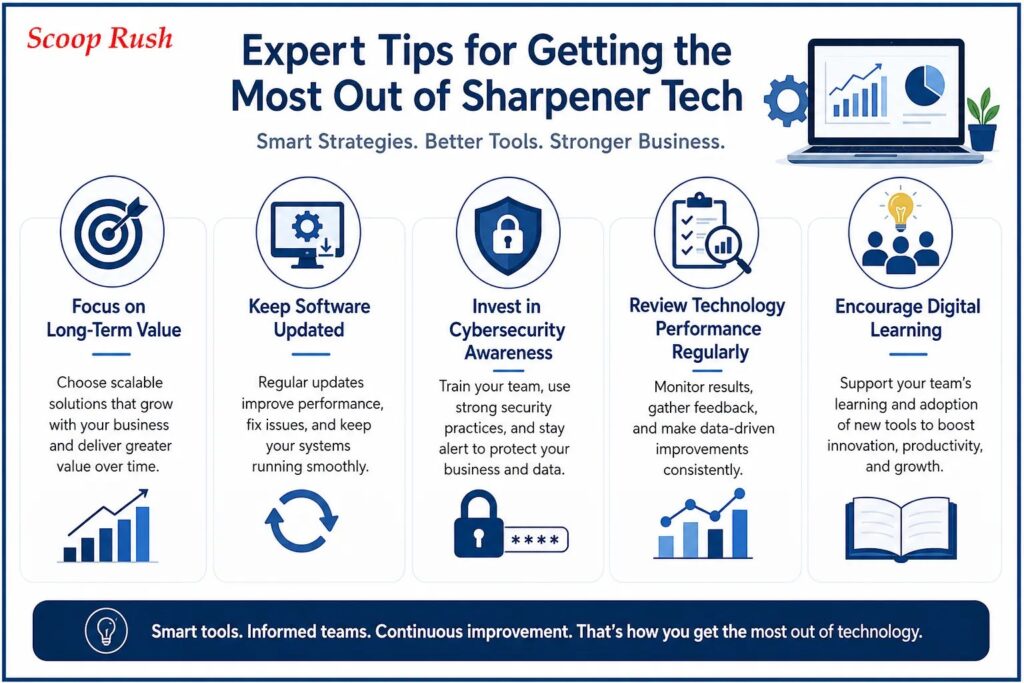
Focus on long-term value rather than choosing a solution based on price alone. Scalable tools tend to deliver far more benefit as a business grows, even if they cost a little more upfront.
Additionally, keep software updated, invest in cybersecurity awareness, and review technology performance on a regular basis. This kind of continuous improvement keeps systems efficient, secure, and aligned with changing needs.
Encouraging employees to embrace digital learning also pays off. Teams that understand new tools tend to adapt faster and contribute more meaningfully to the organization’s success, much like the mom who built a $10K-a-month Etsy side hustle by using the right digital tools early on.
Conclusion
Sharpener Tech reflects just how important modern technology has become in today’s digital economy. As more organizations adopt innovative tools, technology providers play a bigger role in improving efficiency, strengthening security, and supporting sustainable growth.
Whether the focus is software development, cloud computing, automation, or broader digital consulting, technology helps simplify complex challenges while opening up new opportunities. For beginners, understanding this value is the first real step toward making smarter decisions.
Successful digital transformation starts with clear goals, careful planning, professional guidance, and a willingness to keep learning. Businesses that invest thoughtfully in the right technology solutions often see improved productivity, lower operational costs, and better experiences for their customers.
Yes, challenges like training, maintenance, and security will come up along the way. However, the long-term benefits usually outweigh the initial investment. By staying informed and open to innovation, businesses and individuals alike can build a stronger foundation for the future with Sharpener Tech.
FAQs
Q1: What is Sharpener Tech?
A1: Sharpener Tech is a technology-focused organization or brand associated with digital solutions, software services, and modern technology designed to improve business and personal productivity.
Q2: Who can benefit from Sharpener Tech?
A2: Businesses, startups, entrepreneurs, professionals, and organizations looking for reliable technology solutions can all benefit from these modern digital services.
Q3: Why is technology important for businesses today?
A3: Technology improves efficiency, automates repetitive work, strengthens communication, supports better data management, and enhances the overall customer experience.
Q4: How do technology companies help organizations grow?
A4: They typically provide software development, IT consulting, cloud solutions, cybersecurity services, and digital transformation strategies tailored to each business’s specific needs.
Q5: Is digital transformation realistic for small businesses?
A5: Yes. Small businesses can absolutely benefit from digital tools that improve productivity, reduce costs, and support future growth, even on a limited budget, similar to how AI property search engines have helped small players compete in larger markets.

