
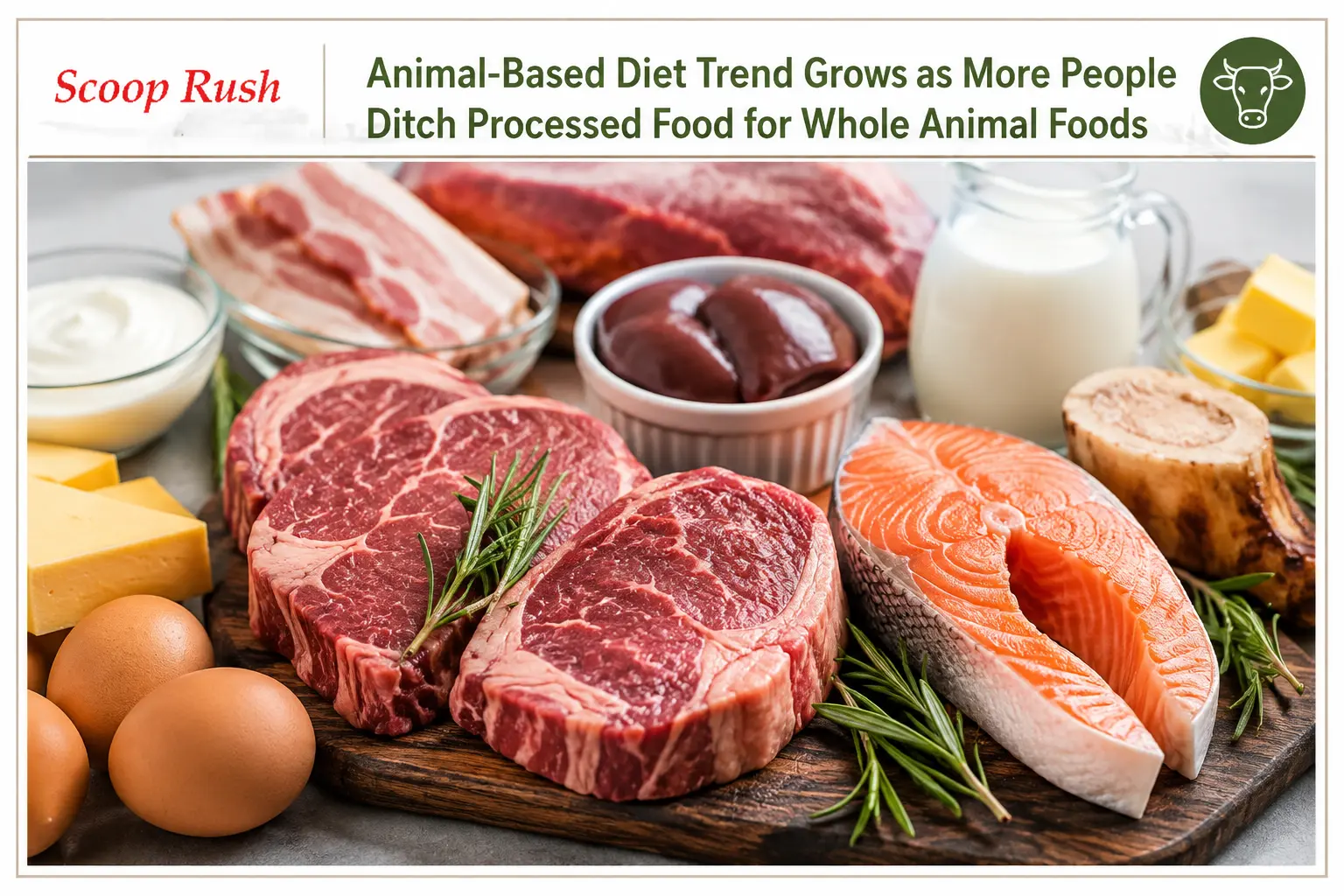
A new wave of eaters is turning away from packaged meals and calorie counting in favor of a simpler idea: eat foods that are close to their natural state. The animal-based diet, built around meat, eggs, dairy, and fruit, is gaining traction among people who want fewer ingredients on their plate and more nutrients in every bite.
Followers of the diet say it has helped them feel more energetic, digest food more easily, and cut back on ultra-processed snacks. Nutrition experts note the approach is still fairly new, and while some benefits are backed by what we know about nutrient density, other claims remain based on personal experience rather than large-scale research.
Interest in the diet has grown alongside a broader shift toward whole-food eating patterns. It shares some overlap with other popular approaches, including the carnivore diet and low-carb diets, but it is not identical to either. Here is what the animal-based diet actually involves, what foods are included and excluded, and what health professionals want people to know before trying it.
What Is the Animal-Based Diet
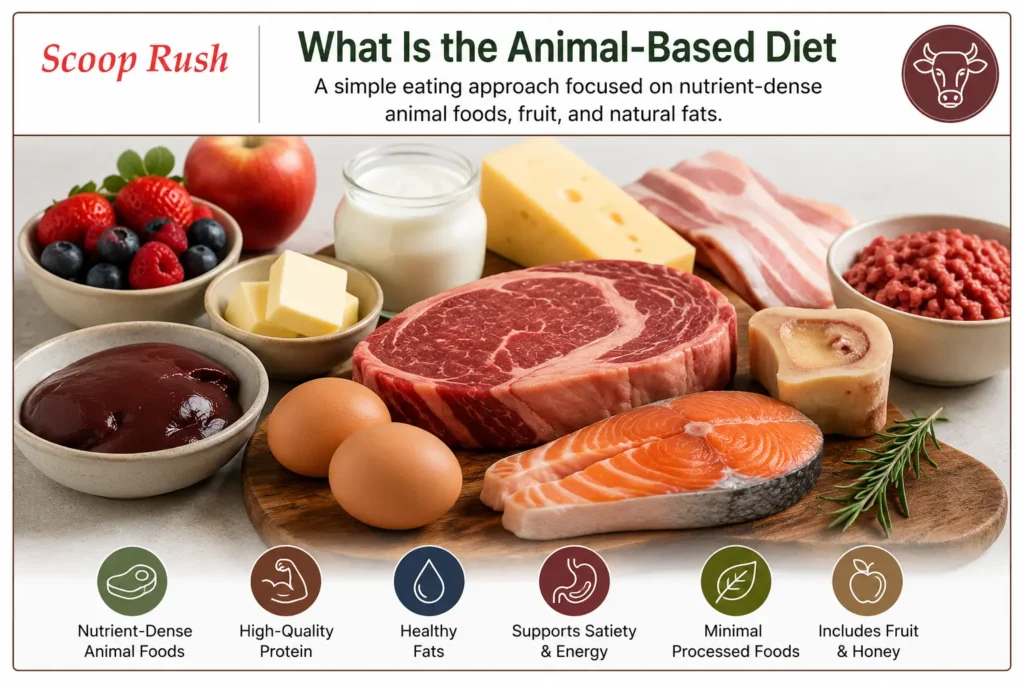
The animal-based diet centers meals around animal foods such as red meat, organ meats, eggs, dairy, and animal fats, while still allowing fruit, raw honey, and occasionally maple syrup. That last part is what sets it apart from the carnivore diet, which cuts out plant foods almost entirely.
The core idea is simple:
- Choose foods that are naturally high in protein, healthy fats, vitamins, and minerals
- Cut back on anything heavily processed
- Favor grass-fed, pasture-raised, or wild-caught sources when possible
- Keep plant foods limited mostly to fruit
- Avoid grains, legumes, most vegetables, and refined sugar
Unlike diets that require tracking calories or macronutrient ratios, the animal-based approach relies mostly on food selection. There is no strict counting involved, which is part of why some people find it easier to stick with than more rigid eating plans.
How the Diet Took Hold
The animal-based diet grew out of communities that were already experimenting with carnivore and low-carb eating. Many people who tried a strict carnivore diet found it difficult to sustain long term and began reintroducing fruit and natural sweeteners while keeping meat and animal products as the foundation of their meals. This middle ground became what is now commonly referred to as the animal-based diet.
Social media has played a large role in its spread, with home cooks and wellness influencers sharing meal ideas centered on organ meats, raw dairy, and simple combinations like steak and fruit. The visual appeal of the food, combined with personal testimonials about energy and digestion, has helped the diet reach a wider audience beyond strict carnivore circles.
Why Supporters Say Animal Foods Come First
People who follow this eating style point to nutrients that are naturally abundant in animal products and easier for the body to absorb from these sources.
| Nutrient | Found In | Main Role in the Body |
| Vitamin B12 | Liver, beef, eggs | Nerve function, red blood cell formation |
| Heme iron | Red meat, liver | Oxygen transport, energy |
| Zinc | Beef, oysters, organ meats | Immune function, wound healing |
| Choline | Eggs, liver | Brain and liver health |
| Creatine | Red meat, fish | Muscle energy and strength |
| Complete protein | Meat, eggs, dairy | Muscle repair and growth |
| Vitamin A | Liver | Vision, immune health |
| Vitamin K2 | Dairy, egg yolks | Bone and heart health |
| DHA and EPA | Fatty fish | Brain and heart health |
Because animal proteins contain all nine essential amino acids, supporters argue that building meals around them naturally covers the body’s protein needs without extra planning. This focus on preserving muscle through adequate protein has also become part of a wider conversation around GLP-1 medications and muscle loss, where doctors increasingly stress protein intake alongside treatment to help patients maintain lean mass while losing weight.
Supporters also argue that focusing on nutrient density, rather than simply counting calories, leads to better food choices overall. A plate built around liver, eggs, and grass-fed beef delivers a much higher concentration of vitamins and minerals than the same number of calories from refined carbohydrates.
What People Eat on This Diet
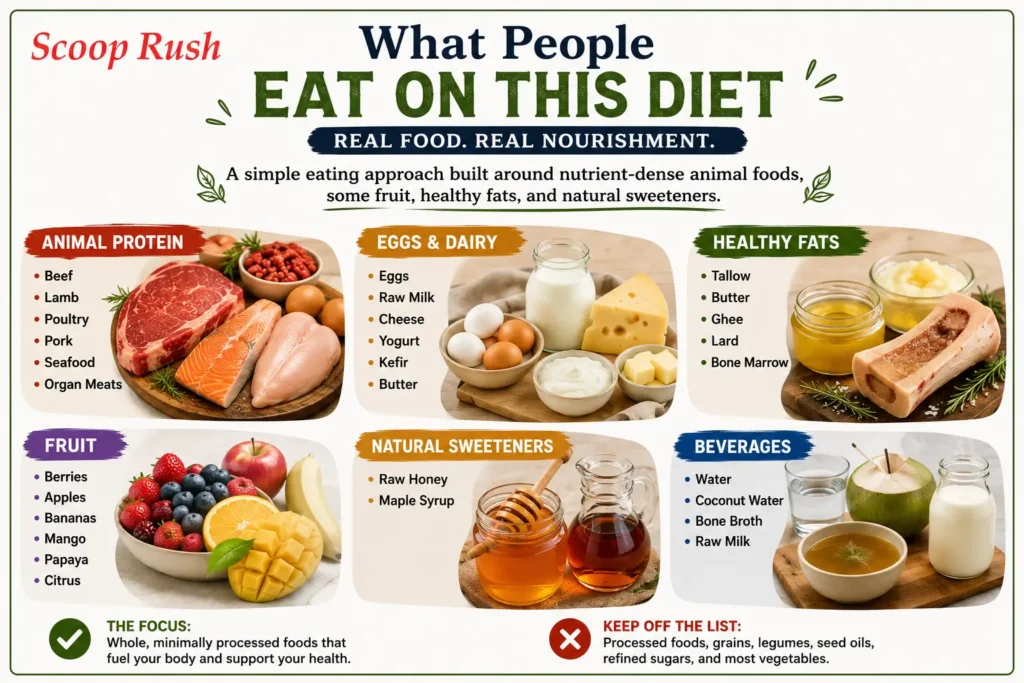
Organ Meats
Organ meats are considered the cornerstone of the diet because of how concentrated their nutrient content is compared to muscle meat.
- Liver: Rich in vitamin A, B12, folate, iron, and copper
- Heart: A strong source of CoQ10, iron, zinc, and protein, with a texture similar to steak
- Kidney: Provides selenium, B vitamins, and high-quality protein
- Tongue: Contains healthy fats, zinc, iron, and collagen-rich connective tissue
- Bone marrow: Valued for its fat content, collagen, and rich flavor
Beginners often ease into organ meats gradually rather than eating them plain. Common strategies include mixing finely chopped liver into ground beef, adding small portions to burgers, or cooking liver in butter to soften the taste. Some people also use freeze-dried organ supplements when fresh organ meat is not practical, though it’s worth understanding the risks of taking too many vitamins before relying heavily on any concentrated supplement.
Muscle Meat
For most followers, muscle meat provides the bulk of daily calories and protein. Ruminant animals are favored because they convert grass into nutrient-dense meat.
- Beef
- Bison
- Lamb
- Goat
- Venison
- Elk
These meats supply complete protein, iron, zinc, vitamin B12, creatine, and carnitine. Poultry and pork are also allowed, though many followers eat them less frequently and look for pasture-raised, soy-free, or corn-free options to improve the fat quality of the meat.
Eggs
Eggs are widely viewed as one of the most complete foods available, offering high-quality protein alongside choline, vitamin D, vitamin A, vitamin E, vitamin B12, and selenium. Within the diet, people generally rank egg quality in this order:
- Pasture-raised eggs, valued for the hens’ natural diet and outdoor access
- Organic eggs, produced without routine antibiotics or synthetic pesticides
- Omega-3 enriched eggs, from hens fed a diet designed to boost fatty acid content
- Local farm eggs, prized for freshness and minimal processing
For people who eat eggs daily but want variety, it can help to browse a few gluten-free breakfast ideas that fit within a grain-free approach.
Dairy
Dairy is optional and largely depends on individual tolerance. Common choices include raw milk, gently pasteurized milk, A2 dairy, butter, ghee, yogurt, kefir, cheese, and sour cream. Fermented dairy products are popular because they naturally contain beneficial bacteria that support digestion. Some followers who struggle with conventional dairy report better tolerance with A2 products, though individual responses vary widely.
Animal Fats
Rather than cooking with seed oils, most followers use traditional animal fats such as beef tallow, butter, ghee, lard, suet, and bone marrow. These fats are used for frying, roasting, sautéing, and adding flavor to meals, and are viewed by supporters as part of a more traditional, ancestral approach to cooking.
Fruit
Fruit is the primary plant food in the diet and is often eaten around exercise for quick, easily digestible energy. Common choices include apples, bananas, strawberries, blueberries, mangoes, papayas, pineapple, watermelon, oranges, grapes, peaches, and pears. Some followers also include foods that are botanically fruits but commonly treated as vegetables, such as avocados, olives, cucumbers, and squash.
A smaller number of followers avoid large seeds when eating fruit, based on the belief that they are harder to digest, though this is a personal preference rather than an established guideline. People managing kidney stone risk may also want to review a low-oxalate diet guide, since certain fruit and plant choices can affect oxalate levels.
Natural Sweeteners
Raw honey and, occasionally, pure maple syrup are used in place of refined sugar. Honey is often eaten before or after exercise, mixed into yogurt, or paired with raw milk. Supporters argue that consuming natural sweeteners alongside nutrient-dense whole foods is different from eating refined sugar on its own, though moderation still matters, particularly for people managing blood sugar.
Beverages
Hydration choices include filtered water, mineral water, coconut water, bone broth, raw milk, A2 milk, and electrolyte drinks free of artificial additives. Bone broth is especially popular because it provides collagen, gelatin, amino acids, and minerals in an easy-to-drink form.
Foods to Eat vs. Foods to Avoid
| Eat | Avoid |
| Red meat and organ meats | Wheat, rice, oats, corn, barley, rye |
| Eggs | Bread, pasta, cereal, baked goods |
| Full-fat dairy (if tolerated) | Beans, lentils, chickpeas, peanuts |
| Animal fats (butter, tallow, ghee) | Nuts and seeds |
| Fruit | Seed oils (canola, soybean, corn, sunflower) |
| Raw honey and maple syrup | Chips, candy, fast food, frozen dinners |
| Bone broth | Artificial sweeteners |
| Wild-caught seafood | Most leafy greens, cruciferous and root vegetables |
The vegetable restriction is one of the more debated parts of the diet. Supporters believe some plants contain naturally occurring defense compounds that may not be well tolerated by everyone. This claim is not broadly supported by mainstream nutrition science for the general population, and most dietitians continue to recommend vegetables as part of a balanced diet.
Ultra-processed foods are discouraged across the board, in keeping with the diet’s larger focus on whole foods. For readers looking for whole-food swaps to replace packaged snacks, a list of keto diet-friendly snacks offers overlapping ideas, even for people not following keto specifically.
Coffee and Tea: Where They Fit In
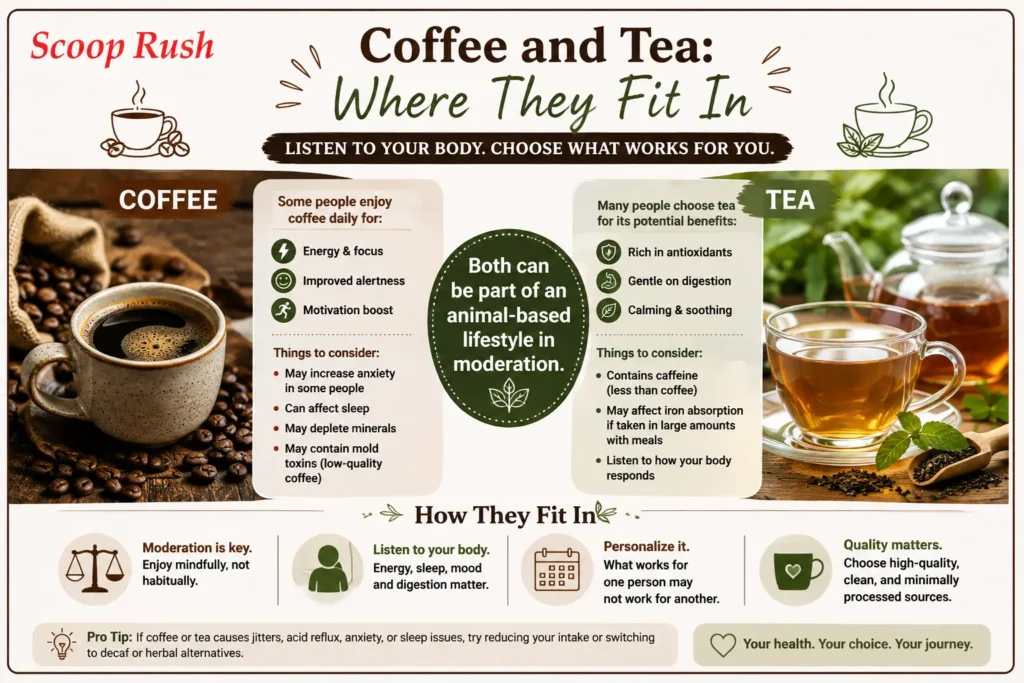
Coffee and tea occupy a gray area within the animal-based community. Some people drink coffee daily without any issues, while others cut it out entirely over concerns that it may contribute to anxiety, disrupted sleep, elevated stress hormones, or mineral depletion in sensitive individuals.
Timing is also a consideration for some followers, who weigh the pros and cons of drinking coffee on an empty stomach before their first meal of the day. The general guidance within the community is to pay attention to how coffee and tea affect your own body rather than follow a universal rule, since tolerance varies significantly from person to person.
What Followers Say About the Results
Commonly reported benefits include:
- More steady energy throughout the day
- Better fullness after meals, leading to less snacking
- Improved digestion, according to many personal accounts
- Lower intake of added sugar and processed ingredients
- Easier meal planning due to fewer food choices
- Reported improvements in skin appearance and dental health among some long-term followers
One case highlighted in discussions around the diet involved a woman who switched from a plant-based diet to an animal-based one for 30 days after struggling with ongoing health issues. Her meals centered on pasture-finished beef, butter, raw milk, and fruit, with salt and maple syrup used sparingly. By day 28, she reported more consistent energy, clearer thinking, better digestion, healthier looking skin, stronger teeth, and reduced throat discomfort. She said she planned to continue eating this way beyond the initial 30 days because of how she felt.
Stories like hers are common in online communities built around the diet, but doctors caution that individual results are not proof of how the diet works for everyone. Personal experience is not a substitute for controlled research, which remains limited for this specific eating pattern. Most of what is currently known comes from anecdotal reports rather than peer-reviewed clinical trials.
Benefits and Risks at a Glance
| Potential Benefits | Potential Risks |
| High-quality, complete protein | Lower fiber intake |
| Greater fullness and satiety | Reduced plant food variety |
| Fewer ultra-processed foods | Higher grocery costs |
| Nutrient-dense food choices | Harder to manage while traveling or eating out |
| Simpler meal planning | Limited long-term research |
| Traditional cooking fats over refined oils | Possible social friction at gatherings |
The Downsides Doctors Want People to Know
- Less plant variety: Cutting out most vegetables, grains, legumes, nuts, and seeds can lower intake of certain nutrients and fiber for some people, even though animal foods cover many of the basics.
- Lower fiber intake: Some people adjust fine without much fiber, while others deal with constipation or bloating, especially in the first few weeks of the transition.
- Higher grocery bills: Grass-fed beef, pasture-raised eggs, wild-caught fish, and raw dairy tend to cost more than conventional options. Ground beef, canned sardines, frozen fish, and beef liver are more budget-friendly ways to stay on plan.
- Social friction: Restaurant dining, family gatherings, holidays, and travel can all be harder to navigate on a restrictive diet. Planning meals ahead of time tends to make it more manageable.
- Thin research base: Most of what is known about this specific diet comes from personal accounts rather than clinical studies, so its long-term effects are still not well understood.
Doctors generally recommend talking to a physician or registered dietitian before making major dietary changes, particularly for anyone with chronic kidney disease, liver disease, diabetes, or digestive disorders, or who is pregnant or breastfeeding. This caution extends to people managing broader metabolic conditions. For those following or at risk of type 1 diabetes, for example, it’s also worth staying informed on emerging treatments such as teplizumab, a separate but related area of ongoing medical research. Children and teens have different nutritional needs and should not follow restrictive adult diets without medical guidance.
How It Compares to Other Popular Diets
The animal-based diet is often mentioned alongside other eating patterns that limit carbohydrates or processed foods, but the details differ in important ways.
| Diet | Plant Foods Allowed | Main Focus |
| Animal-based | Fruit, honey, some maple syrup | Nutrient-dense animal foods first |
| Carnivore | None or very minimal | Animal foods only |
| Low-carb | Non-starchy vegetables, some fruit | Reduced carbohydrate intake overall |
| Keto | Very low-carb vegetables, healthy fats | High fat, very low carbohydrate |
| Paleo | Vegetables, fruit, nuts, seeds | Whole foods, no grains or dairy |
People curious about the broader category of reduced-carbohydrate eating may also want to read more about the general benefits and risks of a low-carb diet, since many of the same principles around blood sugar and satiety apply across these approaches.
Who Tends to Try It, and Who Should Be Careful
People often drawn to this diet want to:
- Eat less processed food
- Increase protein intake
- Build muscle
- Simplify meal planning
- Improve satiety and reduce snacking
- Try ancestral or traditional eating patterns
For many, the diet becomes part of a broader effort to build sustainable healthy habits in their 20s and 30s, rather than a standalone fix for a specific health problem.
Extra caution is advised for people with:
- Chronic kidney or liver disease
- Diabetes requiring medication adjustments
- Digestive disorders
- A history of disordered eating
- Pregnancy or breastfeeding
Tips for Getting Started
- Ease in gradually instead of switching overnight
- Start with simple meals like steak and eggs, salmon with butter, or Greek yogurt with berries
- Choose higher quality meat and dairy when the budget allows, but don’t let cost stop you from starting
- Stay hydrated, since lower carbohydrate intake can affect electrolyte balance
- Rotate between different meats, seafood, and organ meats to avoid repetition and add variety
- Track energy, digestion, sleep, and mood over the first few weeks to judge how the diet is working
- Pair dietary changes with light daily movement, such as a 5-minute walk every hour, which some people layer on top of their eating pattern for added benefit
Sample One-Day Meal Plan
| Meal | Foods |
| Breakfast | Three pasture-raised eggs cooked in butter, Greek yogurt, fresh blueberries, filtered water |
| Mid-morning snack | Apple, cheese |
| Lunch | Grilled grass-fed beef steak, bone broth, fresh mango slices |
| Afternoon snack | Cottage cheese with raw honey, fresh strawberries |
| Dinner | Wild-caught salmon cooked in butter, bone marrow, avocado |
| Evening snack (optional) | Kefir, small serving of berries |
This is only one example. Meals can be adjusted based on personal taste, budget, and how the body responds to different foods.
Conclusion
The animal-based diet reflects a broader shift back toward simple, whole foods at a time when many people are looking to cut back on processed eating. Its focus on nutrient-dense meat, organ meats, eggs, dairy, and fruit appeals to those who want fewer ultra-processed ingredients and a more straightforward way to eat.
At the same time, the diet is not without trade-offs. Cutting out most vegetables, grains, legumes, nuts, and seeds means lower fiber intake and less plant food variety for some people, and long-term research on this specific eating pattern is still limited. Cost and social convenience can also be real hurdles for households trying to follow it consistently.
Whether the animal-based diet is worth trying comes down to individual health goals, budget, and medical history. Anyone with an existing health condition, or anyone considering a major dietary shift, should speak with a doctor or registered dietitian first. For healthy adults simply looking to reduce processed food intake, starting with small changes such as swapping packaged snacks for whole foods may offer many of the same benefits without requiring a full overhaul.
FAQs
Is the animal-based diet the same as the carnivore diet?
No. The carnivore diet cuts out nearly all plant foods, while the animal-based diet still includes fruit, honey, and sometimes maple syrup alongside meat, eggs, and dairy. The carnivore diet is more restrictive, while the animal-based diet allows a bit more flexibility with natural carbohydrates.
Do I need to eat organ meats to follow this diet?
Not strictly, but many followers consider them important because of their concentrated vitamin and mineral content. People who don’t enjoy the taste sometimes mix small amounts into ground meat, cook liver in butter to soften the flavor, or use freeze-dried organ supplements instead.
Can this diet help with weight loss?
It can for some people, mainly because protein and fat are more filling, which can lead to eating less overall without deliberate calorie counting. Results still depend on total calorie intake, activity level, sleep, and other lifestyle factors, so weight loss is not guaranteed for everyone who tries it.
Is dairy required on an animal-based diet?
No. Dairy is optional and mainly recommended for people who tolerate it well. Those with lactose intolerance or a dairy allergy can follow the diet without it and still get adequate protein and fat from meat, eggs, and fish.
Is it safe to try this diet long term?
It can work for some people, but the limited plant food variety means it is worth monitoring fiber and micronutrient intake over time. Anyone with an existing health condition, or anyone considering the diet for a child or during pregnancy, should check with a doctor or registered dietitian before committing to it long term.

