

If you spend any time on TikTok or Instagram in wellness circles, you’ve likely come across Gary Brecka telling people to eat 30 grams of protein within 30 minutes of waking up. The co-founder of 10X Health System has built a large following around his approach to longevity and “peak bodily function,” helped along by his work with high-profile clients like UFC president Dana White. Behind the viral soundbites, though, is a fairly strict, high-fat eating plan and health experts are split on whether it’s a smart choice for the average person.
What Is the Gary Brecka Diet?

At its core, the Gary Brecka diet is a version of the ketogenic diet: high fat, very low carbohydrate, and moderate protein, designed to push the body into ketosis. Brecka, who holds degrees in biology and human biology, generally advises cutting out refined sugar and unhealthy fats in favor of whole, unprocessed foods. He also tailors specific supplement and nutrition advice to each person’s blood work and genetic testing results, which sets his approach apart from a generic keto plan.
According to nutrition researcher John O’Connor, founder of Gene Food, the diet’s macronutrient breakdown leans heavily toward fat. Here’s how it typically splits:
| Macronutrient | Share of Daily Calories |
| Fat | ~75% |
| Protein | 10–20% |
| Carbohydrates | 5–10% |
That ratio places it firmly in ketogenic territory, with all the potential upsides and downsides that come with that style of eating.
The 30-30-30 Rule, Explained
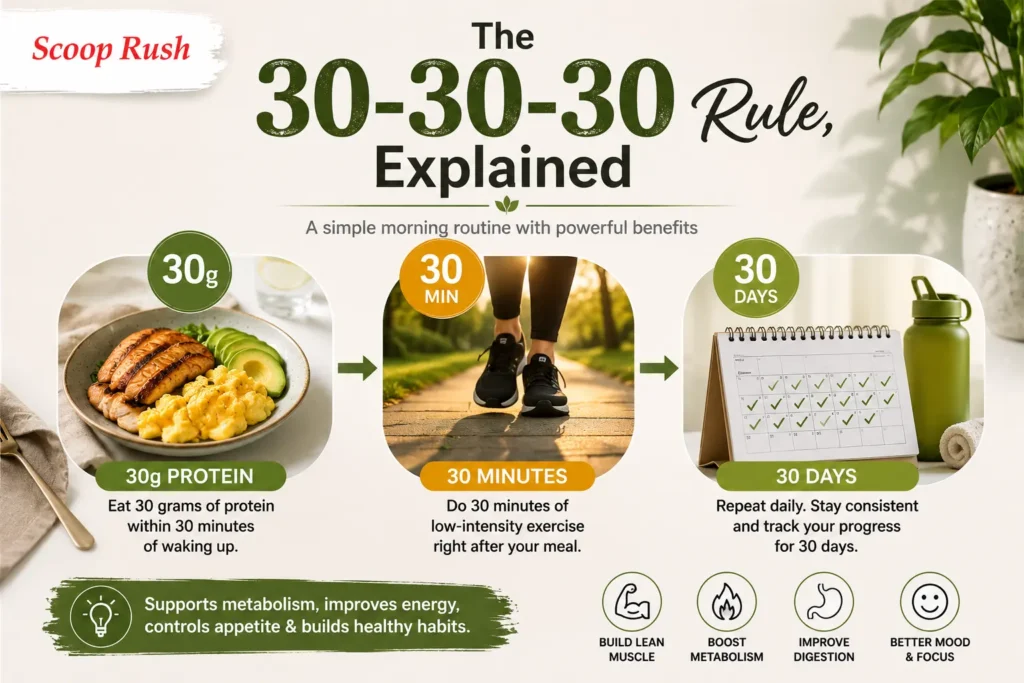
The most talked-about piece of Brecka’s advice is what’s become known as the 30-30-30 rule. Broken down, it looks like this:
- 30 grams of protein eaten within 30 minutes of waking up
- 30 minutes of low-intensity exercise immediately after that meal
- Repeated daily, with some followers turning it into informal 30-day challenges
Brecka didn’t invent the concept, but his social media following helped push it into the mainstream. There’s some legitimate science behind it too research published in the American Journal of Clinical Nutrition found that high-protein breakfasts improved satiety, appetite control, and diet quality in adolescent girls compared with skipping breakfast. O’Connor has called the 30-30-30 approach one of the more evidence-backed parts of Brecka’s overall protocol.
Potential Benefits
Because the diet mirrors a standard ketogenic approach, it carries many of the same possible advantages:
- Improved metabolic health
- Lower blood sugar and insulin levels
- Reduced blood pressure
- Lower risk of heart disease for some people
- Weight loss and appetite reduction
Brecka also emphasizes hydration throughout the diet, which can help offset some of the rougher side effects of cutting carbs.
The Downsides and Red Flags
Not everyone is convinced the diet is right for a general audience. The table below summarizes the main concerns experts raise:
| Concern | Why It Matters |
| Keto flu | Sharp carb restriction can trigger fatigue, nausea, constipation, and dizziness as the body adjusts |
| Rising LDL cholesterol | A 75%-fat diet tends to raise LDL in most people, and LDL plays a causal role in heart disease |
| One-size-fits-all approach | Supplements are personalized to genetics, but the core diet isn’t — despite genes like PPARA and ApoE4 affecting fat metabolism differently |
| Dairy reliance | An estimated 68% of people globally have some lactose intolerance, rising above 75% in Asian and African populations |
| Not for everyone | Not advised for chronic kidney disease, eating disorders, liver failure, pancreatitis, or unsupervised diabetes |
O’Connor’s biggest concern is cardiovascular. He draws a distinction between dietary cholesterol, which the body regulates fairly well on its own, and saturated fat, which has a much more direct and individualized effect on LDL levels. Anyone considering the diet long-term should loop in a doctor first, especially given the added risk of kidney stones and low blood sugar.
What Gary Brecka Recommends Avoiding

The plan generally steers people away from:
- Refined sugar
- White rice
- Non-organic produce
- Industrial seed oils
How the Brecka Diet Compares to Other Low-Carb Approaches
The Gary Brecka diet isn’t the only eating style built around cutting carbohydrates. Standard low-carb diets cover a wide spectrum, from moderate carb reduction to the near-total elimination found in Brecka’s plan. At the far end sits the carnivore diet, which strips out plant foods almost entirely a much more extreme approach than Brecka recommends, since his plan still leaves room for vegetables and plant-based fats.
Brecka’s plan also overlaps with the broader animal-based diet movement, which similarly prioritizes protein-dense animal foods while limiting processed carbs. The common thread is an attempt to stabilize blood sugar and reduce insulin spikes. Where they differ is in how strict the carb limit is, and how much personalization is built in.
For a gentler starting point, easing in with a rotation of keto-friendly snacks lets someone test how their body responds to reduced carbs before committing to Brecka’s full 75% fat target.
Why Movement Matters in the 30-30-30 Method
The exercise half of the 30-30-30 rule tends to get less attention than the protein half, but it’s arguably just as important. The idea is simple: light activity right after eating helps the body use incoming glucose more efficiently, blunting the blood sugar spike that would otherwise follow a meal.
This doesn’t require a gym membership or a structured workout. Research on light movement, including the benefits of a 5-minute walk every hour, shows that short, frequent bursts of activity can meaningfully improve blood sugar control over time. A brisk morning walk, some stretching, or an easy bike ride can check the same box as a formal workout useful for anyone who doesn’t have 30 spare minutes for the gym before work.
Are Brecka’s Supplement Recommendations Safe?
Because the diet leans on personalized bloodwork, supplements play a bigger role here than in many other plans. Brecka recommends everything from vitamin D3 to targeted formulations based on genetic markers like MTHFR status. That personalization is one of the more responsible parts of his approach but it comes with a caveat.
Not all supplementation is risk-free, and more isn’t automatically better. As explained in this guide to supplement risks tied to taking too many vitamins, fat-soluble vitamins can build up in the body and cause toxicity in excess. Anyone following Brecka’s supplement stack should ideally do so under a doctor’s guidance, confirming dosages against actual lab results rather than a generic list found online.
What About Your Morning Coffee?
Since the Brecka protocol centers on the first 30 minutes after waking, a lot of people wonder where coffee fits in especially if they’re used to drinking it before eating anything at all.
The research on drinking coffee on an empty stomach suggests it isn’t inherently dangerous for most healthy adults, though it can cause digestive discomfort in people sensitive to caffeine. A practical compromise: eat the protein-rich breakfast first, then have coffee afterward. That preserves the blood sugar benefits of the protein-first approach while keeping the morning caffeine ritual intact.
Building the Habit Long-Term
Any diet only works if someone can actually stick with it. One understated challenge with the Brecka approach is that it asks people to change several habits at once — what they eat, when they eat it, and how they move right at the busiest, least flexible part of the day.
This is where research on building healthy habits in your 20s and 30s becomes useful. Habit change tends to stick best when introduced gradually rather than all at once. A practical rollout might look like this:
| Week | Focus |
| 1–2 | Add the protein-first breakfast only |
| 3–4 | Layer in the 30-minute post-meal walk |
| 5+ | Begin tightening carb intake toward full keto ratios |
Approaching it in stages makes the plan far more sustainable than adopting all three “30s” simultaneously.
A Note for People on GLP-1 Medications
A growing number of people trying the Brecka diet are also taking GLP-1 medications like semaglutide or tirzepatide for weight loss. GLP-1 drugs are known to accelerate muscle loss alongside fat loss, particularly when protein intake is inadequate one of the more common criticisms of these medications.
This is actually one area where Brecka’s protein-first philosophy may help. Prioritizing 30 grams of protein first thing in the morning is one strategy researchers point to for offsetting the muscle loss associated with GLP-1 medications. Anyone combining a GLP-1 prescription with this eating pattern should still coordinate with their doctor, since appetite suppression can make it harder to consistently hit protein targets.
A Middle-Ground Approach
Rather than adopting the diet wholesale, O’Connor suggests a modification: instead of near-elimination of carbs, replace some fat with “slow carb” sources black beans, lentils, quinoa, and sweet potatoes that have a gentler effect on blood sugar. He points to the PREDICT-1 study, which found that blood sugar response to food is heavily influenced by genetics and gut microbiome, meaning not all carbs affect people the same way.
He also cites an 18-month BMC Nutrition trial comparing a ketogenic diet to a personalized, low-glycemic plan. The keto group lost more weight short-term, but the personalized-nutrition group came out ahead at 18 months, with greater sustained weight loss and better cholesterol and blood glucose results.
Gary Brecka Diet vs. Standard Keto: What’s the Difference?
At a glance, the Brecka diet and a classic ketogenic diet look almost identical — both push the body into ketosis through high fat and minimal carbs. The real difference shows up in the details rather than the macros.
| Feature | Standard Keto | Gary Brecka Diet |
| Macronutrient ratio | ~70–75% fat, varies by version | ~75% fat, 10–20% protein, 5–10% carbs |
| Personalization | Generally one-size-fits-all | Supplements tailored to bloodwork and genetics |
| Morning protocol | No fixed rule | 30-30-30 rule (protein + movement) |
| Protein source guidance | Often includes whey and animal protein freely | Leans toward vegan, soy-free protein powders |
| Supplement emphasis | Optional, varies by person | Central to the plan, especially vitamin D3 |
The takeaway is that Brecka’s version adds structure and personalization on top of a fairly conventional ketogenic foundation. That structure can make the diet easier to follow for some people, but it doesn’t change the underlying metabolic effects of eating 75% of calories from fat.
A Sample Day on the Gary Brecka Diet
It helps to see what the plan actually looks like in practice rather than just the percentages. A typical day might follow this rough structure:
| Time | Meal or Activity |
| Within 30 min of waking | 30g protein shake or eggs |
| Immediately after | 30-minute walk or light cardio |
| Mid-morning | Black coffee or water |
| Lunch | Salad with avocado, olive oil, and grilled protein |
| Afternoon | Handful of nuts or a fat-based snack |
| Dinner | Non-starchy vegetables with a fatty protein source, like salmon |
This isn’t an official Brecka meal plan, but it reflects the general shape of a 75/15/10 ketogenic day built around the 30-30-30 morning routine. Portion sizes and specific foods would still depend on someone’s individual bloodwork and calorie needs.
Who Should Consider This Diet and Who Should Skip It
Not every diet fits every body, and the Brecka plan is a good example of that. Based on the concerns experts have raised, it’s worth separating who might benefit from who should be more cautious.
Might be a reasonable fit:
- People without existing cardiovascular risk factors
- Those already comfortable with low-carb eating
- People willing to get bloodwork done and adjust supplements accordingly
- Anyone mainly interested in the 30-30-30 morning routine rather than the full 75% fat target
Should approach with caution or avoid:
- People with chronic kidney disease, liver failure, or pancreatitis
- Anyone with a history of disordered eating
- People with diabetes, unless medically supervised
- ApoE4 gene carriers or anyone with a known high LDL response to saturated fat
- People who are lactose intolerant and can’t easily replace the diet’s dairy component
Common Mistakes People Make on the Brecka Diet
Because so much of the diet spreads through short social media clips, a lot of nuance tends to get lost along the way. A few mistakes come up often:
- Skipping bloodwork entirely. The diet is built around personalization, so following it without ever checking cholesterol, blood sugar, or genetic markers defeats much of the purpose.
- Treating 30-30-30 as the whole diet. The morning routine is just one piece; the bigger shift is the 75% fat macronutrient target, which requires more planning.
- Overdoing supplements. Adding multiple products without professional guidance raises the risk of excess intake, particularly with fat-soluble vitamins.
- Ignoring LDL changes. Some people don’t get their cholesterol rechecked after starting, missing an early warning sign that the diet isn’t a good metabolic fit for them.
- Going all-in immediately. Jumping straight to strict ketogenic ratios instead of easing in tends to increase dropout rates and worsen keto flu symptoms.
Cost and Accessibility Considerations
One aspect that doesn’t always come up in social media clips is cost. A few factors make the Brecka diet more expensive than a typical eating pattern:
- Genetic and blood testing required for true personalization isn’t cheap and often isn’t covered by insurance.
- Specialty supplements, including vitamin D3 and other targeted formulations, add a recurring monthly cost.
- Full-fat dairy and quality protein sources can run higher than a standard grocery budget, especially for households trying to feed more than one person.
- Soy-free, vegan protein powders, which Brecka specifically recommends, tend to cost more than standard whey options.
For people on a tighter budget, adopting just the 30-30-30 morning habit without the full testing and supplement stack captures a meaningful portion of the diet’s potential benefit at a fraction of the cost.
The Bottom Line
Gary Brecka has raised useful awareness around blood sugar regulation, DNA methylation, and personalized supplementation. The 30-30-30 protein-and-movement habit, in particular, has reasonable research behind it. But the diet’s heavy reliance on fat isn’t a universal fit. For people prone to high LDL response, carriers of certain genetic variants, or anyone with an underlying health condition, it could do more harm than good so it’s worth talking to a doctor or registered dietitian before making the switch.
FAQs
What is the Gary Brecka diet?
It’s a ketogenic-style eating plan built around roughly 75% fat, 10–20% protein, and 5–10% carbohydrates. It also includes personalized supplement recommendations based on each person’s bloodwork and genetic testing results.
What is the 30-30-30 rule?
It means eating 30 grams of protein within 30 minutes of waking up, then following that meal with 30 minutes of low-intensity exercise, such as a walk.
Is the Gary Brecka diet safe?
It can be safe for healthy adults without cardiovascular risk factors. However, it isn’t recommended for people with kidney disease, liver issues, unsupervised diabetes, or a history of disordered eating.
Does the Gary Brecka diet cause weight loss?
Yes, at least in the short term. Like most ketogenic diets, it tends to produce faster initial weight loss compared to moderate low-carb or personalized nutrition plans.
What protein powder does Gary Brecka recommend?
He recommends vegan, vegetable-based, soy-free protein powders and generally advises against whey protein.
What supplements does Gary Brecka take or recommend?
Vitamin D3 is a central recommendation, along with other supplements chosen based on individual bloodwork and genetic markers like MTHFR status.
Can I drink coffee on the Gary Brecka diet?
Yes. Most followers eat their protein-first breakfast, then have coffee afterward, so the morning routine stays intact.
Is the Gary Brecka diet the same as keto?
It’s a variation of keto with similar macronutrient targets, but it adds the 30-30-30 morning routine and a layer of personalized supplementation on top.
Does the Gary Brecka diet raise cholesterol?
It can. A diet that’s around 75% fat tends to raise LDL cholesterol in most people, which is one of the main concerns nutrition experts raise about the plan.
How did Gary Brecka help Dana White?
He used biomarker testing to guide changes to White’s diet and supplements, introduced cold plunges, and adjusted his training routine.
Who should avoid the Gary Brecka diet?
People with chronic kidney disease, liver failure, pancreatitis, a history of disordered eating, unsupervised diabetes, or ApoE4 gene carriers with a strong LDL response to saturated fat should approach it with caution or avoid it.
Is the Gary Brecka diet expensive?
It can be, mainly due to genetic and blood testing plus specialty supplements. That said, following just the 30-30-30 morning habit on its own can be done at little to no extra cost.

