Living with Ménière’s disease can be frustrating. Sudden episodes of vertigo, ringing in the ears, hearing changes, and a feeling of fullness in the ear can interfere with work, family life, and everyday activities. While there is no cure for the condition, many healthcare providers recommend lifestyle changes that may help reduce symptoms. One of the most common recommendations is following a low-sodium diet.
Although research has produced mixed results, reducing sodium remains a widely used first-line dietary strategy because excess sodium may contribute to fluid retention, including in the inner ear where Ménière’s disease symptoms originate.
This guide explains why sodium matters, how to reduce it without sacrificing flavor, and practical ways to make a low-sodium diet part of your daily routine along with the broader lifestyle habits that can support your overall health while you manage this condition.
What Is Ménière’s Disease?
An Overview of the Condition
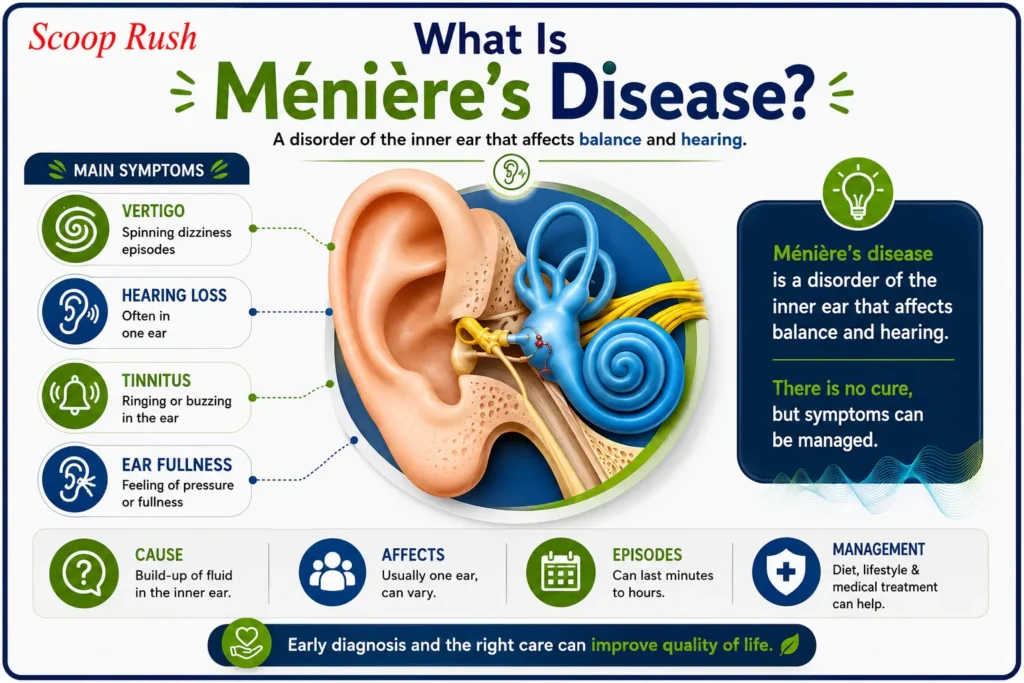
Ménière’s disease is a chronic inner ear disorder that affects balance and hearing. It typically develops in one ear, though it can eventually affect both. The exact cause remains unknown, but researchers believe it is linked to an abnormal buildup of fluid in the labyrinth, the fluid-filled structure of the inner ear that controls balance and hearing. Episodes can be unpredictable, ranging from mild dizziness to severe vertigo attacks lasting hours, which is why many patients look for practical, everyday strategies including diet to help reduce the frequency and intensity of flare-ups.
Why Episodes Are Hard to Predict
Episodes often come in clusters, followed by weeks or months of remission, which can make it difficult to know whether a particular lifestyle change is actually helping or whether symptoms would have settled down anyway. This unpredictability is part of why doctors usually recommend giving any new habit, including a low-sodium diet, at least several weeks before judging whether it is making a difference. Some people also notice specific personal triggers beyond sodium, such as stress, poor sleep, weather changes, or hormonal shifts, so it can help to look at diet as one piece of a larger self-management plan rather than the only variable that matters.
Why Is Sodium Important in Ménière’s Disease?
Ménière’s disease affects the inner ear and is believed to be linked to an abnormal buildup of fluid called endolymph. Excess fluid may increase pressure within the inner ear, leading to symptoms such as:
- Vertigo
- Hearing loss
- Tinnitus (ringing in the ears)
- Ear fullness
Because sodium causes the body to retain water, limiting sodium intake may help stabilize fluid levels in the inner ear. Many specialists recommend reducing sodium as part of first-line treatment, although scientific evidence remains inconsistent and there is no universal agreement that it benefits every patient.
How Much Sodium Should You Eat?
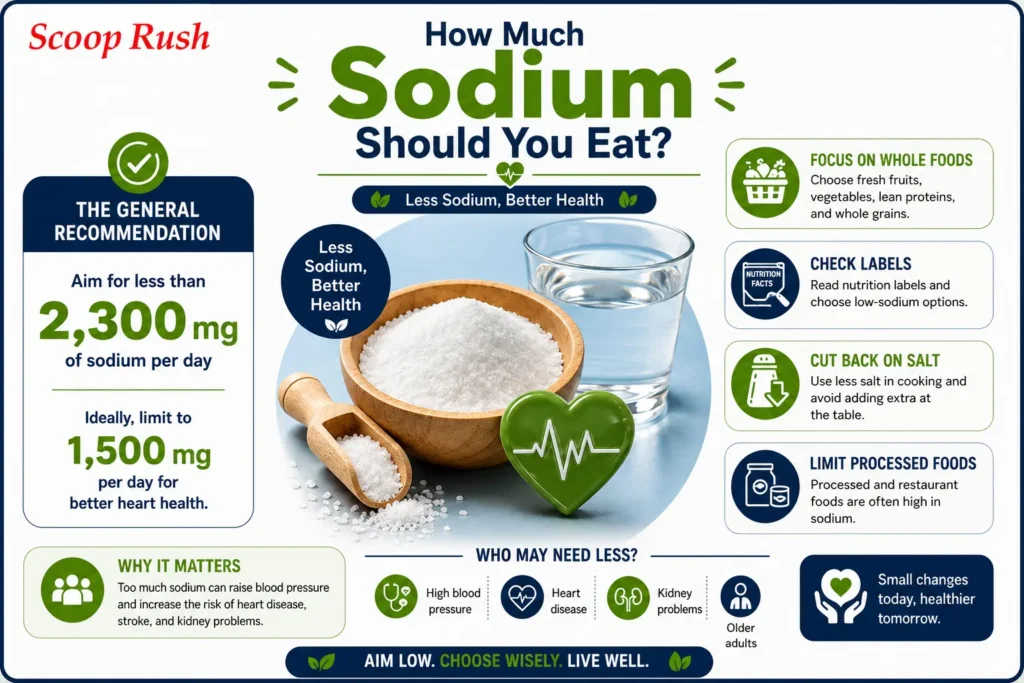
Many healthcare providers recommend limiting sodium intake to:
1,500–2,000 mg per day
This equals approximately ¾ to 1 teaspoon of table salt throughout the day.
Your individual target may differ depending on your medical history, blood pressure, kidney function, and medications. Always follow your healthcare provider’s recommendations, and consider working with a registered dietitian if you need help building a sustainable, individualized meal plan.
Where Does Most Sodium Come From?
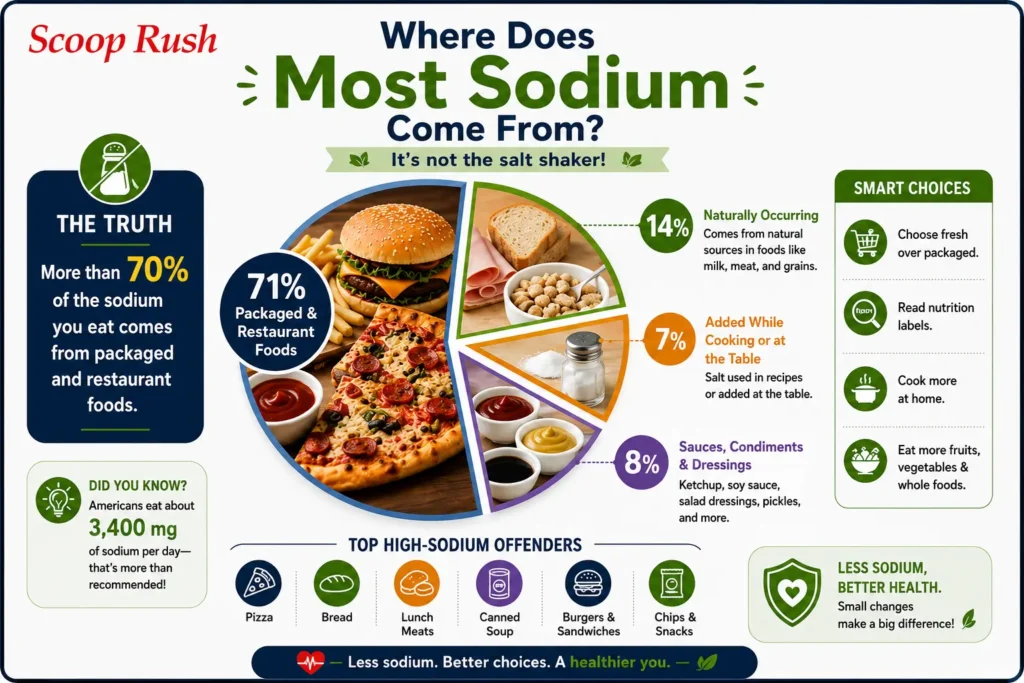
Many people believe the salt shaker is the biggest source of sodium.
In reality, about 75% of dietary sodium comes from processed, packaged, and restaurant foods, not from salt added during cooking.
Common hidden sources include:
- Bread
- Breakfast cereal
- Cheese
- Tomato sauces
- Frozen meals
- Processed meats
- Canned soup
- Fast food
- Condiments
- Snack foods
Even foods that don’t taste salty may contain hundreds of milligrams of sodium.
Understanding Food Labels
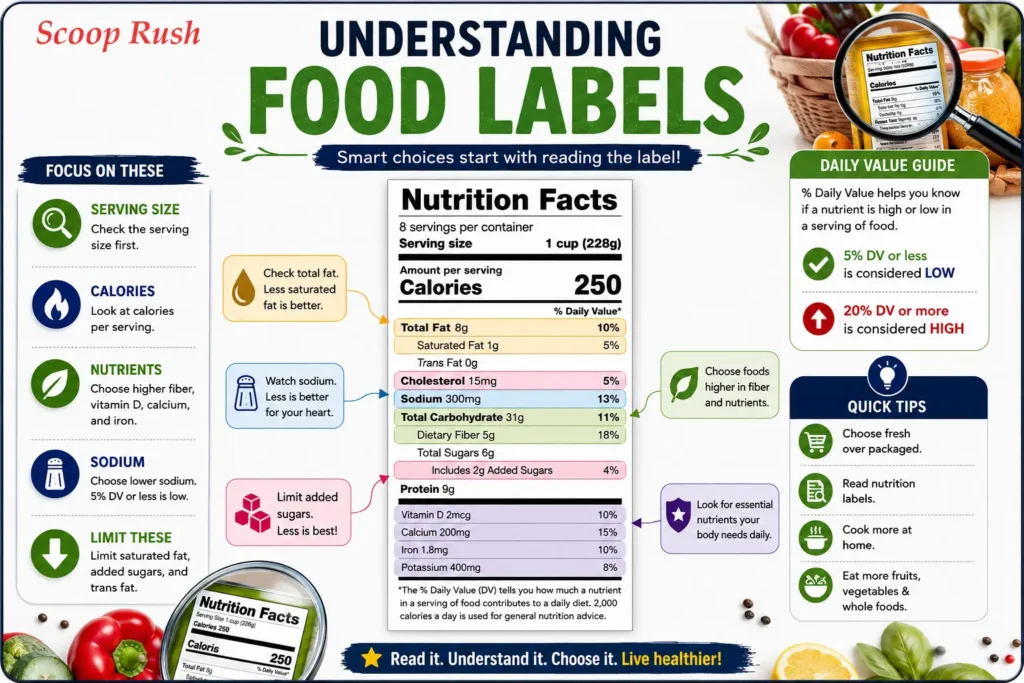
Learning to read nutrition labels is one of the easiest ways to reduce sodium.
Look for the Nutrition Facts panel. Pay attention to:
- Sodium per serving
- Serving size
- Number of servings per package
A food that appears healthy may contain multiple servings, which means the sodium listed on the label could be far lower than what you actually consume in one sitting.
Sodium Label Claims Explained
Here’s what common package claims actually mean:
| Label Claim | Sodium Amount |
| Sodium Free | Less than 5 mg per serving |
| Very Low Sodium | 35 mg or less |
| Low Sodium | 140 mg or less |
| Reduced Sodium | At least 25% less than regular |
| Light in Sodium | At least 50% less |
| No Salt Added | No salt added during processing, but may still naturally contain sodium |
Use % Daily Value
Food labels also show % Daily Value (%DV). A helpful guide is:
- 5% or less = Low sodium
- 20% or more = High sodium
Choosing foods under 140 mg per serving is a good goal whenever possible.
Hidden Names for Sodium
Sodium isn’t always listed as “salt.” Watch ingredient lists for:
- Sodium chloride
- Sodium benzoate
- Sodium citrate
- Monosodium glutamate (MSG)
- Baking soda
- Baking powder
These ingredients all contribute sodium.
Tips for Cooking Without Salt
Reducing sodium doesn’t mean bland food. Instead of salt, season meals with:
- Lemon juice
- Lime juice
- Garlic
- Onion
- Black pepper
- Paprika
- Rosemary
- Basil
- Oregano
- Thyme
- Dill
- Vinegar
- Fresh herbs
Acidic ingredients such as lemon juice help foods taste brighter and more flavorful without adding sodium. If you’re used to eating a more restrictive or texture-limited diet for other medical reasons, it can also help to look at how other therapeutic eating plans, such as a bland diet, build flavor and variety within tight limits — many of the same seasoning principles apply.
Easy Low-Sodium Food Swaps
Small substitutions can save hundreds of milligrams of sodium every day.
| Instead Of | Choose |
| Bottled salad dressing | Olive oil + vinegar |
| Canned beans | Dry or no-salt-added beans |
| Salted butter | Unsalted butter |
| Soy sauce | Coconut aminos |
| Pickles | Fresh cucumbers |
| Processed deli meat | Fresh turkey or chicken |
| Chicken broth | Sodium-free broth |
| Flour tortillas | Corn tortillas |
| Salted crackers | Unsalted crackers |
| Ketchup | Low-sodium ketchup |
Sample Low-Sodium Meal Ideas
Seeing what a low-sodium day actually looks like can make the plan feel less abstract. A few simple examples:
- Breakfast: Oatmeal made with unsalted water or low-sodium milk, topped with fresh berries and a sprinkle of cinnamon, instead of pre-flavored instant packets.
- Lunch: A salad with grilled chicken, mixed greens, fresh vegetables, and an olive oil and vinegar dressing, instead of a store-bought sandwich with deli meat and cheese.
- Snack: Unsalted nuts, fresh fruit, or plain yogurt with fresh fruit, instead of salted pretzels or flavored chips.
- Dinner: Baked salmon seasoned with lemon, garlic, and herbs, alongside roasted fresh vegetables and brown rice, instead of a frozen prepared meal or takeout.
None of these meals require special ingredients or a lot of extra cooking time. The goal is simply to build meals around fresh, whole ingredients and add flavor yourself, rather than relying on pre-seasoned or packaged products that quietly add up in sodium over the course of a day.
Shop Smarter
Simple shopping habits make reducing sodium much easier. Try to:
- Buy more fresh foods
- Shop around the outside of the grocery store
- Compare nutrition labels
- Choose frozen vegetables without sauces
- Purchase no-salt-added canned products
Fresh fruits and vegetables naturally contain very little sodium.
Foods to Limit
Certain foods contribute large amounts of sodium. Limit:
- Pizza
- Cold cuts
- Bacon
- Sausage
- Canned soup
- Fast food
- Frozen dinners
- Instant noodles
- Packaged rice mixes
- Salted chips
- Processed cheese
These foods can quickly exceed your daily sodium goal.
Restaurant Tips
Eating out doesn’t have to ruin your progress. Helpful strategies include:
- Ask for meals without added salt
- Request sauces on the side
- Choose grilled foods instead of fried
- Skip heavily seasoned foods
- Avoid smoked or cured meats
- Limit soups and sauces
- Review nutrition information before ordering
Restaurant meals often contain much more sodium than homemade meals.
Don’t Forget Condiments
Many condiments contain surprisingly high sodium. Examples include:
- Soy sauce
- Barbecue sauce
- Ketchup
- Mustard
- Worcestershire sauce
- Teriyaki sauce
Use smaller portions or choose reduced-sodium versions.
Medications and Supplements May Also Contain Sodium
Some products may contain added sodium, including:
- Antacids
- Effervescent tablets
- Certain medications
- Some mouthwashes
- Some toothpastes
If you’re following a strict low-sodium diet, ask your pharmacist about sodium-free alternatives. It’s also worth remembering that “more is not always better” when it comes to supplements in general. Many people managing a chronic condition start adding vitamins or minerals on their own, but stacking too many supplements can create its own problems. It’s worth reading about the risks of taking too many vitamins before adding anything new to your routine.
Track Your Sodium Intake
Keeping a simple food diary helps identify hidden sodium sources. You can use:
- A notebook
- Smartphone apps
- Nutrition tracking websites
Many people are surprised to discover where most of their sodium comes from.
Give Your Taste Buds Time
Reducing sodium can feel difficult at first. Fortunately, taste buds gradually adjust. Most people begin noticing foods taste naturally flavorful after 6–8 weeks of eating less sodium. Consistency matters more than perfection.
Caffeine, Alcohol, and Other Lifestyle Factors
Limiting Caffeine and Alcohol
Sodium isn’t the only dietary factor that may influence Ménière’s symptoms. Many specialists also recommend limiting caffeine and alcohol, since both can affect fluid balance and blood flow to the inner ear. If you rely on your morning coffee, it’s worth understanding how drinking coffee on an empty stomach affects your body, so you can make an informed choice about timing your intake around meals rather than cutting it out abruptly.
Hydration, Stress, and Sleep
Staying well hydrated with water, managing stress, and getting consistent sleep are also frequently recommended alongside dietary sodium changes. Building these habits alongside a low-sodium diet is really just one part of a bigger picture of long-term wellness. If you’re in your twenties or thirties and want to build sustainable routines now rather than waiting for a health scare, it’s worth reviewing some foundational healthy habits for your 20s and 30s that pay off for decades.
Balancing Multiple Dietary Needs
For people managing multiple health conditions at once, diet decisions can get complicated quickly. For example, someone recovering from surgery or a digestive flare-up may also need to follow a clear liquid diet temporarily, which requires an entirely different approach to nutrition than a long-term low-sodium plan. Similarly, people managing blood sugar or weight alongside Ménière’s disease sometimes explore a low-carb diet to address multiple goals together. Working with a healthcare provider or dietitian can help you combine these approaches safely rather than trying to follow conflicting advice on your own.
What Does Research Say?
Mixed Findings on Sodium Restriction
A low-sodium diet remains one of the most commonly recommended lifestyle approaches for Ménière’s disease. Some studies have reported fewer or less severe vertigo attacks with sodium restriction, while others have found little or no clear benefit. Current reviews conclude that evidence is still limited and no single dietary approach has been proven effective for everyone.
Other Strategies Under Study
Researchers are also studying other dietary strategies — including adequate water intake, limiting caffeine and alcohol, gluten-free diets for selected patients, and specially processed cereals but more high-quality research is needed before firm recommendations can be made.
When to Talk to Your Doctor
If dietary changes alone aren’t controlling your symptoms, it’s important to speak with an ear, nose, and throat (ENT) specialist or a neurotologist. Ménière’s disease is often managed with a combination of approaches, which may include diuretics, vestibular rehabilitation, hearing aids, or in more severe cases, procedures to reduce inner ear pressure. Diet is a helpful foundation, but it works best as part of a broader treatment plan rather than as a stand-alone cure.
Final Thoughts
Following a low-sodium diet doesn’t require giving up your favorite foods overnight. Instead, focus on making small, sustainable changes that reduce hidden sodium from processed and restaurant foods. Reading nutrition labels, cooking more meals at home, choosing fresh ingredients, and replacing salt with herbs and spices can significantly lower your sodium intake over time.
While a low-sodium diet may not eliminate Ménière’s disease symptoms for everyone, it remains a commonly recommended first-line strategy and may help some people reduce vertigo episodes and improve overall symptom control when combined with medical treatment and regular follow-up with a healthcare professional.
FAQs
Can a low-sodium diet cure Ménière’s disease?
No. There is no known cure for Ménière’s disease. A low-sodium diet is considered a supportive lifestyle strategy that may help some people reduce the frequency or severity of vertigo episodes, but it does not reverse the underlying inner ear condition.
How quickly will I notice a difference?
Most healthcare providers suggest giving a low-sodium diet at least several weeks to a few months before evaluating whether it is helping, since Ménière’s disease symptoms naturally fluctuate over time regardless of diet.
Is it safe to cut sodium drastically overnight?
Gradual reduction is usually easier to sustain and easier on the palate than an abrupt, drastic cut. It also gives you time to identify hidden sources of sodium in your usual diet rather than eliminating foods you may not need to avoid entirely.
Do I need to avoid salt completely?
Most guidance focuses on staying within a daily sodium range rather than eliminating salt altogether. Working with your healthcare provider or a dietitian can help you set a realistic, individualized target.
Should I also change my water or fluid intake?
Some specialists recommend staying consistently and adequately hydrated throughout the day, since large swings in fluid intake may affect inner ear fluid balance just as sodium does. Ask your provider what fluid intake pattern makes sense for you.