
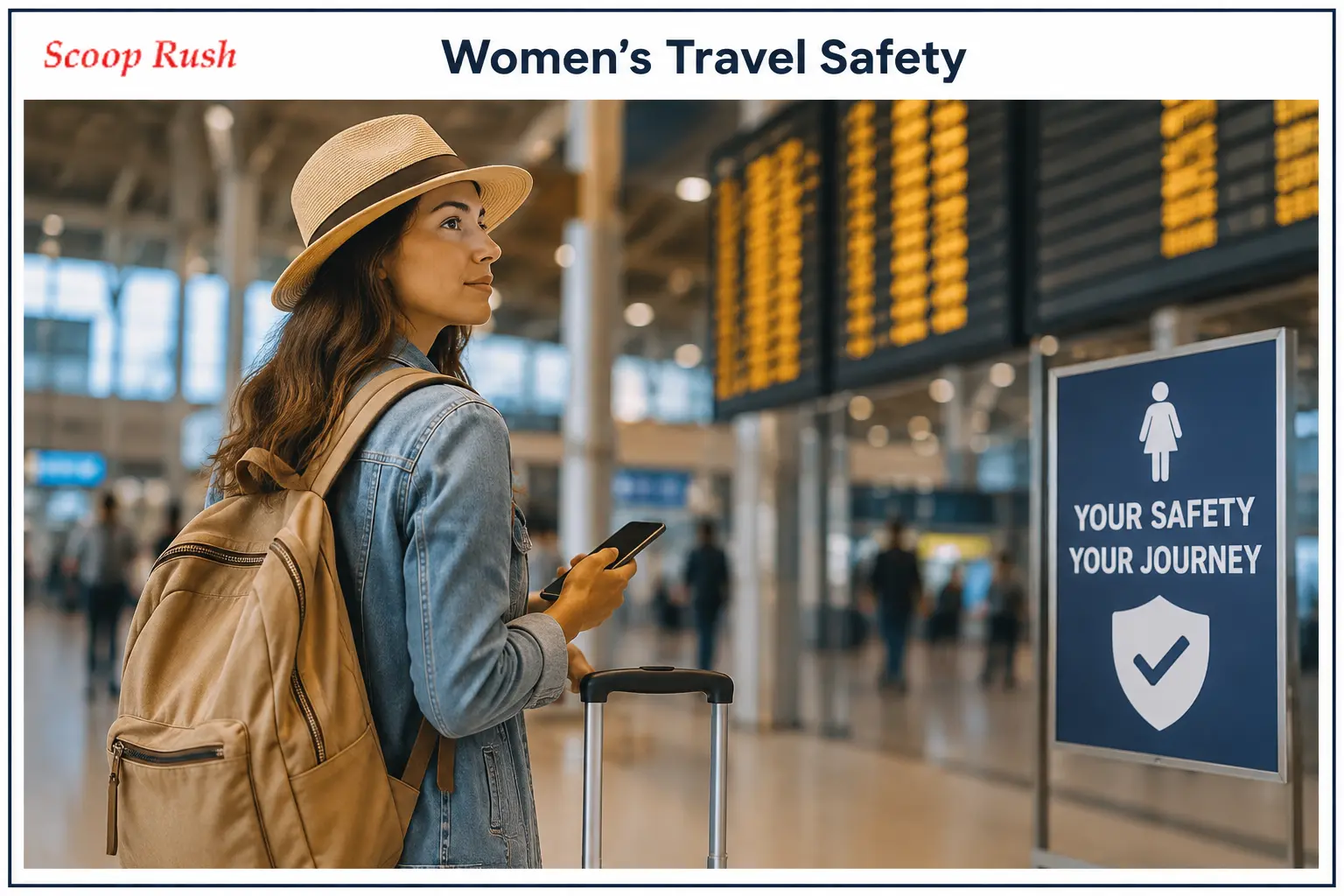
For many women, women’s travel safety can shape every part of a trip. Safety concerns can affect accommodation, transport, arrival times, and daily plans. They can also increase travel costs in ways that remain easy to overlook.
A cheaper hotel may sit in an isolated area. A cheaper flight may arrive late at night. A shared hostel room may feel less comfortable than a women-only option. As a result, women often spend more to gain peace of mind while travelling.
The Hidden Cost of Feeling Safe
Women do not necessarily pay more for the same travel service. Instead, safety concerns can push them toward more expensive alternatives. A central hotel may cost more than accommodation outside the main area. A taxi may cost more than walking or using public transport.
These extra expenses can appear small during individual decisions. However, they can add up across an entire journey. Accommodation, transport, insurance, and activity choices can all become part of the safety budget.
Women-Only Rooms Offer Greater Peace of Mind

Women-only dorms have become a popular option for solo travellers. They provide an alternative to mixed accommodation in many hostels. For some women, the option offers greater comfort when sharing a room with strangers.
However, female-only rooms can sometimes cost more. The price difference varies between properties and destinations. Strong demand can also influence pricing. Still, the decision often comes down to more than money. Travellers may pay extra because they value a greater sense of security.
Transport Can Add to Travel Expenses
Transport represents another important part of women’s travel safety decisions. Walking may seem practical during daylight hours. The same route can feel very different late at night. Solo travellers may therefore choose taxis or pre-arranged transfers.
Arriving in an unfamiliar city can create similar concerns. Some women prefer private transport from an airport or station. This choice can reduce uncertainty after a long journey. However, it can also make an already expensive trip cost more.
Cheap Travel Times May Not Always Feel Practical
The cheapest travel option does not always provide the most comfortable arrival. Very early or late flights can reduce ticket prices. However, they may leave travellers arriving when fewer transport options operate.
Some women therefore choose daytime arrivals whenever possible. They may pay more for a suitable flight or train. Reaching a destination while streets remain busy can make the first few hours easier. It can also reduce the need for expensive private transport.
Safety Planning Starts Before the Journey
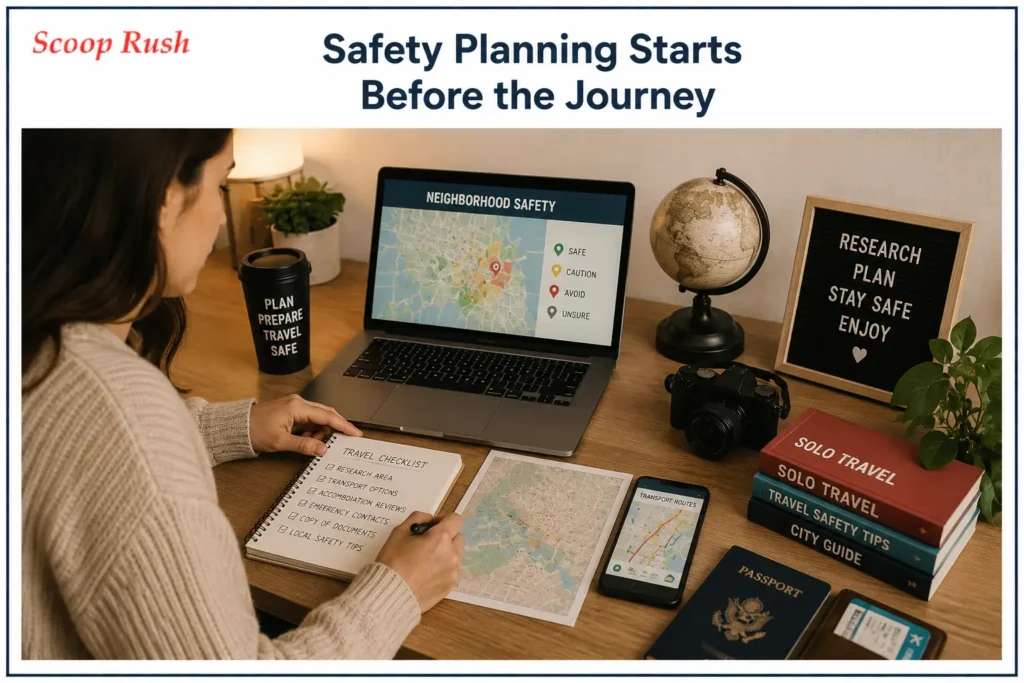
Women’s travel safety often requires preparation before departure. Travellers may research neighbourhoods before choosing accommodation. They may check transport routes and read reviews from previous guests.
This preparation can take considerable time. Travellers may also look for information about areas to avoid. They can check how easily they can reach their accommodation after dark. These steps may reduce uncertainty, but they also add another layer of planning.
Solo Travel Can Involve Constant Decisions
Solo female travellers often make safety decisions throughout the day. They may consider whether to walk somewhere or take transport. They may decide whether an unfamiliar person seems trustworthy. They may also change plans when a situation feels uncomfortable.
Such decisions do not mean women cannot enjoy solo travel. Many women continue travelling independently across different countries. Instead, safety becomes another factor in their daily choices. Experience can also make travellers more willing to spend money when necessary.
Past Experiences Can Change Travel Choices
Previous experiences can strongly influence how women approach solo travel. An uncomfortable encounter may change how someone chooses accommodation. It may also affect decisions about transport, nightlife, and social situations.
Some travellers become more selective as they gain experience. They may choose women-only dorms instead of mixed rooms. Others may stop walking alone after dark. These decisions can reduce stress, but they can also raise the overall cost of travelling.
The Mental Cost Matters Too
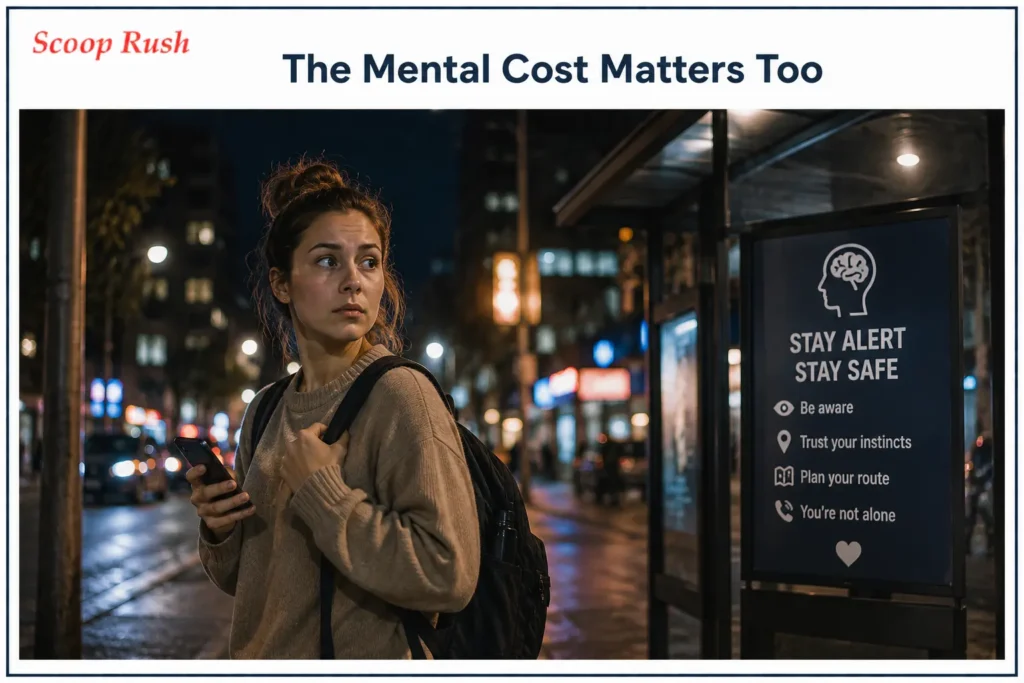
The hidden cost of travel is not always financial. Women may spend significant mental energy assessing their surroundings. They may monitor their route, belongings, transport, and social interactions.
This constant awareness can make travel more tiring. A traveller may spend part of an evening thinking about the journey home. She may also avoid certain places because returning alone feels uncomfortable. The result can be a reduced sense of freedom.
Safety Can Limit Spontaneous Experiences
Travel often promises freedom and spontaneity. However, safety concerns can change that experience for some women. A traveller may avoid a late-night event because she cannot find comfortable transport home.
She may also skip a remote attraction or evening activity. These decisions can protect personal safety. Yet they can also mean missing experiences that were part of the original travel plan. In this way, safety concerns can influence the journey itself.
Research Can Make Travel More Manageable
Careful research can help travellers make informed decisions. Women can check accommodation reviews before booking. They can also research neighbourhoods and local transport options.
Knowing the destination can make unfamiliar situations easier to handle. Travellers can identify suitable routes before leaving their accommodation. They can also arrange reliable transport before arrival. Preparation cannot remove every risk. However, it can reduce unnecessary uncertainty.
Staying Connected Can Provide Extra Reassurance
Solo travellers can also share their plans with someone they trust. They can provide flight details and accommodation information before departure. Regular check-ins can then provide another layer of reassurance.
Travellers should also keep important information accessible. Copies of essential documents can help if something gets lost. Emergency contact details can also prove useful. These simple preparations can make unexpected situations easier to manage.
Travel Insurance Can Protect the Budget
Travel insurance adds another cost to a holiday. However, it can provide financial protection against certain unexpected problems. Coverage can vary widely between different policies.
Travellers should therefore check the details before buying insurance. They should understand exclusions and coverage limits. The cheapest policy may not always meet their needs. A suitable policy can provide greater financial confidence during an overseas trip.
Travel Businesses Also Have a Role
The responsibility for safer travel should not fall entirely on women. Travel companies can also improve the experience. Hotels can provide clearer information about their surroundings. Hostels can make safety policies easier to understand.
Transport providers can also offer clearer information about arrival options. Booking platforms could provide more useful information about neighbourhood safety. Better information would allow travellers to make decisions without spending hours searching elsewhere.
Safety Should Not Become a Luxury
The growing demand for safer options raises an important question. Should travellers have to pay extra for a basic sense of security?
There is no simple answer because prices often reflect demand and operating costs. However, the issue remains important for women. When safety influences accommodation and transport choices, it can quietly increase the cost of travelling.
Women Deserve Freedom Along With Safety
Women should not have to choose between exploring the world and feeling secure. Sensible planning can help reduce risks during a trip. Yet travellers should also feel free to change plans when something feels wrong.
Safety also does not require avoiding every unfamiliar experience. Travellers can make informed choices while enjoying new destinations. The goal should be confidence rather than constant fear.
The Real Price of Women’s Travel Safety
The cost of safer travel goes beyond a few extra pounds or dollars. It can include better accommodation, private transport, convenient travel times, and insurance. It can also include the mental effort required to plan each decision.
For many women, paying extra can feel worthwhile. Peace of mind can make an unfamiliar destination easier to enjoy. However, the wider travel industry can do more to make safety accessible. Women should not have to treat basic security as a luxury feature.
Conclusion
Women’s travel safety can affect the cost and experience of a trip. Women may choose safer accommodation, private transport, or better travel times. These choices can increase expenses and reduce spontaneity.
However, safety should not feel like a luxury. Better travel services and clearer safety information can help women travel with greater confidence. Every traveller deserves to explore new places without carrying an unfair safety burden.
FAQs
1. What is the safety premium in women’s travel?
It means the extra money women may spend to feel safer while travelling. This can include accommodation, transport, and private rooms.
2. Why do women choose women-only accommodation?
Women-only rooms can offer greater comfort and peace of mind. They can feel especially useful for solo travellers.
3. Can safety concerns increase travel costs?
Yes. Women may choose taxis, central hotels, private rooms, or convenient travel times. These options can cost more than cheaper alternatives.
4. How can women improve travel safety?
Research the destination and accommodation before travelling. Plan transport in advance and share your itinerary with someone trusted.
5. Should women have to pay more for safety?
Safety should not become a luxury. Travel companies should provide safer options and clearer information for all travellers.

