
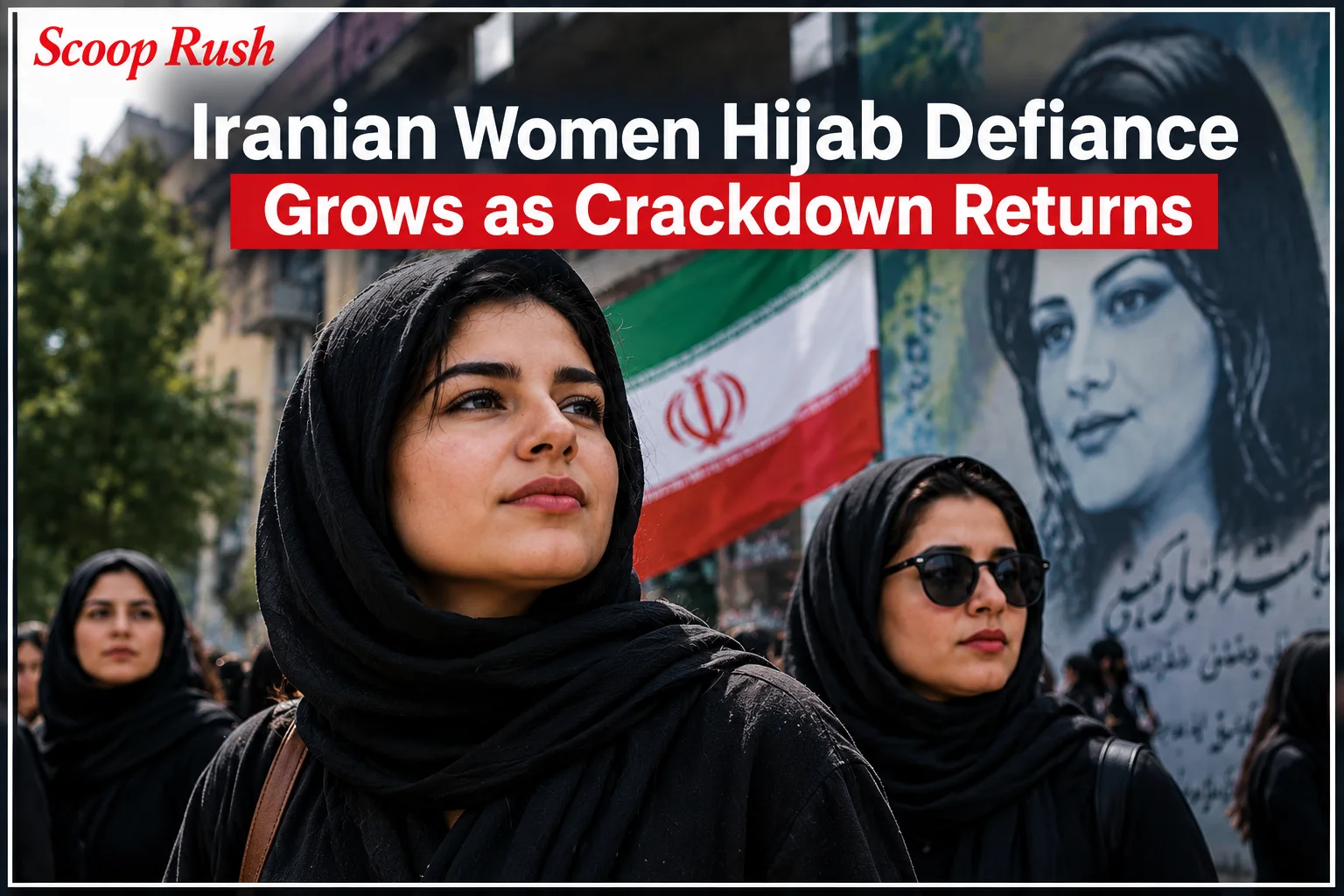
Iranian women hijab defiance keeps growing even as hardliners push for tougher enforcement. Many women in Iran still walk city streets without headscarves. Meanwhile, authorities have changed their strategy. Instead of large street patrols, officials now target businesses that allow unveiled customers.
This shift comes at a tense moment for Iran’s government. The country faces serious economic pressure and recent regional military tensions. At the same time, officials still fear another wave of unrest like the 2022 protests. As a result, the hijab issue has become a broader test of state authority.
A New Enforcement Strategy Emerges
Iranian authorities have quietly changed how they handle hijab violations. Rather than confronting women directly, officials now punish the businesses around them. Cafes, restaurants, shops, and sports clubs have faced sudden closures in recent weeks. This shift lets the government apply pressure without triggering mass street clashes.
In Tehran, officials shut down at least seven cafes and restaurants on July 19. The human rights group HRANA reported these closures. Authorities used vague terms like “violation of norms” to justify the shutdowns. Similar closures have hit businesses in more than fifteen cities across Iran, including several cafes in South Khorasan Province.
Hardliners Demand Tougher Action
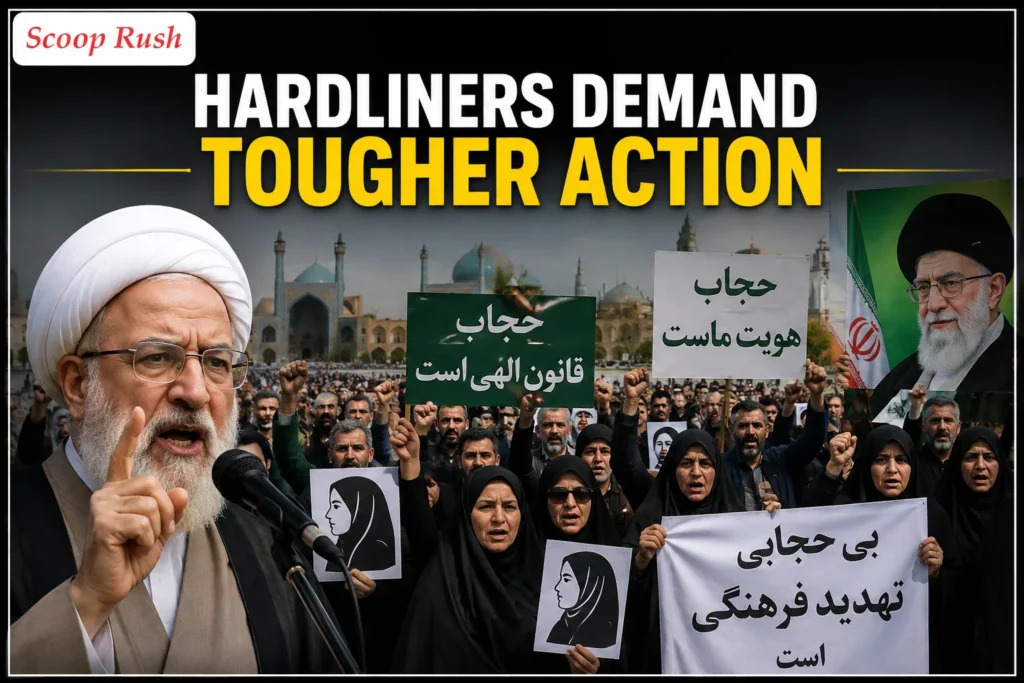
Conservative voices in Iran have grown louder in recent months. Politicians, clerics, and state media figures are calling for stricter hijab enforcement. Many describe the headscarf as central to Iran’s cultural and religious identity. Kayhan editor Hossein Shariatmadari has urged officials to treat enforcement as both a legal and religious duty.
Hardline groups have also organized public rallies in cities like Isfahan and Mashhad. Supporters at these events describe unveiling as a threat to Islamic values. Online, hardline accounts share videos of unveiled women and demand action against them. Some hardliners now frame hijab as a political symbol rather than a matter of personal choice.
Women Continue Public Resistance
Despite growing pressure, many Iranian women refuse to return to old norms. Young women appear without headscarves in parks, cafes, and busy streets. Social media videos from Tehran and other cities capture this ongoing defiance. Some clips even show women riding scooters and motorcycles without covering their hair.
This resistance still carries real risks for the women involved. Authorities can penalize businesses that serve unveiled customers or employees. Public institutions may also restrict entry for women without headscarves. Still, one Tehran woman in her sixties said daily life already looks different. She noted that many women now dress freely without fear on the streets.
The Suspended 2024 Hijab Law
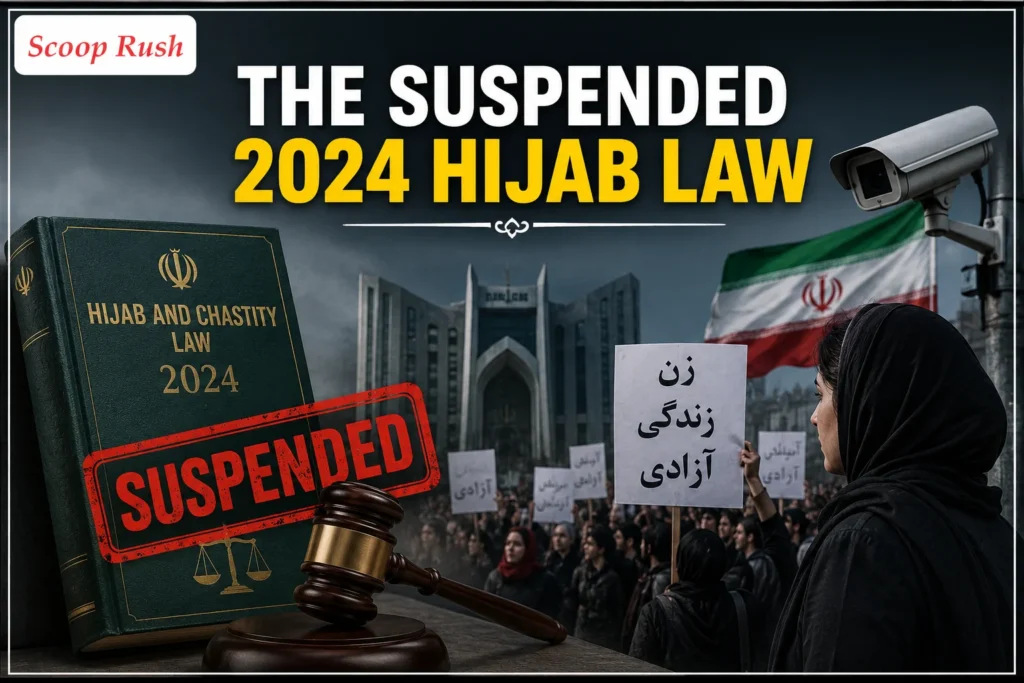
Iran passed a stricter Hijab and Chastity law back in 2024. The law introduced harsher penalties and expanded surveillance tools. However, officials never actually put the law into effect. The Supreme National Security Council stepped in and blocked its rollout.
Security officials feared the law could spark protests similar to those in 2022. Those earlier demonstrations followed the death of Mahsa Amini in police custody. Many hardliners remain frustrated by the ongoing delay. Even some hijab supporters, like cleric Morteza Panahian, have warned that strict enforcement could backfire and fuel more defiance.
Pezeshkian Resists Forced Enforcement
President Masoud Pezeshkian has taken a cautious stance on hijab enforcement. He argues that laws alone cannot force people to change their beliefs. Instead, he favors addressing the issue through cultural dialogue rather than punishment. His position has drawn sharp criticism from conservative factions within Iran’s government.
Former lawmaker Gholamali Jafarzadeh Imanabadi has echoed similar concerns publicly. He believes officials should focus on inflation and living costs instead. Many ordinary Iranians face serious economic struggles right now. Still, Pezeshkian does not control every institution in Iran’s political system, since the judiciary and other bodies continue pushing their own enforcement agenda.
Businesses Face Growing Pressure
Targeting businesses gives Iranian authorities a simpler enforcement tool. Officials can close a cafe or shop instantly, without deploying patrols. This method avoids the visible confrontations that fueled past unrest. However, it shifts the burden of enforcement onto private business owners instead.
Business owners must now decide whether to enforce dress codes themselves. Failing to comply can result in closures or legal consequences for them. The Tehran prosecutor’s office has already warned cafes, restaurants, and clothing stores. Yet many worry this approach could worsen economic hardship and trigger public backlash.
Roots of the Hijab Dispute
Mandatory hijab rules in Iran date back to the 1979 revolution. Article 638 of the Islamic Penal Code criminalizes appearing in public without hijab. However, the law never clearly defines what counts as proper covering. This ambiguity gives authorities wide room to interpret and enforce the rules.
The 2022 Woman, Life, Freedom protests reshaped public attitudes toward hijab enforcement. Many women kept resisting despite facing arrests and crackdowns. Their continued defiance has become more visible across Iran’s cities. Economic hardship and recent regional tensions have added further strain to this long-running dispute.
What Lies Ahead for Iran’s Hijab Rules
Iranian officials now face two competing pressures at once. Hardliners want immediate and forceful enforcement of hijab laws. Meanwhile, many women continue ignoring these rules in daily life. Authorities must weigh the risk of renewed protests against demands from conservative groups.
For now, officials appear to favor quieter, targeted pressure over mass crackdowns. Business closures and legal warnings offer a way to enforce rules without street confrontations. Even so, resistance continues to spread across Iranian society. Social media keeps documenting this shifting cultural and political reality.
Conclusion
Iranian women hijab defiance shows no sign of slowing down. Authorities have shifted tactics, but resistance remains strong. Hardliners keep pushing for stricter rules, while many women continue rejecting them openly. President Pezeshkian favors caution, yet other power centers in Iran continue applying pressure. The coming months will likely test how far each side is willing to go. Iran’s hijab debate remains a defining struggle between state control and personal freedom.
FAQs
1. Why are Iranian women resisting mandatory hijab rules?
Resistance grew sharply after the 2022 Woman, Life, Freedom protests. Those protests followed Mahsa Amini’s death in police custody. Public defiance has remained visible in Iranian cities ever since.
2. Are Iranian authorities still enforcing hijab laws today?
Yes, but their approach has changed. Officials now target businesses instead of confronting women directly. This shift reflects fear of triggering renewed street protests.
3. What happened to Iran’s 2024 Hijab and Chastity law?
Iran passed the law in 2024 with harsher penalties. However, the Supreme National Security Council blocked its implementation. Officials feared it could spark unrest similar to 2022.
4. What is President Pezeshkian’s view on hijab enforcement?
Pezeshkian believes force cannot change personal beliefs. He supports cultural solutions over strict legal punishment. His stance has drawn criticism from hardline conservatives.
5. Why are businesses facing closures over hijab violations?
Authorities hold businesses responsible for customers who ignore dress codes. Cafes, restaurants, and shops have already faced closures. This tactic avoids large-scale street enforcement operations.

