
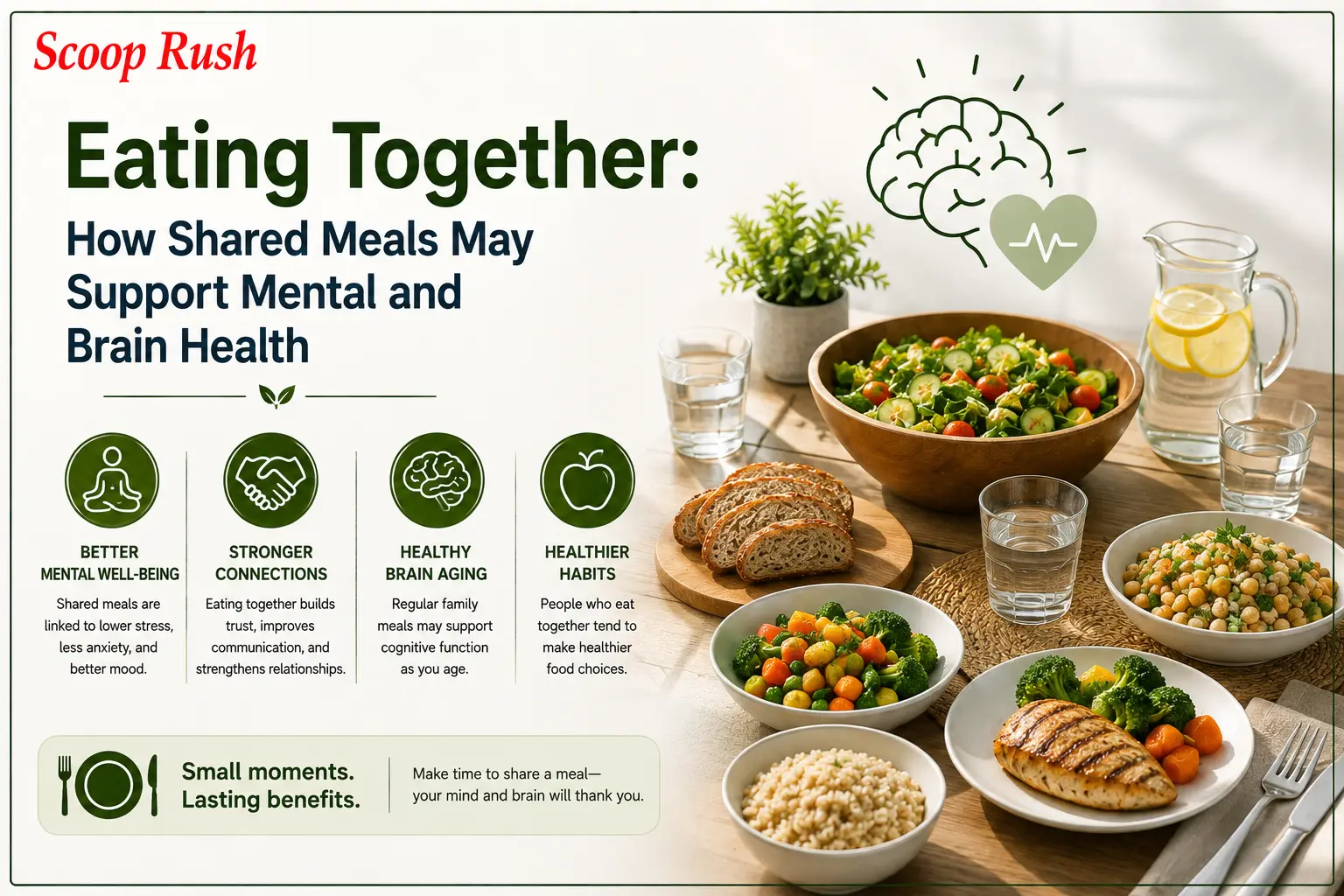
A meal can be much more than simply food on a plate. Sitting down with family, friends, or people we care about creates an opportunity to talk, laugh, share experiences, and feel connected.
Research increasingly suggests that eating together may be associated with better emotional wellbeing, stronger social relationships, and healthier aging. While shared meals are not a cure for depression or a guaranteed way to prevent dementia, they may be one simple part of a healthy lifestyle that supports both mental and social health.
This practice is known as commensality, which means sharing food and eating with other people.
Modern life, however, has made eating alone more common. Busy schedules, work commitments, smartphones, convenience foods, and social isolation can all reduce the time people spend sharing meals.
The good news is that creating more opportunities to eat together does not require expensive food or elaborate dinner plans. Sometimes, a simple breakfast, lunch, cup of tea, or shared snack can provide an opportunity for meaningful connection.
What Is Commensality?

Commensality simply means eating with other people.
Throughout history, shared meals have played an important role in family life, friendships, celebrations, and community traditions. Food naturally brings people together because eating is already part of everyday life.
When meals are shared, they can offer more than nutrition. They can create opportunities for:
- Conversation
- Emotional support
- Laughter and enjoyment
- Family bonding
- Social connection
- Shared memories
- A stronger sense of belonging
The World Happiness Report found a strong association between sharing meals and higher life satisfaction, positive emotions, and social connection.
Eating Together and Mental Wellbeing
One of the most interesting areas of research is the relationship between shared meals and emotional health.
Several studies have found that people who regularly eat with others tend to report better emotional wellbeing. However, it is important to understand that these studies generally show associations, not direct cause and effect.
In other words, eating alone does not automatically cause depression. A person may eat alone because of work schedules, personal preferences, living arrangements, or other circumstances.
At the same time, regular shared meals may create valuable opportunities for social interaction.
What Research Suggests
Studies have found connections between solitary eating and depressive symptoms, particularly among older adults.
Key findings include:
- A study involving older women in China found that the number of people sharing meals was associated with depression risk.
- Research among older adults in Japan found an association between regularly eating alone and higher odds of depressive symptoms.
- Living with other people does not always prevent loneliness. Someone may live with family members but still have limited meaningful interaction.
A shared meal can provide a simple and regular opportunity to talk, listen, and feel connected.
Research Among Older Adults
For older adults, social connection may become especially important.
Retirement, living alone, reduced mobility, or changes in family life can sometimes make regular social interaction more difficult. A shared meal may offer a natural way to maintain contact with family members, friends, or neighbors.
Why Living Together Is Not Always Enough
Simply being in the same home does not necessarily mean people are connecting.
For example:
- Family members may eat at different times.
- Everyone may focus on separate screens.
- Busy schedules may limit conversation.
- A person may feel lonely despite living with others.
Sharing a regular meal can create intentional time for interaction.
Even a short conversation over breakfast or dinner may help create a greater sense of companionship and belonging.
Shared Meals and Happiness
Large international research has also highlighted the connection between meal sharing and wellbeing.
The World Happiness Report 2025 analyzed information from more than 150,000 people across 142 countries and territories.
Participants were asked how often they had eaten lunch or dinner with someone they knew during the previous week.
People who shared meals more frequently generally reported:
- Higher life satisfaction
- More positive emotions
- Stronger social support
- Lower levels of loneliness
Again, this does not prove that simply sitting at a table with someone automatically creates happiness.
People with stronger social relationships may naturally have more opportunities to share meals. Therefore, meal sharing may both reflect strong relationships and help strengthen them.
Why Does Eating Together Feel Good?

There may be several reasons why eating with others feels enjoyable.
1. Food Is Already a Positive Experience
Eating can be pleasurable, especially when enjoying foods we like. Sharing that experience with others may add another layer of enjoyment.
2. Conversation Provides a Mental Break
Meals can offer a break from:
- Work
- Responsibilities
- Daily stress
- Digital distractions
- Busy schedules
Talking with others may help people relax and temporarily shift their attention away from everyday worries.
3. Shared Experiences Can Feel More Meaningful
Food often becomes connected to memories.
People may remember:
- Family dinners
- Holiday meals
- Birthday celebrations
- Traditional recipes
- Meals prepared by loved ones
Often, people remember not only what they ate, but also who they shared the experience with.
Food Can Bring People Closer
Food has social meaning in cultures around the world.
Sharing bread, preparing meals together, and gathering around a table have long been connected with friendship, hospitality, and family life.
A meal does not need to be complicated to be meaningful.
It could be:
- Breakfast with your spouse
- Lunch with a coworker
- Dinner with family
- Tea with a neighbor
- A weekend meal with friends
- A simple snack shared with someone you enjoy
The social value comes from the interaction, not from how expensive or impressive the food is.
Eating Together and Family Bonds
For families, mealtimes can become an important opportunity for communication.
Parents and children may have more chances to talk when they regularly sit together without distractions.
During meals, children may share:
- Stories about school
- Experiences with friends
- Personal interests
- Everyday challenges
- Funny moments from their day
Parents can listen, offer guidance, and learn more about what is happening in their children’s lives.
The conversation does not need to be serious. Everyday discussions, jokes, and laughter can also help strengthen trust and familiarity.
A Sense of Belonging
Regular family meals can create a sense of routine and stability.
This may be especially valuable in busy households where everyone has different schedules.
The goal does not have to be a perfect family dinner every night. Instead, focus on creating regular opportunities to connect.
Even one or two shared meals each week may help create a meaningful family routine.
Can Shared Meals Encourage Healthy Eating?
Family meals may also support healthier eating habits.
Meals prepared at home may include more opportunities to serve nutritious food such as:
- Vegetables
- Fruits
- Whole grains
- Beans and legumes
- Protein-rich foods
- Home-cooked meals
Children can also learn by observing the eating habits of adults around them.
How Children Learn During Shared Meals
Children may become more comfortable with healthy foods when they regularly see family members enjoying them.
Shared meals can help parents:
- Introduce new ingredients
- Encourage food variety
- Model balanced eating habits
- Make healthy foods feel familiar
Over time, repeated exposure may help children become more comfortable trying different foods.
Learning Through Meal Preparation
The benefits of shared meals can begin before everyone sits down at the table.
Involving children in simple food preparation can provide both practical skills and family time.
| Age Group | Possible Activities |
| Younger children | Washing vegetables, tearing salad leaves, setting the table |
| School-age children | Mixing ingredients, arranging food, helping prepare simple dishes |
| Older children | Learning cooking techniques and understanding how ingredients work together |
These activities can help children develop practical skills while also making them feel included in the family meal experience.
Put Phones Away During Meals
Technology can easily interfere with the social benefits of eating together.
People may sit at the same table while each person focuses on a separate phone or screen. Being physically present is not always the same as genuinely connecting.
Create a More Connected Mealtime
Try these simple habits:
- Put phones away during meals.
- Turn off the television.
- Avoid checking social media while eating.
- Give everyone a chance to participate in the conversation.
- Aim for around 20 to 30 minutes of distraction-free time when possible.
The purpose is not to make meals strict or formal. The goal is simply to give people an opportunity to be present with one another.
Eating Together and Brain Health
Researchers are also exploring whether social isolation and solitary eating may be connected with changes related to cognitive aging.
A 2025 study published in npj Aging examined 727 cognitively healthy older Japanese adults. Researchers used brain imaging and dietary information to compare people who frequently ate alone with those who usually ate with others.
The study found that frequent solitary eating was associated with smaller brain volumes in several areas involved in memory and cognitive function.
These areas included parts of the:
- Medial temporal lobe
- Hippocampus
Important: The Findings Need Careful Interpretation
This research does not prove that eating alone causes brain shrinkage.
Several other factors may influence the results.
For example:
- People who frequently ate alone also tended to have less healthy dietary patterns.
- Existing social isolation may affect both eating habits and wellbeing.
- Other lifestyle factors may influence brain health.
Researchers suggested that both nutrition and social interaction could potentially play a role.
Conversation itself involves listening, remembering, responding, and following ideas. These activities may provide everyday mental stimulation.
However, more research is needed to understand the exact relationship.
Can Eating Together Prevent Dementia?
It would be misleading to say that eating together prevents dementia.
Current evidence does not establish a direct cause-and-effect relationship.
Instead, shared meals may be considered one possible part of a broader lifestyle that supports healthy aging.
Other important areas include:
- Good nutrition
- Regular physical activity
- Adequate sleep
- Social interaction
- Mental stimulation
- Managing overall health
A shared meal can sometimes combine several of these elements at once by bringing together nutritious food, conversation, and companionship.
Italy’s Culture of Shared Meals
Different cultures approach mealtimes in different ways.
Italy is often recognized for placing a strong cultural emphasis on long, social meals with family and friends.
Meals may be viewed not simply as a way to satisfy hunger, but also as an opportunity to:
- Spend time together
- Talk and relax
- Enjoy food slowly
- Maintain family traditions
The lesson for other countries is not that everyone needs to copy Italian food culture.
Instead, it highlights how meals can become an important part of social and community life.
A meaningful shared meal does not need to be expensive or elaborate.
What If You Usually Eat Alone?
Many people live alone or have schedules that make shared meals difficult.
Eating alone occasionally is not necessarily a problem. The bigger concern may be persistent loneliness or social isolation.
Start With One Small Change
You could try:
- Inviting a friend for lunch
- Having dinner with a family member
- Sharing a weekend breakfast
- Eating with coworkers during a break
- Inviting a neighbor for tea or coffee
Small changes can create regular opportunities for connection without requiring a major lifestyle change.
You Do Not Need a Fancy Meal
The food itself does not need to be complicated.
Simple options can work perfectly well, including:
- Leftovers
- Eggs
- Beans
- Salads
- Frozen vegetables
- Soup
- Sandwiches
- A simple homemade dinner
The focus should be on spending time together rather than creating a perfect meal.
Eating Together Can Improve Communication
Regular shared meals may help people communicate more comfortably.
When conversation becomes part of a routine, family members and friends may find it easier to discuss everyday experiences.
Create a Positive Atmosphere
Try to keep mealtimes relaxed.
Helpful habits include:
- Listening without interrupting
- Avoiding constant criticism
- Talking about enjoyable moments from the day
- Discussing future plans
- Asking open and friendly questions
- Allowing room for laughter
Meals should not become an interrogation or lecture.
A relaxed environment can make people more comfortable sharing their thoughts and experiences.
How Often Should You Eat Together?
There is no scientifically established number of shared meals that everyone needs each week.
Some families eat together every evening, while others may only manage once or twice a week. Both can still create opportunities for connection.
The most important factor may be consistency rather than perfection.
A Simple Approach
If your family rarely eats together:
- Start with one shared meal each week.
- Choose a time that works for everyone.
- Try to make it a regular routine.
- Add another meal later if it fits naturally into your schedule.
A realistic routine is more likely to last than an ambitious plan that creates additional stress.
Make Children Part of the Experience
Children can benefit from feeling involved in family meals.
Depending on their age, they may help with:
- Washing produce
- Stirring ingredients
- Arranging food on plates
- Setting the table
- Choosing between healthy food options
Older children can gradually learn more advanced cooking skills.
Teach Without Pressure
Family meals can be a good opportunity to model healthy habits, but constant pressure about food can make mealtimes stressful.
Instead:
- Offer a variety of nutritious foods.
- Allow children to observe positive eating habits.
- Keep the environment relaxed.
- Avoid turning every meal into a lesson.
Over time, these experiences may help children develop a healthier relationship with food.
The Bigger Picture
Modern life has made eating alone increasingly convenient.
People work different schedules, order individual meals, spend time on digital devices, and may have fewer opportunities for face-to-face interaction.
Convenience itself is not necessarily harmful. However, when busy routines consistently reduce meaningful social contact, loneliness and isolation may become more common.
Shared meals offer one simple way to bring regular human interaction back into everyday life.
Key Research Findings
| Study or Source | Population | Main Finding |
| World Happiness Report 2025 | 150,000+ people across 142 countries and territories | More frequent shared meals were linked with higher life satisfaction, positive emotions, and stronger social support |
| Study involving older women in China | Older women | Fewer people at the table were associated with a higher risk of depression |
| Research among older adults in Japan | Older adults living with family | Regularly eating alone was linked with higher odds of depressive symptoms |
| npj Aging (2025) | 727 cognitively healthy older Japanese adults | Frequent solitary eating was associated with smaller brain volume in some memory-related regions |
Important Note
All of these findings show associations.
They do not prove that eating alone directly causes:
- Depression
- Dementia
- Brain shrinkage
- Poor mental health
Diet quality, existing social relationships, physical health, lifestyle habits, and other factors may also influence the results.
Quick Tips for Making Shared Meals a Habit
Here are some simple ways to make shared eating part of your routine:
- Start with one or two shared meals per week.
- Put phones away during mealtimes.
- Turn off the television when possible.
- Keep conversations relaxed and positive.
- Involve children in simple meal preparation.
- Do not worry about preparing complicated food.
- Invite a friend, neighbor, family member, or coworker to join you.
- Focus on consistency instead of perfection.
FAQs
What is commensality?
Commensality means eating and sharing a meal with other people. It can provide opportunities for conversation, companionship, and social connection.
Can eating together improve mental health?
Shared meals may support emotional wellbeing by creating regular opportunities for social interaction. However, research shows an association rather than proof that eating together directly prevents depression.
Does eating alone cause depression?
Not necessarily. Eating alone can happen because of work schedules, personal preferences, or living arrangements. However, frequent solitary eating has been associated with depressive symptoms in some studies.
Can shared meals help older adults?
Shared meals may help older adults maintain social connection and reduce feelings of isolation. Social interaction can be particularly valuable when retirement, mobility issues, or living arrangements reduce everyday contact.
Can eating together prevent dementia?
There is currently no strong evidence that shared meals directly prevent dementia. They may be one part of a healthy lifestyle that includes good nutrition, physical activity, sleep, and social engagement.
Do family meals encourage healthy eating?
They can. Children may learn healthy eating habits by observing adults, trying different foods, and participating in meal preparation.
How often should families eat together?
There is no fixed number that everyone needs. Even one or two shared meals per week can create regular opportunities for family connection.
Do meals need to be elaborate?
No. A simple breakfast, sandwich, soup, snack, or cup of tea can provide the same opportunity for conversation and connection. The social interaction matters more than the cost of the meal.
Should phones be avoided during shared meals?
Putting phones and other screens away can make it easier for people to focus on conversation and genuinely connect with one another.

