
The US Iran strikes pause has opened a new window for diplomacy after nearly two weeks of continuous military action. The United States has halted fresh strikes against Iran for the past two nights. In response, Iran has also suspended retaliatory attacks against US allies across the Middle East. The temporary lull has raised cautious hopes that negotiations could prevent further escalation.
Despite the pause, tensions remain high across the region. Both Washington and Tehran continue sending strong warnings while keeping military options available. At the same time, diplomatic efforts led by Oman have gained momentum, especially over the future of the Strait of Hormuz. The coming days could determine whether talks succeed or fighting resumes.
US Iran Strikes Pause Creates Diplomatic Opportunity
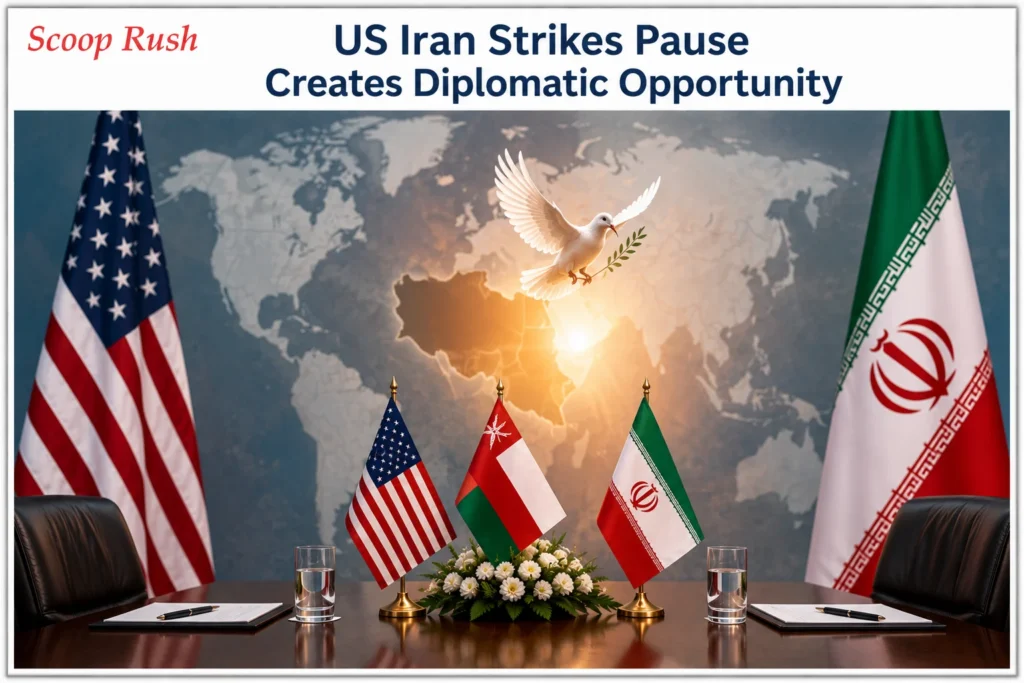
The United States has paused military operations against Iran for now. A US defense source said operations remain on hold while diplomatic discussions continue. President Donald Trump reportedly wants to give negotiations more time.
The pause followed nearly two weeks of continuous US airstrikes. Reports said Trump declined plans for another night of attacks. The decision came as Oman continued mediation efforts between Washington and Tehran.
Iran Responds After US Iran Strikes Pause
Iran confirmed it has stopped retaliatory attacks against US allies. Army spokesman Mohammad Akraminia said Iran adopted a retaliatory strategy during the conflict. Therefore, Tehran halted its operations after US strikes stopped.
However, Iranian officials warned the current calm may not last. They said any renewed US air campaign would trigger another military response. Iran also warned the conflict could spread further across the Middle East.
White House Weighs Military and Political Risks
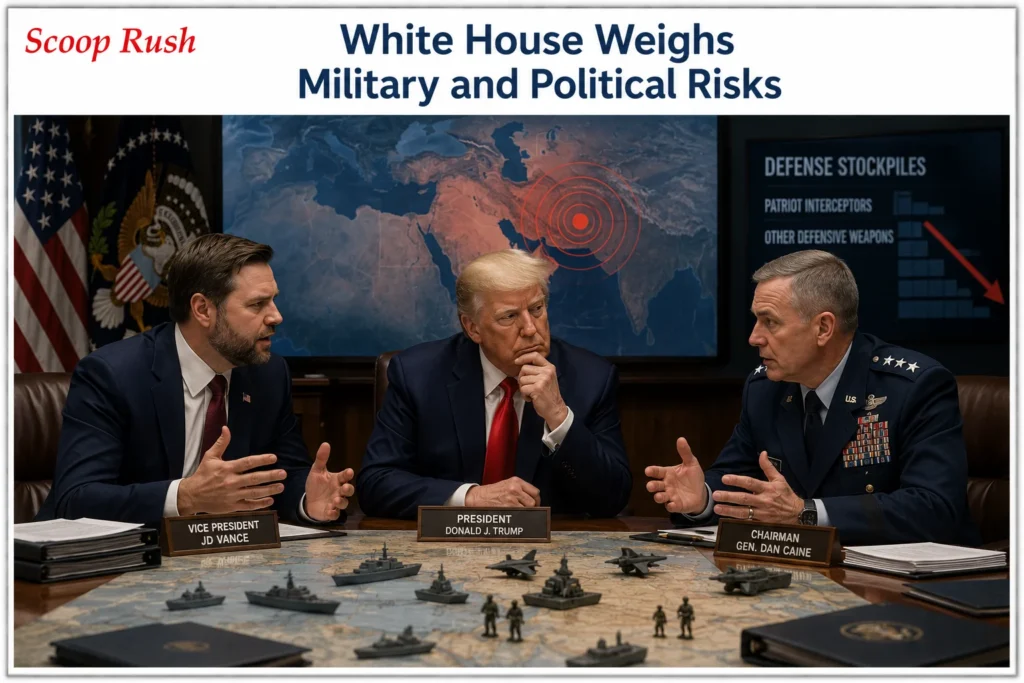
Reports said senior US officials expressed concerns about expanding the conflict. Vice President JD Vance and Joint Chiefs Chairman General Dan Caine reportedly discussed those risks with President Trump. They also warned about possible regional consequences.
Several reports suggested defense stockpiles influenced the decision. Officials reportedly raised concerns about supplies of Patriot missile interceptors and other defensive weapons. However, the White House has not publicly confirmed those reports.
Strait of Hormuz Talks Continue During US Iran Strikes Pause
Iran and Oman held fresh discussions in Tehran about the Strait of Hormuz. Both countries discussed operational measures for managing shipping through the strategic waterway. Officials described the meetings as constructive.
The Strait of Hormuz remains the biggest flashpoint in the conflict. Iran said technical and political consultations with Oman will continue. Meanwhile, the United States continues naval operations around Iranian ports.
Trump Keeps Military Options Open
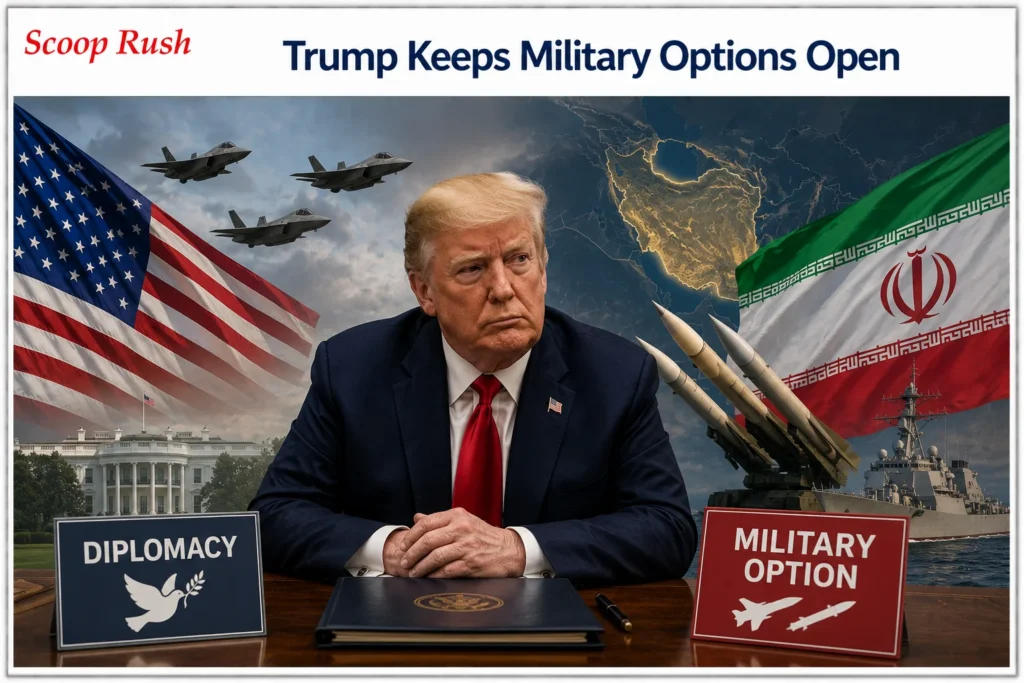
President Trump said negotiations continue with Iran. However, he also warned that stronger military action remains possible if talks fail. He said Iran must choose between diplomacy and tougher strikes.
The Pentagon reportedly prepared another round of attacks before the pause. Trump instead favored giving diplomacy another opportunity. The temporary halt now depends on progress in ongoing negotiations.
Regional Tensions Remain High
Fighting continues in other parts of the region despite the current lull. Iran-backed Houthi rebels claimed new attacks involving Saudi Arabia. Those developments have increased concerns about wider instability.
Iran also warned that renewed US strikes could expand the conflict geographically. Officials claimed the war could spread beyond current battle zones. Regional governments continue monitoring the situation closely.
US Iran Strikes Pause Faces Uncertain Future
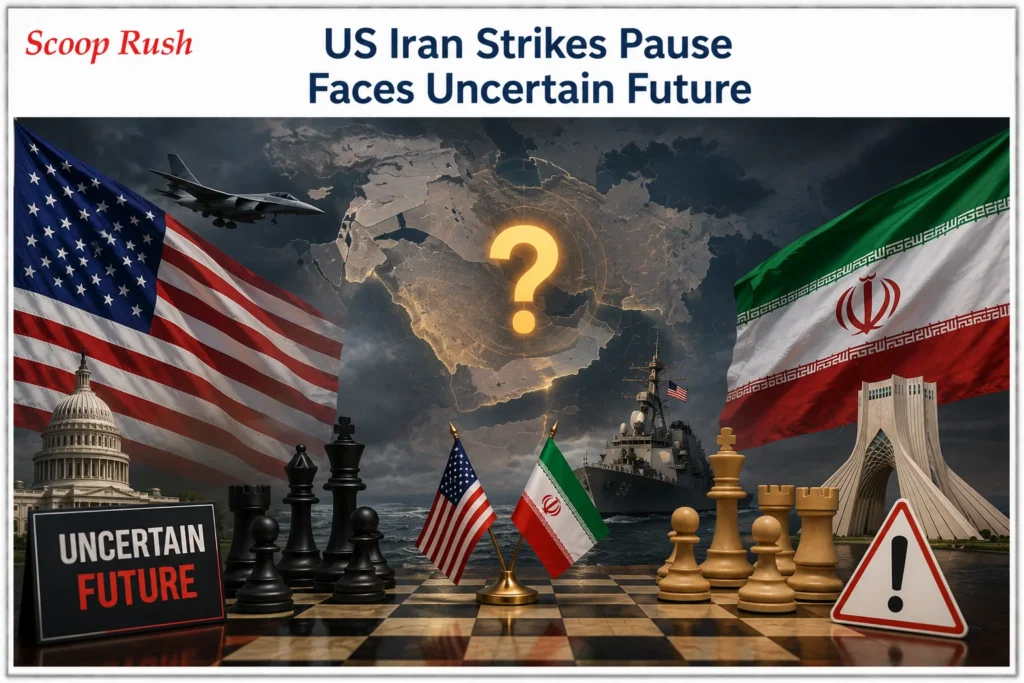
The current US Iran strikes pause has lowered tensions, but uncertainty remains. Neither side has announced a long-term ceasefire or peace agreement. Military forces across the region continue to stay on alert.
Officials from both countries have repeated that future actions depend on developments in the coming days. That uncertainty keeps regional allies and global markets watching events closely. Even a single incident could quickly change the situation.
US Iran Strikes Pause Draws Global Attention
The US Iran strikes pause has attracted close attention from governments around the world. Many countries support continued diplomacy because a wider conflict could threaten regional stability. They also fear disruptions to global energy supplies and international trade.
International observers hope negotiations will produce lasting progress instead of another cycle of military action. Diplomatic efforts remain active, and several regional partners continue encouraging dialogue. The success of those talks could shape security across the Middle East in the weeks ahead.
What Happens Next?
Diplomatic efforts have gained momentum after the temporary military pause. Oman continues playing a key role in communication between Washington and Tehran. Both sides now face pressure to avoid another escalation.
The coming days may prove critical for regional stability. President Trump is expected to hold important discussions with Israeli Prime Minister Benjamin Netanyahu. Those talks could influence whether diplomacy continues or military operations resume.
Conclusion
The US Iran strikes pause marks an important moment in a conflict that has intensified regional tensions for months. The current halt gives both sides an opportunity to pursue diplomacy instead of further military action. However, the situation remains fragile, and no permanent agreement has been reached.
Future developments will depend on ongoing negotiations and decisions by leaders in Washington and Tehran. If diplomacy makes progress, the region could avoid another round of escalation. If talks fail, both sides have indicated they are prepared to respond quickly.
FAQs
1. Why did the US pause strikes on Iran?
The United States paused military operations to create space for diplomatic talks. Reports also suggest officials discussed the risks of expanding the conflict and the impact on military resources.
2. Why did Iran stop its retaliatory attacks?
Iran said it halted retaliatory operations after the United States stopped its recent strikes. Officials described the move as part of their response strategy while talks continue.
3. What is the importance of the Strait of Hormuz?
The Strait of Hormuz is one of the world’s busiest shipping routes for oil and gas exports. Any disruption there can affect global energy markets and international trade.
4. Could the conflict begin again?
Yes. Both countries have warned that military action could resume if negotiations fail or either side launches new attacks.
5. What role is Oman playing in the talks?
Oman continues to act as a mediator between the United States and Iran. Its diplomatic efforts focus on reducing tensions and supporting discussions about regional security and shipping.

