
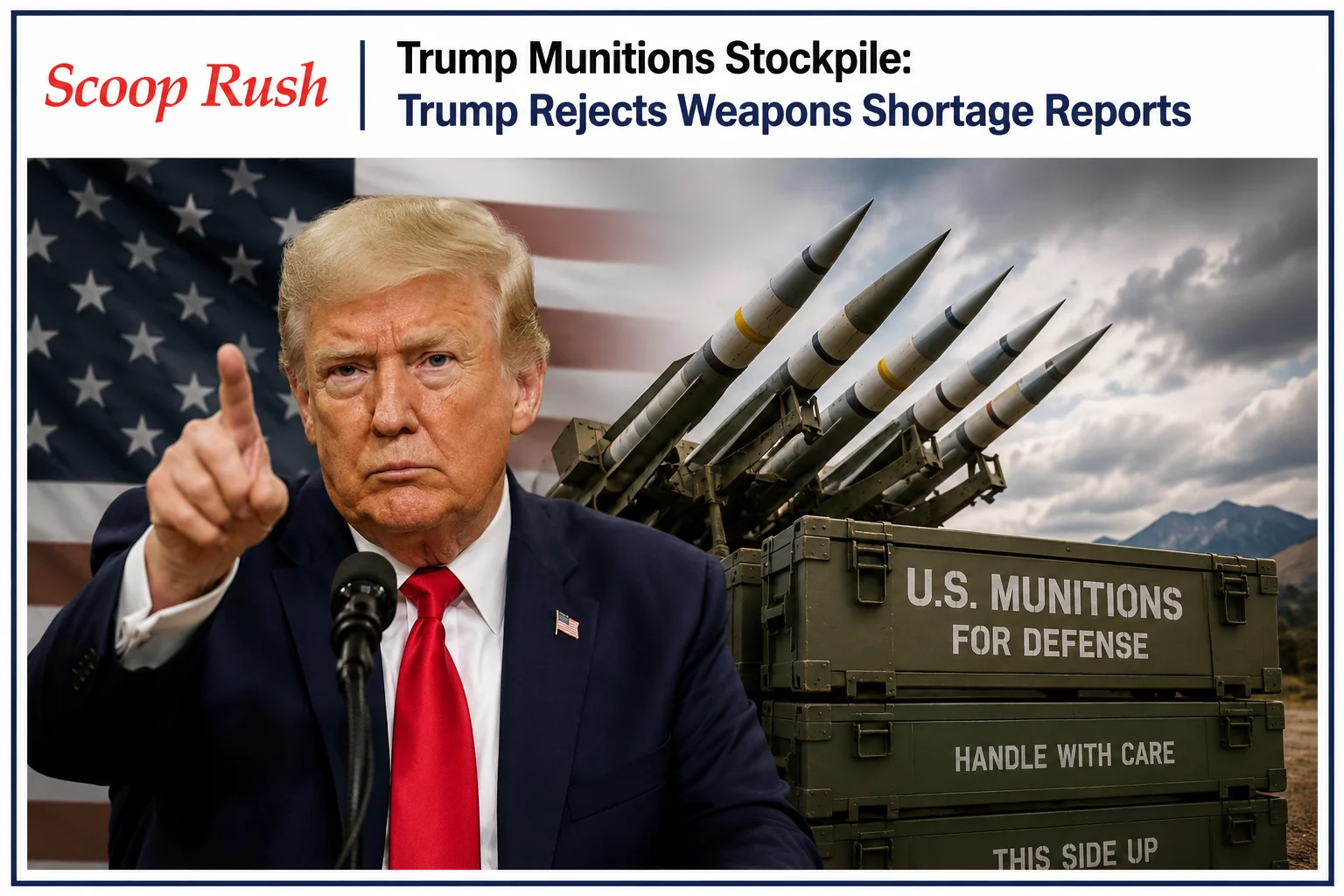
The Trump munitions stockpile debate intensified after reports questioned America’s missile supplies. President Donald Trump rejected the claims and insisted the United States still holds massive weapons reserves. He also announced that officials would pursue those responsible for leaking classified information. Meanwhile, defense experts continue discussing how the conflict with Iran has affected US military inventories.
The administration maintains that the US military remains fully prepared for future operations. However, analysts say rebuilding some advanced missile stockpiles could take several years because of complex production timelines.
Trump Munitions Stockpile Remains Strong, Says Trump
President Donald Trump strongly denied reports claiming the United States faces a serious weapons shortage. In a Truth Social post, he said America has massive amounts of munitions. He also stated that manufacturers continue producing and delivering additional weapons.
Trump stressed that the United States still possesses enough military strength to defend its interests worldwide. He added that defense companies continue expanding production facilities to meet future military needs.
Trump Targets Leakers Over Weapons Reports
The Trump munitions stockpile controversy also shifted attention toward government leaks. Trump accused unnamed individuals of releasing sensitive information about military inventories. He described the disclosures as treasonous and promised authorities would identify those responsible.
Trump also warned that his administration would seek long prison sentences for anyone found guilty of illegally leaking classified information. His remarks came after several media reports cited anonymous officials discussing missile stockpiles.
Reports Raise Questions About US Missile Inventories
Several news organizations recently reported that the Pentagon has used significant numbers of precision-guided weapons during the conflict with Iran. Reuters reported that the Army had nearly exhausted its inventories of Army Tactical Missile Systems and Precision Strike Missiles.
Other reports suggested that stocks of Patriot, THAAD, and Tomahawk missiles also declined during months of military operations. However, exact inventory numbers remain classified, making independent verification impossible.
Defense Experts Explain Stockpile Challenges
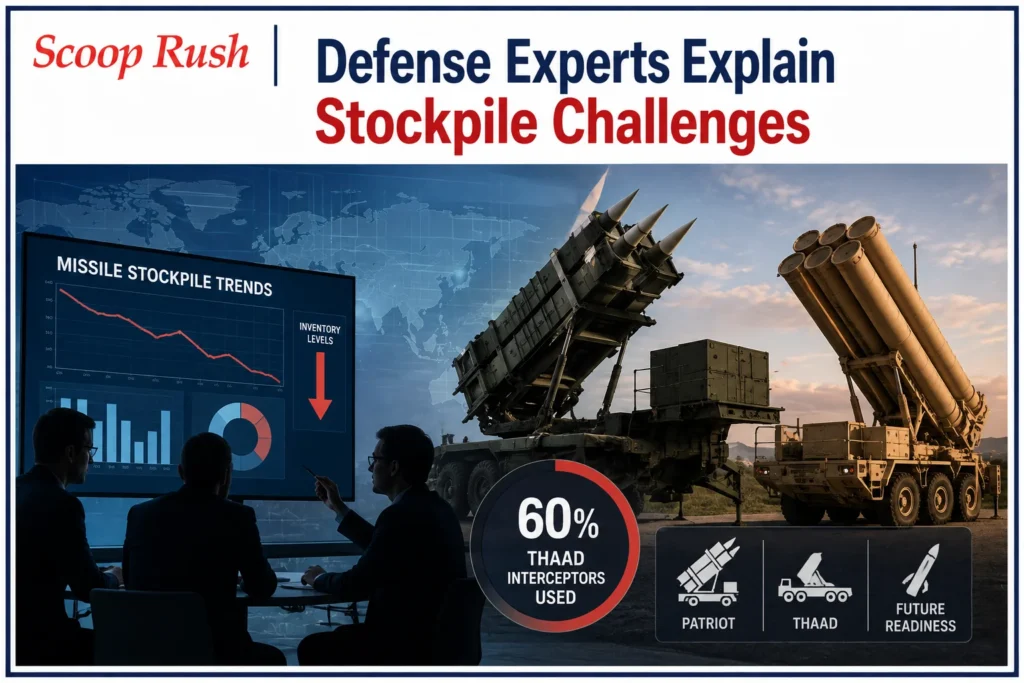
The Trump munitions stockpile debate gained attention after new estimates from the Center for Strategic and International Studies. The think tank estimated that Patriot missile inventories have declined sharply since the conflict began.
Defense analysts also estimated that the military has used around sixty percent of available THAAD interceptors. They stressed that the issue involves future readiness instead of immediate battlefield capability.
Pentagon Says Military Remains Fully Prepared
Pentagon officials rejected claims suggesting the military cannot respond to global threats. Officials stated that US forces continue conducting successful operations while maintaining a deep arsenal of advanced weapons.
Defense leaders also emphasized that military planning accounts for changing battlefield conditions. They insisted the United States still possesses enough capabilities to protect national interests across multiple regions.
US Expands Missile Production
The Trump munitions stockpile discussion also highlighted ongoing efforts to increase weapons production. Defense Secretary Pete Hegseth has repeatedly stated that the Pentagon continues expanding missile manufacturing.
The Defense Department recently announced agreements with major defense contractors to increase production of Patriot and THAAD interceptor components. Officials believe these investments will strengthen future military readiness.
Iran Conflict Continues To Pressure Military Resources
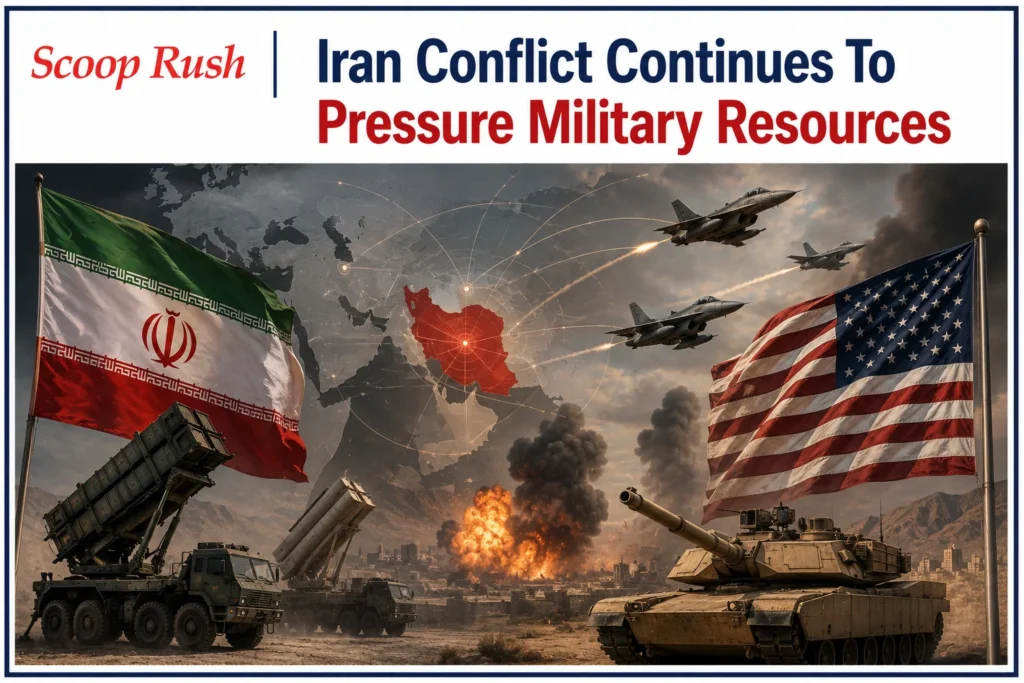
The war with Iran has entered its sixth month despite several temporary pauses in fighting. Diplomatic efforts continue, but both sides have exchanged repeated strikes during the conflict.
Military experts say prolonged operations naturally increase demand for advanced precision weapons. Modern missiles require years of planning, funding, manufacturing, and delivery before entering service.
Iran Issues New Regional Threat
Iran also warned that any US strike on its power infrastructure could trigger wider regional consequences. According to regional officials, Tehran threatened to disrupt electricity supplies across Gulf countries if such attacks occurred.
The warning added fresh tension to an already unstable security situation. Gulf nations continue supporting diplomatic efforts while strengthening regional defense cooperation.
Saudi Arabia Strengthens Maritime Security
Saudi Arabia announced the appointment of Rear Admiral Abdullah bin Salem Al-Shahri to lead the regional maritime defense coalition. Officials described the move as an important step toward improving operational readiness.
The coalition plans to hold a meeting during August to complete its remaining organizational structure. Member states aim to strengthen maritime security, protect shipping routes, and secure strategic waterways.
What The Situation Means Going Forward
The Trump munitions stockpile remains a subject of public debate because official inventory numbers remain classified. The White House insists America retains one of the world’s strongest military arsenals despite months of combat operations.
Independent analysts agree that the United States still possesses significant military capabilities. However, many also believe replacing advanced precision weapons will require sustained investment and years of production.
Conclusion
President Donald Trump firmly rejected claims that the United States faces a dangerous weapons shortage. His administration continues insisting that American military readiness remains strong despite the prolonged conflict with Iran. Officials also pledged to investigate and prosecute anyone responsible for leaking classified information.
Defense experts, however, continue monitoring missile inventories as the conflict places pressure on advanced weapon stockpiles. While the Pentagon says current capabilities remain sufficient, rebuilding some precision-guided weapons could take several years as production expands.
FAQs
1. What is the controversy over U.S. munitions stockpiles?
The debate began after media reports, citing unnamed officials, suggested that U.S. inventories of some advanced missiles had been significantly reduced during operations related to the Iran conflict. The Trump administration disputes those reports.
2. Did Trump acknowledge a weapons shortage?
No. Trump said the United States still has “massive amounts” of munitions and that defense manufacturers are increasing production.
3. Has the Pentagon confirmed missile inventory levels?
No. The Pentagon has not released detailed inventory figures, and official stockpile numbers remain classified.
4. Why are analysts concerned?
Defense analysts say advanced precision-guided missiles are expensive and time-consuming to manufacture, meaning replenishing inventories can take several years.
5. Is the U.S. military still considered ready?
According to the Pentagon and the White House, yes. Officials say the U.S. military remains capable of responding to global threats while continuing to rebuild inventories.

