
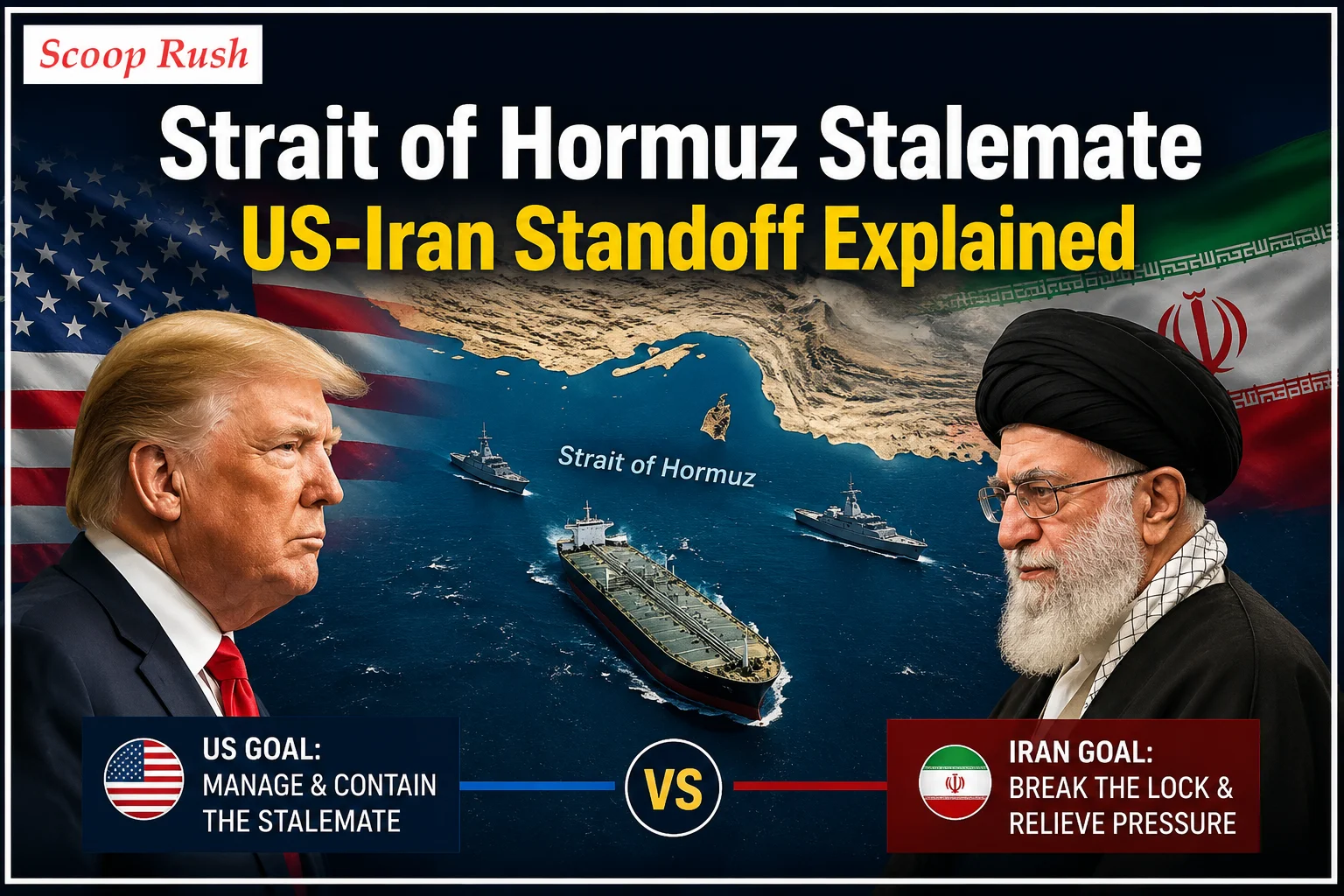
The Strait of Hormuz stalemate now shapes the newest chapter of the US-Iran conflict. Both nations have restarted limited strikes after a month of calm. Still, neither side seems ready for full-scale war. Washington and Tehran are chasing very different goals near this key waterway.
The US wants to contain the crisis and keep oil shipments moving. Iran wants to shift the balance before economic pain becomes too much to bear. This gap between goals keeps the region in a fragile and risky position.
US Works to Control the Strait of Hormuz Stalemate
Washington seems focused on holding pressure without triggering a bigger war. US forces recently escorted commercial ships through this vital passage. On Tuesday, American forces guided 40 vessels carrying 18 million oil barrels safely through. Officials called the mission a wartime high point.
That escort mission proved Washington can still support shipping during conflict. However, it hasn’t erased the broader economic strain caused by the war. Oil prices stay high, even after a small drop on Thursday. Meanwhile, US drivers pay more at the pump than they did last year.
Washington Faces Rising Military and Political Costs
The United States also faces growing military costs as the standoff drags on. American forces have burned through large stocks of defensive missiles. CNN sources say US troops used nearly 80% of some interceptor supplies. These figures cover both the THAAD and Patriot missile defense systems.
Political pressure is also building at home for President Trump. A UMass Amherst poll found strong public disapproval of his war strategy. More than two-thirds of Americans surveyed rejected his handling of the conflict. His approval rating has since dropped to just 32%.
Iran Struggles Under Severe Economic Pressure
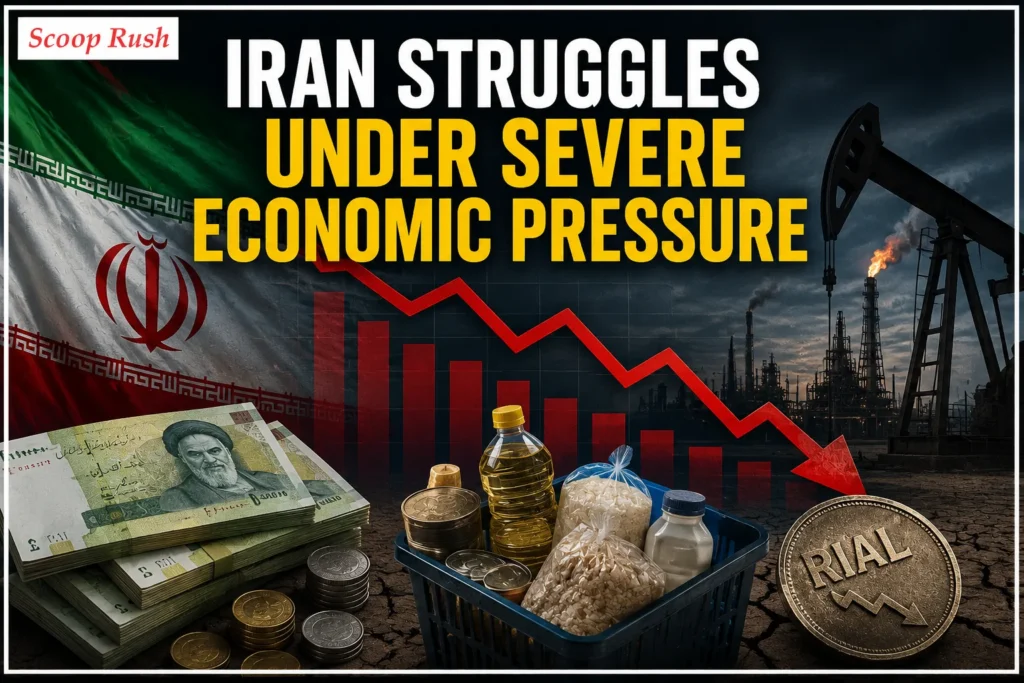
Iran faces a much steeper economic crisis as this standoff continues. US sanctions have made it harder for Tehran to sell oil abroad. The conflict has also limited access to basic goods like food and medicine. Iran’s yearly inflation hit 66% by the end of July.
Despite shrinking military resources and constant attacks, Iran refuses to fully surrender. Analysts say total capitulation could threaten the regime’s survival at home. As a result, Tehran may see escalation as its only path to change. This mindset keeps the Strait of Hormuz stalemate firmly in place.
Why Iran Wants to Break the Current Deadlock
Iran has strong motives to challenge the situation around Hormuz. The strait remains central to its economic survival and regional influence. Disrupting tanker traffic lets Tehran pressure both the US and its allies. Yet continued disruption also carries major risks for Iran itself.
Even so, Iranian actions suggest a clear preference for resistance over surrender. Iran struck regional targets after recent American attacks, according to CNN. Those targets included sites in Jordan, Bahrain, and Kuwait. Still, this latest round of fighting stayed smaller than earlier clashes.
Both Sides Try to Avoid Full-Scale War
Despite harsh rhetoric, both countries are showing real restraint in their attacks. Each side has mostly targeted military assets instead of civilians. They have also avoided hitting critical energy infrastructure so far. This pattern shows both governments understand how fast things could spiral.
Iran has also held back from striking Saudi Arabia or the UAE directly. That restraint may help stop the conflict from spreading across the wider Gulf. However, experts warn that one miscalculation could change everything quickly. Even small strikes can trigger unexpected and serious consequences.
Hormuz Remains the Core Flashpoint of the Conflict
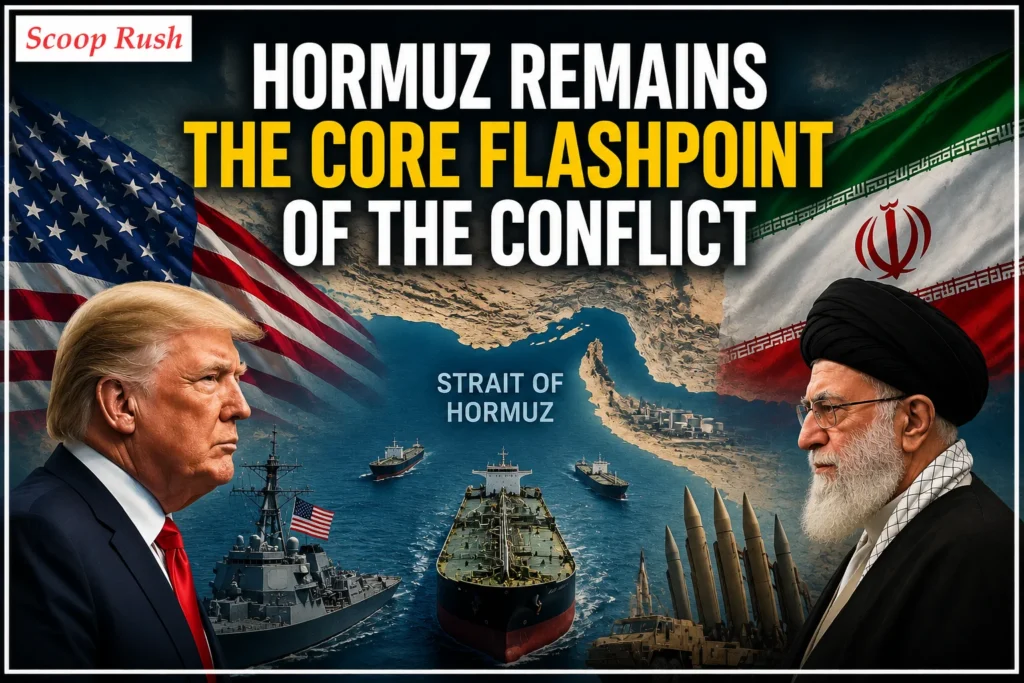
The Strait of Hormuz sits right at the center of this entire standoff. Washington wants shipping to keep flowing while pressure on Tehran stays high. Iran wants to challenge that very order the US is trying to protect. This creates a direct clash between economic control and strategic resistance.
President Trump has publicly voiced confidence in America’s current position. He claims the US now holds near-total control over the strait. He also points to Iran’s failing economy as proof of US leverage. Yet Iran keeps showing little willingness to accept this arrangement.
Diplomacy Remains Stuck With No Clear Path Forward
Diplomatic efforts have failed to resolve this standoff so far. Iran says it remains open to talks under specific conditions. President Masoud Pezeshkian tied that offer to an earlier nuclear memorandum. He said Iran would respond if Washington restored its earlier commitments.
Trump, however, insists he feels no urgency to push Iran into talks. His stance suggests Washington is comfortable with its current strategic edge. This gap makes a fast diplomatic breakthrough highly unlikely for now. Meanwhile, ongoing attacks continue narrowing the window for real negotiations.
A Fragile Balance That Could Still Collapse
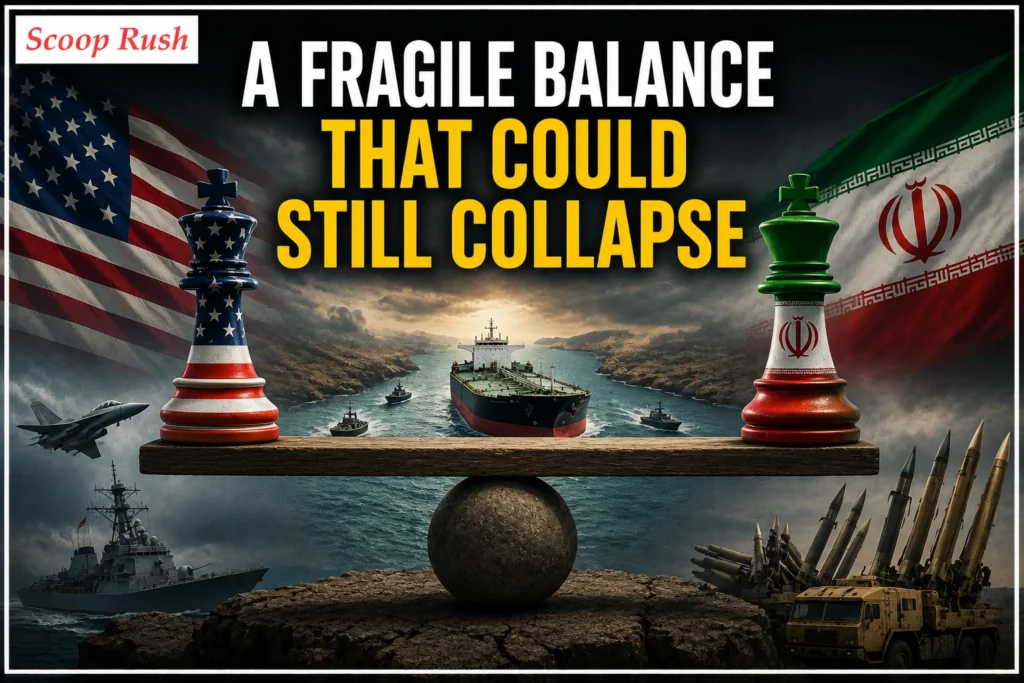
The current calm may look stable, but it remains extremely fragile underneath. Neither side wants a return to full-scale regional war. At the same time, neither government seems ready to back down either. This mix creates a dangerous cycle of pressure and limited retaliation.
Iran faces brutal economic strain and may seek bolder ways to respond. The US faces rising military costs, political backlash, and shrinking weapons stockpiles. Both sides have real reasons to avoid uncontrolled escalation right now. Yet both also feel pressure to keep squeezing their opponent further.
What Could Happen Next in the Strait of Hormuz
The next phase depends heavily on how both sides handle further attacks. If Iran ramps up pressure on shipping, Washington may hit back harder. If American strikes grow stronger, Tehran could widen its regional retaliation. Either path risks pushing this conflict past its current limits.
For now, the Strait of Hormuz stalemate remains a tough puzzle for both nations. Washington can maintain pressure, but that strategy keeps getting costlier. Iran can keep challenging shipping, but that path also risks bigger blowback. Neither government has found an easy route to lasting peace yet.
FAQs
1. What is the Strait of Hormuz stalemate?
It describes the current deadlock between the US and Iran near the strait. Washington protects shipping while pressuring Tehran economically. Iran wants to disrupt that arrangement and force change. Neither side has won a clear victory yet.
2. Why is the Strait of Hormuz so important?
It serves as a major route for global energy shipments. Any disruption can affect oil supplies worldwide. This makes it strategically vital for regional powers and the global economy alike.
3. Why does Iran want to challenge the current situation?
Iran faces harsh economic pressure from falling oil sales and rising inflation. Its leaders may fear that continued pressure threatens government stability. So Tehran seeks more leverage through military and maritime action.
4. Why does the US avoid a bigger war with Iran?
Washington prefers controlled pressure over another long regional war. US forces already face heavy weapons usage and financial strain. Domestic political opposition adds further pressure on the administration.
5. Could this conflict turn into a larger war?
Yes, the risk remains real as both sides keep escalating carefully. A single miscalculation could turn limited strikes into wider war. For now, both governments still seem aware of these serious risks.

