
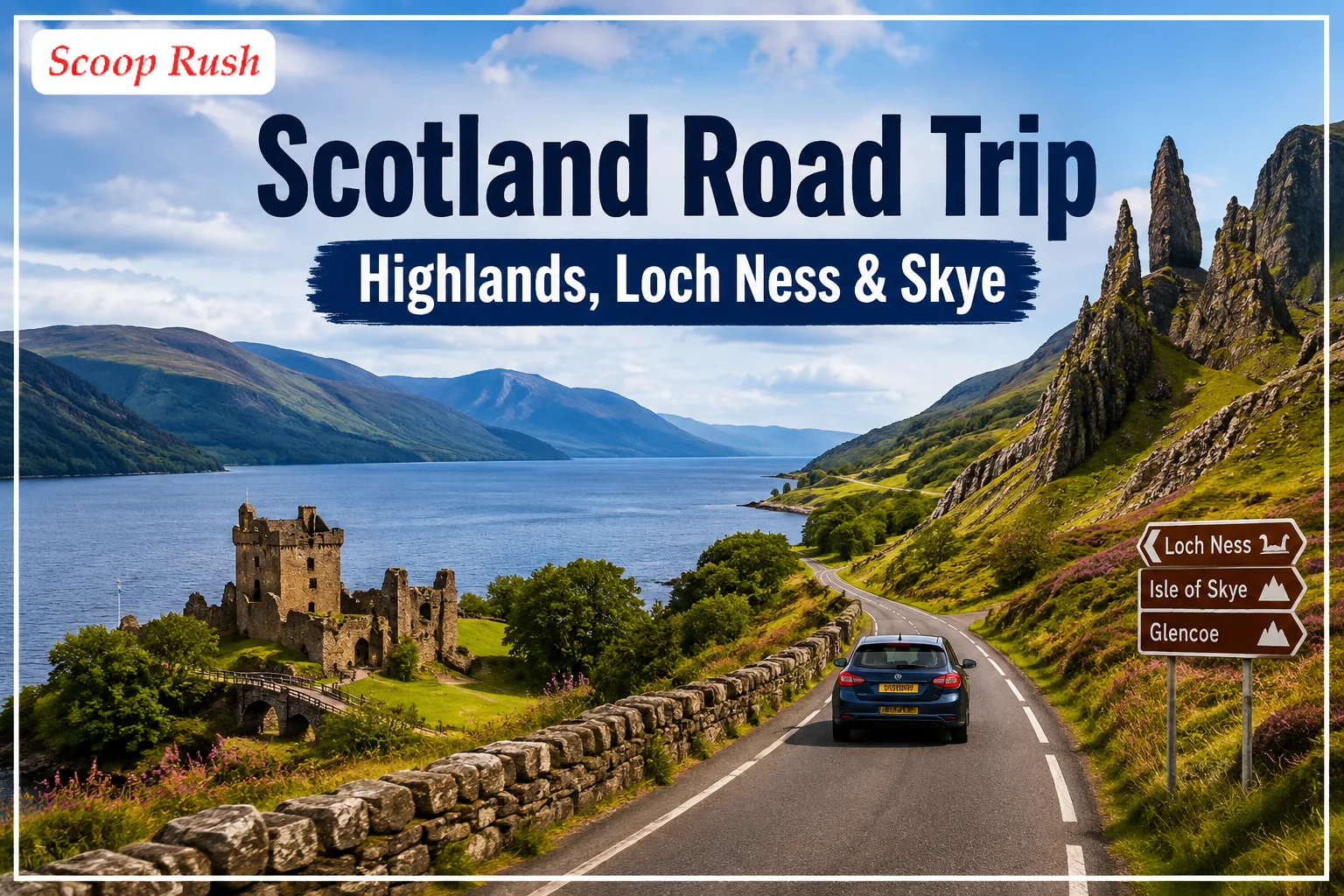
A Scotland road trip takes you through mountains, lochs, castles, and island scenery. This route runs from Edinburgh into the Highlands and reaches Scotland’s most famous sights. It mixes dramatic landscapes with historic towns and scenic drives. Seven days gives first-time visitors enough time to explore without rushing.
This guide walks through each stage of the journey step by step. It covers Edinburgh, Glencoe, Loch Ness, and the Isle of Skye in order. Along the way, it also shares practical tips on driving, timing, and budget. By the end, you will have a clear plan for your own Scotland road trip.
Start in Edinburgh
Edinburgh works well as a starting point for this trip. The city has strong transport links and many rental car options. Spending one or two nights here adds culture before the countryside begins. Edinburgh Castle offers wide views across the city and nearby hills, and the Royal Mile leads toward the Palace of Holyroodhouse.
Pick up your rental car on the day you leave the city. This way, you avoid paying for an unused rental night. It also makes driving easier once you clear the busy streets. Remember that Scotland drives on the left, so allow time to adjust. Roundabouts may feel tricky during your first few miles.
Drive Through Glencoe to Fort William
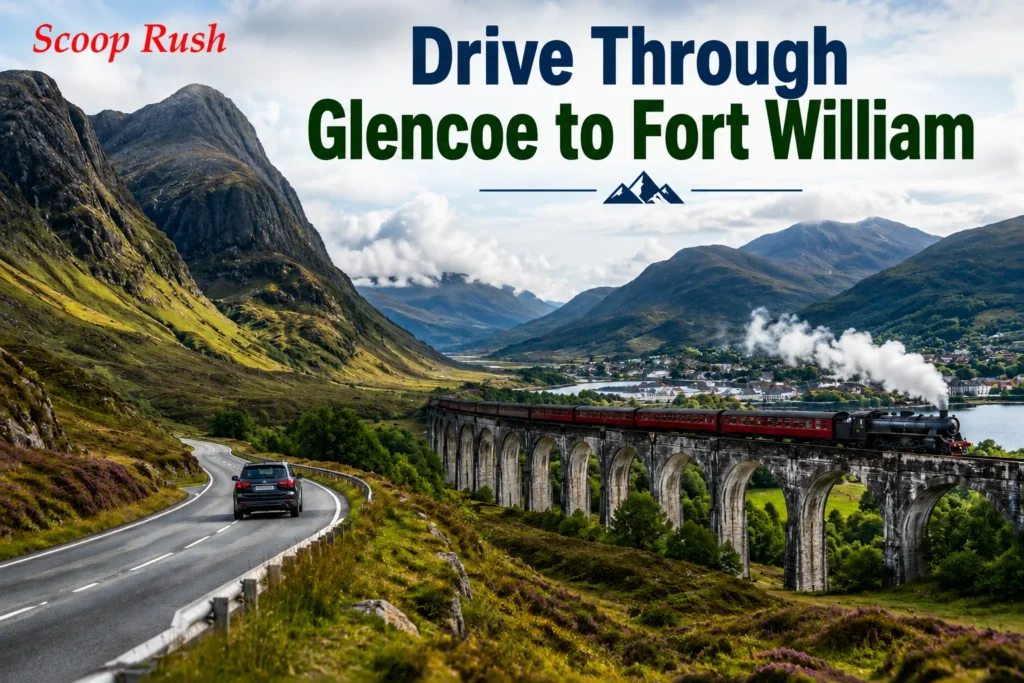
The road north changes gradually as the Lowlands give way to open country. Glencoe forms one of the most striking entrances to the Highlands. Steep mountains rise around the valley and create dramatic views everywhere you look. Waterfalls, moorland, and shifting weather all add character to the scene. Several walking routes also make the valley easy to explore.
Continue to Fort William after you finish exploring Glencoe. This town sits close to Ben Nevis and offers solid accommodation and services. It also gives you access to Glenfinnan and its famous viaduct. The viaduct spans the valley with 21 arches and gained fame through the Harry Potter films. Check train times ahead if you want to catch the Jacobite Steam Train.
Explore Loch Ness and Inverness
From Fort William, the route continues toward the famous waters of Loch Ness. The loch stretches for about 37 kilometers through the heart of the Highlands. Its dark waters and surrounding peaks create one of Scotland’s best-known views. You can drive along the loch and stop at several scenic spots.
Urquhart Castle remains one of the best stops along Loch Ness. Its ruins sit beside the water and offer sweeping views of the loch. A boat cruise also gives you another way to see the scenery. Afterward, head to Inverness for an overnight stay before moving on to Skye. The city sits near the northern end of the loch and offers good restaurants and evening walks.
Cross to the Isle of Skye
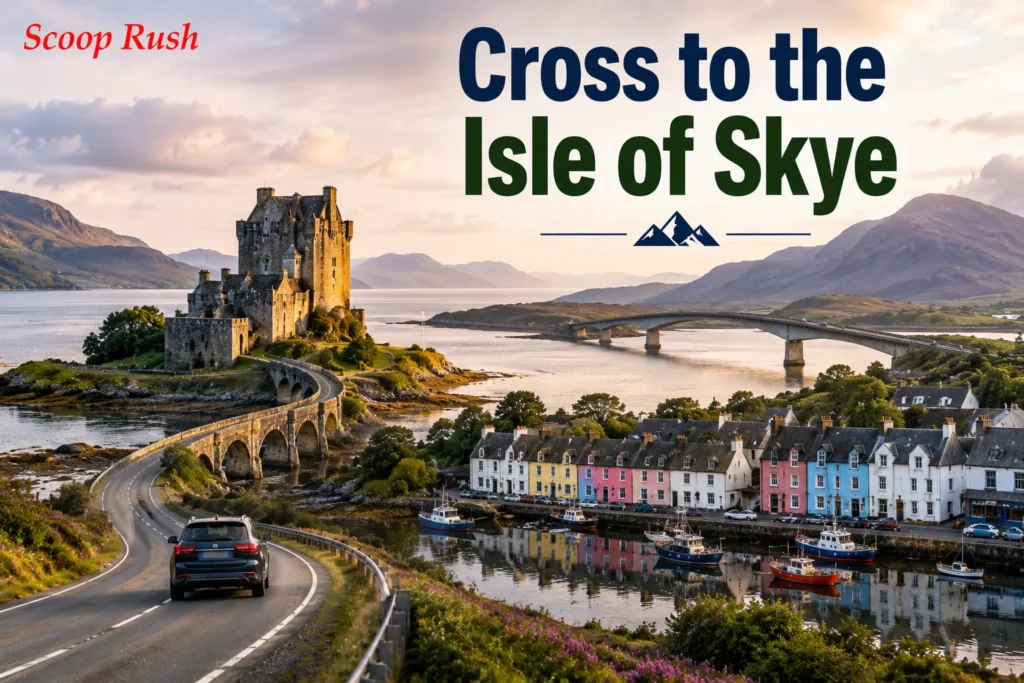
The Isle of Skye stands out as the highlight of most Scotland road trip routes. The drive from Inverness takes around two hours before you reach the island. Eilean Donan Castle makes an excellent stop before you cross the Skye Bridge. The castle sits on a small island where three sea lochs meet, making it one of Scotland’s most photographed spots.
The Skye Bridge gives direct road access to the island. Portree works well as a base since it offers accommodation, restaurants, and a colorful harbor. However, Skye deserves more than a rushed overnight stop. Two nights give you more time to see the island’s major landscapes and hiking trails properly.
Discover Skye’s Top Natural Attractions
The Fairy Pools rank among Skye’s most recognizable natural sights. Clear pools and waterfalls sit beneath the dramatic Cuillin mountains nearby. You reach the main pools after a short walk from the parking area. The spot draws large crowds, especially during busy summer months, so an early visit helps you enjoy quieter surroundings.
The Old Man of Storr delivers another major Skye experience. Its striking rock formations dominate the wider Trotternish landscape. Hikers with enough time can walk around the formation and take in coastal views. Nearby, the Quiraing offers another dramatic landscape on the same peninsula. Together, these two spots create some of the strongest scenery on the island.
See Quiraing, Kilt Rock and Neist Point
The Quiraing stands out as one of Skye’s most dramatic geological sites. Its unusual rock formations create a striking backdrop for hiking and photography. Even a short walk from the upper car park gives impressive views. Longer walks reveal quieter paths and wider views toward the sea, so take care on narrow sections near streams.
Kilt Rock and Mealt Falls offer another memorable stop along the Trotternish route. The waterfall drops beside a tall rock formation shaped like a kilt. This area gets extremely windy, so pack warm layers before you visit. Neist Point, meanwhile, sits on Skye’s western coast and features a lighthouse at the end of rugged cliffs. Strong winds make the site feel wild, but the views stay impressive even under cloudy skies.
Follow Highland Driving Rules
Driving in the Highlands demands extra attention on single-track roads. These roads often carry traffic moving in both directions on one lane. Passing places let vehicles move safely around oncoming traffic. Drivers should use these spots when meeting cars head-on. They should also pull over when faster traffic approaches from behind.
A smaller rental car handles narrow roads more easily than a large one. Automatic vehicles usually cost more and come with lower availability. Booking early matters most during July and August. Fuel stations also become less frequent in remote Highland areas, so fill up whenever you get the chance.
Choose the Best Time to Travel

May through September offers a solid travel window for this route. May and June bring long daylight hours and green landscapes throughout the Highlands. July and August usually bring bigger crowds and higher accommodation demand. September offers great scenery while visitor numbers start to drop.
Travelers should still prepare for rain, wind, and cooler temperatures. The Isle of Skye can feel especially exposed near the coast. Waterproof shoes and warm layers stay useful even in summer months. Midges can also become a nuisance during warmer periods, so plan outdoor activities around the weather.
Book Accommodation and Key Stops Early
Accommodation needs careful planning for any Scotland road trip. Skye has limited rooms compared with its summer demand. Hotels, guesthouses, and B&Bs fill up fast during peak periods. Booking as soon as your route firms up reduces the risk of last-minute changes.
Staying just outside Portree can also give you quieter surroundings and scenic views. Popular attractions need advance planning too, since Urquhart Castle gets busy in high season. Jacobite Steam Train seats can sell out weeks ahead of travel. Mobile coverage also drops out in remote areas, so download directions before you leave each stop.
Add the Cairngorms on Your Return
The return journey can add another major Scottish landscape to your trip. Cairngorms National Park offers mountains, forests, valleys, and open countryside. This route gives a strong contrast to Skye’s coastal scenery. Travelers can also pass through Perthshire on the way back to Edinburgh.
Those with more time can extend the trip toward the North Coast 500. This route covers around 500 miles around northern Scotland. It passes remote villages, beaches, cliffs, and Highland scenery along the way. However, this addition works better with ten days or more, since it needs extra time behind the wheel.
Budget Tips for Your Scotland Road Trip
A one-week Scotland road trip for two people costs around $1,650 to $2,200. That estimate covers car rental, fuel, accommodation, and meals. It does not include flights to and from Scotland. Costs shift based on season, accommodation type, and vehicle choice.
Travelers can control spending by picking guesthouses and casual local dining. A realistic itinerary should also leave room for weather changes and surprise stops. Scotland’s scenery often tempts travelers to stop more than planned. Therefore, an itinerary with breathing room usually beats a packed schedule.
Final Thoughts
A Scotland road trip rewards travelers who balance famous sights with flexible driving days. Edinburgh, Glencoe, Loch Ness, and Skye each bring their own character to the journey. Together, they create a route full of castles, lochs, and dramatic mountain views. Seven days gives you a strong introduction without leaving the trip feeling rushed.
Planning ahead still makes a real difference to how smoothly the trip runs. Booking accommodation and key attractions early helps you avoid last-minute stress. Packing for changing weather also keeps you comfortable across every stop. With the right preparation, this route delivers one of Scotland’s most memorable adventures.
FAQs
1. How many days do you need for a Scotland road trip?
Seven days works well for a first trip through the Highlands and Skye. This timeframe covers Edinburgh, Glencoe, Loch Ness, and Skye comfortably. Add extra days if you want longer hikes or northern routes.
2. What is the best time for a Scotland road trip?
May, June, and September offer the best mix of weather and lighter crowds. July and August bring more tourists and higher accommodation prices. Scottish weather stays unpredictable throughout the year, so pack layers regardless of season.
3. Is the Isle of Skye worth visiting?
Yes, Skye earns its place as a major stop on this route. The island combines mountains, waterfalls, cliffs, and dramatic rock formations in one place. Two nights give you far more time than a rushed single-day visit.
4. Are Scottish Highland roads difficult to drive?
Some Highland roads need extra care, especially narrow single-track routes. Passing places let drivers give way safely to oncoming traffic. A smaller vehicle makes these roads easier to handle, and left-hand driving takes some adjustment.
5. What should you book before a Scotland road trip?
Book accommodation early, especially anywhere on the Isle of Skye. Popular attractions and train rides may also need advance booking. Jacobite Steam Train seats sell out quickly during busy travel months.

