
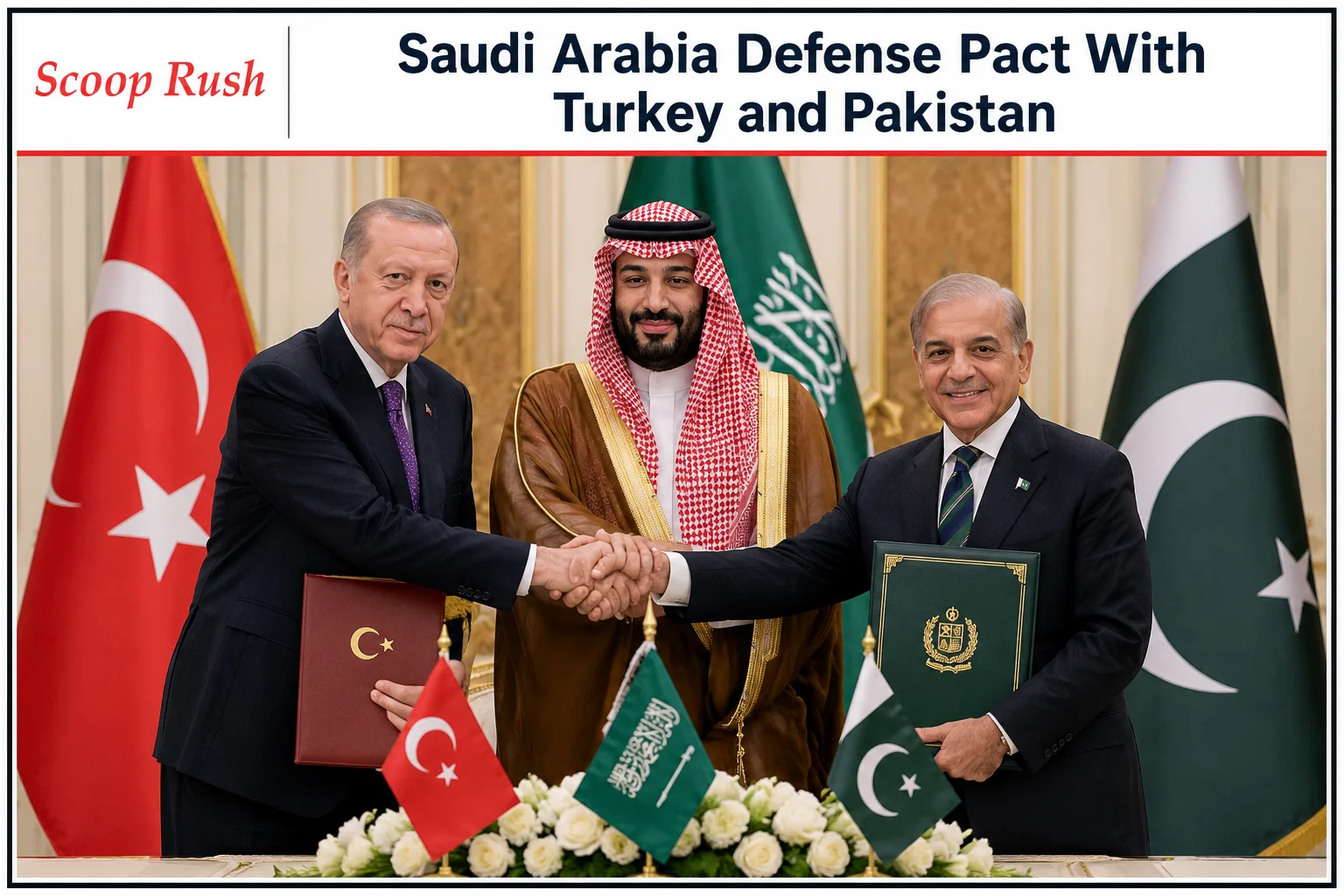
Saudi Arabia, Turkey and Pakistan have signed a new Saudi Arabia defense pact amid rising tensions across the Middle East. The agreement says an armed attack against one country will be treated as an attack against all three.
The Mecca Joint Defense Agreement strengthens security cooperation between the three nations. It comes as Saudi Arabia faces renewed Houthi attacks and growing threats linked to the wider regional conflict.
Three Countries Sign a Collective Defense Agreement
The agreement was signed in Mecca on Friday, August 7, 2026. Saudi Crown Prince Mohammed bin Salman, Turkish President Recep Tayyip Erdogan and Pakistani Prime Minister Shehbaz Sharif signed the deal.
The three governments said the agreement aims to strengthen collective deterrence. They also promised closer defense cooperation and greater support for regional stability. However, the pact does not publicly specify how each country must respond after an attack.
Regional Tensions Increase Pressure on Saudi Arabia
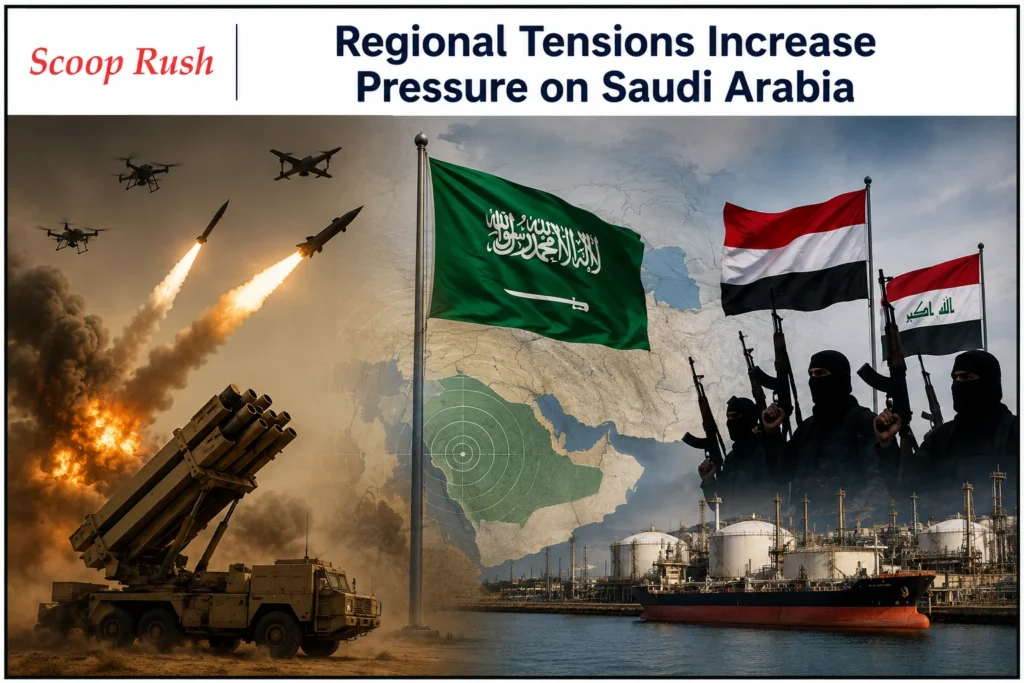
The Saudi Arabia defense pact comes during a period of severe regional instability. Saudi Arabia has faced missile and drone threats from Iranian-backed groups. The renewed conflict with Yemen’s Houthis has added further pressure on Riyadh.
Saudi officials have also warned about possible coordinated attacks. They have identified Houthi forces and Iranian-backed Iraqi militias as potential threats. These developments have increased concerns about Saudi territory, infrastructure and shipping routes.
Houthi Attacks Raise Security Concerns
The renewed Houthi conflict remains a major concern for Saudi Arabia. Houthi forces have launched missiles and drones toward Saudi territory. They have also threatened maritime traffic connected to the kingdom.
Recent attacks have caused civilian casualties in Saudi Arabia. Houthi forces have also attacked troops supporting Yemen’s internationally recognized government. The renewed violence has ended several years of relative calm.
Turkey and Pakistan Add Major Military Capabilities
The agreement brings together three countries with different strategic strengths. Saudi Arabia has major financial resources and significant influence across the Gulf. Pakistan provides extensive military experience and a large defense establishment.
Turkey adds advanced defense technology and a growing military industry. Turkish companies produce drones, air defense systems and other military equipment. These combined capabilities could support stronger defense cooperation among the three countries.
The Pact Builds on Existing Military Relations
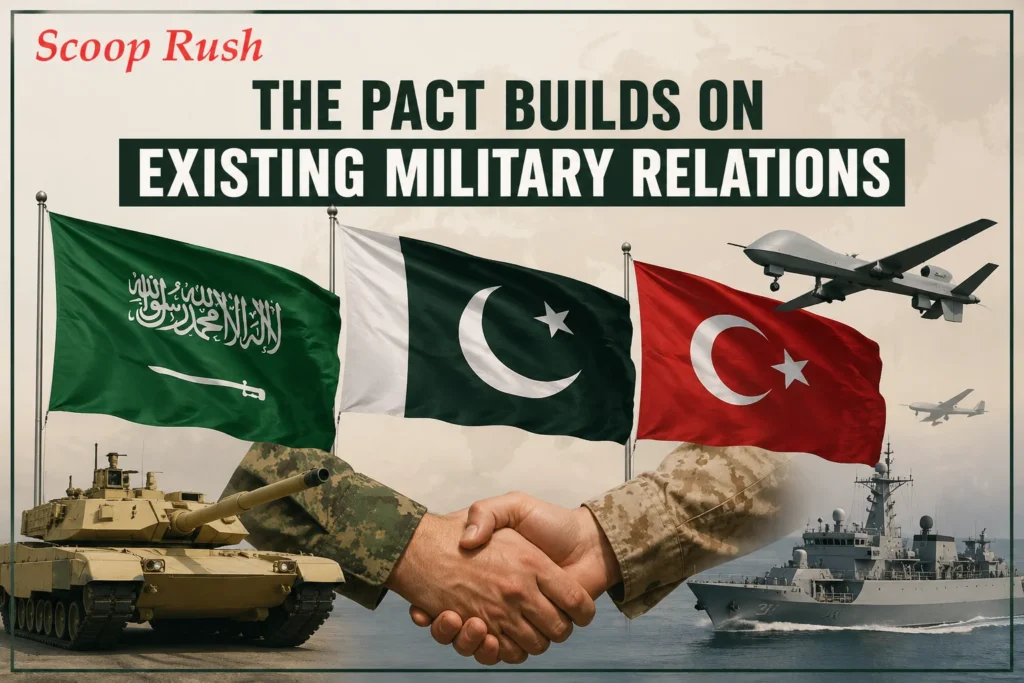
Saudi Arabia and Pakistan already maintain close military relations. Their defense cooperation includes training, technical support and military coordination. The two countries also signed a separate mutual defense agreement in 2025.
Turkey and Pakistan also have established defense ties. Both countries have worked together on military technology and equipment. Saudi Arabia has separately expanded defense cooperation with Turkey, including major drone purchases.
Riyadh Seeks More Security Partnerships
The Saudi Arabia defense pact reflects Riyadh’s effort to diversify its security relationships. The kingdom has traditionally relied heavily on the United States for defense support. Recent regional conflicts have encouraged Saudi leaders to seek additional partnerships.
Saudi officials stressed that the new agreement does not replace existing alliances. They also said it does not create a sectarian military bloc. Instead, Riyadh views the pact as another layer of protection during a period of growing regional uncertainty.
Turkey Says the Agreement Is Defensive
Turkey has described the agreement as defensive rather than offensive. President Erdogan said the pact does not target any specific country. He also linked the agreement to collective deterrence and regional stability.
Turkish officials said other regional countries could potentially join the framework. They also clarified that the pact does not cancel existing bilateral or international agreements. This position allows Ankara to present the agreement as a wider security initiative.
Iran Criticizes the New Defense Pact
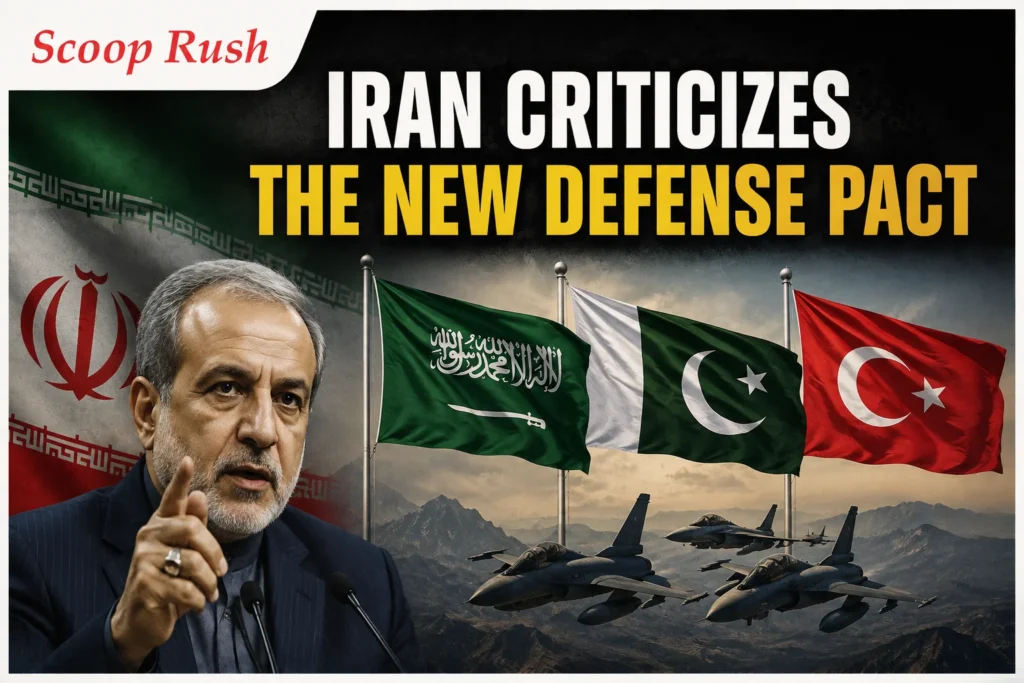
Iran has criticized the agreement and questioned its ability to improve Saudi security. Iranian lawmakers have argued that security partnerships cannot guarantee protection from regional threats.
The criticism shows the pact’s wider geopolitical importance. Saudi Arabia, Turkey and Pakistan all have different relationships with Iran. Their closer defense coordination could therefore influence Tehran’s calculations across the region.
Military Cooperation Could Expand Gradually
The agreement does not automatically mean large troop deployments from Turkey or Pakistan. Analysts expect the three countries to focus first on coordination, training and defense planning.
Intelligence sharing could also become an important area of cooperation. The countries may expand joint defense projects and technology transfers. Such measures could strengthen their ability to respond to future security threats.
Defense Industries Could Benefit From the Partnership
Saudi Arabia has significant financial resources and ambitious plans for domestic defense production. Turkey has developed a strong defense industry with growing expertise in drones and other military technologies.
Pakistan also has established defense manufacturing capabilities and military expertise. Greater cooperation could create opportunities for joint projects, training and technology development. Saudi investment could further support these efforts.
The Agreement Could Reshape Regional Security
The Saudi Arabia defense pact could create a stronger regional security framework. Saudi Arabia gains additional defense partners while Turkey and Pakistan increase their strategic roles in the Gulf.
However, the pact’s long-term impact will depend on future events. Its effectiveness will become clearer if one member faces a major security crisis. The response to such a crisis could determine how strongly the agreement develops.
The Houthi Threat Could Provide the First Test
Renewed Houthi attacks could become an early test for the new arrangement. Saudi Arabia has already faced attacks from missiles, drones and forces linked to the Yemen conflict.
The agreement does not provide a detailed automatic response mechanism. Each government would still need to decide how it responds to a specific threat. That makes political coordination essential to the pact’s future success.
Conclusion
The Saudi Arabia defense pact marks a significant step toward stronger regional security cooperation. Saudi Arabia, Turkey and Pakistan now have a shared commitment to respond to threats against any member. The agreement also gives Riyadh more options as regional tensions continue to rise.
However, the pact’s real impact will depend on future actions. Renewed Houthi attacks could provide an early test of the agreement. For now, the deal shows that the three countries want stronger cooperation and greater regional security.
FAQs
1. What is the Saudi Arabia defense pact?
Saudi Arabia, Turkey and Pakistan signed a collective defense agreement in Mecca. It treats an armed attack against one member as an attack against all three.
2. Why did Saudi Arabia sign the pact?
Saudi Arabia faces renewed Houthi attacks and wider regional security threats. The agreement also helps Riyadh strengthen partnerships beyond its traditional security relationships.
3. Will Turkey and Pakistan send troops to Saudi Arabia?
The agreement does not require immediate troop deployments. Military support would depend on the circumstances surrounding any future attack.
4. Is the pact the same as NATO?
No. The agreement follows a NATO-style collective defense principle. However, it does not have NATO’s command structure or institutional framework.
5. Could the pact change regional security?
Yes. It could strengthen military coordination between three influential countries. It may also encourage wider cooperation in defense technology, intelligence and regional security.

