
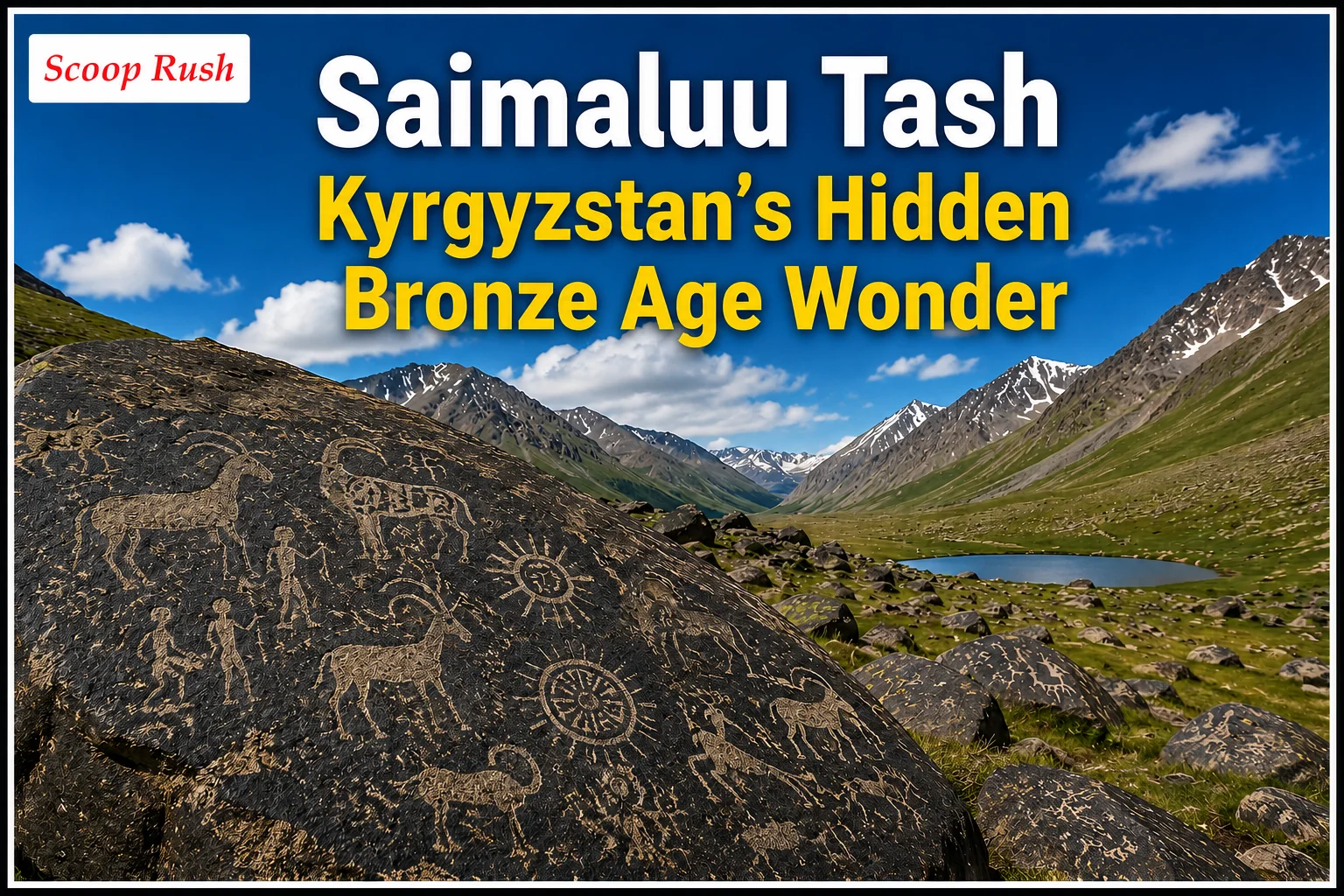
High in Kyrgyzstan’s Tian-Shan mountains, Saimaluu Tash hides one of Central Asia’s greatest treasures. This off-the-beaten-path destination holds nearly 90,000 ancient rock carvings. Artists etched these images into roughly 10,000 dark basalt stones. Many carvings date back almost 4,000 years, capturing scenes of hunting, farming, war, and worship.
For centuries, this hidden gem stayed largely unknown outside its mountain valley. Today, it ranks among Central Asia’s top bucket list destinations for adventure travelers. Reaching Saimaluu Tash still demands serious trekking and physical effort. Explorers must cross rugged terrain during a short summer window each year.
What Is Saimaluu Tash?
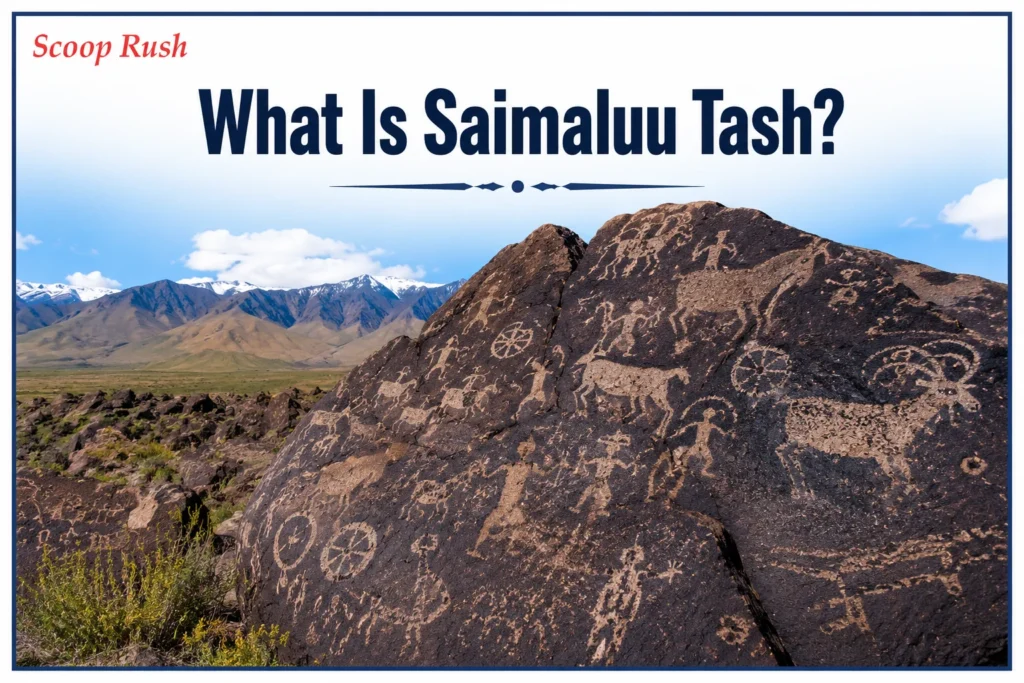
Saimaluu Tash means “Embroidered Stones” in the Kyrgyz language. The name perfectly describes the valley’s rock surfaces. Thousands of images cover the dark volcanic stones like intricate stitching. Ancient communities carved animals, hunters, warriors, and spiritual symbols across the landscape.
Researchers trace the earliest carvings to the Bronze Age. Later groups added images during the Iron Age. Early Turkic communities continued the tradition until around 900 CE. Together, these layers create a rare, continuous record of Central Asian history.
A Sacred Site in the Tian-Shan Mountains
Saimaluu Tash sits above 2,000 meters in the Tian-Shan range. A small sacred pond rests near the valley’s upper section. Ancient people likely used this space for rituals and worship. The combination of mountains, water, and sky held deep spiritual meaning.
Before Islam reached the region, Tengrism shaped many local beliefs. This tradition honored nature, spirits, and the power of the land. Saimaluu Tash still reflects these older customs today. The site also links the Ferghana Valley with the wider Tian-Shan mountains, connecting settled and nomadic worlds.
The Difficult Journey to Saimaluu Tash
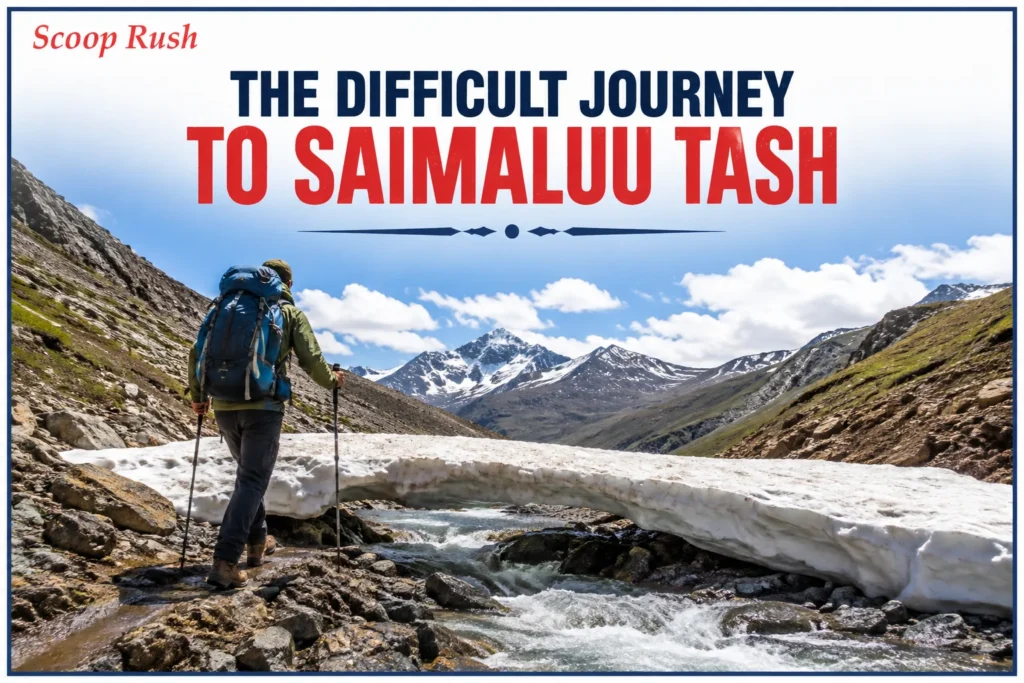
Reaching the petroglyphs takes real effort and careful trip planning. Hikers must climb steep, rugged trails through the mountains. This challenging trekking route crosses rivers, icy patches, and unpredictable terrain. Higher elevations become more remote and physically demanding for trail runners and hikers alike.
Seasonal snow adds another layer of difficulty for adventure seekers. A temporary snow bridge forms a key part of the trail. Early visitors may find the carvings still buried in snow. Late arrivals risk unsafe crossings once the bridge melts. Most travelers plan their trip between July and September, the best time to visit for safer access.
Rediscovery After Centuries of Silence
Despite its importance, Saimaluu Tash faded from wider historical memory. Russian cartographer Nikolai Khludov rediscovered the site in 1902. Serious archaeological study did not begin until the late 1940s. Since then, researchers have worked steadily to understand its full significance.
The carvings span thousands of years and several distinct cultures. Bronze Age communities created the oldest images first. Iron Age groups later expanded the collection. Early Turkic artists added their own marks before the site fell quiet again.
How Isolation Protected the Ancient Carvings
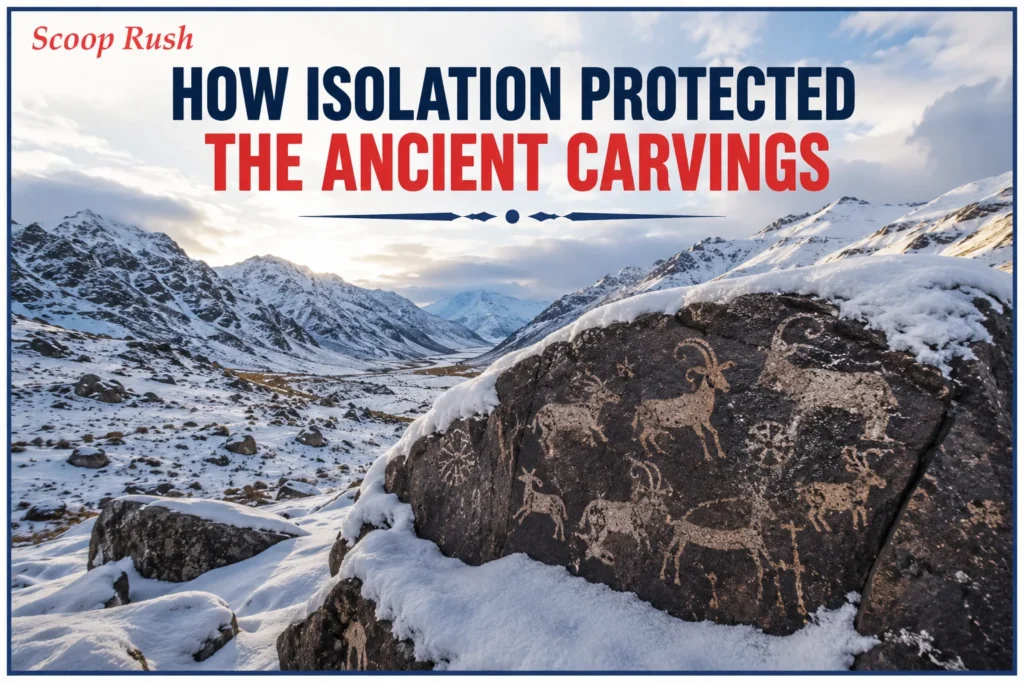
Saimaluu Tash’s remote location made it hard to study for decades. That same isolation, however, protected the carvings from damage. Few visitors reach the valley compared to popular archaeological sites. This has limited vandalism and uncontrolled tourism over time.
Heavy winter snow also shields the basalt stones naturally. Snow cover reduces sudden temperature swings across the rock surfaces. This protection has helped preserve fine details for thousands of years. Better roads could soon bring more visitors, so authorities must manage growth carefully.
Stories Carved Into the Stones
The petroglyphs reveal what mattered most to ancient communities. Hunting scenes appear again and again across the valley. Ibex show up frequently among the carved animals. These images likely combined practical survival with spiritual meaning.
Other carvings depict warriors and organized groups in conflict. Farming scenes also appear throughout the collection. Solar symbols suggest ancient sun worship and ritual practices. Researchers still debate the exact meaning behind many individual carvings.
Modern Graffiti and the Need for Protection
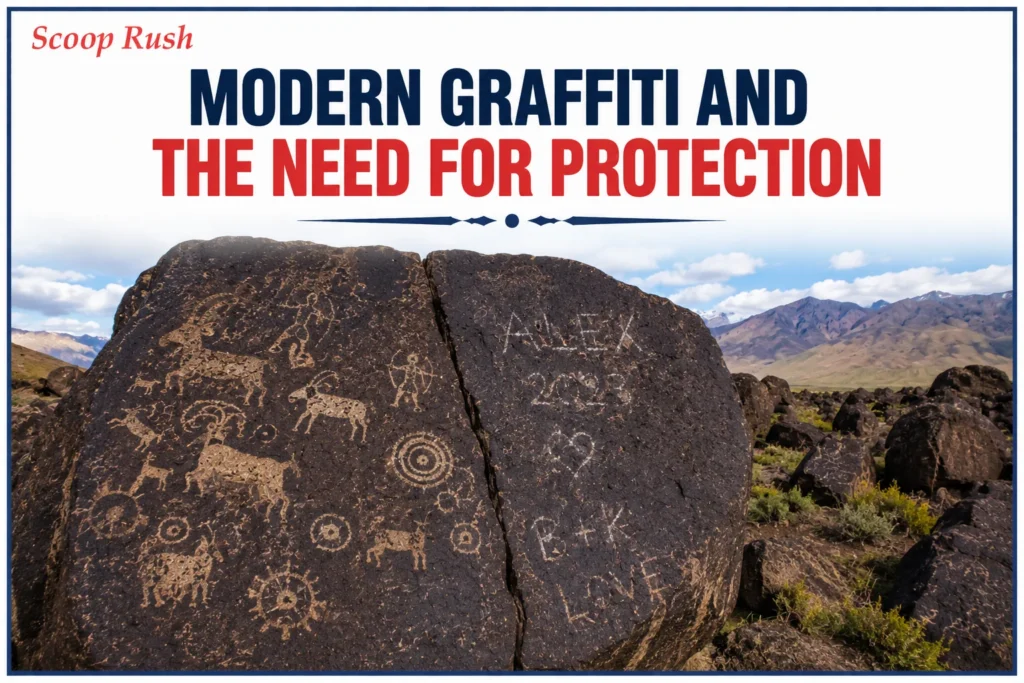
Ancient carvings are not the only marks at Saimaluu Tash. Some visitors have scratched names and dates into the rocks. Archaeologists and local authorities treat these additions as vandalism. The contrast highlights how differently people use the same stones.
Ancient artists recorded survival, worship, and community life. Modern graffiti often records only a name or a date. Future generations deserve to see the site as it was. Visitors must avoid touching or marking the stones and always follow local guides.
An Adventure for Modern Travelers
Saimaluu Tash offers a true off-the-grid adventure travel experience. There are no crowds, resorts, or paved viewing paths. Instead, travelers pass through scenic grasslands, rivers, and traditional yurts. This unforgettable journey becomes part of the overall travel experience.
Along the way, backpackers often meet local shepherds and herders. These cultural encounters offer a glimpse into authentic Kyrgyz hospitality. However, this remote expedition demands strong physical stamina and preparation. Weather shifts quickly at high altitude, so proper hiking gear remains essential for any outdoor adventure.
How to Plan Your Visit

Tour operators in Bishkek and Osh can arrange full guided expeditions. Their travel packages often include guides, permits, horses, and camping gear. This support makes a challenging journey far more manageable. Travelers should book well ahead for this must-visit destination.
Independent, budget-friendly travelers can reach Kazarman using public transport first. From there, they need extra arrangements for the mountain trekking route. Horses often help travelers cross difficult trail sections. Always confirm snow and river conditions with local guides before starting your Kyrgyzstan travel itinerary.
Why Saimaluu Tash Still Matters
Saimaluu Tash preserves an extraordinary record of ancient Central Asian life. Its carvings span roughly four thousand years of human history. They document shifting beliefs, animals, conflicts, and daily routines. Few archaeological sites offer such a long, unbroken visual story.
The site also shows why remote heritage deserves careful protection. Isolation kept these carvings safe for millennia. Growing tourism could change that balance in coming years. Thoughtful management can help the valley stay both accessible and protected.
Conclusion
Saimaluu Tash remains one of Kyrgyzstan’s most rewarding hidden gems. It offers travelers a rare mix of history, culture, and rugged adventure. Few destinations let you walk through 4,000 years of human stories. This remote valley truly earns its place on any serious traveler’s bucket list.
Visiting Saimaluu Tash takes effort, but the reward matches the challenge. The journey brings you closer to nature, local culture, and ancient art. Careful planning and respect for the site ensure it stays intact for future generations. For anyone craving authentic, off-the-beaten-path travel, Saimaluu Tash delivers an unforgettable experience.
FAQs
1. What is Saimaluu Tash?
Saimaluu Tash is a major petroglyph site in Kyrgyzstan. It holds nearly 90,000 carvings across thousands of basalt stones. The oldest images date back around 4,000 years.
2. Where is Saimaluu Tash located?
The site sits in a remote valley in the Tian-Shan mountains. It lies above 2,000 meters in elevation. Kazarman serves as the main access point for travelers.
3. When is the best time to visit Saimaluu Tash?
Most travelers visit between July and September each year. Snow conditions determine when the route becomes safe. A temporary snow bridge forms a key part of the path.
4. What do the carvings at Saimaluu Tash show?
The images depict hunters, ibex, warriors, and farming communities. Some carvings suggest ancient sun worship and rituals. Researchers continue studying the exact meaning of many scenes.
5. How do travelers get to Saimaluu Tash?
Tour operators in Bishkek and Osh arrange guided trips with permits. Independent travelers can reach Kazarman by public transport first. Horses often help cross the more difficult trail sections.

