
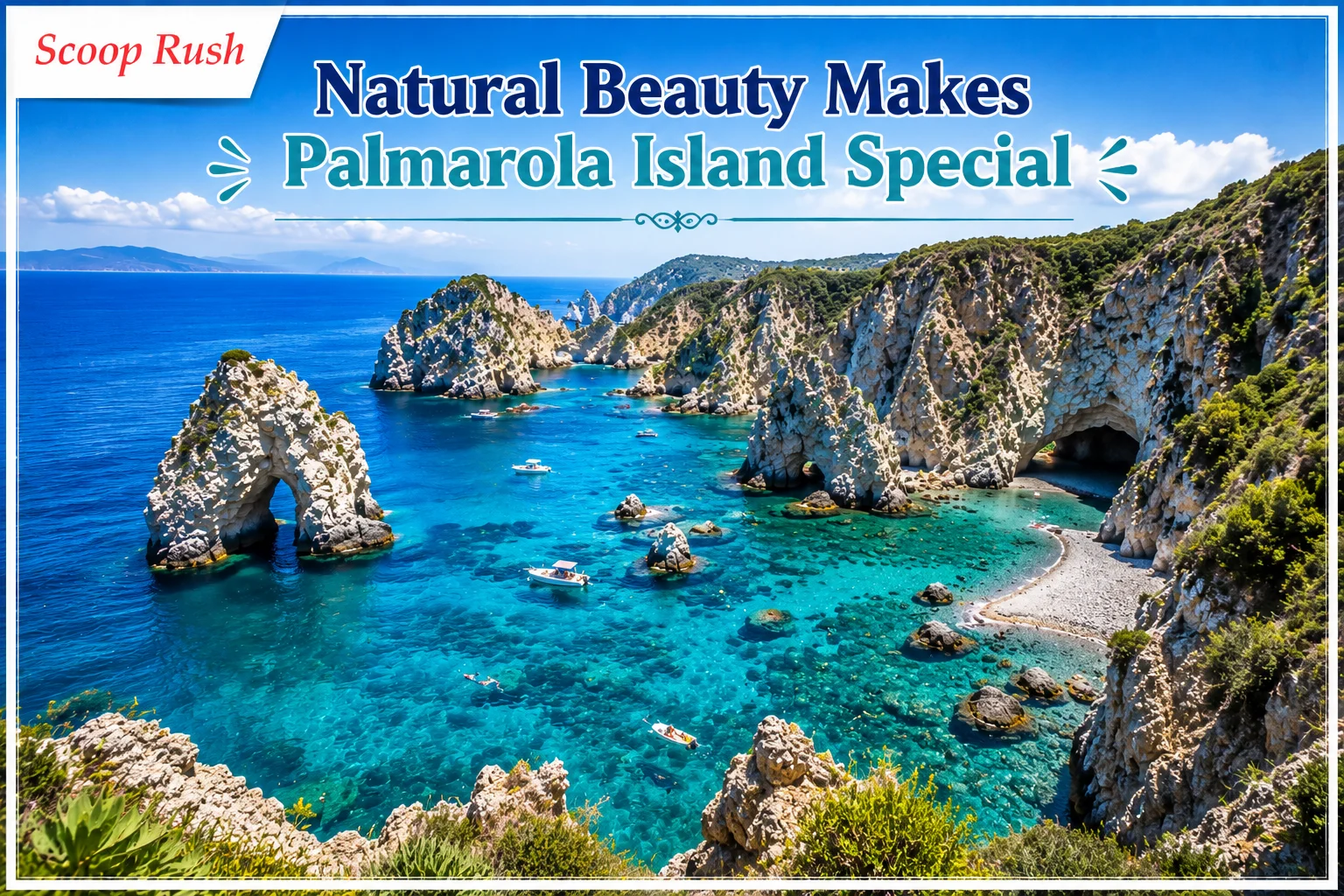
Palmarola Island remains one of Italy’s most peaceful and least-visited destinations. Unlike the country’s famous coastal hotspots, this volcanic island has no roads, no mobile phone signal, and no permanent residents. Travelers visit for its crystal-clear waters, dramatic cliffs, and quiet atmosphere instead of luxury resorts or crowded beaches.
Located in the Tyrrhenian Sea, about five miles from Ponza and west of Rome, Palmarola belongs to the Pontine Islands. The island stays largely untouched because reaching it requires extra planning. That isolation has helped preserve its natural beauty and unique character.
Why Palmarola Island Stands Apart From Italy’s Tourist Hotspots
Palmarola Island offers a completely different experience from destinations like Capri, Amalfi, or Cinque Terre. There are no hotels, shopping streets, beach clubs, or nightlife. Instead, visitors find rugged landscapes, peaceful beaches, and spectacular coastal scenery.
The island has no roads, no public transportation, and no ferry terminal. It also lacks regular electricity and mobile phone coverage. These conditions may seem unusual, but they create an authentic escape where nature takes center stage.
Getting to Palmarola Island Takes Planning
Travelers usually begin their journey in Rome before heading to the coastal ports of Anzio or Formia by train. From there, regular ferries travel to Ponza, the largest island in the Pontine archipelago.
The final part of the journey requires a private boat or a local fisherman because no public ferry serves Palmarola directly. Weather conditions also influence travel, so visitors should plan flexible schedules during their trip.
Natural Beauty Makes Palmarola Island Special
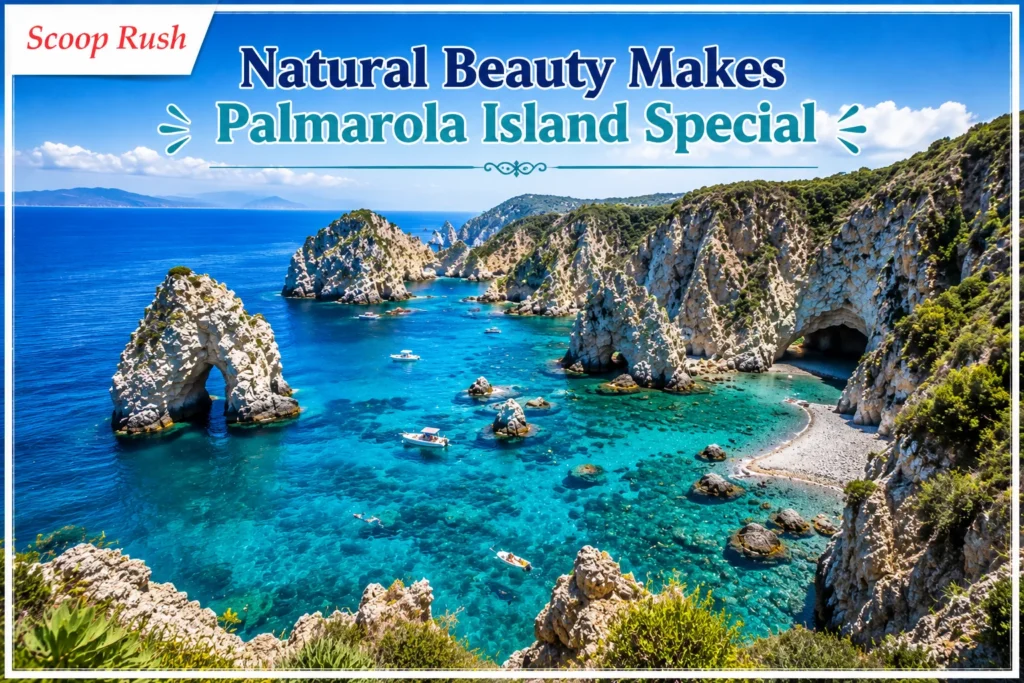
Palmarola Island is famous for its volcanic cliffs, turquoise waters, and dramatic coastline. Sea caves, hidden coves, towering rock formations, and black obsidian streaks create breathtaking scenery around the island.
The surrounding sea remains exceptionally clear, making snorkeling and scuba diving popular activities. Many visitors also explore the coastline by boat to discover secluded beaches and impressive natural grottoes that cannot be reached on foot.
Ancient History Lives Across Palmarola Island
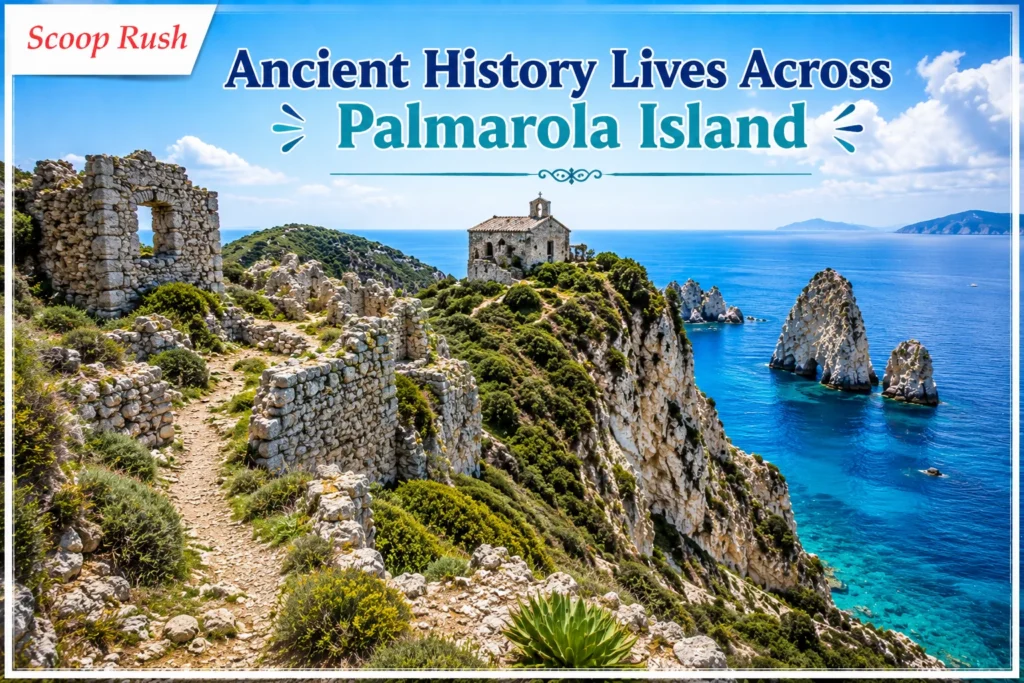
Although the island has no permanent community today, it has a long and fascinating history. Thousands of years ago, prehistoric people visited the island to collect volcanic obsidian, which they used to create tools and weapons.
Visitors can also follow hiking trails to the remains of a prehistoric settlement and a medieval monastery. During Roman times, the island served as a strategic lookout in the Tyrrhenian Sea, but it never developed into a permanent settlement.
Simple Accommodation Offers A Unique Experience
Accommodation on Palmarola Island remains extremely limited. The island’s only seasonal restaurant, O’Francese, also provides a small number of rooms carved into historic fishermen’s grottoes overlooking the sea.
Guests enjoy freshly prepared seafood, peaceful surroundings, and simple accommodations instead of luxury facilities. Overnight stays start at approximately 150 euros per night with full-board service. Because rooms are limited, visitors often book several months ahead.
Outdoor Adventures Fill Every Day
Life on Palmarola revolves around the sea. Visitors spend their days swimming, snorkeling, scuba diving, kayaking, or exploring hidden coves by boat. The island’s calm waters and dramatic coastline provide excellent opportunities for outdoor adventures.
Those who prefer land-based activities can hike scenic trails leading to panoramic viewpoints, historic ruins, and volcanic cliffs. At sunset, many travelers relax on the beach before enjoying spectacular night skies filled with stars.
Saint Silverius Remains Part Of Local Tradition
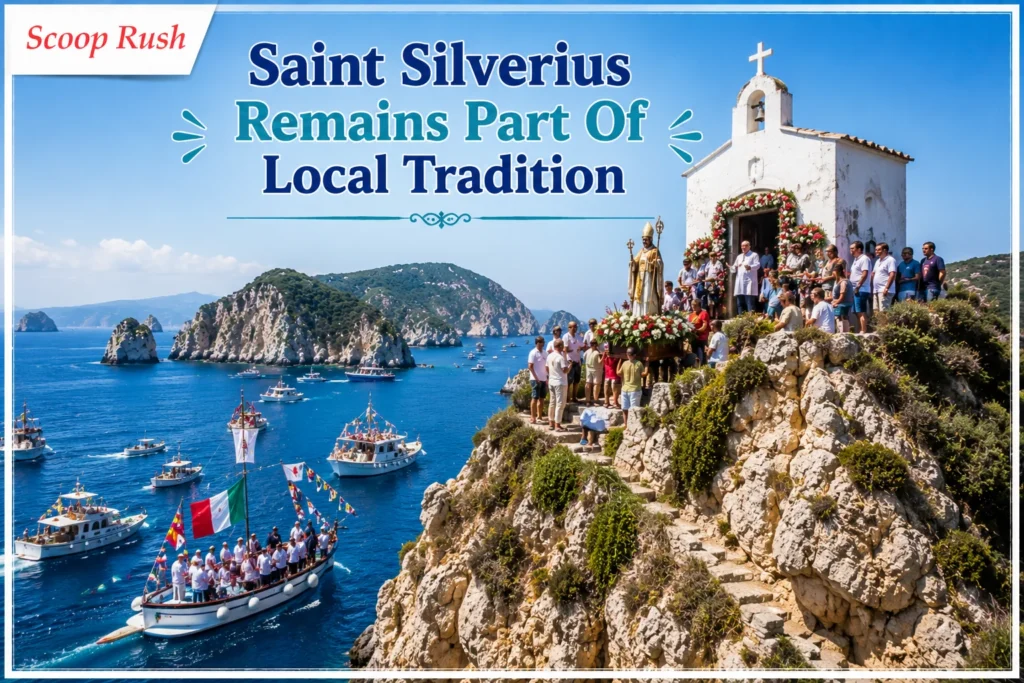
Palmarola Island also holds religious and cultural importance. A small white chapel dedicated to Saint Silverius stands on a rocky cliff overlooking the sea. According to tradition, the sixth-century pope died on the island after being sent into exile.
Every June, fishermen and families from nearby Ponza travel by boat to Palmarola for the Feast of Saint Silverius. They decorate the chapel with flowers, carry a wooden statue of the saint in a maritime procession, and gather for prayers celebrating their patron.
Palmarola Island Offers A Complete Digital Detox
Modern travelers often search for destinations where they can truly disconnect. Palmarola Island delivers exactly that. With almost no phone signal and limited electricity, visitors naturally spend less time online and more time enjoying the outdoors.
Without constant notifications or crowded attractions, people focus on swimming, hiking, reading, and spending time with family and friends. The peaceful environment creates a refreshing break from everyday routines.
Wildlife And Marine Life Add To The Experience

Palmarola Island supports a rich natural environment both on land and in the surrounding sea. Wild goats roam freely across the rocky hillsides, while Mediterranean plants grow among the volcanic cliffs throughout the island.
The clear waters attract colorful fish and other marine species, making the island a favorite destination for snorkelers and divers. The healthy underwater ecosystem also highlights the importance of preserving this untouched coastal environment.
Best Time To Visit Palmarola Island
The best time to visit Palmarola Island is from late May through early September. During these months, warm temperatures and calm seas create ideal conditions for boating, snorkeling, hiking, and sightseeing.
Travelers should book accommodations and boat transfers well in advance because services remain limited. Checking weather forecasts before departure also helps ensure a smooth journey, as rough seas can delay boat access.
Why Travelers Continue To Choose Palmarola Island
Many travelers now prefer peaceful destinations over crowded tourist centers. Palmarola Island offers privacy, natural beauty, and an authentic Italian island experience that has largely escaped mass tourism.
The island rewards visitors with breathtaking scenery, fresh seafood, quiet beaches, and unforgettable sunsets. Every visit feels personal because the island remains protected from large-scale development.
Conclusion
Palmarola Island proves that some of Italy’s greatest treasures remain hidden from the crowds. Its volcanic landscapes, crystal-clear waters, historic sites, and peaceful atmosphere offer a travel experience unlike any other in the Mediterranean.
Although reaching the island requires extra effort, the journey becomes part of the adventure. For travelers seeking authentic nature, simple living, and complete relaxation, Palmarola Island stands among Italy’s most remarkable hidden destinations.
FAQs
1. What makes Palmarola Island different from other Italian islands?
Palmarola Island has no roads, mobile phone signal, permanent residents, or large tourist facilities. Its untouched landscape offers visitors a peaceful escape surrounded by nature.
2. How do travelers reach Palmarola Island?
Visitors first travel to Ponza by ferry from mainland Italy. They then continue to Palmarola by private boat or local fishing boat because no public ferry serves the island.
3. Can visitors stay overnight on Palmarola Island?
Yes. O’Francese offers a small number of basic grotto rooms with full-board accommodation. Since availability remains limited, travelers should reserve well in advance.
4. What activities are popular on Palmarola Island?
Visitors enjoy snorkeling, scuba diving, swimming, kayaking, hiking, boating, wildlife watching, and exploring volcanic sea caves. Stargazing also becomes a memorable evening activity due to the island’s dark skies.
5. When is the best season to visit Palmarola Island?
Late spring through early autumn offers the best conditions for visiting. Warm weather, calmer seas, and seasonal services make this the ideal time to explore the island.

