
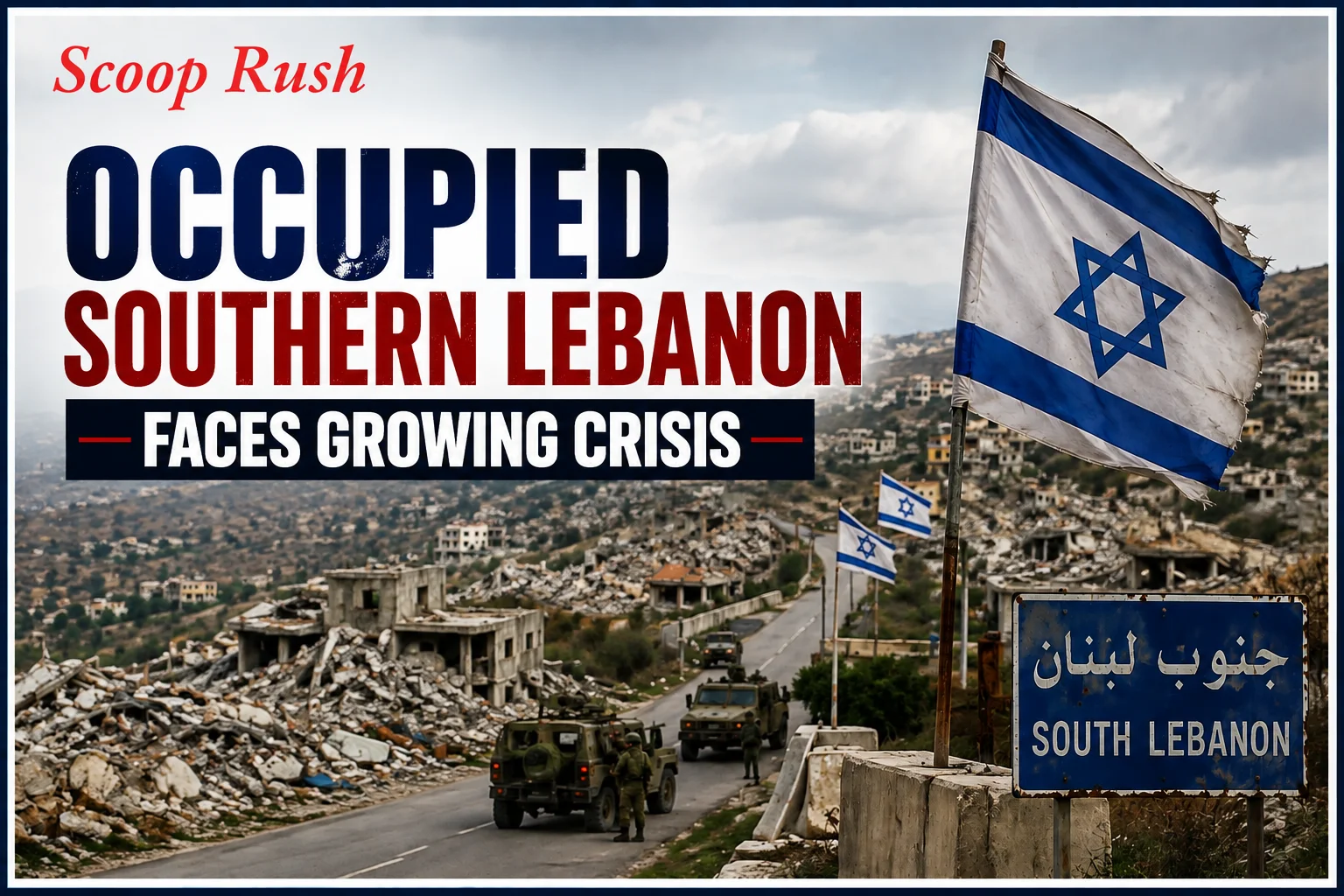
Occupied southern Lebanon now shows heavy destruction, military checkpoints, and growing uncertainty. Israeli forces still hold a border strip inside Lebanese territory. Meanwhile, strikes continue almost daily despite a declared ceasefire between Israel and Hezbollah.
Recent reports from CNN and BBC give rare access to the region. Reporters traveled with approved civilian and humanitarian convoys to see conditions firsthand. Their accounts describe flattened villages, damaged homes, and expanding Israeli military positions across the south.
Israeli Forces Still Control Border Areas
Israeli forces occupy a strip that stretches several kilometers into southern Lebanon. In some spots, this controlled zone reaches nearly 10 kilometers from the Israeli border. According to BBC reporting, the area covers about five percent of Lebanese territory.
Checkpoints now sit along roads that once linked southern towns freely. Israeli flags mark several points inside the controlled zone as well. Military vehicles and fortified posts remain visible close to residential communities, and officials say this presence protects northern Israel from Hezbollah threats.
Villages Show the Heavy Toll of War
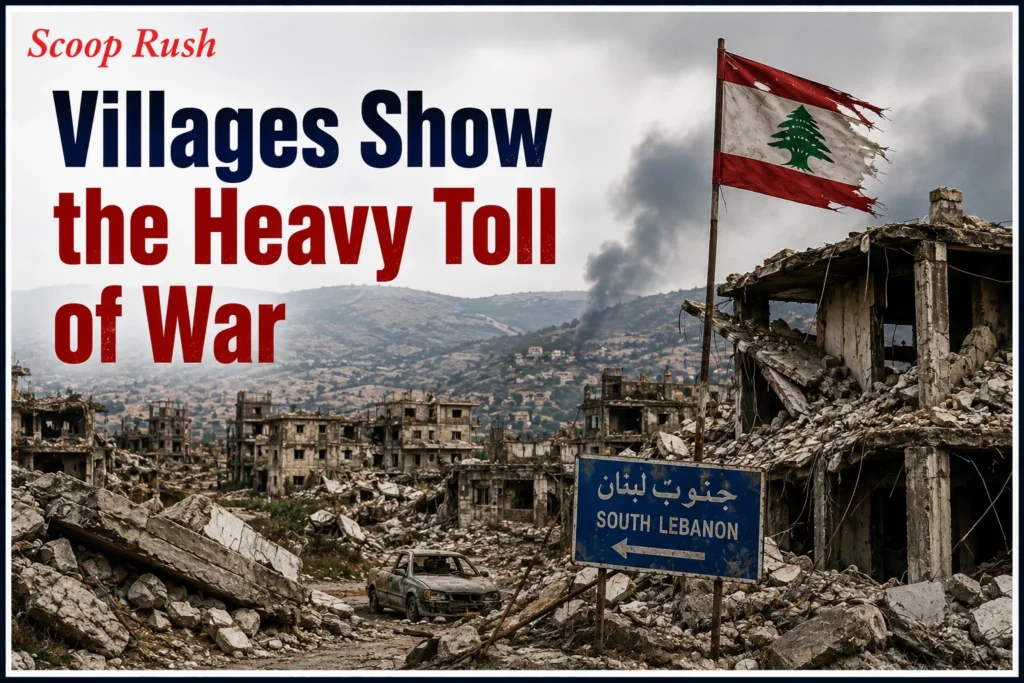
Large parts of southern Lebanon carry the scars of ongoing military operations. Many villages have lost homes, shops, roads, and basic infrastructure. Controlled demolitions also continue near several communities, adding to the damage.
CNN journalists witnessed flattened buildings while traveling through the region recently. They also heard explosions and saw military activity nearby during their visit. Israeli officials claim Hezbollah used many of these buildings for military purposes, though human rights groups question whether the destruction followed international law.
Christian Villages Remain Intact but Isolated
Three mostly Christian villages have avoided the heaviest destruction seen elsewhere. Rmeish, Ain Ebel, and Debel remain among the least damaged communities in the region. Even so, residents cannot move freely through the surrounding occupied land.
People need approval before entering or leaving these villages today. Humanitarian groups organize convoys through a system backed by the United Nations. Authorities must coordinate each trip directly with Israeli forces, which slows daily life considerably.
Families Struggle With Separation and Loss
Ronnie and Rita Alam fled Rmeish with their two daughters during intense fighting. They rented a place in Beirut, which strained their household budget. Eventually, the family returned home through an authorized convoy route.
However, Ronnie soon planned to head back to Beirut for work. Rita therefore faced staying in Rmeish without her husband nearby. Many families across the region face this same hard choice between safety, income, and staying together.
Life Beside Ruins in Ain Ebel
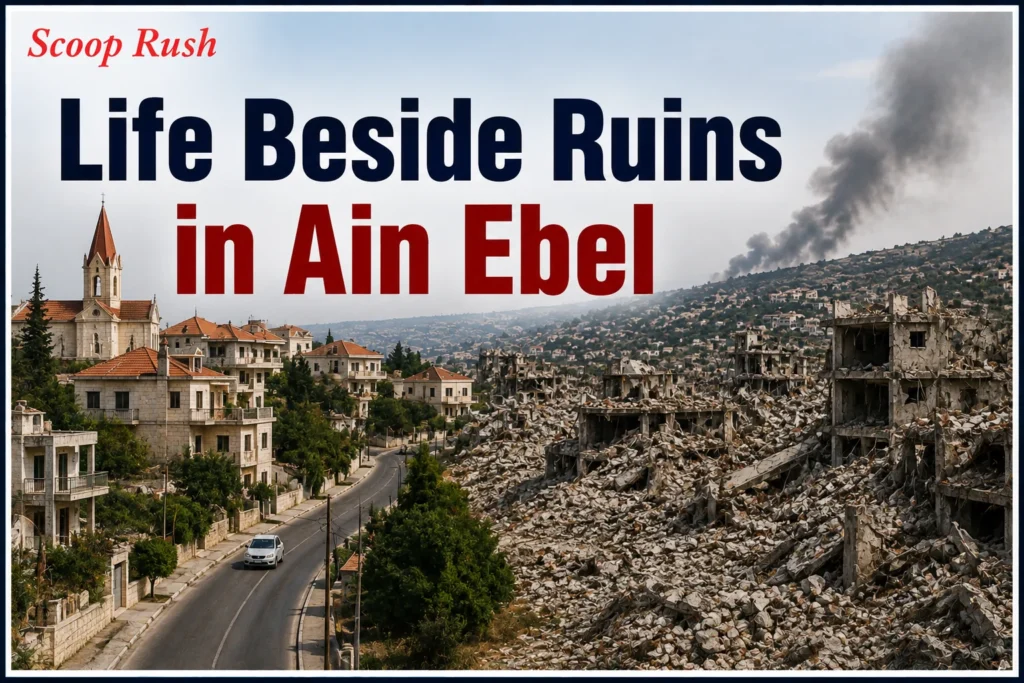
Ain Ebel has stayed mostly intact compared with nearby Shia communities. Still, residents live close to areas badly damaged by Israeli strikes. This contrast has created a strange and uneasy daily reality.
Yorgos Mitri chose to stay in Ain Ebel throughout the conflict. He said his young son already recognizes the sound of military jets overhead. Mitri criticized Hezbollah’s choice to fight Israel, yet he also expressed sympathy for displaced Shia families nearby.
Lebanese Army Works to Restore Authority
Lebanon’s army has started operating in select areas near the conflict zone. These locations form part of a framework backed by the United States. Officials call them pilot zones meant to rebuild government control.
Soldiers patrol these areas and search for weapons where legally allowed. They also clear debris from fighting and help support civilian returns. Still, the army struggles with limited funding, since many soldiers earn roughly $500 each month.
Pilot Zones Face Tough Obstacles
Zawtar al-Gharbiyeh stands as one of the chosen pilot zones for transition. Lebanese soldiers now work there without a constant Israeli presence nearby. Yet Israeli tanks and bulldozers remain visible just hundreds of yards away.
Residents report frequent drone flights above the village throughout the day. Artillery explosions also continue to disturb nearby areas regularly. As a result, fewer than one in twenty displaced residents have returned to this pilot zone so far.
Strikes Continue Despite the Ceasefire
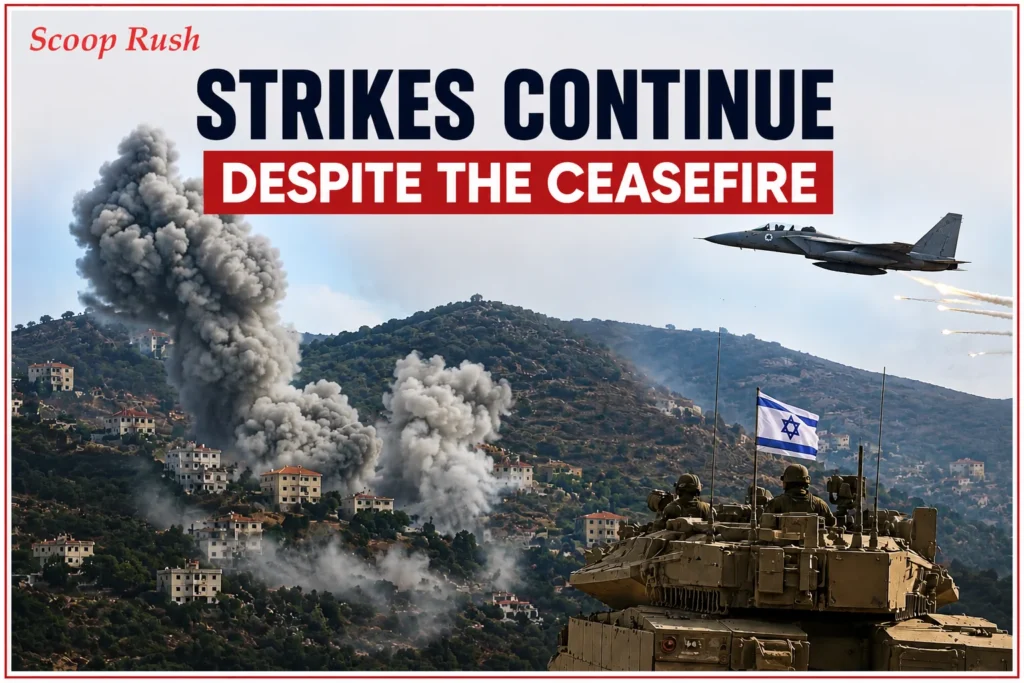
Lebanese officials say Israeli attacks have not stopped since the ceasefire began. The Lebanese army has documented thousands of alleged violations already. These reportedly include airstrikes, drone attacks, and artillery fire across the south.
Israeli officials insist their actions remain permitted under existing agreements. They argue Hezbollah still poses security threats near Israeli positions. Hezbollah, meanwhile, has avoided broad attacks but has targeted Israeli troops inside Lebanese land.
Hezbollah’s Deep Roots in the South
Hezbollah holds strong ties within southern Lebanon’s Shia Muslim communities. The group blends political activity with an armed military wing. It also provides social services where government support remains weak or absent.
Many supporters see Hezbollah as protection against Israeli military action. That support grew through decades of conflict and past occupation. However, many other Lebanese communities strongly reject Hezbollah’s military role in national affairs.
Displacement Remains a Major Crisis
Displacement continues as one of southern Lebanon’s biggest challenges today. Hundreds of thousands of people still live away from their homes. Many villages also lack basic conditions needed for safe returns.
Mahmoud Darwish returned to Zawtar al-Gharbiyeh after months of being away. He found his home badly damaged, with rubble covering the floors. His destroyed olive trees also meant a major loss of income for his family.
Residents Want Security and a Political Fix
People across southern Lebanon want lasting safety after years of conflict. Many also want government institutions to regain full control of the region. Still, political disagreements continue to block real progress.
Lebanon wants Israel to withdraw fully from occupied areas soon. Israel links any withdrawal to Hezbollah’s disarmament and security guarantees. This standoff leaves residents caught between military pressure and political deadlock.
A Fragile Path Forward
Southern Lebanon shows little sign of a fast return to normal life. Israeli positions remain active while destruction continues shaping daily existence. The pilot zone plan could eventually help restore government authority.
Even so, the strategy faces serious security, financial, and political barriers. Continued strikes make civilian returns harder with each passing month. For now, occupied southern Lebanon remains an unstable and deeply divided region.
FAQs
1. Why does Israel still control parts of southern Lebanon?
Israel says the zone protects northern communities from Hezbollah threats. Officials link any withdrawal to Hezbollah’s full disarmament. Lebanon, however, demands an immediate and complete Israeli exit.
2. Are Israeli strikes still happening during the ceasefire?
Yes, Lebanese officials report frequent Israeli strikes and military activity. Israel says these actions fall within current security agreements. Both sides strongly disagree over what counts as a violation.
3. Which Lebanese villages have avoided major destruction?
Rmeish, Ain Ebel, and Debel remain relatively intact compared to others. All three villages have mostly Christian populations. Residents there still face strict travel restrictions daily.
4. What exactly are Lebanon’s pilot zones?
Pilot zones are areas chosen to test restored Lebanese government control. Lebanese army units operate there with limited outside interference. The goal is helping displaced residents safely return home.
5. Why haven’t more displaced residents returned home?
Many fear renewed strikes and ongoing military activity nearby. Damaged homes and destroyed farmland add further hardship. Movement restrictions also make rebuilding and resettling extremely difficult.

