
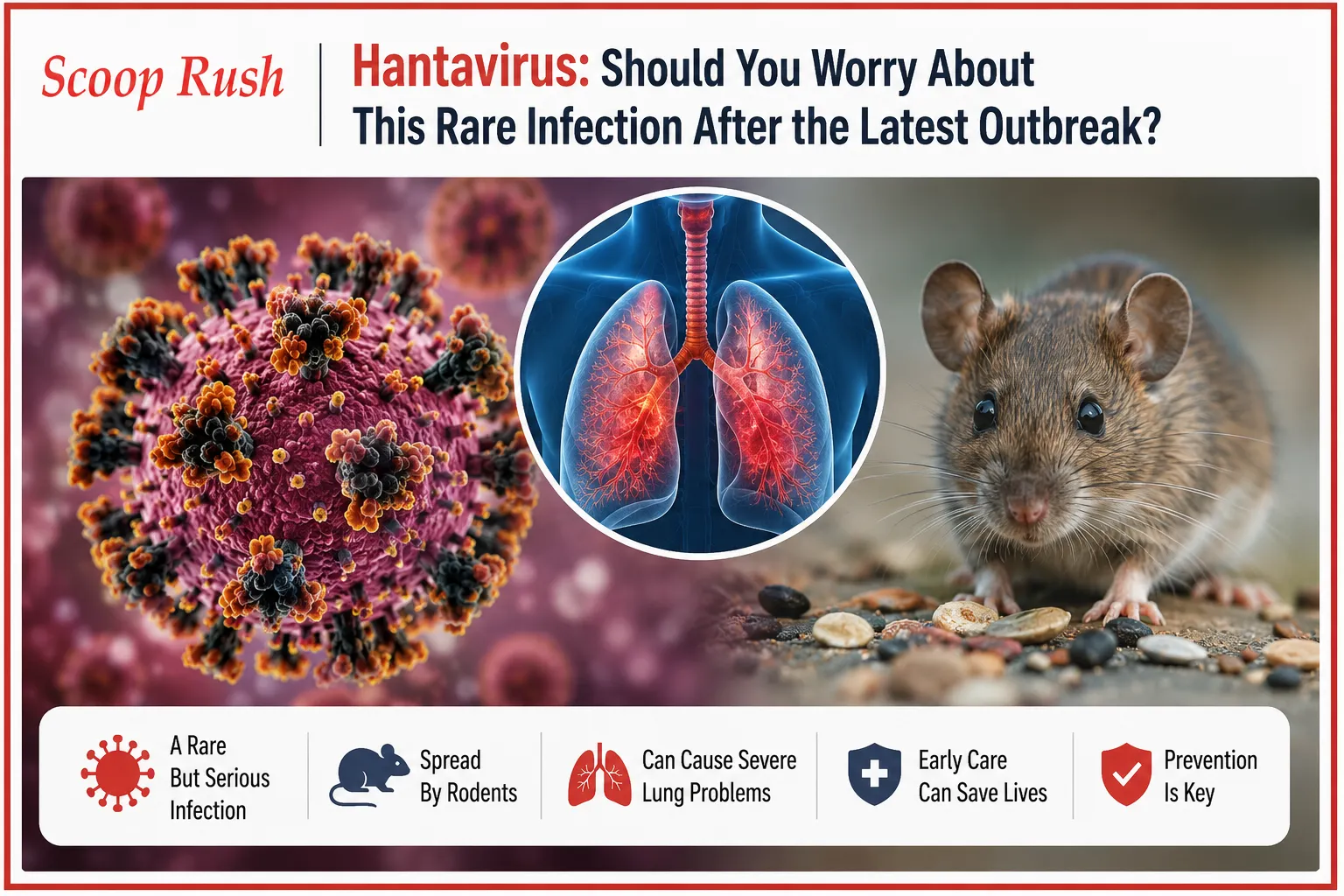
Hantavirus outbreak raises questions as experts explain the real risk
A rare infection that most people had never heard of suddenly became a global health concern after a reported hantavirus outbreak linked to a cruise ship. However, experts say the disease is not something most travelers need to panic about. The bigger concern is understanding how hantavirus spreads, why it can become dangerous, and how early medical care can improve outcomes.
Hantavirus is a group of viruses carried mainly by rodents. These viruses can cause severe illness in humans, including serious lung problems in the Americas and kidney-related complications in Europe and Asia. Although hantavirus infections can be deadly, they remain uncommon, especially compared with many everyday infectious diseases.
Medical experts, including infectious disease specialists, are encouraging people to stay informed rather than frightened. The recent attention around hantavirus highlights the importance of public health monitoring, disease research, and early detection.
What is hantavirus and why is it dangerous?
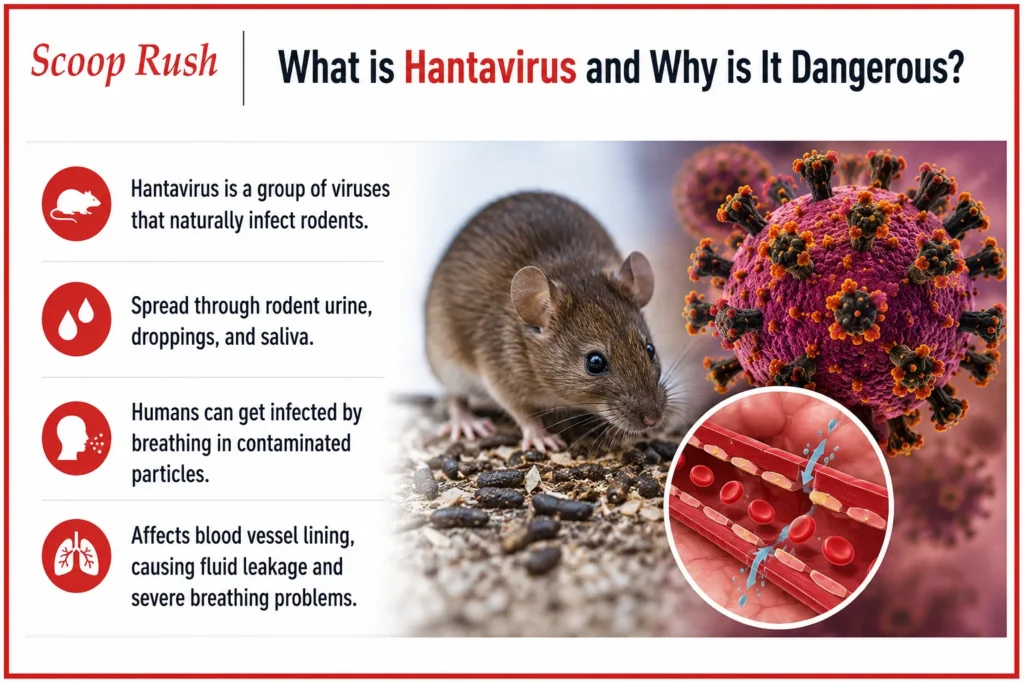
Hantavirus refers to a group of viruses that naturally infect rodents. Different types of hantaviruses exist in different regions of the world. Rodents can carry these viruses without appearing sick, but they can spread the virus through their urine, droppings, and saliva.
Humans usually become infected after coming into contact with contaminated materials. For example, cleaning an area with rodent droppings can release particles into the air. When people breathe in these particles, infection can occur.
Unlike many common respiratory viruses, hantavirus behaves differently inside the body. New World hantaviruses, such as Andes virus and Sin Nombre virus, do not mainly destroy lung cells. Instead, they affect the cells that line blood vessels.
Scientists explain that infected blood vessel cells can lose normal function without dying. However, the connections between these cells can become weak, causing fluid from the blood to leak into surrounding tissues.
This process can quickly lead to serious breathing problems.
Why can hantavirus become life-threatening?
Hantavirus is unusual because the infection can progress rapidly after a person develops symptoms.
In severe cases, fluid can build up in the lungs, making it difficult for oxygen to enter the bloodstream. Patients may experience breathing failure, low blood pressure, and shock.
Experts studying Andes virus say the virus does not simply damage the body by destroying cells. Instead, it appears to interfere with the body’s normal balance and immune response.
One of the biggest mysteries is why blood vessels suddenly become more fragile during severe infection. Researchers are studying immune system chemicals called cytokines, including interleukin-6 (IL-6), because they may contribute to blood vessel leakage.
Hantavirus symptoms: What signs should people know?
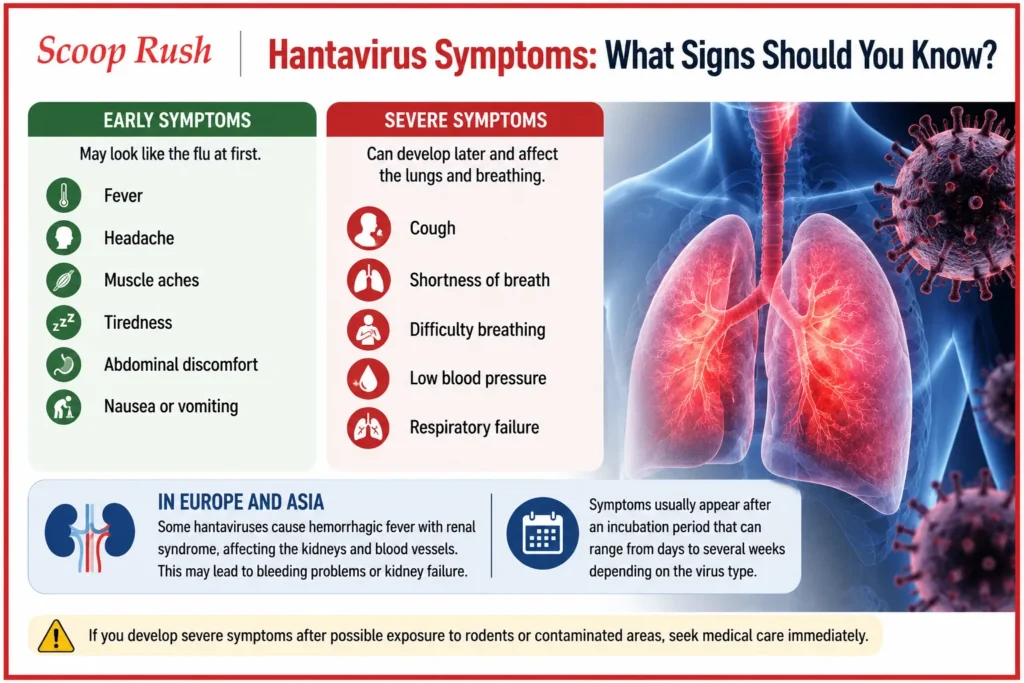
The early symptoms of hantavirus can look similar to common illnesses such as the flu.
Common early symptoms include:
- Fever
- Headache
- Muscle aches
- Tiredness
- Abdominal discomfort
- Nausea or vomiting
However, severe disease can develop later.
In the Americas, hantavirus may cause hantavirus pulmonary syndrome, a serious condition affecting the lungs. Symptoms can progress to:
- Cough
- Shortness of breath
- Difficulty breathing
- Low blood pressure
- Respiratory failure
In Europe and Asia, some hantaviruses cause hemorrhagic fever with renal syndrome. This form can affect the kidneys and blood vessels and may lead to bleeding problems or kidney failure.
Symptoms usually appear after an incubation period that can range from days to several weeks depending on the virus type.
How does hantavirus spread?
The main way humans get hantavirus is through contact with infected rodents.
The virus can spread through:
- Rodent urine
- Rodent droppings
- Rodent saliva
- Contaminated dust particles
People with higher exposure risk often include those who clean abandoned buildings, work around rodents, or enter poorly ventilated spaces where rodents have been present.
For example, a reported case in Michigan involved a person who became infected after cleaning an abandoned house with a rodent infestation.
However, not all hantaviruses spread between people.
The Andes virus, found mainly in Argentina and Chile, is the only known hantavirus with documented human-to-human transmission. Even then, transmission is uncommon and usually requires close, prolonged contact.
Hantavirus and cruise ship concerns: Should travelers worry?
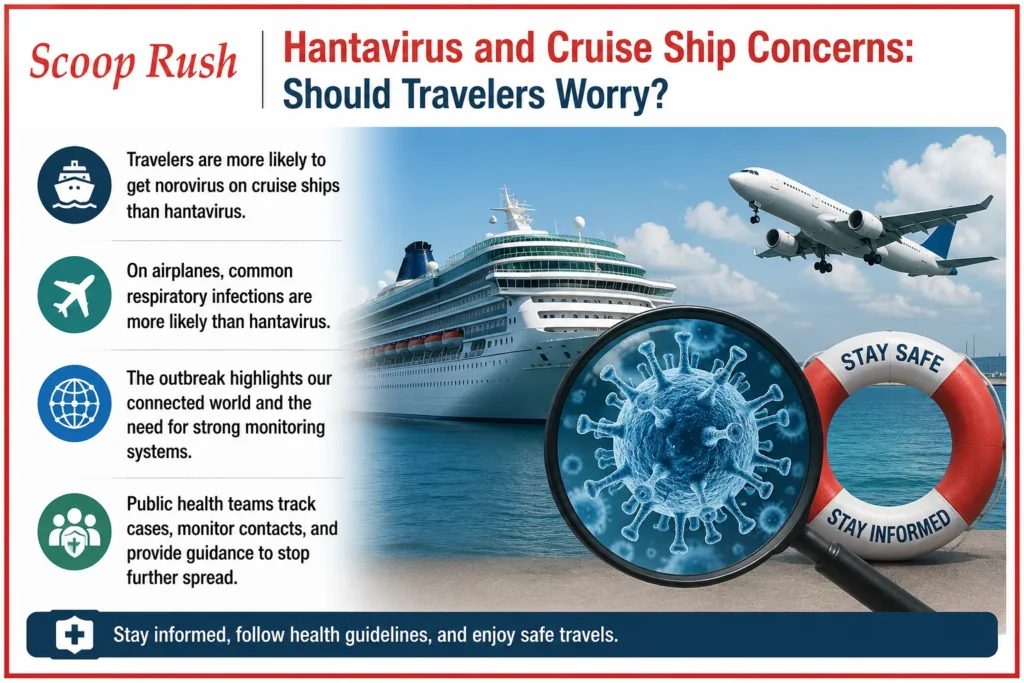
The recent cruise ship situation increased public attention because many people were unfamiliar with hantavirus.
However, experts explain that travelers are much more likely to encounter common infections such as norovirus on cruise ships than hantavirus.
Similarly, people traveling by airplane are generally more likely to catch common respiratory infections than hantavirus.
Health specialists say the outbreak serves as a reminder of how connected the world has become and why disease monitoring systems are important.
Public health teams track possible cases, monitor close contacts, and provide guidance to prevent further spread.
How is hantavirus treated?
Currently, there is no specific antiviral medicine or approved vaccine that directly cures hantavirus infection.
Treatment mainly focuses on supportive medical care.
Doctors may provide:
- Oxygen support
- Breathing assistance
- Monitoring of heart and kidney function
- Treatment for complications
Early medical attention is extremely important.
Experts explain that patients who receive support quickly, especially when breathing problems begin, have a better chance of survival.
In severe cases, some patients may require advanced treatment such as mechanical ventilation or ECMO, a machine that supports the heart and lungs while the body recovers.
Researchers are also studying possible future treatments. Some approaches involve antibodies from recovered patients and medicines that may reduce harmful blood vessel leakage.
How can people prevent hantavirus infection?
The best protection against hantavirus is reducing contact with rodents.
Experts recommend:
Avoid disturbing rodent-infested areas
Do not enter places with signs of rodents unless necessary. If cleaning is required, take safety precautions.
Clean safely
Avoid dry sweeping or vacuuming rodent droppings because this can send contaminated particles into the air.
Instead:
- Wet contaminated areas before cleaning
- Use disinfectant solutions
- Wear gloves
- Wash hands afterward
- Improve ventilation when possible
Prevent rodents from entering homes
People can reduce risk by:
- Sealing holes and openings
- Keeping food stored securely
- Maintaining clean living spaces
These steps help reduce the chance of exposure.
Why scientists are studying hantavirus closely
Although hantavirus infections are rare, scientists continue researching them because they reveal important lessons about infectious diseases.
Researchers are studying how hantaviruses avoid immune defenses, how blood vessels become damaged, and how the body eventually recovers.
Interestingly, many survivors recover without permanent lung damage, which makes hantavirus different from several other severe respiratory illnesses.
Scientists hope that understanding these unusual features could lead to treatments not only for hantavirus but also for future infectious disease challenges.
Final thoughts: Is hantavirus something to fear?
Hantavirus is a serious infection that can become dangerous, but experts say it is not a common everyday threat for most people.
The biggest risk comes from direct exposure to infected rodents, especially in contaminated environments. Therefore, prevention and awareness remain the most effective protection.
The recent attention around hantavirus shows why public health systems, scientific research, and early diagnosis matter. While the infection deserves respect, accurate information is more valuable than fear.
FAQs About Hantavirus
1. What is hantavirus?
Hantavirus is a group of viruses carried by rodents that can cause serious illness in humans. Depending on the virus type and location, it can affect the lungs, kidneys, and blood vessels.
2. How do people get hantavirus?
People usually get infected by breathing in particles from infected rodent urine, droppings, or saliva. Exposure often happens while cleaning rodent-infested areas.
3. Is hantavirus contagious between people?
Most hantaviruses do not spread between humans. The Andes virus is a rare exception and has shown limited human-to-human transmission after close, prolonged contact.
4. Can hantavirus be cured?
There is currently no specific cure or approved vaccine for hantavirus. Doctors treat patients with supportive care, including oxygen and other medical support when needed.
5. How can I protect myself from hantavirus?
Avoid contact with rodents, clean contaminated areas safely, avoid dry sweeping rodent droppings, and keep homes protected from rodent entry.

