
Introduction
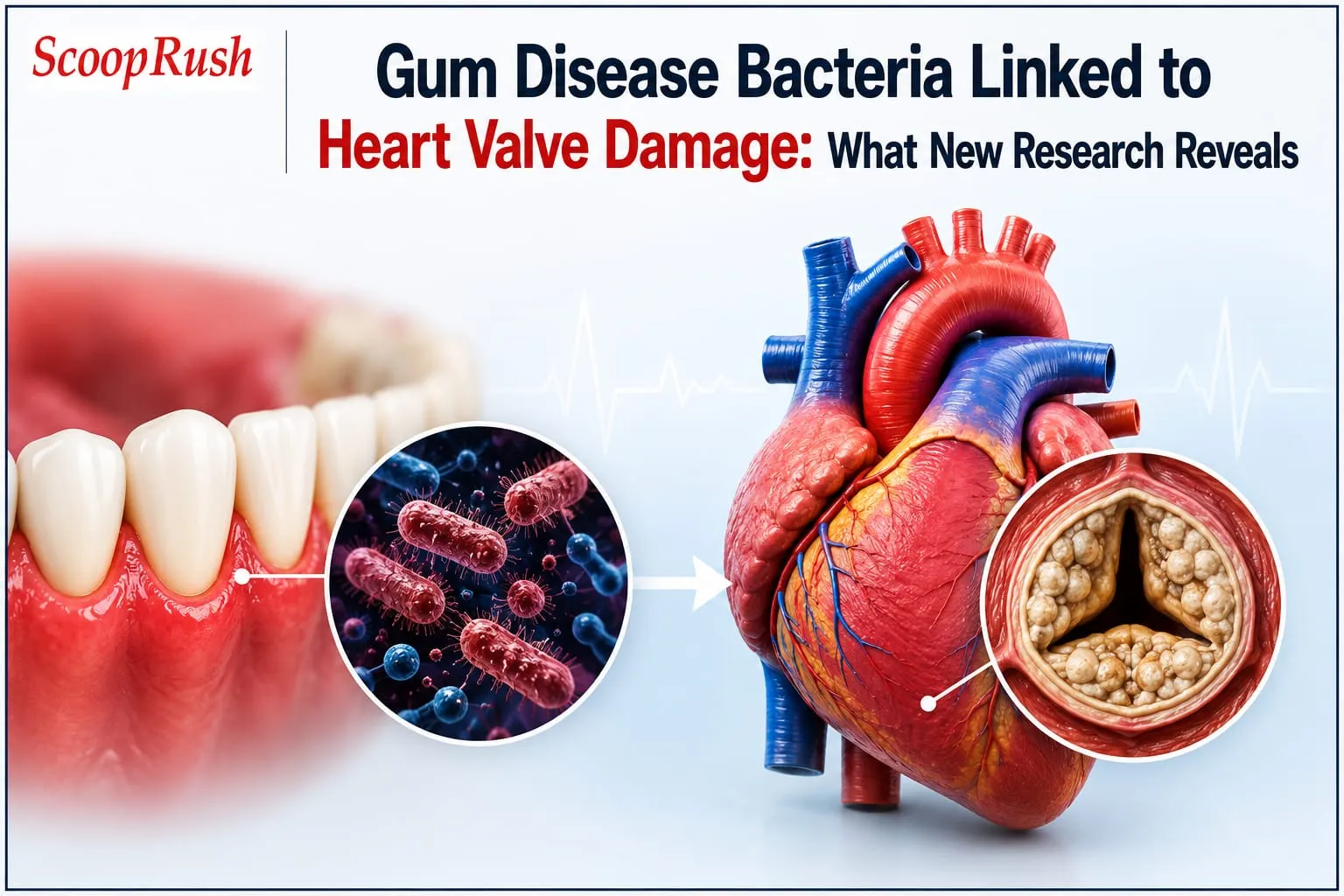
Could a bacterium living in your mouth right now be quietly damaging one of your heart’s valves? New preliminary research says it’s possible. Scientists have discovered that bacteria responsible for gum disease may play a direct role in a serious and common heart condition called calcific aortic valve stenosis.
This finding matters because heart valve disease often develops silently. Many people won’t notice symptoms until the condition has already progressed. If oral bacteria really do contribute to this process, then something as simple as brushing, flossing, and treating gum disease early could become part of protecting your heart, not just your smile.
Scientists presented the research at the American Heart Association’s Basic Cardiovascular Sciences Scientific Sessions 2026, held in Boston from July 13 to 16. This meeting ranks among the largest global gatherings focused on cardiovascular science, and the findings there are already generating conversation among doctors and dentists alike.
What Is Calcific Aortic Valve Stenosis (CAVS)?
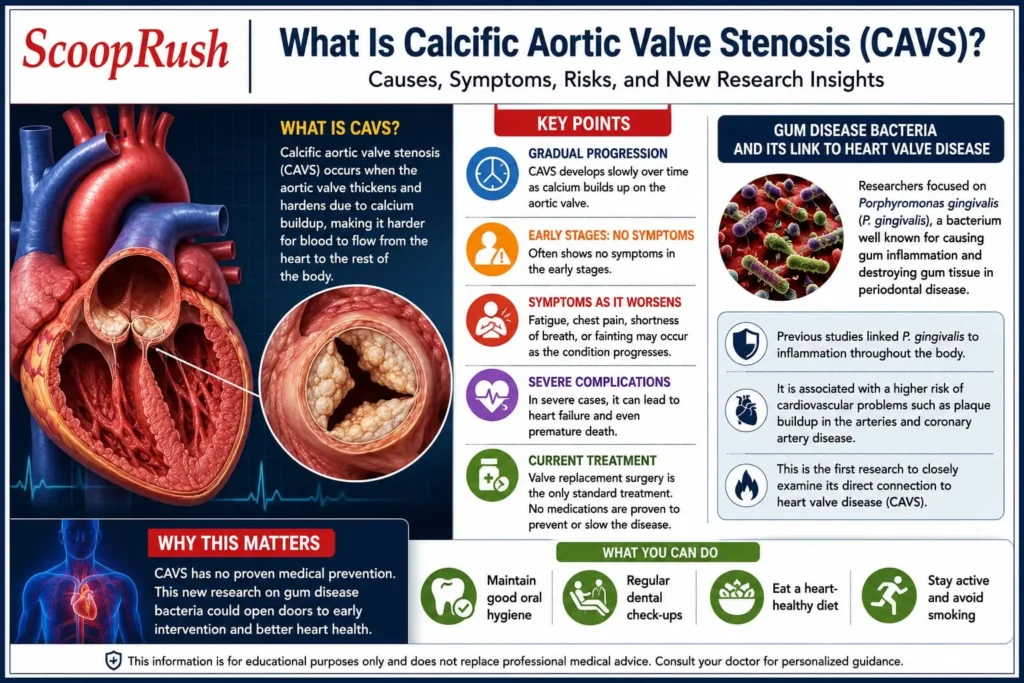
Calcific aortic valve stenosis, often shortened to CAVS, happens when the aortic valve gradually thickens and hardens due to calcium buildup. Over time, this makes it harder for blood to flow properly from the heart to the rest of the body.
The tricky part is that CAVS often shows no symptoms in its early stages. As it worsens, however, people may experience fatigue, chest pain, shortness of breath, or fainting. In severe cases, it can lead to heart failure and even premature death.Currently, valve replacement surgery remains the only standard treatment, and no medications can prevent or slow the disease.
That lack of preventive options is exactly why this new research has caught so much attention.
Gum Disease Bacteria and Its Link to Heart Valve Disease
Researchers focused their attention on a specific bacterium called Porphyromonas gingivalis, or P. gingivalis for short. This bacterium already causes gum inflammation and destroys gum tissue in people with periodontal disease.
Previous studies had already connected P. gingivalis to inflammation throughout the body, along with a higher risk of cardiovascular problems like plaque buildup in the arteries and coronary artery disease. However, researchers had not closely examined its direct connection to heart valve disease until now. . Inflammation of this kind isn’t limited to blood vessels either; scientists have also found that the immune system’s inflammatory processes shape the brain itself, showing just how far the body’s inflammatory responses can reach. immune system’s inflammatory processes shape the brain itself,
How Researchers Found the Gum Disease–Heart Valve Connection
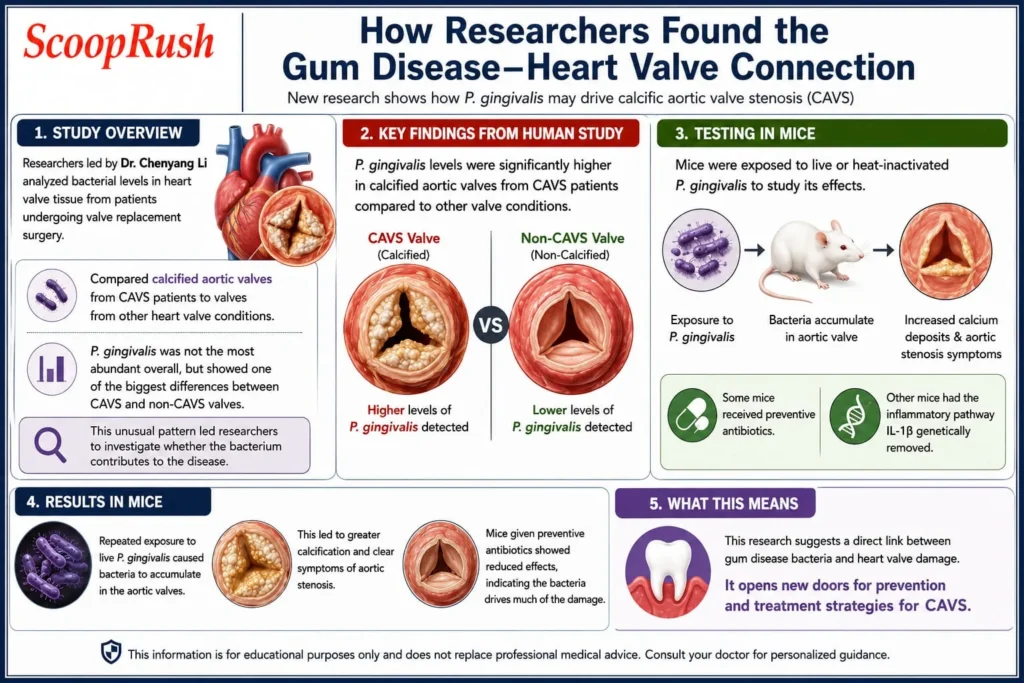
The study was led by Chenyang Li, M.D., a Ph.D. candidate in the department of cardiology at Fuwai Hospital’s National Center for Cardiovascular Diseases in Beijing. To investigate the link, the team analyzed bacterial levels in heart valve tissue collected from patients undergoing valve replacement surgery.
They compared calcified aortic valves from people diagnosed with CAVS to valve tissue taken from patients with other types of heart valve conditions.The results surprised the team. According to Li, P. gingivalis did not rank as the most abundant bacterium overall. Still, it showed one of the biggest differences between valves affected by CAVS and those that weren’t.
This unusual pattern is what pushed researchers to dig deeper into whether the bacterium was simply present, or whether it was actually contributing to the disease itself.
Testing Gum Disease Bacteria in Mice
To understand the biological mechanism at play, researchers turned to mouse studies. Mice were exposed to either live or heat-inactivated P. gingivalis. The team then observed whether the bacteria built up in the aortic valve, increased calcium deposits, and triggered symptoms similar to aortic stenosis.
Some mice were given preventive antibiotics. In other groups, researchers genetically removed a specific inflammatory pathway known as IL-1β.
The results were striking. Repeated exposure to live P. gingivalis caused bacteria to accumulate in the aortic valves of mice. This buildup led to greater calcification and clear symptoms of aortic stenosis. Meanwhile, mice given preventive antibiotics showed reduced effects, suggesting the bacteria itself was driving much of the damage.
How Gum Disease Triggers Inflammation in the Heart Valve
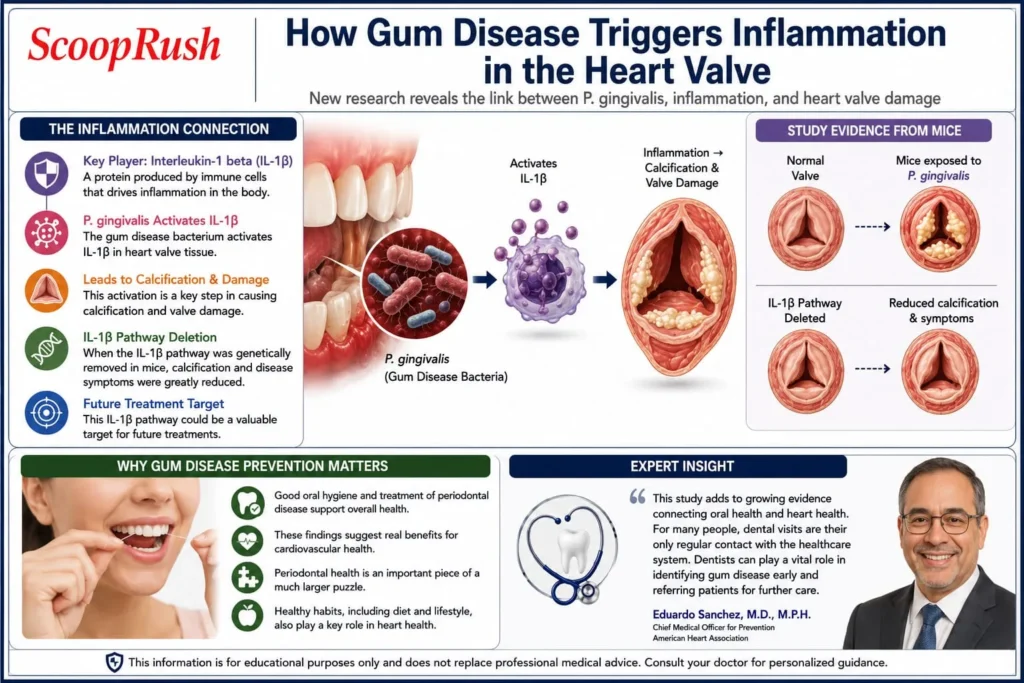
One of the most important discoveries in this study involves inflammation, specifically a protein called interleukin-1 beta, or IL-1β . Immune cells produce this protein mainly, and it plays a major role in promoting inflammation throughout the body.
Researchers found that P. gingivalis activated IL-1β in the valve tissue of mice. This activation appears to be a key step in how the bacteria contributes to calcification and valve damage.
To confirm this, scientists genetically deleted the IL-1β pathway in some mice. The results were significant. Even when P. gingivalis was still present, valve calcification and disease symptoms were greatly reduced. This suggests that IL-1β may serve as an important mediator between the bacterial infection and the resulting heart damage.
As a result, this pathway could become a valuable target for future treatments, even before doctors fully understand every step of the disease process. Interestingly, calcium regulation and mineral buildup play a role in other parts of the body too, much like how vitamin A supports healthy development in the eyes, reminding us how interconnected the body’s biological systems really are.
Why Gum Disease Prevention Matters for Heart Health
Li summarized the practical takeaway in simple terms: take good care of your oral health. Good oral hygiene and proper treatment of periodontal disease are already known to support overall health. However, these findings suggest they may also carry real benefits for cardiovascular health.
It’s important to note that it’s still too early to recommend specific treatments aimed at preventing CAVS through dental care alone. Even so, the findings point toward periodontal health being an important piece of a much larger puzzle. Diet also plays a supporting role in overall wellness, and research on extreme eating patterns like no-sugar diets shows how lifestyle choices can influence long-term health outcomes in unexpected ways.
Eduardo Sanchez, M.D., M.P.H., chief medical officer for prevention at the American Heart Association, echoed this sentiment. He noted that this study adds to growing evidence connecting oral health and heart health. Additionally, he pointed out that for many people, dental visits are their only regular contact with the healthcare system. Because of this, dentists could play a valuable role in identifying gum disease early and referring patients for further care before larger health problems develop.
Oral Health and Heart Valve Disease: What’s Being Done
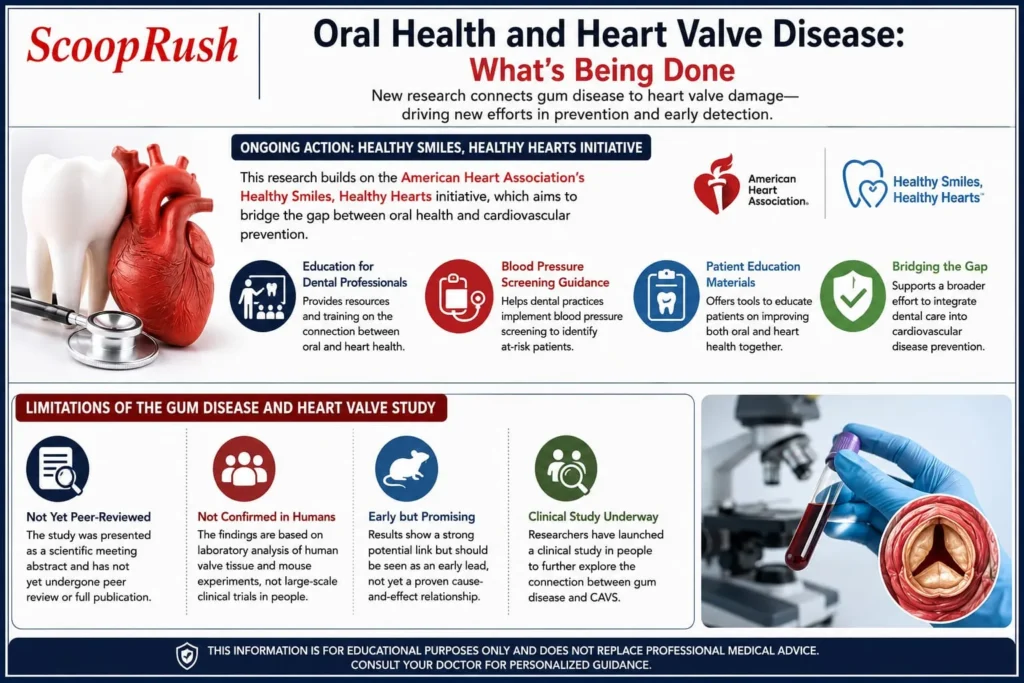
This research builds on the American Heart Association’s ongoing Healthy Smiles, Healthy Hearts initiative.: The program supports dental professionals with education about the connection between oral and cardiovascular health.
The initiative also includes blood pressure screening guidance for dental practices, along with patient education materials aimed at improving both oral and heart health simultaneously. Therefore, this new study fits into a broader effort to bridge the gap between dental care and cardiovascular prevention. Preventive health strategies like these echo the value of early detection seen in other fields, such as how monitoring aging muscle stem cells can help researchers understand and address age-related decline before it becomes severe.
Limitations of the Gum Disease and Heart Valve Study
While the findings are compelling, it’s essential to understand their current limitations.Scientists presented this research as a scientific meeting abstract, meaning it has not yet gone through peer review or appeared as a full journal paper.
Additionally, researchers have not yet confirmed the results in humans. They established the connection through laboratory analysis of human valve tissue combined with mouse experiments, not through large-scale human clinical trials.
Recognizing this gap, the research team has already launched a clinical study in people to further investigate the relationship between gum disease and CAVS. : Until those results are available, readers should view the findings as an early but promising lead rather than a confirmed cause-and-effect relationship.
Conclusion
This emerging research offers a fascinating look at how oral health may influence conditions far beyond the mouth. Scientists identified P. gingivalis, a bacterium linked to gum disease, as being unusually present in calcified aortic valves affected by CAVS.
Mouse studies further revealed that this bacterium can trigger inflammation through the IL-1β pathway, leading to valve calcification and stenosis symptoms. Encouragingly, both antibiotic treatment and genetic removal of this inflammatory pathway reduced these effects.
Although further human research is still needed, the message for now remains simple and practical. Maintaining good oral hygiene and treating gum disease promptly may offer benefits that extend well beyond a healthy smile, potentially supporting long-term heart health as well.
FAQs
Can gum disease really cause heart valve problems?
New preliminary research suggests a possible link between gum disease bacteria and calcific aortic valve stenosis. However, this connection has only been shown in laboratory and mouse studies so far, not confirmed in large human trials.
What is Porphyromonas gingivalis?
Porphyromonas gingivalis, or P. gingivalis, is a bacterium known for causing gum inflammation and tissue destruction in people with periodontal disease. It has also been linked to broader inflammation and cardiovascular risk.
What is calcific aortic valve stenosis (CAVS)?
CAVS is a condition where the aortic valve thickens and calcifies over time, restricting blood flow from the heart. It can lead to fatigue, chest pain, shortness of breath, and in severe cases, heart failure.
Is there a treatment to prevent CAVS?
Currently, there are no medications proven to prevent or slow the progression of CAVS. Valve replacement surgery remains the standard treatment for severe cases.
Should I visit the dentist more often because of this research?
While the findings are still preliminary, maintaining good oral hygiene and treating gum disease is already known to support overall health. Regular dental visits may also help catch periodontal issues early, which could carry added benefits for heart health.

