
The CENTCOM Iran Strategy has drawn fresh attention after senior US military leaders asked analysts for new ideas to increase pressure on Iran. The request came as Washington reviews its military and diplomatic approach after weeks of conflict. Officials believe current efforts have delivered limited results.
A senior officer in the US Central Command intelligence branch sent the message to a broad group of military analysts. The email encouraged creative and unconventional thinking beyond traditional military planning. While CENTCOM said innovation remains part of its culture, several officials described the request as an unusual step during an ongoing conflict.
CENTCOM Iran Strategy Highlights Review of Current Approach
The email reflected a broader review of US policy toward Iran. Military planners continue assessing whether current operations can achieve Washington’s strategic goals. Officials want fresh ideas as they examine military, diplomatic, and economic options.
CENTCOM spokesperson Captain Timothy Hawkins defended the approach. He said Admiral Brad Cooper regularly seeks input from personnel across different ranks. According to Hawkins, diverse perspectives often improve operational planning and help commanders respond to changing situations.
CENTCOM Iran Strategy Faces Limits of Military Pressure
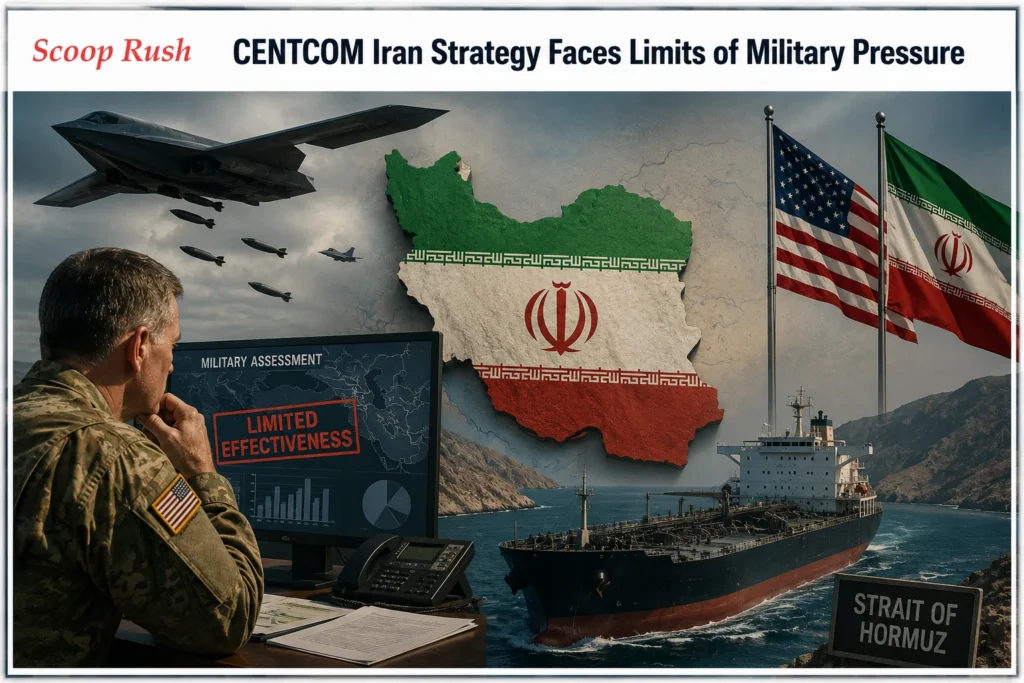
US intelligence assessments have raised concerns about the effectiveness of the current air campaign. Officials reportedly concluded that continued strikes alone are unlikely to force Iran into accepting US demands. They also believe military action may not resolve tensions surrounding commercial shipping in the Strait of Hormuz.
These findings have encouraged military leaders to explore additional options. Officials continue balancing military pressure with diplomatic efforts instead of relying on one approach. The review reflects growing recognition that the conflict remains difficult to resolve through force alone.
Trump Weighs Military Action and Diplomatic Talks
President Donald Trump recently warned that Iran could face additional military strikes. However, he later canceled a planned attack after discussions with regional leaders. Reports said Saudi Crown Prince Mohammed bin Salman urged the president to reduce tensions and avoid further escalation.
Trump also announced that US and Iranian officials expected to resume discussions on the Strait of Hormuz and Iran’s nuclear program. The administration hopes diplomacy can produce progress while military forces remain prepared if negotiations fail.
Larger Air Campaign Remains Under Consideration
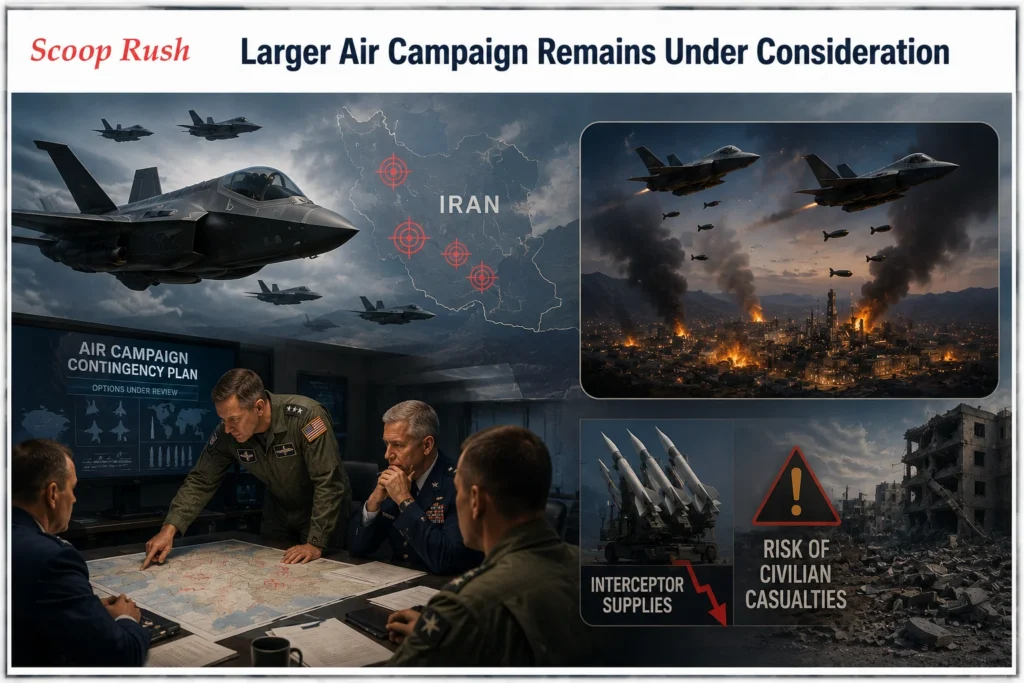
Military officials have developed contingency plans for a broader air campaign. One proposal reportedly includes one or two weeks of heavy bombardment targeting Iran’s remaining missile infrastructure. The objective would involve reducing Tehran’s military capabilities rather than seeking immediate regime change.
The White House has not approved the proposal. Senior commanders have expressed concern about shrinking supplies of air-defense interceptors. Officials also warned that strikes against major infrastructure could increase civilian casualties and create wider humanitarian consequences.
Underground Nuclear Facilities Present New Challenges
Iran’s deeply buried nuclear facilities remain another major concern for military planners. Intelligence sources believe some underground sites may survive conventional airstrikes because of their depth and reinforced construction.
Officials said eliminating those facilities could require ground operations. Such a mission would expose American troops to greater danger and carry significant political risks. For that reason, military planners continue evaluating alternatives before recommending any major escalation.
Negotiations Continue Alongside Military Planning
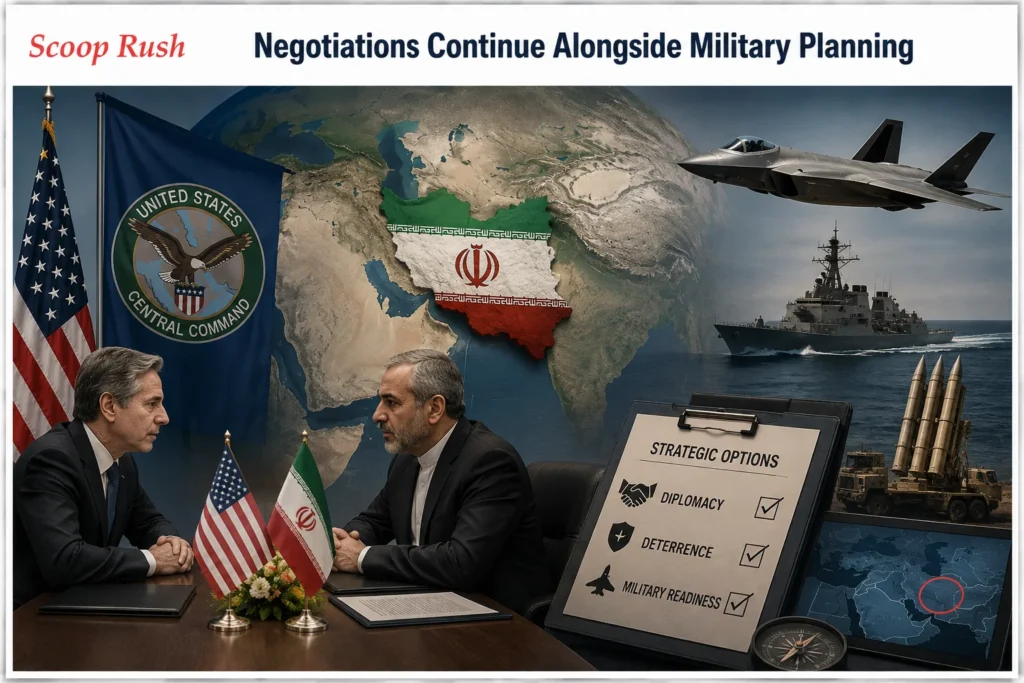
Despite military preparations, diplomacy remains an important part of the CENTCOM Iran Strategy. Officials believe negotiations offer the best chance to reduce regional tensions without expanding the conflict. Talks continue to focus on maritime security and Iran’s nuclear activities.
Military pressure remains available if diplomatic efforts fail. However, officials appear increasingly focused on combining deterrence with negotiations instead of relying exclusively on force. That balanced approach could shape US policy in the coming weeks.
Why the Analyst Email Stands Out
Military organizations regularly encourage innovation. However, broad requests for strategic ideas rarely reach large groups of intelligence analysts during active operations. That unusual step has attracted attention from defense observers and former military officials.
The request also reflects the complex challenges facing US policymakers. Intelligence assessments suggest that existing military operations have achieved only limited strategic progress. As a result, commanders continue reviewing every available option before recommending the next phase of US policy.
What Comes Next for the CENTCOM Iran Strategy
The administration now faces several difficult choices. It can expand military operations, maintain limited strikes while pursuing diplomacy, or seek a negotiated agreement that falls short of its original objectives. Each option carries significant political and security risks.
For now, officials continue reviewing recommendations from military planners while diplomatic contacts remain active. Future decisions will likely depend on developments in negotiations, regional security conditions, and intelligence assessments regarding Iran’s military capabilities.
Conclusion
The CENTCOM Iran Strategy continues to evolve as US officials reassess their approach toward Iran. Military leaders are reviewing fresh ideas after intelligence reports suggested that current airstrikes alone may not achieve Washington’s strategic goals. At the same time, commanders continue preparing military options while supporting diplomatic efforts.
The administration now faces difficult decisions that could shape the next phase of the conflict. Expanding military operations, maintaining limited strikes, or pursuing negotiations each carries significant risks. For now, the United States appears focused on keeping every option available while seeking a strategy that balances military pressure with diplomacy.
FAQs
1. Why did CENTCOM ask military analysts for creative and unconventional ideas?
CENTCOM requested new ideas because military leaders are reviewing their overall strategy toward Iran. Intelligence assessments suggested that current military operations alone may not achieve all US objectives. Officials wanted analysts from different ranks to contribute fresh perspectives that could support future planning.
2. What challenges does the current CENTCOM Iran Strategy face?
The biggest challenge is that continued airstrikes may not force Iran to change its negotiating position. Intelligence officials also believe military action alone cannot fully resolve tensions in the Strait of Hormuz. These concerns have encouraged leaders to explore additional diplomatic and strategic options.
3. Is the United States planning to launch a larger military operation against Iran?
Military planners have reportedly prepared options for a broader air campaign targeting Iran’s remaining missile capabilities. However, President Donald Trump has not approved those plans. Senior officials continue reviewing the military and political risks before making any final decision.
4. Why are Iran’s underground nuclear facilities difficult to target?
Several of Iran’s nuclear sites are built deep underground and protected by reinforced structures. Military experts believe conventional airstrikes may not completely destroy these facilities. Any attempt to eliminate them could require far riskier military operations.
5. What role does diplomacy play in the CENTCOM Iran Strategy?
Diplomacy remains an important part of the current US approach. American officials continue pursuing talks with Iran on issues including the Strait of Hormuz and Tehran’s nuclear program. The administration hopes negotiations can reduce tensions while maintaining military readiness if discussions fail.

