
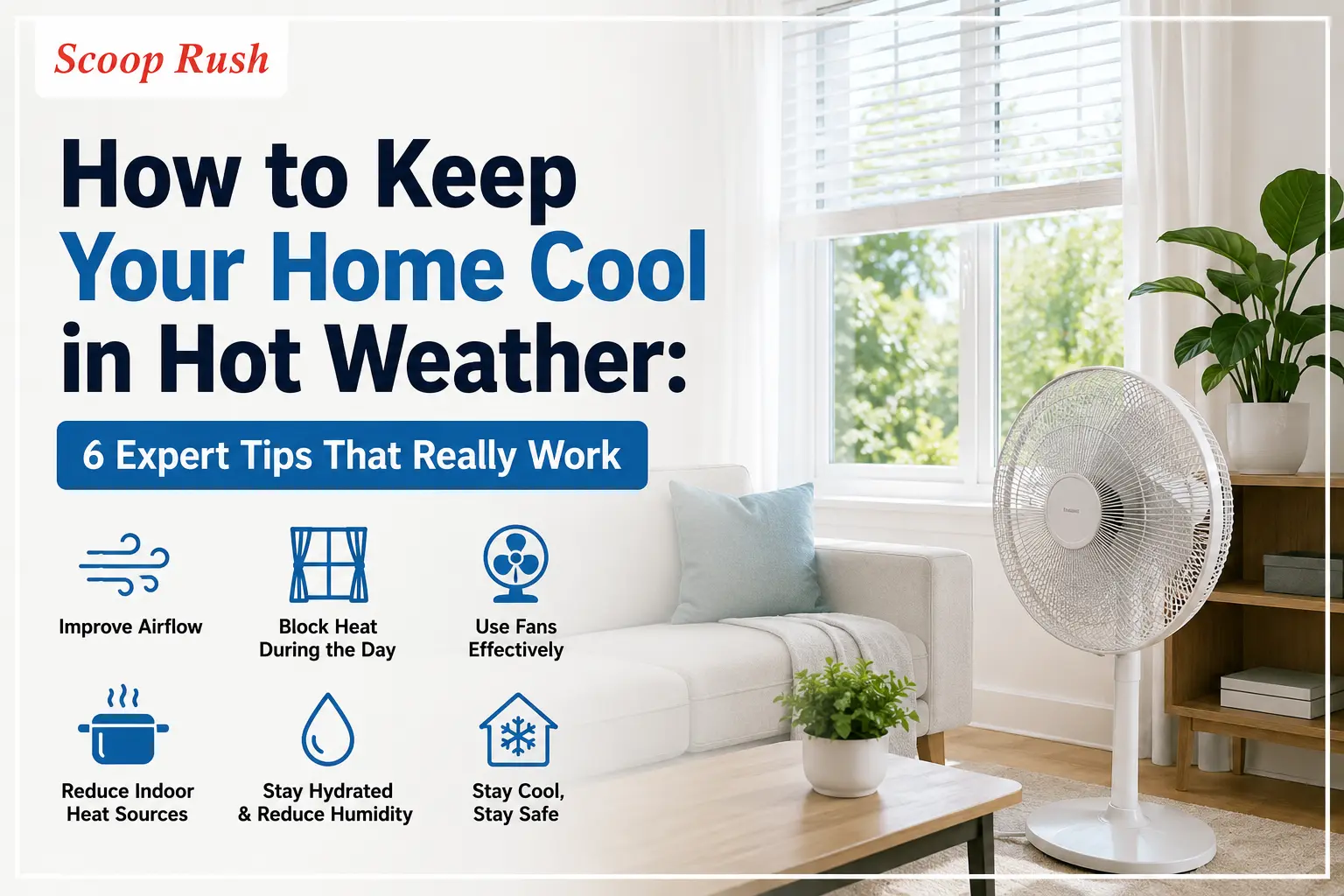
Rising Temperatures? These Simple Cooling Tricks Can Make a Big Difference
When temperatures climb and heatwaves settle in, keeping your home comfortable can feel like a daily challenge. Many people immediately think of air conditioning as the only solution. However, experts say there are several simple, low-cost ways to stay cool while reducing energy use.
From improving airflow to using fans more effectively, small adjustments can help lower indoor temperatures and improve comfort during hot weather. These practical strategies are especially useful for people looking to stay cool without significantly increasing electricity bills.
Why Keeping Cool Matters During Hot Weather
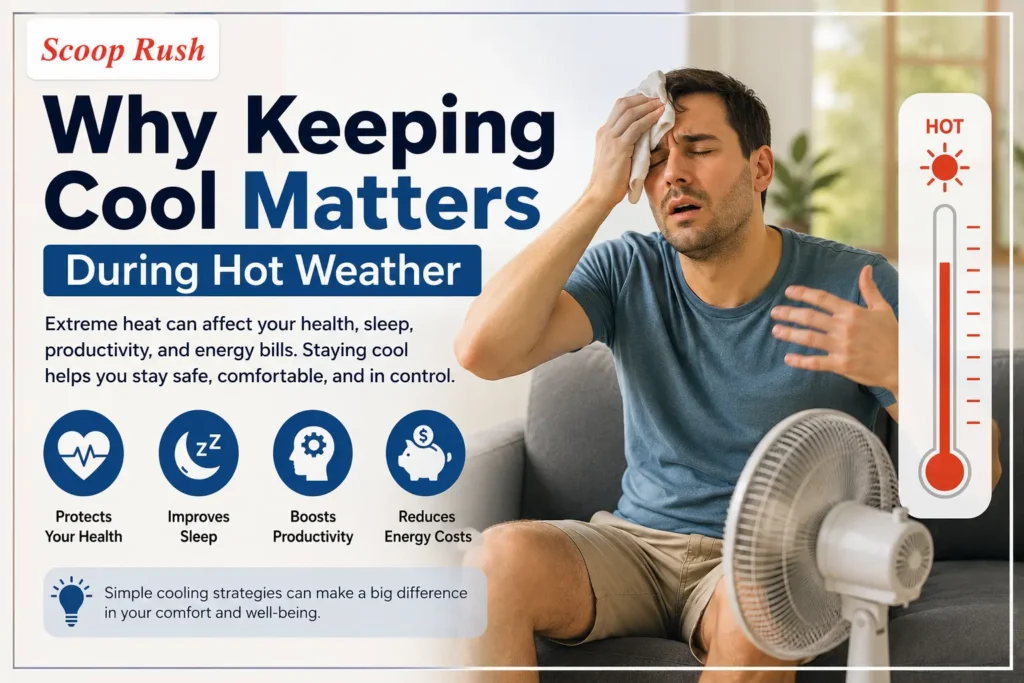
Extreme heat is more than just uncomfortable. It can affect sleep, reduce productivity, and increase the risk of heat-related illnesses. Homes can trap heat throughout the day, making indoor temperatures remain high long after the sun goes down.
Fortunately, experts recommend several straightforward methods that can help reduce heat buildup and improve air circulation. Many of these solutions cost little or nothing to implement. It is also worth knowing that heat and humidity risks for seniors are especially serious, as older adults are far more vulnerable to dangerous indoor temperatures.
Let in Cool Air and Improve Airflow
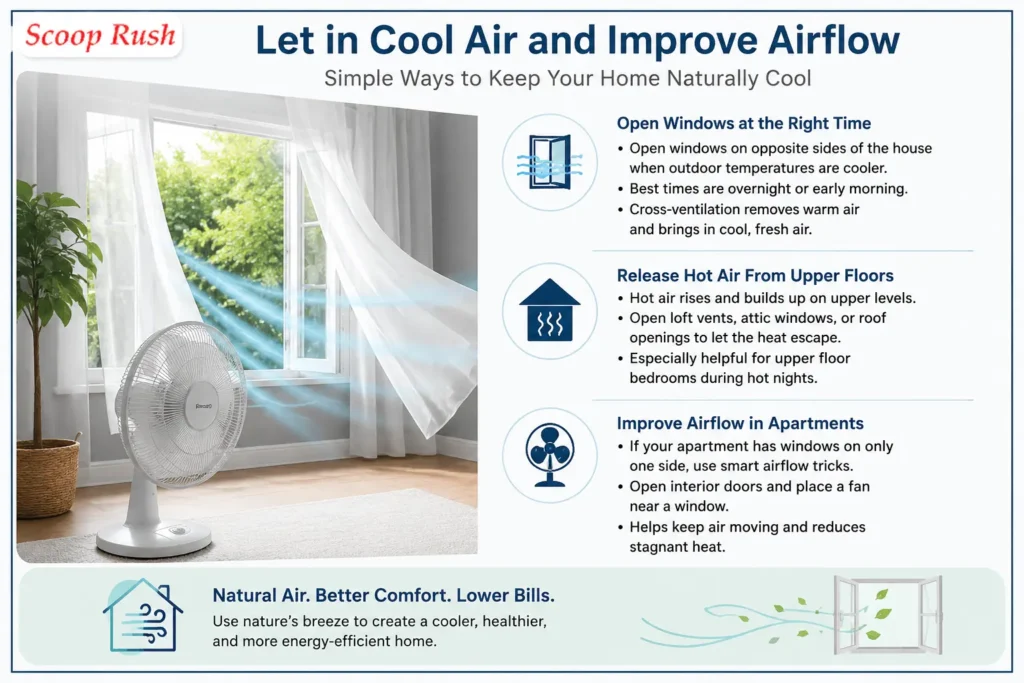
One of the most effective natural cooling methods is to encourage airflow throughout the home.
Open Windows at the Right Time
Experts recommend opening windows on opposite sides of the house when outdoor temperatures are cooler than indoor temperatures. This usually happens overnight or during the early morning hours.
Creating this cross-ventilation allows trapped warm air to escape while cooler air enters the home. As a result, rooms can feel fresher and more comfortable without relying on mechanical cooling.
Release Hot Air From Upper Floors
Because hot air naturally rises, upper levels of a home often become much warmer than lower floors.
If your home has loft vents, attic windows, or roof openings, opening them can help release accumulated heat. This strategy is particularly useful for bedrooms located on upper floors where sleeping conditions can become uncomfortable during hot nights.
Improve Airflow in Apartments
People living in apartments or flats with windows on only one side can still improve ventilation.
Opening interior doors and strategically placing a fan near a window can help move air through the living space and reduce stagnant heat.
Keep Hot Air Out During the Day
While opening windows can help during cooler hours, experts advise doing the opposite during the hottest part of the day.
Close Windows and Curtains
As temperatures rise, keeping windows shut prevents hot outdoor air from entering.
At the same time, closing curtains, blinds, or shades blocks direct sunlight from heating indoor spaces. This is particularly important for windows that face the sun for extended periods.
By limiting solar heat gain, homeowners can keep indoor temperatures lower throughout the afternoon.
Use Window Coverings Strategically
Curtains and blinds act as barriers against sunlight. Therefore, keeping them closed in sunny rooms can significantly reduce heat buildup.
This simple step often provides immediate relief and can lessen the need for air conditioning.
Use Fans to Enhance Cooling
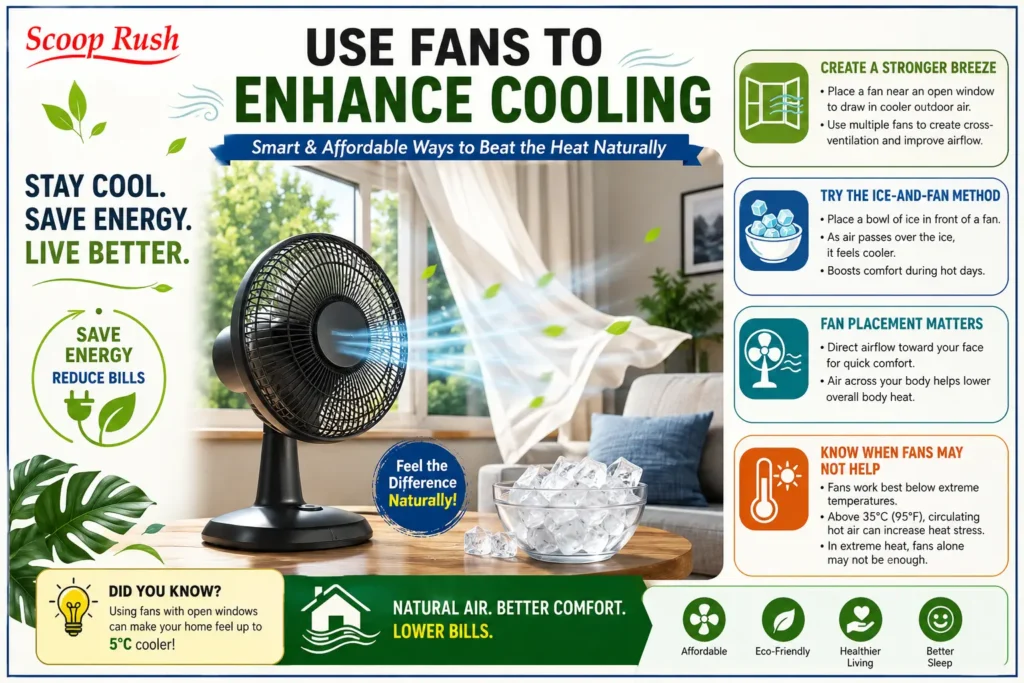
Fans remain one of the most affordable and energy-efficient cooling tools available.
Create a Stronger Breeze
Positioning a fan near an open window can help draw cooler outside air into a room when outdoor temperatures are lower.
Meanwhile, using multiple fans can create a stronger cross-current that improves air circulation throughout the house.
Try the Ice-and-Fan Method
Experts also suggest placing a bowl of ice or ice cubes in front of a fan.
As air moves across the ice, it can feel noticeably cooler. Although this method does not lower room temperature significantly, it can improve personal comfort during hot periods.
Fan Placement Matters
According to heat experts, directing airflow toward the face can improve thermal comfort quickly.
However, moving air across the entire body may help lower body temperature more effectively.
Know When Fans May Not Help
Fans are most effective when temperatures remain below extreme levels.
When temperatures rise above 35°C (95°F), circulating hot air may actually increase heat stress. In these situations, fans alone may provide limited relief.
Limit Activities That Generate Heat
Many everyday activities add unnecessary heat to indoor spaces.
Reduce Cooking During Peak Heat
Ovens and stovetops generate substantial heat while in use. They also continue releasing heat after cooking is finished.
For this reason, experts recommend choosing cold meals such as salads during the hottest parts of the day.
This approach helps keep kitchens cooler while reducing overall indoor heat.
Delay Heat-Producing Chores
Household appliances such as washing machines and dishwashers also contribute to rising indoor temperatures.
Whenever possible, run these appliances during cooler morning or evening hours instead of during peak afternoon heat.
Reduce Indoor Humidity
Heat often feels worse when humidity levels are high.
Humidity makes it harder for sweat to evaporate, which reduces the body’s natural cooling ability.
Simple Ways to Lower Humidity
Experts recommend several easy steps:
- Take shorter and cooler showers
- Wipe excess water from bathroom and kitchen surfaces
- Move indoor plants outdoors temporarily when possible
These small changes can help reduce moisture levels and improve comfort indoors.
Understand the Difference Between Heat Exhaustion and Heatstroke
Hot weather can lead to serious health problems if precautions are not taken.
Signs of Heat Exhaustion
Common symptoms include:
- Feeling faint or dizzy
- Heavy sweating
- Clammy skin
- Nausea or vomiting
- Muscle cramps
Heat exhaustion is usually manageable if the person cools down quickly and stays hydrated. People managing chronic conditions such as type 1 diabetes should be especially cautious, as heat can affect blood sugar levels and make symptoms worse.
Signs of Heatstroke
Heatstroke is a medical emergency.
Symptoms may include:
- Confusion
- Hot, dry skin
- Little or no sweating
- Body temperature above 40°C
- Loss of consciousness
- Seizures
Immediate emergency medical assistance is required if heatstroke is suspected.
Cool Your Body Safely
Keeping your body temperature under control is just as important as cooling your home.
Take Tepid Showers
Experts recommend tepid rather than extremely cold showers.
Very cold water can cause blood vessels near the skin to constrict, making it harder for the body to release internal heat.
A moderately cool shower helps lower skin temperature while allowing the body to continue cooling itself naturally.
Use Ice Packs Carefully
Applying a cold-water bottle or ice pack can provide quick relief.
However, experts suggest wrapping it in a towel before placing it against the skin to prevent discomfort or irritation.
Wear Clothing That Helps You Stay Cool
The clothes you wear can have a major impact on comfort during hot weather.
Choose Natural Fabrics
Materials such as cotton and linen help regulate body temperature because they allow air to circulate more freely.
Loose-fitting clothing also creates space for airflow, helping sweat evaporate more effectively.
Don’t Forget Bedding
Cotton bed sheets can improve sleeping comfort by allowing heat and moisture to escape more easily during warm nights.
Stay Hydrated Throughout the Day
Hydration plays a crucial role in helping the body manage heat.
Experts recommend drinking water regularly and choosing foods with high water content.
Fruits, vegetables, and other water-rich foods can help maintain hydration levels while supporting overall health. It is equally important to be careful about what supplements you take during hot weather, as some vitamins and minerals can affect kidney function and fluid balance. Learn more about the risks of taking too many vitamins and supplements before adding anything new to your routine.
Seek Out Cooler Public Spaces
Sometimes home cooling strategies are not enough.
Use Air-Conditioned Public Buildings
Libraries, shopping centers, and leisure facilities often provide air-conditioned environments where people can cool down safely.
These spaces can offer valuable relief during prolonged periods of extreme heat.
Community Cooling Spaces
Some cities have established dedicated “cool spaces” that are open to the public during heatwaves.
These locations provide a safe environment for individuals who may struggle to keep their homes cool.
Conclusion
Keeping your home cool during hot weather does not always require expensive equipment or constant air conditioning. Experts recommend focusing on airflow, blocking heat during the day, using fans effectively, reducing indoor heat sources, and taking steps to cool your body safely.
Simple measures such as opening windows during cooler hours, closing curtains during the day, choosing lightweight clothing, and staying hydrated can make a significant difference. By combining these strategies, households can stay more comfortable, reduce energy use, and better protect themselves from the risks associated with extreme heat.
FAQs
1. What is the best way to cool a house naturally?
Opening windows on opposite sides of the house during cooler hours creates cross-ventilation, which helps remove trapped heat and bring in cooler air.
2. Should windows stay open during a heatwave?
Windows should generally remain closed during the hottest part of the day and opened when outdoor temperatures become cooler than indoor temperatures.
3. Do fans actually lower room temperature?
Fans do not significantly lower room temperature, but they improve air movement and help people feel cooler.
4. Why does humidity make hot weather feel worse?
Humidity reduces the evaporation of sweat, making it harder for the body to cool itself naturally.
5. What is the difference between heat exhaustion and heatstroke?
Heat exhaustion causes symptoms such as dizziness and heavy sweating, while heatstroke is a medical emergency that may include confusion, high body temperature, and loss of consciousness.

