
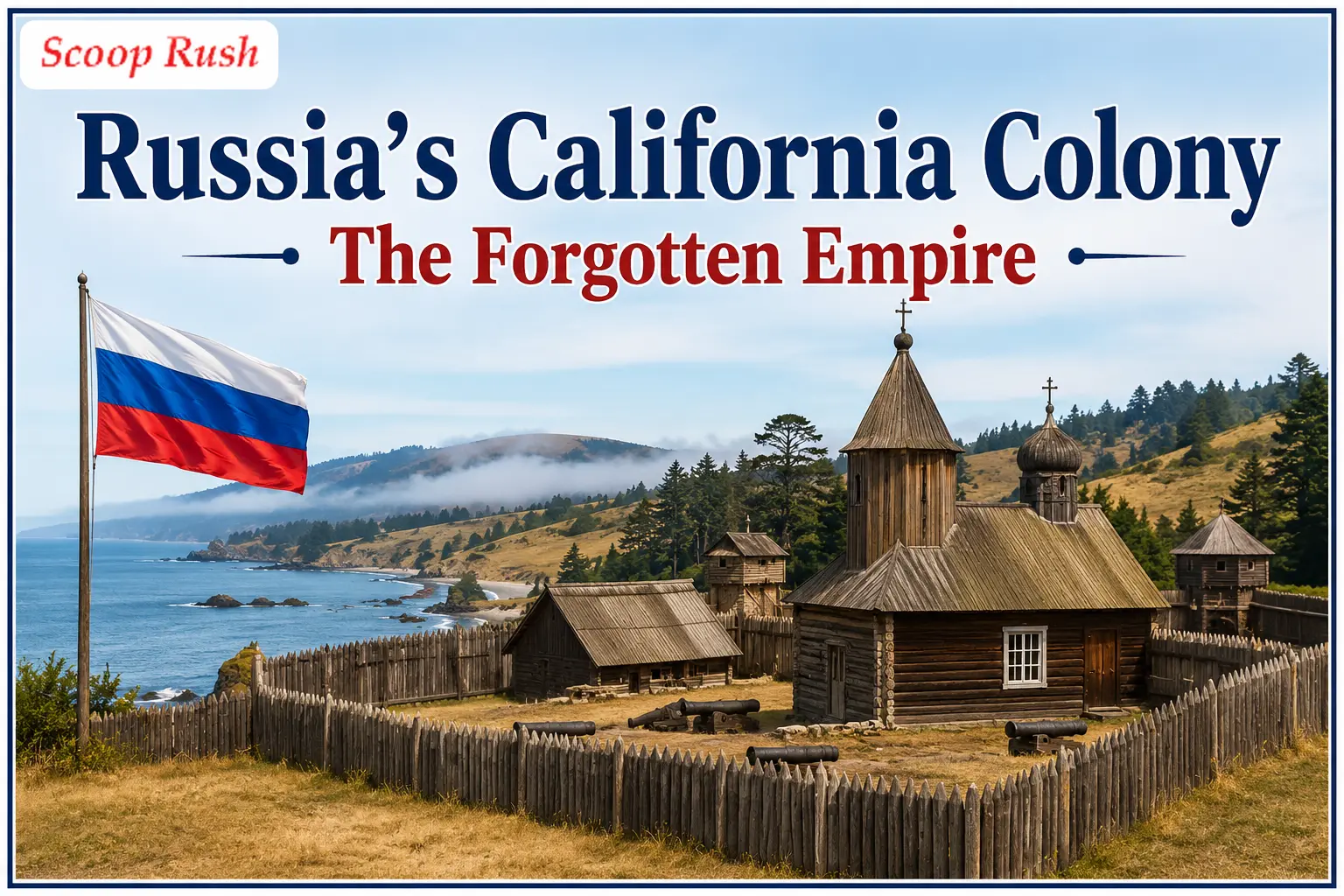
Fort Ross stands as one of California’s most unusual travel destinations. Long before American settlers arrived, Russia built a colony on the Sonoma Coast. From 1812 to 1841, the Russian-American Company ran this remote outpost. Today, Fort Ross remains a fascinating stop for anyone exploring Northern California history.
The colony was never meant to conquer California for Russia. Instead, officials wanted steady food supplies and sea otter pelts. Fort Ross also supported Russia’s wider trade network across the Pacific. Its short but rich history still shapes Sonoma Coast tourism today.
Russia’s Push South From Alaska
Russia expanded into Alaska during the late 1700s. Fur traders chased the region’s valuable sea otter population. The Russian-American Company soon controlled most of Russia’s North Pacific trade. This growth, however, created a major problem back home.
Alaska’s harsh climate made farming nearly impossible. Food shortages became a constant worry for Russian settlers. As a result, company leaders searched for milder land further south. California offered better weather, fertile soil, and easy Pacific access.
The Founding of Fort Ross in 1812
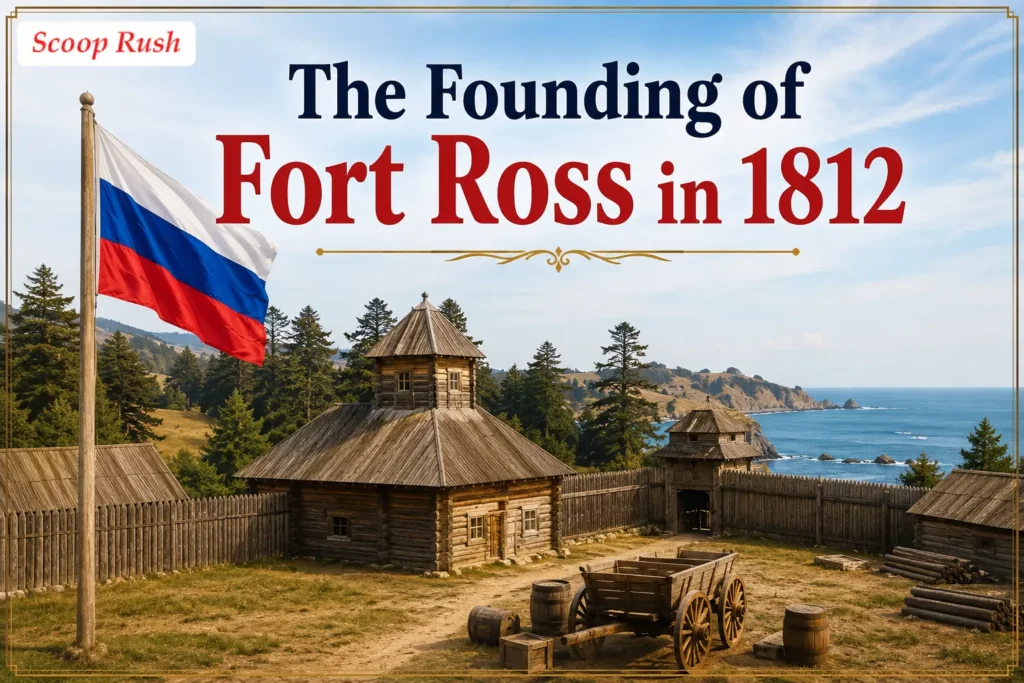
Ivan Kuskov led the expedition that founded Fort Ross in 1812. His group included 25 Russians and about 80 Native Alaskans. Together, they built a settlement near the Kashia Pomo homeland. The Russians called it “Ross,” a nod to their homeland.
Americans later renamed the site Fort Ross. It quickly became Russia’s southernmost outpost in North America. For travelers today, this small stretch of coastline holds a surprisingly deep history. Few places in California blend Russian, Native, and Pacific stories so closely.
Why Russia Chose the Sonoma Coast
The Sonoma Coast offered clear advantages for a new colony. Thick redwood forests provided strong building material nearby. Fresh water, open pasture, and farmland supported daily life. These resources made the site practical for long-term settlement.
The coastline also gave access to rich marine life. Sea otters remained the company’s most valuable resource. Leaders also hoped to grow wheat and other crops. These supplies were meant to feed Russian colonies back in Alaska.
A Multicultural Settlement
Fort Ross grew into a genuinely diverse community. Russians, Native Alaskans, and local Native groups lived side by side. People of mixed Russian and Native heritage also called it home. This mix shaped daily life across the entire colony.
The Kashia Pomo played a central role in the settlement’s success. Many worked closely with Russian traders and workers. Family ties between Russian and Native residents grew over time. Fort Ross became a true meeting point of different cultures.
Life and Industry Inside Fort Ross
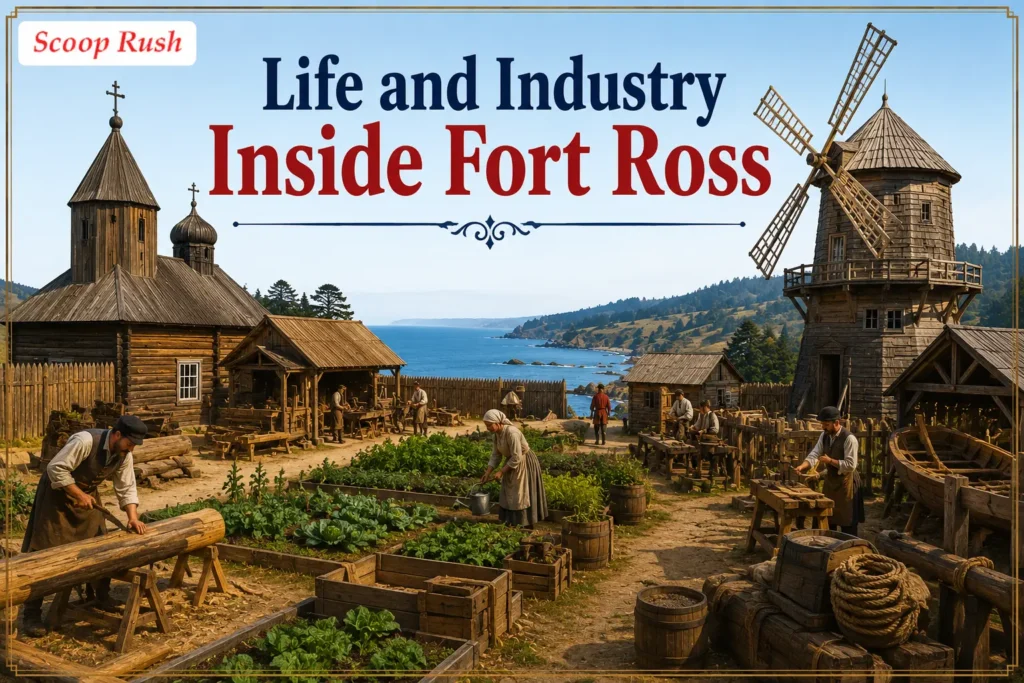
Fort Ross was far more than a simple fort. Workers built a wooden stockade with fortified blockhouses for defense. Homes, workshops, gardens, and storage buildings filled the grounds. Most structures used redwood harvested from nearby forests.
The settlement also supported shipbuilding and other trades. California State Parks notes its windmills as the state’s first. Gardens and farming operations ran alongside these industries. Together, they supported the colony’s wider commercial goals.
Trade and Relations With Spanish and Mexican California
The Russian-American Company managed all economic activity at Fort Ross. Workers produced food and gathered valuable natural resources daily. They also traded goods with nearby Mexican California settlements. This trade helped the colony stay self-sufficient.
Spain, and later Mexico, never fully accepted Russia’s presence. Still, no direct conflict ever broke out between them. Diplomacy and practical trade kept relations relatively calm. Distance also helped both sides avoid serious confrontation.
Decline of the Colony
Despite early hopes, Fort Ross never matched Russian expectations. Coastal fog and poor soil limited large-scale farming. Crop yields consistently fell short of what Alaska needed. This shortfall weakened the colony’s original purpose.
The sea otter population also declined sharply from overhunting. That drop hurt one of Russia’s key economic interests. Running a distant colony grew more expensive each year. Eventually, company leaders decided the settlement was no longer worth keeping.
Sutter’s Purchase and the End of Russian California
By the late 1830s, Russia actively looked for buyers. The Russian-American Company approached several potential purchasers. Mexico rejected the terms, and other buyers backed out too. This left the company searching for a new solution.
Captain John A. Sutter finally agreed to buy the company’s assets. The 1841 deal included buildings, livestock, and equipment. It did not, however, transfer legal ownership of the land. Mexico still held official claim to the territory.
Fort Ross State Historic Park Today
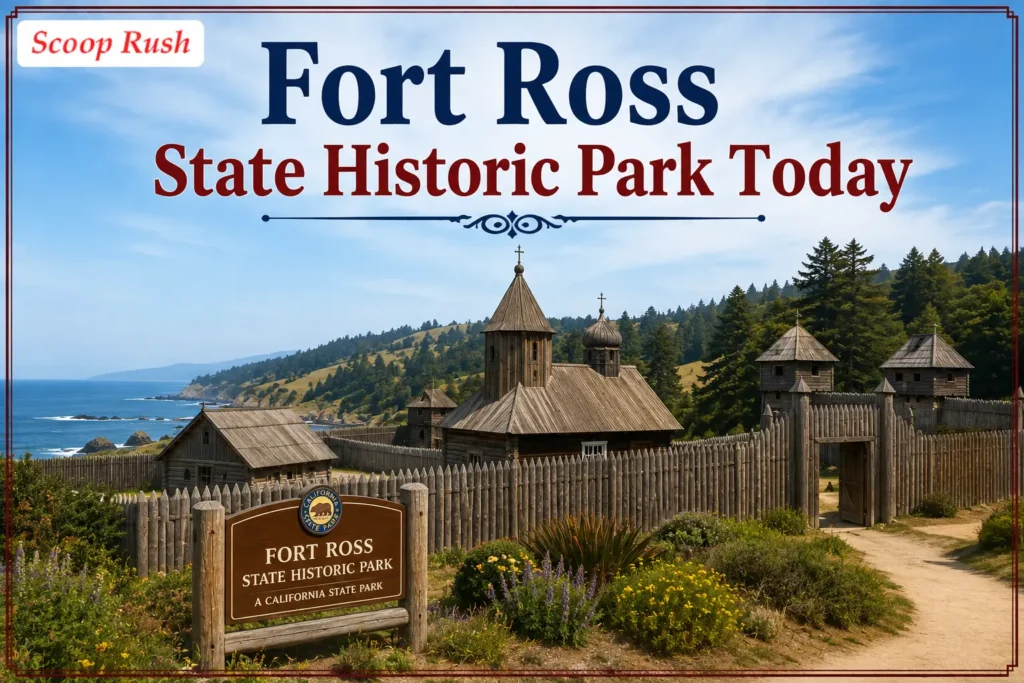
Fort Ross State Historic Park now welcomes visitors year-round. Guests can explore reconstructed sections of the original stockade. Highlights include the Russian Orthodox chapel and two restored blockhouses. The park offers a rare, hands-on history lesson by the sea.
For travelers planning a Sonoma Coast road trip, Fort Ross is a must-see stop. The park also honors the area’s deeper Indigenous history. This land remains the ancestral home of the Kashia Pomo people. Their story stays central to any visit today.
Russia’s Lasting Legacy in Northern California
Traces of Russian California still appear across the region today. San Francisco’s Russian Hill carries a familiar reminder of that era. The Russian River offers another lasting link to this history. Both names connect modern travelers to California’s Pacific past.
Fort Ross remains the clearest physical reminder of that period. California protects the site as a State Historic Park. It also earned National Historic Landmark status in 1961. For history lovers and road trippers alike, it remains well worth the visit.
Final Thoughts
Fort Ross tells a story most travelers never expect from California. Russia’s brief colonial chapter left a real mark on the Sonoma Coast. From redwood buildings to Native and Russian family ties, the site captures a complex past. It reminds visitors that California’s history reaches far beyond Spanish and American settlers.
A visit to Fort Ross offers more than old buildings and coastal views. It connects Alaska, California, Indigenous communities, and Pacific trade in one place. For anyone planning a Northern California road trip, this park adds real depth. Fort Ross remains a rare and rewarding stop on the Sonoma Coast.
FAQs
1. When was Fort Ross established?
Russia founded Fort Ross in 1812 on the Sonoma Coast. The Russian-American Company ran it until 1841.
2. Why did Russia build a colony in California?
Russia needed food for its Alaskan settlements. Officials also wanted sea otter pelts and new trade opportunities.
3. Who lived at Fort Ross?
Russians, Native Alaskans, and local Native communities all lived there. Many families had mixed Russian and Native heritage.
4. Who eventually bought Fort Ross?
Captain John A. Sutter purchased the company’s buildings and equipment in 1841. The deal did not include the land itself.
5. Is Fort Ross open for visitors today?
Yes, Fort Ross State Historic Park is open to the public. Visitors can tour original and reconstructed historic buildings.

