
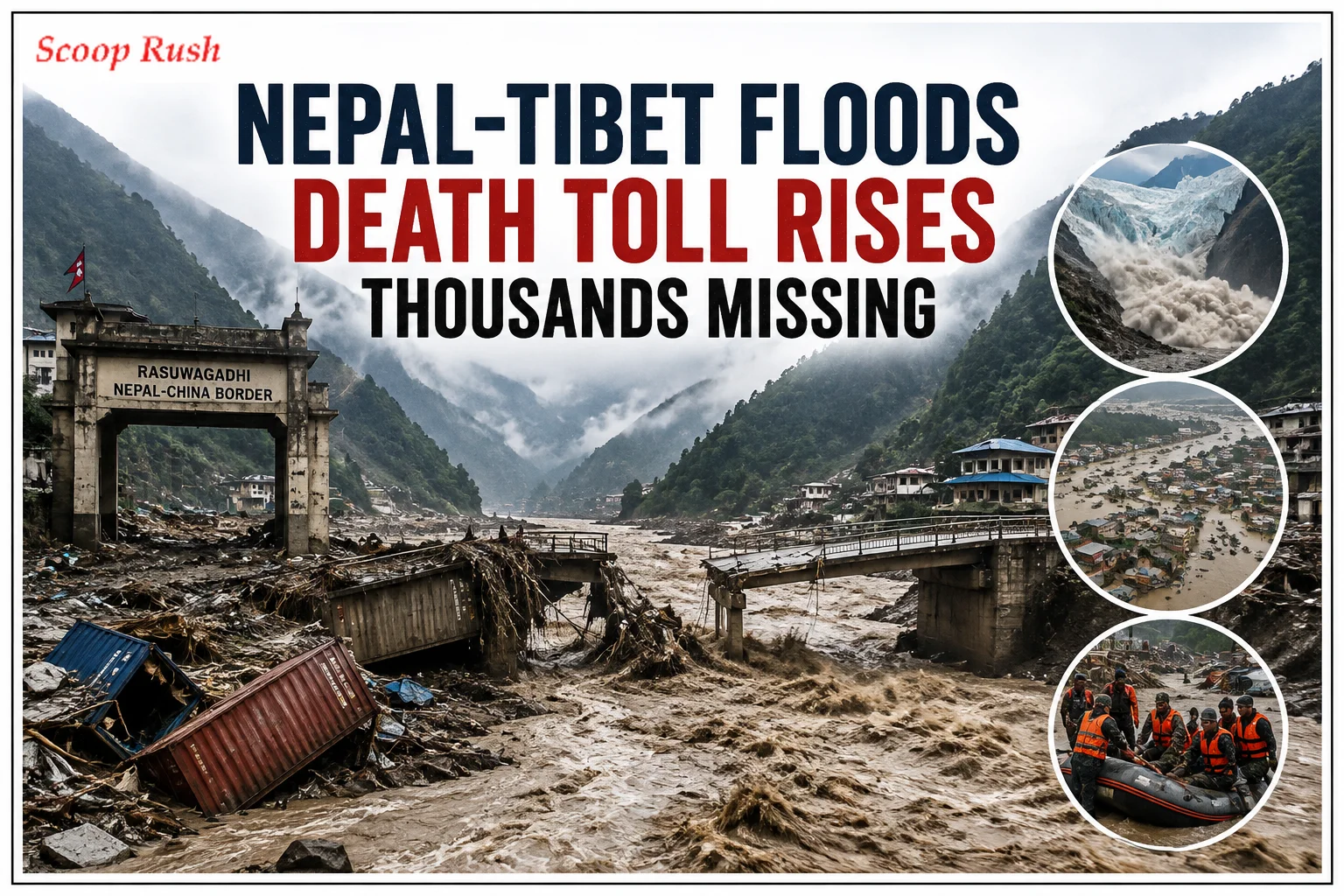
The Nepal-Tibet floods have caused widespread destruction along the Himalayan border. A glacier collapse triggered landslides and powerful flash floods on August 26, 2026. The disaster destroyed homes, roads, bridges, and critical infrastructure across the region.
At least 579 people have died, according to figures from Nepal’s National Disaster Risk Reduction and Management Authority. Nearly 1,924 people remain missing in Nepal. China reports five deaths and 558 missing people in Tibet. Authorities continue rescue operations as heavy rain threatens further flooding.
Nepal-Tibet Floods Begin After Glacier Collapse
The disaster began high in the Himalayas near the Nepal-China border. A large section of a glacier suddenly collapsed into a mountain valley. The collapse sent huge amounts of ice and rock into the river system.
The US Geological Survey initially recorded the event as a magnitude 4.4 earthquake, then updated its analysis to identify it as a glacial collapse that produced a magnitude 5.2 seismic signal, based on seismic station data and satellite imagery rather than an actual quake. Scientists believe the debris then blocked the Lhende River temporarily. Water gathered behind the debris before eventually breaking through.
Newly Formed Lakes Raise Fresh Flood Concerns
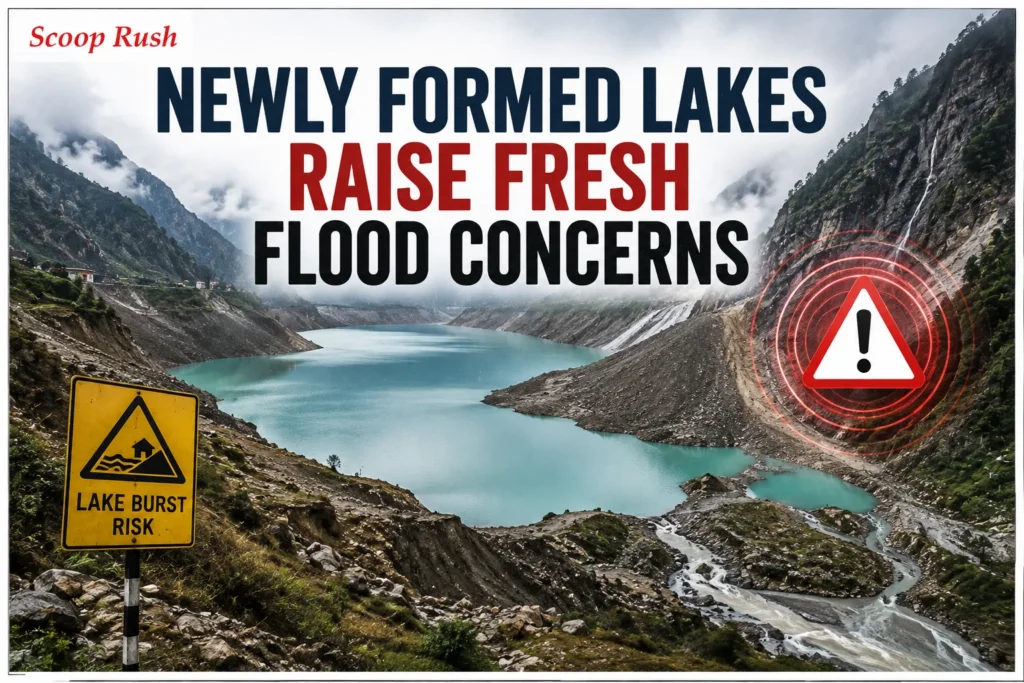
The landslide created new lakes near the affected river system. These lakes now pose another serious threat to communities downstream. Nepal’s disaster authority said one lake had formed at the site and was rising, raising concerns it could burst and send another surge downstream a risk that extends to communities along the Trishuli and Gandak river systems, including areas across the border in India.
Heavy rain could raise water levels further over the coming days. Authorities therefore remain concerned about another sudden flood. Rescue teams also face dangerous conditions around unstable slopes and river channels.
Floodwaters Tear Through the Border Region
Once the river barrier failed, water and debris rushed downstream. The resulting flood wave carried mud, rocks, trees, and other material. On one section of the Trishuli river, water levels reportedly rose by as much as 30 feet in half an hour. The surge quickly reached the Rasuwagadhi border area in Nepal.
The powerful current destroyed the Miteri Bridge between Nepal and China, an important trade and transport link in Rasuwa district. Floodwaters also damaged the nearby customs area, and cargo containers were swept into the river.
Rasuwagadhi Suffers Severe Infrastructure Damage
Rasuwagadhi became one of the most heavily affected areas near the border. Floodwaters overwhelmed buildings and transport infrastructure within minutes. Video footage showed enormous amounts of mud covering roads and surrounding structures.
The destruction has severely disrupted movement between Nepal and Tibet. Cross-border trade also faces major delays after the bridge collapse. Rescue crews must now work around damaged roads and unstable terrain, which have made access to affected communities much harder officials say dozens of bridges were destroyed and roughly 40 kilometres of roads were damaged.
Trishuli River Carries Destruction Downstream
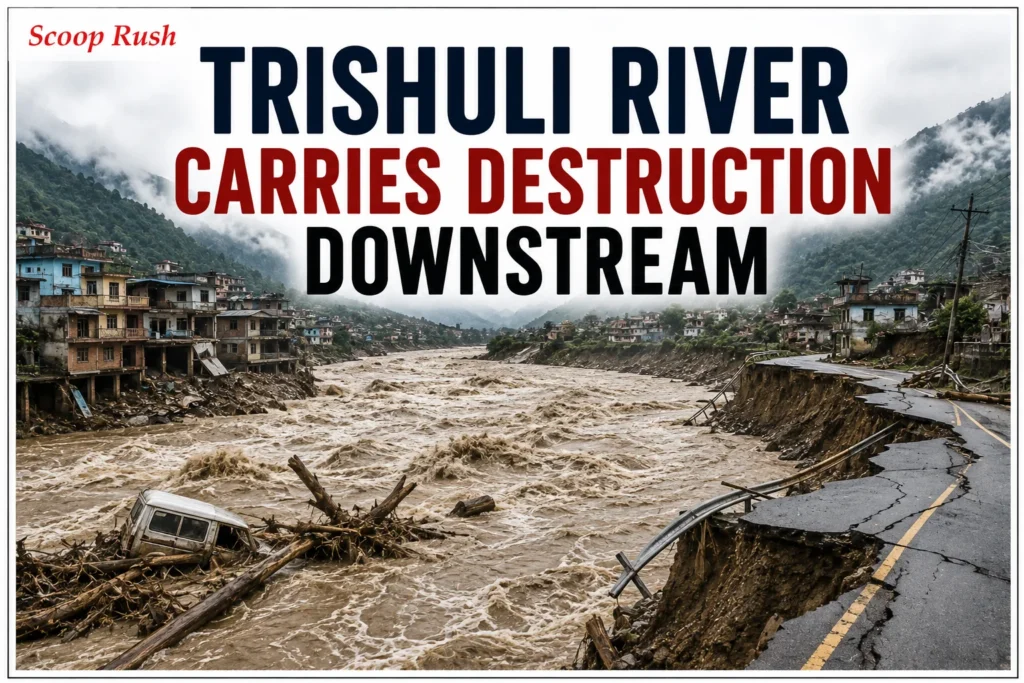
The disaster continued as floodwaters moved into major river systems. The Lhende River connects with the Bhote Koshi and Trishuli systems. These rivers carried enormous volumes of water and debris downstream.
Communities in Rasuwa and Nuwakot districts suffered extensive destruction. Homes, roads, vehicles, and other structures disappeared under the floodwater. Some residents had little warning before the surge arrived.
Nepal-Tibet Floods Damage Power Infrastructure
The floods also caused damage to Nepal’s hydropower infrastructure, including the Rasuwagadhi Hydropower Project. Other hydropower facilities downstream faced heavy impacts as well. (Note: reported figures on total megawatts lost vary by source and haven’t been independently confirmed here treat specific capacity numbers with caution until officially confirmed.)
Authorities now face this additional challenge while supporting rescue and recovery operations. Repairs could take considerable time if access remains difficult.
Roads Washed Away Across Northern Nepal
Flooding and landslides destroyed important sections of the Pasang Lhamu Highway, a vital access route toward the northern border region. Its damage has complicated rescue efforts across affected districts.
Secondary landslides have created additional hazards along damaged routes. Heavy machinery cannot easily reach some isolated communities. Rescue teams must therefore rely on helicopters and smaller access routes. Weather conditions could further complicate these operations.
Death Toll and Missing People Continue to Rise
Nepalese authorities reported at least 579 deaths as of Friday, August 28, with 579 bodies recovered and 101 injured people undergoing hospital treatment. The country’s disaster agency reported 1,924 missing people. These numbers could change as teams reach isolated locations and verify reports.
China reported five deaths and 558 missing people in Tibet. Authorities have not independently verified all figures between the two countries, and officials have noted some missing people could appear in both countries’ totals.
Foreign Tourists Among Those Reported Missing
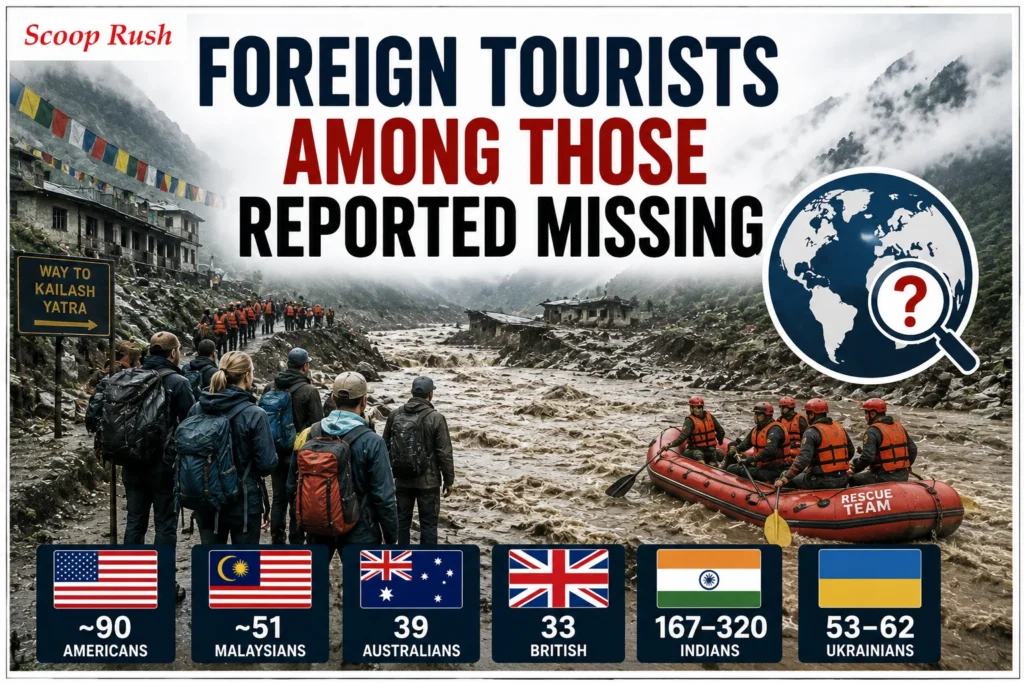
The floods have also affected international visitors travelling through northern Nepal. Nepal’s tourism board reported hundreds of foreign nationals among the missing, many of whom had been on mountain treks, pilgrimages, or other trips including groups headed to or from Mount Kailash.
Reported figures for missing nationals shifted throughout the week as counts were updated. As of the latest updates: the United States reported around 90 Americans missing, Malaysia around 51, Australia 39, and Britain 33. India and Ukraine’s totals were reported at different points ranging from roughly 167–320 and 53–62 respectively, depending on the update. Given how quickly these figures have moved, readers should treat any single snapshot as provisional rather than final.
Rescue Teams Face Dangerous Conditions
Nepal has expanded its rescue response across affected river communities, with reports of more than 15,000 security personnel deployed for search, rescue, and relief operations. Prime Minister Balendra Shah and his Council of Ministers pledged a month’s salary to the Prime Minister’s Disaster Relief Fund, and the Cabinet directed the Finance Ministry to prepare a relief and rehabilitation package for affected individuals and businesses.
Chinese authorities have also coordinated emergency operations following the disaster. International governments have offered assistance and emergency supplies, and India has been among the countries providing aid.
Weather Creates More Problems for Rescuers
Rescue teams face difficult weather across the mountainous disaster zone. Heavy rain can trigger additional landslides and sudden river surges. Poor visibility can also restrict helicopter operations.
Authorities must also monitor unstable areas above affected communities. Temporary river blockages could create new landslide dams. If those barriers fail, another flood could strike downstream settlements. Officials have urged affected communities to remain alert and follow evacuation warnings.
Climate Change Could Increase Glacier Risks
Scientists have linked rising temperatures with faster glacier loss, and the Hindu Kush Himalaya region has experienced significant warming. However, researchers say a direct causal link between climate change and this specific collapse has not been established, and more study is needed to understand the event’s exact triggers.
Warmer conditions can thin glaciers and weaken frozen mountain terrain. Melting permafrost can also reduce stability on steep slopes. These changes may increase the risk of landslides in some areas.
Nepal Faces a Long Recovery
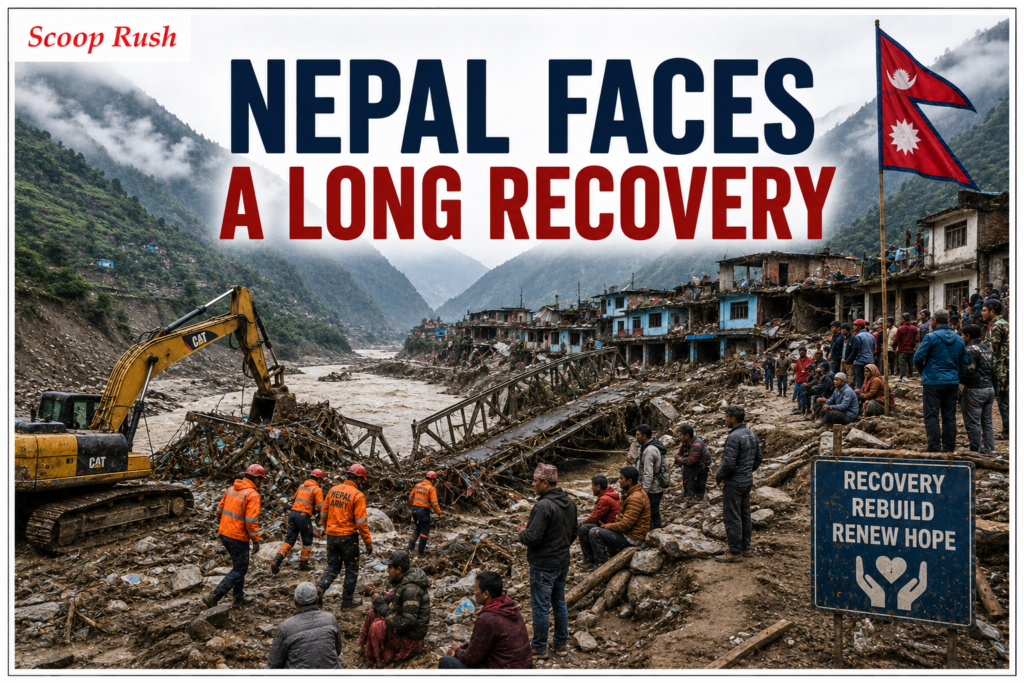
The immediate priority remains finding survivors and assisting displaced communities. Rescue crews continue searching riverbanks, damaged villages, and isolated areas. Authorities also need to restore roads and essential services.
The disaster has damaged transport, electricity, homes, and border infrastructure. Recovery will therefore require significant resources and coordination. Communities along the river system face an uncertain period ahead, and officials must also prepare for possible secondary flooding from the newly formed glacial lakes.
Nepal-Tibet Floods Show the Power of Mountain Disasters
The Nepal-Tibet floods demonstrate how quickly Himalayan disasters can spread downstream. A collapse high in the mountains triggered destruction many kilometres away. Rivers carried the resulting water and debris through several vulnerable communities.
The disaster also shows the dangers facing settlements near unstable mountain rivers. Early warnings and stronger monitoring could help reduce future risks. For now, rescue teams continue their difficult work across the affected region, focused on saving lives and preventing another catastrophe.
FAQs
1. What caused the Nepal-Tibet floods?
A glacier collapse triggered the disaster near the Nepal-China border on August 26, 2026. The collapse sent ice, rock, and debris into the river system, temporarily blocking it and building up dangerous water pressure before it broke through downstream.
2. How many people have died in the floods?
Nepalese authorities reported at least 579 deaths as of Friday, August 28. China separately reported five deaths in Tibet. Officials continue verifying figures as rescue teams reach affected areas, and the toll could still rise.
3. How many people remain missing?
Nepal’s disaster agency reported 1,924 missing people. Chinese state media reported another 558 missing in Tibet. Officials have warned that some figures may overlap between the two countries’ counts.
4. Could another flood happen in the region?
Yes. New lakes formed by the landslide could overflow or burst, and heavy rain could raise water levels and destabilize river channels further. Authorities continue monitoring these areas and warning downstream communities.
5. Did the floods affect foreign tourists?
Yes. Nepal’s tourism board reported hundreds of missing foreign nationals from more than 30 countries, including the United States, India, Ukraine, Malaysia, Australia, and Britain. Exact per-country figures have shifted as authorities update their counts.

