
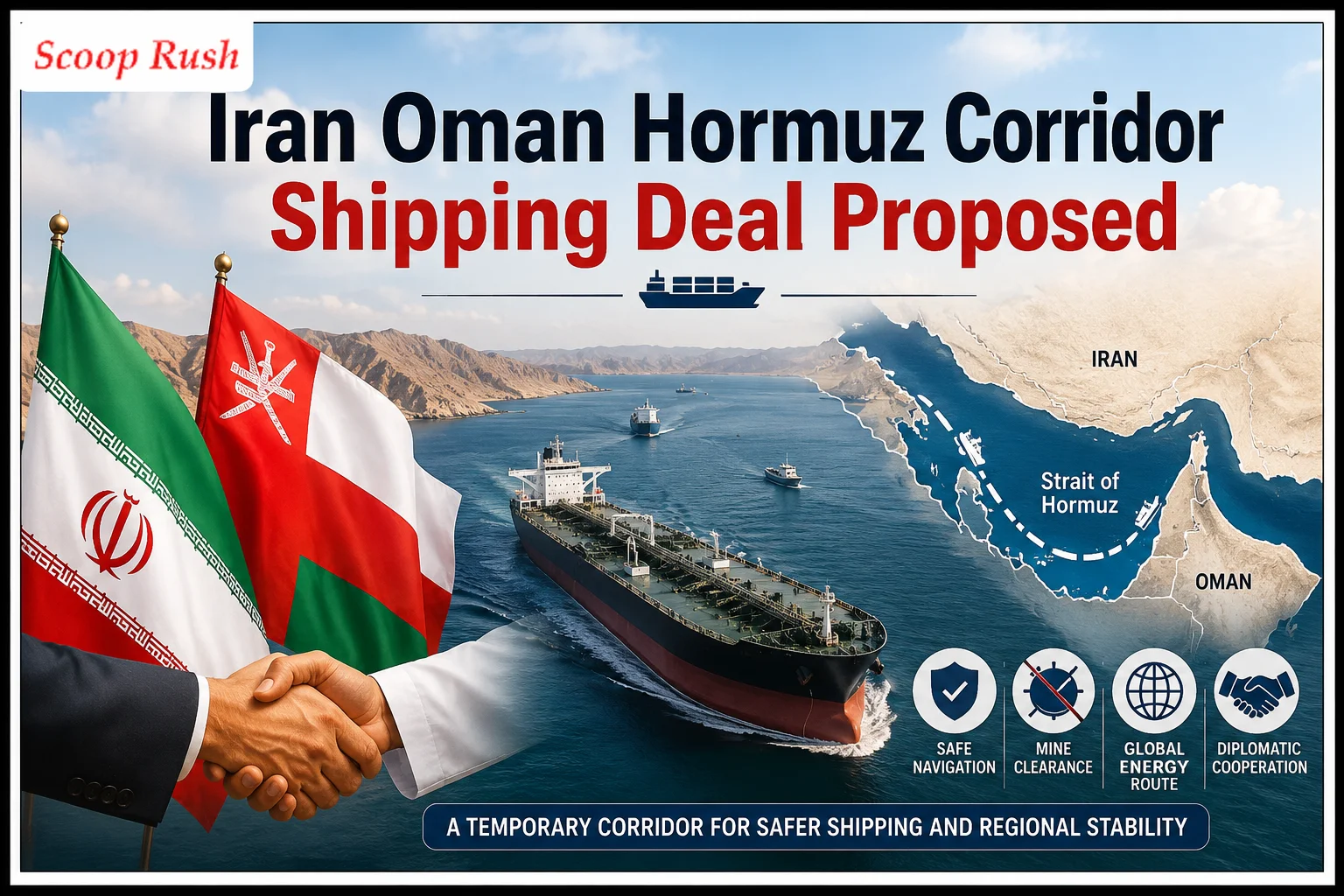
The Iran Oman Hormuz Corridor talks could open a temporary path through the Strait of Hormuz. Iran and Oman discussed a joint shipping corridor on August 25. Both sides also agreed to work on clearing naval mines from the waterway. However, major differences with the United States still block a wider agreement.
The Strait of Hormuz remains a major global energy route. Before the conflict, it carried about one-fifth of global oil and LNG shipments. Most commercial shipping has stayed disrupted since the war began. Therefore, any reopening could quickly affect energy markets worldwide.
Iran Oman Hormuz Corridor Proposal
Iranian Foreign Minister Abbas Araghchi met Omani Foreign Minister Sayyid Badr al-Busaidi in Tehran. Their talks focused on managing maritime traffic through the strategic waterway. Both sides discussed creating a temporary navigational corridor for ships. They also agreed to pursue mine-clearing work around the strait.
The proposal does not mean Hormuz will fully reopen. Instead, it offers a limited framework for safer maritime movement. Iran and Oman have held talks for several weeks now. Their latest meeting shows both countries still value diplomacy, even as the broader US-Iran dispute stays unresolved.
Why the Strait of Hormuz Matters
The Strait of Hormuz connects the Persian Gulf with the Gulf of Oman. Major energy producers depend on this narrow waterway for exports. Before the war, roughly one-fifth of global oil and LNG shipments crossed it. That makes the strait extremely important for global energy security.
Shipping disruptions can affect markets far beyond the Middle East. Tankers often need longer routes when Hormuz becomes unsafe. Insurance costs also rise when security risks increase. As a result, energy traders watch every development for signs of supply problems.
Mine Clearance Becomes a Key Issue
Mine clearance forms an important part of the proposed arrangement. Iran and Oman agreed to work on removing mines from the waterway. This move aims to reduce risks for commercial vessels using the temporary corridor. Safe navigation remains essential before shipping companies return in large numbers.
However, the mine issue has created conflicting claims. President Donald Trump said the United States had already cleared mines from the strait. He also warned against any attempt to place new mines. These comments show the sharp disagreement over maritime security, and mine clearance could soon become part of wider talks.
US and Iran Remain Far Apart
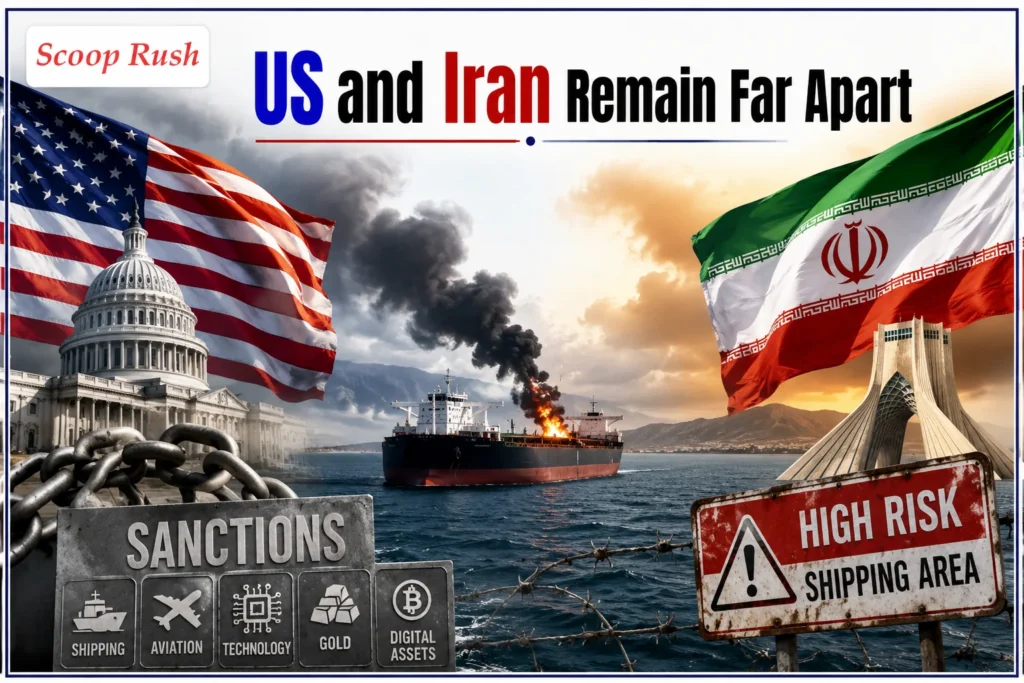
Despite the corridor proposal, Washington and Tehran have not reached a broader peace agreement. Active fighting has largely decreased, but tensions remain high. Commercial vessels still face serious risks near the waterway. A tanker suffered damage from an unidentified projectile near Oman on August 25.
The United States also continues to pressure Iran economically. Washington recently expanded sanctions across several sectors. These measures target shipping, aviation, technology, gold, and digital assets. Additionally, the administration warned countries that keep doing business with Iran.
New US Sanctions Increase Economic Pressure
The latest American sanctions form part of a broader campaign against Iran. US officials want to restrict Tehran’s access to international finance. Washington also wants to weaken revenue streams linked to Iranian oil. The measures target dozens of people, companies, and vessels connected with Iran.
However, the United States has not yet imposed every threatened penalty. Washington warned Iran’s trading partners about possible secondary sanctions. This threat could pressure banks and companies outside Iran. Yet it could also spark new disputes with countries that maintain trade links with Tehran.
China Rejects Wider Pressure on Iran
China has strongly criticized the growing US sanctions campaign. Beijing warned that additional pressure could intensify existing tensions. Chinese officials also said they would protect their country’s interests. This position matters because China remains an important economic partner for Iran.
The disagreement could make future negotiations more complicated. Washington wants other countries to cut economic ties with Iran. Meanwhile, China does not want outside pressure to dictate its trade decisions. As a result, sanctions could strain relations between major global powers.
Oil Markets React to Hormuz Talks
Oil markets responded positively to signs of possible progress. Crude prices fell for a second straight day as traders assessed the Iran-Oman talks. Brent crude dropped to around $86.80 per barrel. US West Texas Intermediate fell to about $80.87.
This market reaction shows how strongly Hormuz affects energy expectations. Traders often respond quickly to signs of improved shipping conditions. Still, the price decline does not mean the crisis has ended. Continued attacks or failed negotiations could quickly reverse the market move.
Shipping Companies Face Continued Risks
Commercial shipping remains difficult despite the diplomatic effort. Most shipping through the strait has stayed shut since the conflict began. Some vessels have moved under special arrangements during the crisis. Yet normal commercial traffic has not returned.
The recent tanker incident adds to these concerns. An unidentified projectile struck an oil tanker near Oman’s coast. The incident occurred close to the entrance of the Strait of Hormuz. Such incidents make shipping companies more cautious and raise security and insurance costs.
Oman Plays a Central Diplomatic Role
Oman has long served as a regional diplomatic intermediary. Its geographic position gives it a direct interest in Hormuz security. Oman also maintains communication channels with several sides in the regional dispute. This makes Muscat an important partner in managing the crisis.
The latest discussions show why Oman’s role remains significant. Iran can communicate with Oman without dealing directly with Washington. This creates space for practical talks about shipping. The temporary corridor could therefore become a useful confidence-building measure.
What the Temporary Corridor Could Change
A functioning corridor could provide limited relief for commercial shipping. It could allow selected vessels to move through safer routes. Mine clearance could further reduce risks around the waterway. However, shipping companies would likely need stronger security guarantees first.
The corridor could also ease pressure on energy markets. More reliable shipments would reduce concerns about supply shortages. This could help stabilize oil prices if the arrangement lasts. Still, the proposal remains temporary, and its success depends on security and wider political talks.
Iran Faces Growing Economic Pressure
Iran faces pressure from both sanctions and disrupted maritime trade. The latest US measures target important parts of the Iranian economy. Shipping restrictions could make oil exports harder and more expensive. Financial sanctions could also limit Iran’s access to international payments.
Tehran has rejected the American campaign and promised resistance. Iranian officials described the sanctions as unlawful pressure. They also expressed confidence that some countries would keep trading with Iran. This response suggests economic pressure alone may not bring quick concessions.
Washington Signals Cautious De-escalation
The United States has taken some steps that suggest lower immediate escalation risks. Washington has started returning personnel to certain Middle Eastern diplomatic missions. Some embassies will initially operate with reduced staffing. Reuters reported that the move reflects a lower perceived risk of escalation.
However, Washington continues its economic campaign against Tehran. This creates a mixed picture for future diplomacy. The military situation may be calmer than earlier in the conflict. Yet sanctions and maritime disputes still create serious friction.
The Next Steps for Hormuz
The immediate focus will stay on the proposed shipping corridor. Iran and Oman must turn their discussions into practical maritime arrangements. Mine clearance will also require careful coordination. Shipping companies will watch closely for signs that vessels can move safely.
Meanwhile, Washington and Tehran must address their wider dispute. A temporary corridor cannot solve every issue in the conflict. Sanctions, maritime security, and peace talks remain closely connected. Therefore, the corridor will only prove useful if broader tensions keep declining.
Global Energy Markets Watch Closely
The Strait of Hormuz remains central to global energy security. Any sustained disruption can affect oil and LNG supplies. Countries far from the Gulf could also feel the economic effects. Higher energy costs can increase pressure on transportation and consumer prices.
For now, markets are watching diplomatic signals closely. The latest Iran-Oman discussions offered some hope for improved shipping conditions. However, traders still face major uncertainty. A lasting improvement will depend on security, mine clearance, and diplomatic progress.
Iran Oman Hormuz Corridor Faces Major Challenges
The Iran Oman Hormuz Corridor proposal represents a practical attempt to ease the shipping crisis. Iran and Oman want to create a temporary maritime route. They also want to clear mines from the waterway. These steps could help restore limited commercial movement.
However, the proposal faces major political obstacles. The United States continues to pressure Iran through sanctions. Washington also disputes Tehran’s position on maritime control. For now, the corridor offers hope, but it does not guarantee normal traffic.
FAQs
1. What is the Iran Oman Hormuz Corridor?
It is a proposed temporary shipping route through the Strait of Hormuz. Iran and Oman discussed the plan on August 25. They also agreed to work on clearing naval mines from the waterway.
2. Why is the Strait of Hormuz important?
The strait carries a major share of global energy shipments. Before the conflict, about one-fifth of oil and LNG shipments crossed it. Any disruption can affect energy prices worldwide.
3. Has the Strait of Hormuz fully reopened?
No, it has not fully reopened. The proposed corridor offers only a limited, temporary arrangement. Most commercial shipping remains disrupted because security risks continue.
4. Why does mine clearance matter for the corridor?
Mines pose serious dangers to commercial vessels using the waterway. Clearing them would make the proposed shipping corridor much safer. It could also encourage more ships to resume regular transit.
5. Will the corridor end the broader US-Iran conflict?
No, the corridor only addresses maritime shipping and safety. The United States and Iran still face major disputes over sanctions. A full peace agreement remains a separate, unresolved challenge.

