
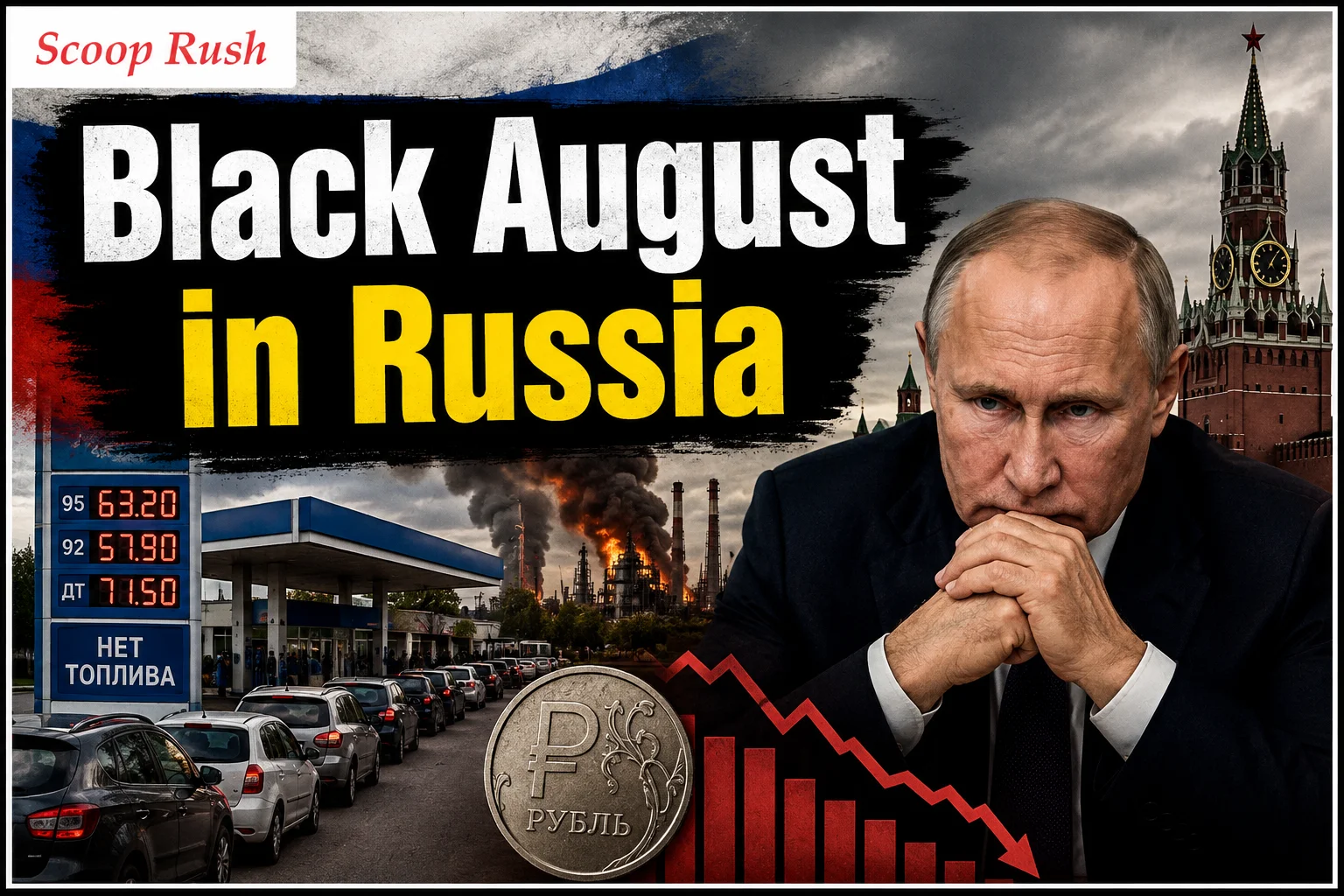
Black August in Russia has returned as the country battles growing economic strain. Fuel shortages have hit several regions this month. Ukrainian strikes have also disrupted key infrastructure and supply routes. Meanwhile, the ruble is under pressure and prices keep climbing.
President Vladimir Putin still projects confidence despite these troubles. He admits Ukrainian attacks have caused some damage. However, he denies the country faces a serious crisis. The Kremlin calls the problems temporary and manageable.
What Does Black August Mean in Russia?
Black August describes a pattern of major crises hitting Russia in August. Russian journalists often use the phrase for painful historical events. It has become part of the country’s political vocabulary. Still, many analysts see the pattern as mere coincidence.
Several events over the decades built this reputation. The failed August 1991 coup shook Soviet politics badly. The August 1998 financial crisis then wrecked Russia’s economy. Both moments remain vivid memories for many Russians today.
Why August Has Become a Troubling Month
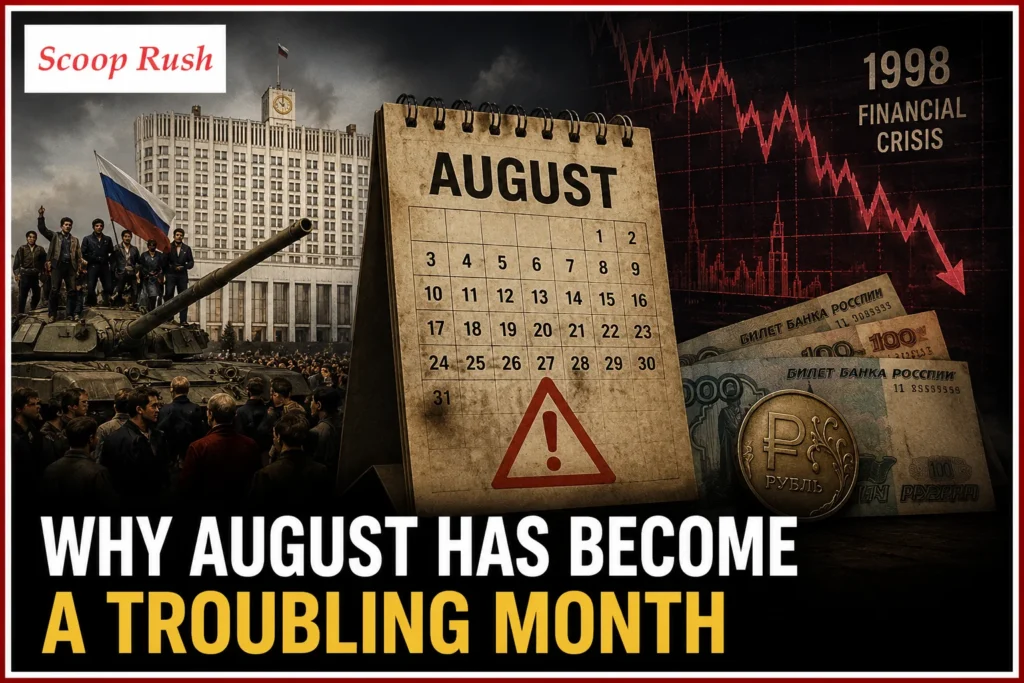
The 1991 coup saw communist hardliners turn against Mikhail Gorbachev. Their plot collapsed within days of starting. Yet it sped up forces that ended the Soviet Union. The state fully collapsed before that year ended.
August 1998 delivered another painful blow to Russia. Moscow defaulted on its domestic debt that month. The ruble also crashed dramatically soon after. Later events only added weight to the August curse idea.
Putin Has Faced His Own August Crises
Putin has lived through major August crises himself. In August 2000, the submarine Kursk sank in the Barents Sea. All 118 sailors aboard died in the disaster. It became one of his earliest major tests as leader.
Eight years later, Russia went to war with Georgia. That conflict began in August 2008. It showed Putin’s growing willingness to use force abroad. August therefore earned another dark chapter in Russian history.
Russia Faces Fresh Pressure in August 2026
Russia now confronts another difficult August. Its forces have gained only limited ground in Ukraine. Meanwhile, Ukraine has expanded strikes deep inside Russian territory. Those attacks target facilities that support Russia’s economy and war effort.
Ukrainian strikes have hit oil depots and distribution hubs. Some attacks damaged major warehouse operations too. These strikes disrupt supply chains and pressure local businesses. They also bring the war closer to ordinary Russian citizens.
Fuel Shortages Create New Problems
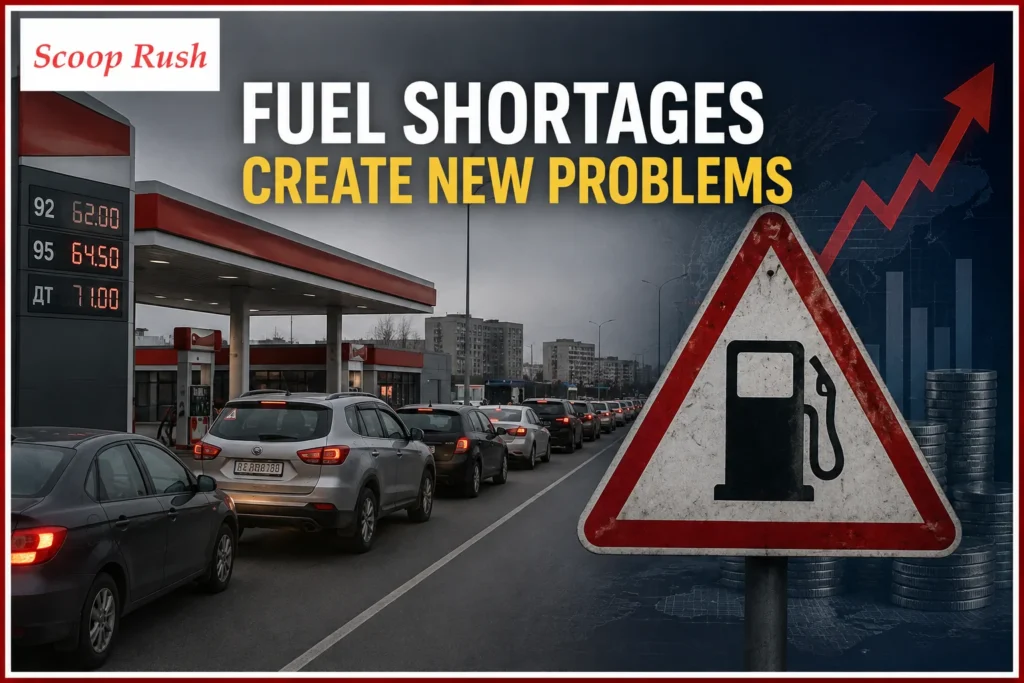
Fuel shortages have become a clear sign of strain. Long queues have reportedly formed at some Russian gas stations. Drivers now worry about both availability and rising prices. Such shortages quickly affect transport costs and household budgets.
This problem carries wider consequences for the economy. Fuel shortages raise transportation costs across many industries. Higher transport costs then push consumer prices upward. The effects spread well beyond the pumps themselves.
Ukrainian Strikes Hit Russian Supply Networks
Ukraine keeps targeting infrastructure tied to Russia’s domestic economy. Oil refineries remain key targets since they fuel production. Warehouses and logistics hubs have also come under fire. These strikes disrupt the movement of goods nationwide.
Wildberries warehouses offer a notable example of this trend. Ukrainian attacks reportedly damaged facilities linked to the online retailer. Such strikes cause economic harm beyond physical destruction alone. They also delay deliveries and hurt businesses that depend on them.
The Kremlin Downplays the Damage
Putin acknowledges that Ukrainian attacks cause real economic damage. Still, he rejects claims that they threaten Russia’s stability. He calls the consequences harmful yet fully manageable. The Kremlin has also promised support for rebuilding damaged sites.
This strategy helps Putin maintain his image of control. Admitting a deeper crisis could spark public anxiety. Officials therefore keep stressing resilience and recovery. The Kremlin wants citizens to see these disruptions as temporary.
Economic Pressure Is Growing
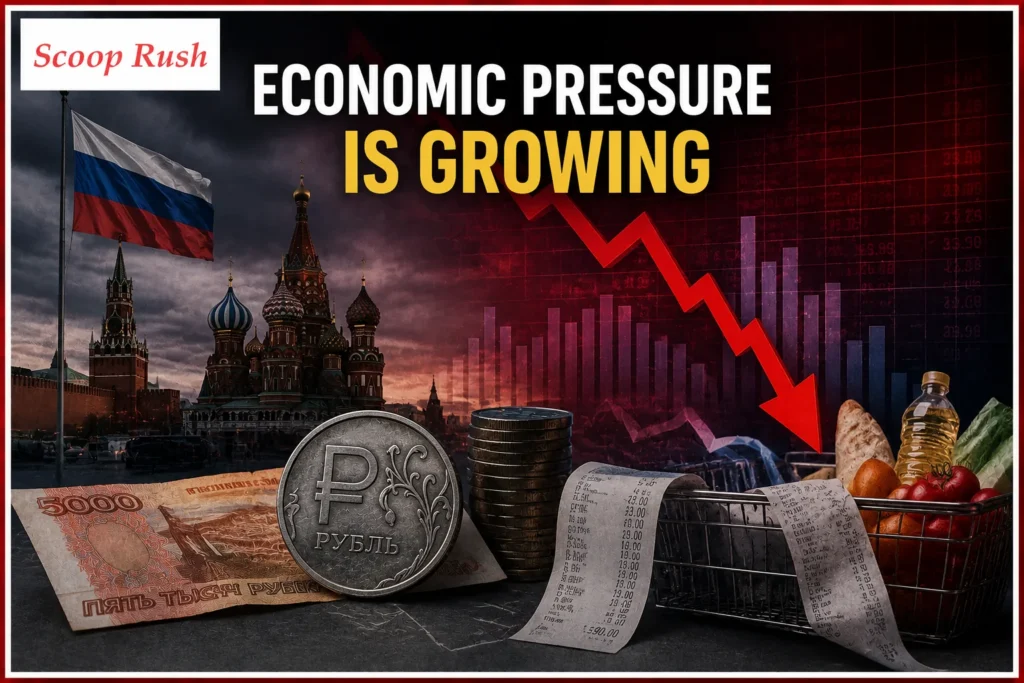
Russia’s economic troubles extend past infrastructure damage alone. The ruble has weakened further during the summer months. Prices keep rising across several everyday categories. These trends squeeze household budgets and fuel public frustration.
Russian economists have voiced growing concern too. Some warn of deeper structural risks facing the economy. They point to technological competition with rival nations. They also question whether Russia can sustain a long war.
Russia’s War Economy Faces Difficult Choices
The war places heavy demands on Russia’s economy. Military spending consumes large sums of money and resources. Civilian industries still need investment at the same time. Balancing both priorities grows harder as pressure builds.
Russia also faces limits on Western technology access. These restrictions complicate industrial growth and modernization plans. Over time, such limits could hurt productivity nationwide. They may also deepen reliance on alternative foreign suppliers.
Political Pressure Adds Another Layer
Russia’s political calendar adds another worry for the Kremlin. Parliamentary elections are set for this September. Officials have strong reasons to keep public confidence high. Economic troubles could become awkward just before voters go to the polls.
The Kremlin also faces whispers about a new mobilization wave. Rumors have spread among Russian families and businesses alike. Such talk raises anxiety even without confirmation. Speculation alone does not guarantee another mobilization will happen.
Putin Turns Attention Toward Ukraine
Putin has also spotlighted political turmoil inside Ukraine. Former Defense Minister Mykhailo Fedorov recently called for wartime elections. His remarks created a fresh political headache for President Volodymyr Zelensky. Putin has long questioned Zelensky’s legitimacy as leader.
Developments inside Ukraine give Moscow useful political ammunition. The Kremlin can highlight Ukraine’s internal disputes publicly. This messaging helps shift focus away from Russia’s own troubles. It also feeds Kremlin narratives aimed at domestic audiences.
Ukraine Faces Political Challenges Too
Ukraine also deals with serious pressures during the ongoing war. Martial law has blocked normal national elections throughout the conflict. Political disputes continue despite these wartime restrictions. Government reshuffles and public protests show political life remains active.
This contrast matters between the two nations. Ukraine still allows open political disagreement during wartime. Russia, meanwhile, has tightened control since the invasion began. The Kremlin restricts opposition groups and independent voices harshly.
Russian Opposition Faces Heavy Restrictions
Russia’s opposition has suffered severe pressure since the war started. Authorities have jailed or prosecuted many prominent government critics. Opposition groups also face barriers to elections and organizing. These restrictions have grown tighter over recent years.
Opposition politician Lev Shlosberg’s case shows this pressure clearly. A Russian court recently sentenced him to 11 years. His anti-war stance played a central role in that ruling. Russia’s Supreme Court also barred his party from the coming elections.
Navalny’s Death Remains a Major Political Symbol
The crackdown on dissent intensified after Alexey Navalny’s death. Navalny died in an Arctic prison colony in February 2024. His supporters blame Russian authorities for his declining health. The Kremlin denies any deliberate role in his death.
Navalny’s story also holds an August connection worth noting. He fell seriously ill after a poisoning attack in August 2020. He had been returning to Moscow from a trip through Siberia. His later imprisonment became a powerful symbol of Russia’s crackdown.
Is This Really Another Black August?
The current situation clearly echoes earlier periods of instability. Still, history does not prove August itself causes crises. Many August events stemmed from wider political conditions at the time. The term works better as a label than a prediction.
Even so, the timing has stirred real public unease. Fuel shortages and rising prices hit households directly. Ukrainian strikes have also made the war more visible at home. These pressures make Black August feel especially relevant this year.
Putin Wants to Project Stability
Putin has built his political brand around strength and control. Admitting a major domestic crisis would weaken that image badly. His public statements therefore stress recovery and resilience. The Kremlin also highlights rebuilding work after each Ukrainian strike.
This approach can work if disruptions stay limited in scope. However, prolonged shortages could change that calculation quickly. Russians may tolerate short-term problems more easily than lasting ones. Extended economic pressure could eventually test public patience.
The Crisis Could Become Harder to Hide
Russia’s vast geography offers some protection from local disruptions. Problems in one region may not spread nationwide immediately. However, repeated strikes could create broader logistical headaches over time. Fuel shortages may also worsen if attacks keep occurring.
Combined economic problems tend to compound each other. A weaker ruble raises the cost of imports. Higher fuel prices then raise transportation expenses further. Supply disruptions make everyday goods more expensive as a result.
What Could Happen Next?
The coming weeks will show whether these problems stay manageable. Russian authorities will likely keep supporting damaged infrastructure sites. They may also roll out steps to stabilize fuel supplies. Military developments will help determine future economic pressure levels.
Ukraine will likely keep striking Russian infrastructure targets. Moscow will probably strengthen defenses around key strategic facilities. Both sides face difficult choices as the war drags on. Russia’s domestic consequences could grow more important going forward.
Why Black August Matters for Putin
Black August matters because Russians remember past periods of sudden upheaval. This historical memory can deepen fears during hard times. Current economic troubles therefore carry a psychological weight too. People naturally compare today’s problems with earlier national crises.
Putin’s response will prove crucial in the months ahead. He must maintain stability while continuing the war effort. He must also protect public confidence before the September elections. If pressure keeps building, controlling the narrative will grow harder.
Russia’s Summer Crisis Is Not Over
The current situation does not yet match the 1998 collapse. Russia’s government still holds significant financial and political resources. The state can also direct funds toward strategic industries. Comparisons with past disasters therefore require real caution.
Still, several warning signs have appeared together this summer. Fuel shortages, infrastructure strikes, inflation, and currency pressure form a tough mix. Political repression adds yet another layer of tension. For Putin, keeping these problems contained may only grow harder.
FAQs
1. What is Black August in Russia?
Black August refers to Russia’s history of major crises striking in August. It covers several political, military, and economic disasters. The term does not mean every August brings a national crisis.
2. Why is August 2026 important for Russia?
August 2026 has combined several pressures inside Russia at once. Fuel shortages and Ukrainian strikes have disrupted parts of the economy. The weakening ruble and rising prices add further strain.
3. Why is Putin downplaying Russia’s current problems?
Putin wants Russians to trust the government’s ability to manage crises. Admitting serious systemic trouble could spark public anxiety fast. It could also create political risk before the September elections.
4. Are Russia’s fuel shortages linked to the Ukraine war?
The war has clearly contributed to Russia’s fuel infrastructure pressure. Ukrainian strikes have targeted refineries and related facilities directly. Other factors can also affect regional fuel availability separately.
5. Could Russia face another major economic crisis?
Current problems do not confirm another financial collapse is coming. Russia still controls substantial economic and state resources today. However, prolong

