
Updated: July 12, 2026
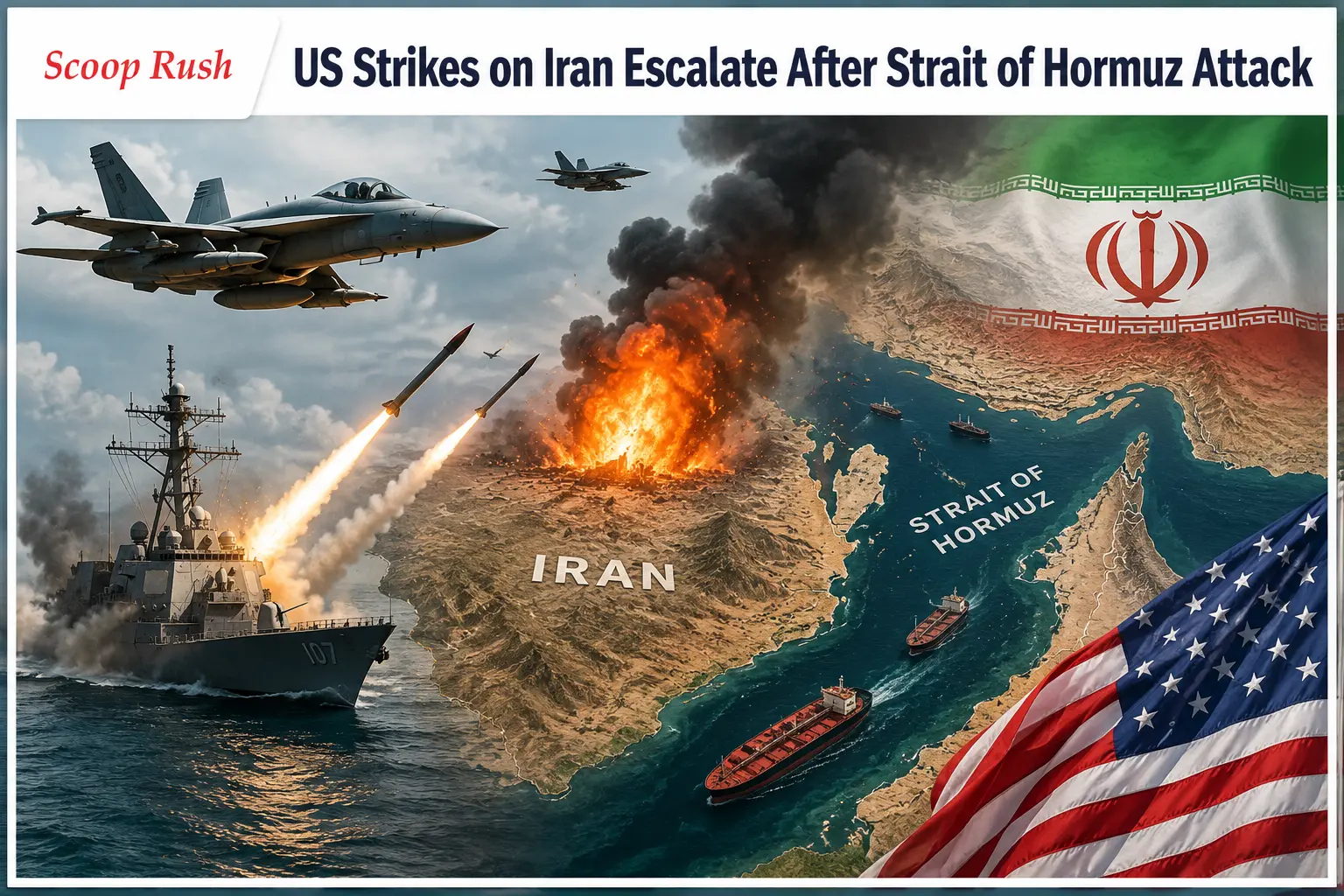
The US Strikes on Iran have sharply increased tensions across the Middle East. The United States launched another large military operation after Iran attacked a commercial ship in the Strait of Hormuz. Iran quickly answered with missile and drone attacks across the Gulf. The latest fighting has raised fears that the conflict could spread beyond the region.
Military action has now replaced the brief period of calm that followed earlier diplomatic efforts. World leaders continue to watch the situation closely because the Strait of Hormuz remains one of the world’s most important shipping routes. Any disruption there could affect global trade, energy supplies, and regional security.
US Strikes on Iran Target 140 Military Sites
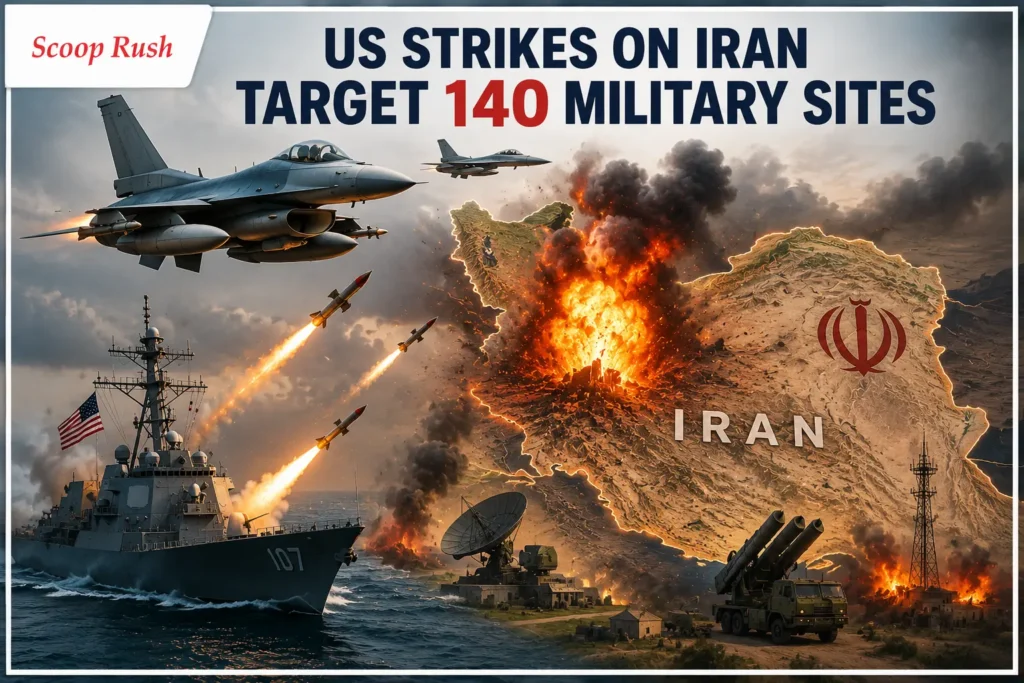
The United States carried out its third round of strikes against Iran this week. According to US Central Command, American forces attacked nearly 140 military targets across the country. The operation focused on missile launch sites, drone facilities, naval assets, ammunition storage areas, communication networks, and coastal surveillance systems. US officials described the strikes as a direct response to Iran’s latest actions in the Strait of Hormuz.
The Pentagon said the operation involved fighter aircraft, naval warships, and drones. Officials also confirmed that American forces have now targeted more than 300 military sites during the recent campaign. Washington believes these strikes will reduce Iran’s ability to threaten commercial shipping and launch future attacks across the Gulf.
US Strikes on Iran Follow Merchant Ship Attack
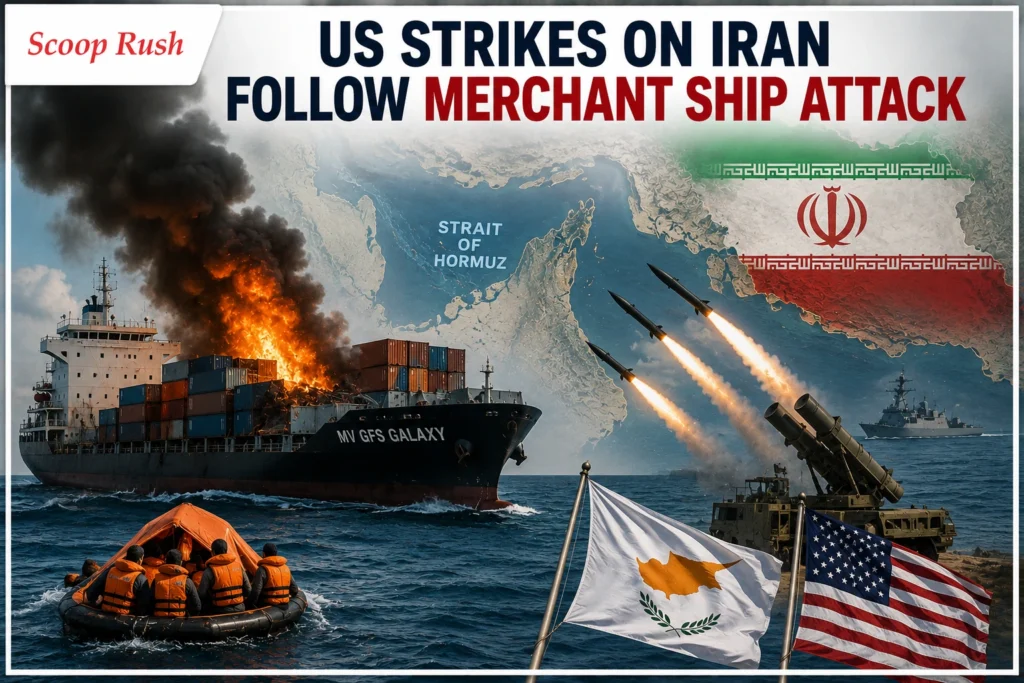
The latest military action began after Iran targeted the MV GFS Galaxy, a Cyprus-flagged container ship passing through the Strait of Hormuz. US officials said the attack caused serious damage to the vessel’s engine room. One civilian crew member remained missing after the incident, while the crew abandoned the damaged ship for safety.
Iran’s Islamic Revolutionary Guard Corps gave a different version of events. Iranian officials claimed they fired warning shots because the vessel ignored navigation instructions. The Guards also announced that the Strait of Hormuz would remain closed until further notice. That announcement immediately increased concern across international shipping and energy markets.
Iran Expands the Conflict Across the Gulf
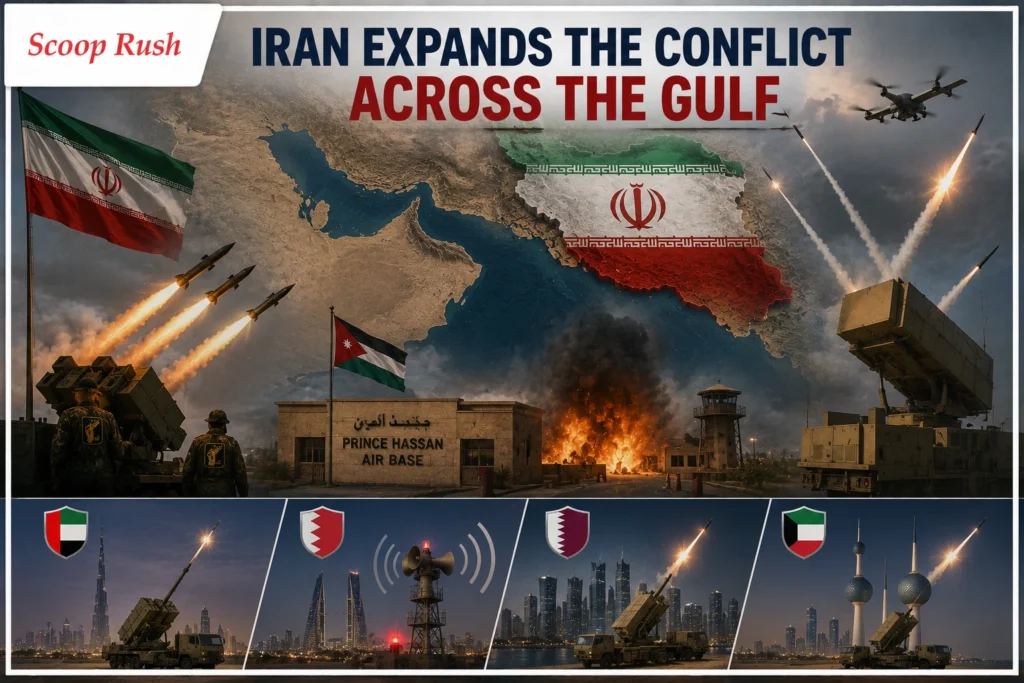
Iran responded within hours after the latest American strikes. State media reported that the Revolutionary Guard launched retaliatory attacks against the Prince Hassan Air Base in Jordan. At the same time, several Gulf countries activated their air defense systems to intercept incoming missiles and drones.
The United Arab Emirates confirmed that its defenses intercepted ballistic missiles, cruise missiles, and drones. Bahrain also sounded air raid sirens and urged residents to move to safe locations. Meanwhile, Iranian media reported explosions along the country’s southern coastline as American strikes continued against military facilities.
Strait of Hormuz Crisis Deepens Regional Tensions
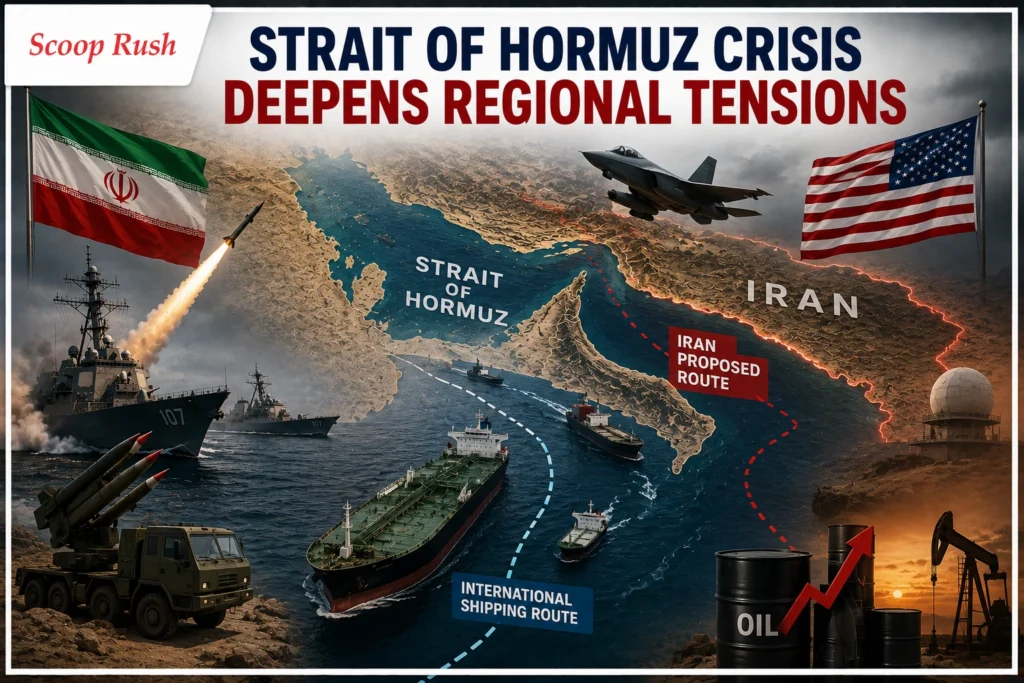
The Strait of Hormuz has become the center of the current confrontation. Iran insists that commercial vessels should follow a shipping route near its coastline. However, the United States supports an international route closer to Oman. This disagreement has increased the risk of direct military confrontation during commercial transit.
The latest attacks have made global shipping companies even more cautious. The Strait carries a significant share of the world’s oil exports every day. Any prolonged disruption could raise energy prices and create new economic uncertainty. Security experts now warn that restoring safe navigation has become one of the region’s most urgent priorities.
Diplomatic Efforts Continue Despite Military Escalation
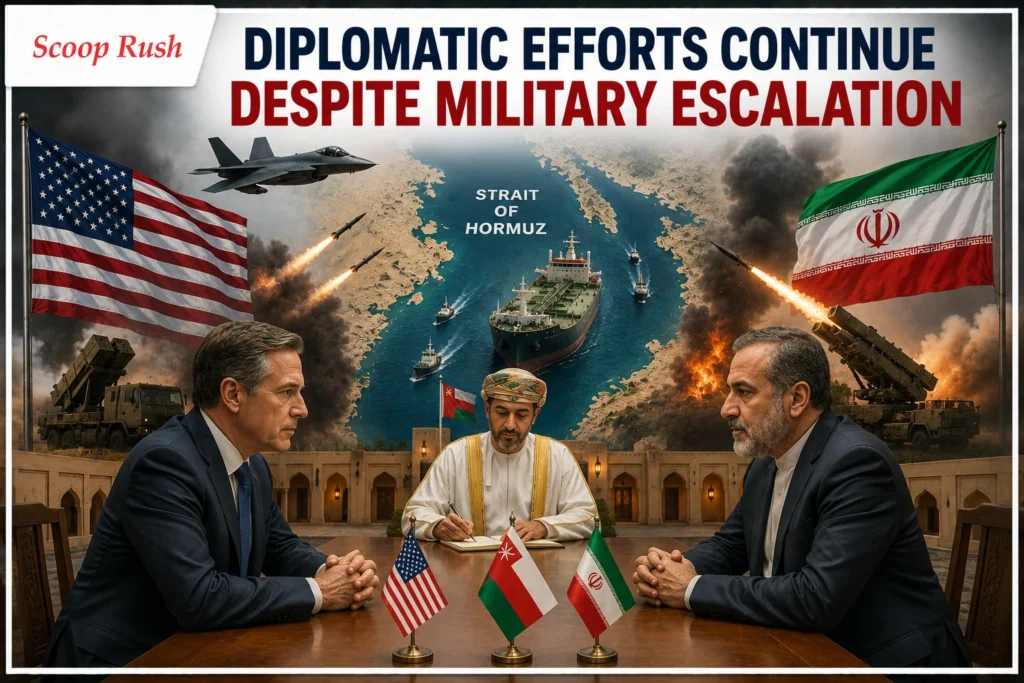
Even as fighting continues, diplomatic contacts have not completely stopped. Oman remains the main mediator between Washington and Tehran. Officials from both countries have continued indirect discussions about reducing tensions and protecting commercial shipping through the Strait of Hormuz.
However, major disagreements still block meaningful progress. The United States wants Iran to guarantee safe passage for all commercial vessels. Iran continues to defend its own interpretation of shipping rules in the waterway. Until both sides reach common ground, the chances of another military exchange remain high.
Trump and Iran Exchange Fresh Warnings
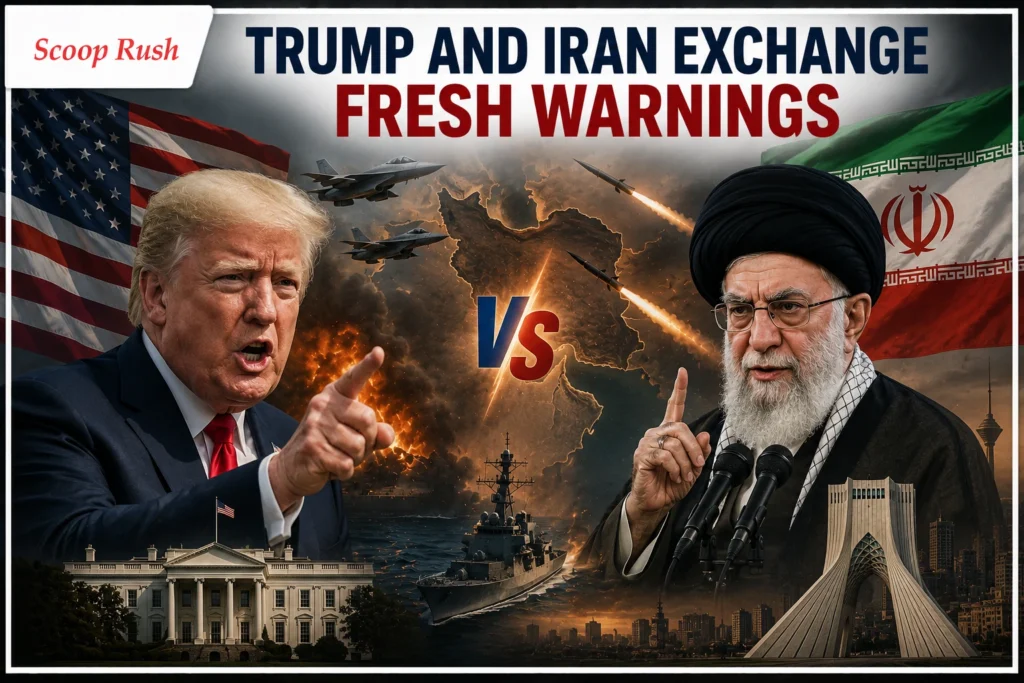
US President Donald Trump warned that the United States would respond with overwhelming force if Iran threatened him or American interests. His comments came as the latest military operation unfolded. The White House continues to argue that strong military action remains necessary to protect international shipping and regional stability.
Meanwhile, Iran’s Supreme Leader Mojtaba Khamenei promised revenge for the death of his father, former Supreme Leader Ali Khamenei. His remarks reflected Tehran’s increasingly hardline position. With both sides exchanging strong warnings, many observers fear the conflict could become even more dangerous in the coming weeks.
What Happens Next?
The latest US Strikes on Iran have pushed the region into another period of uncertainty. Military operations continue while diplomatic efforts struggle to gain momentum. Regional governments remain on high alert as they prepare for possible further attacks.
The future now depends on whether both sides choose diplomacy or further escalation. Safe navigation through the Strait of Hormuz remains the immediate priority. Until tensions ease, the conflict will continue to affect regional security, global shipping, and international energy markets.
FAQs
1. Why did the US launch new strikes on Iran?
The United States said Iran attacked a commercial ship in the Strait of Hormuz, prompting military retaliation.
2. How many targets did the US strike?
US Central Command said American forces attacked about 140 Iranian military targets during the latest operation.
3. Why is the Strait of Hormuz important?
The Strait of Hormuz handles a large share of global oil shipments. Any disruption can affect world energy supplies and trade.
4. How did Iran respond to the US strikes?
Iran launched missile and drone attacks against regional targets and claimed strikes on a military base in Jordan.
5. Are diplomatic talks still taking place?
Yes. Oman continues to mediate indirect talks, but both sides remain divided over security and shipping issues in the Strait of Hormuz.

