
Introduction
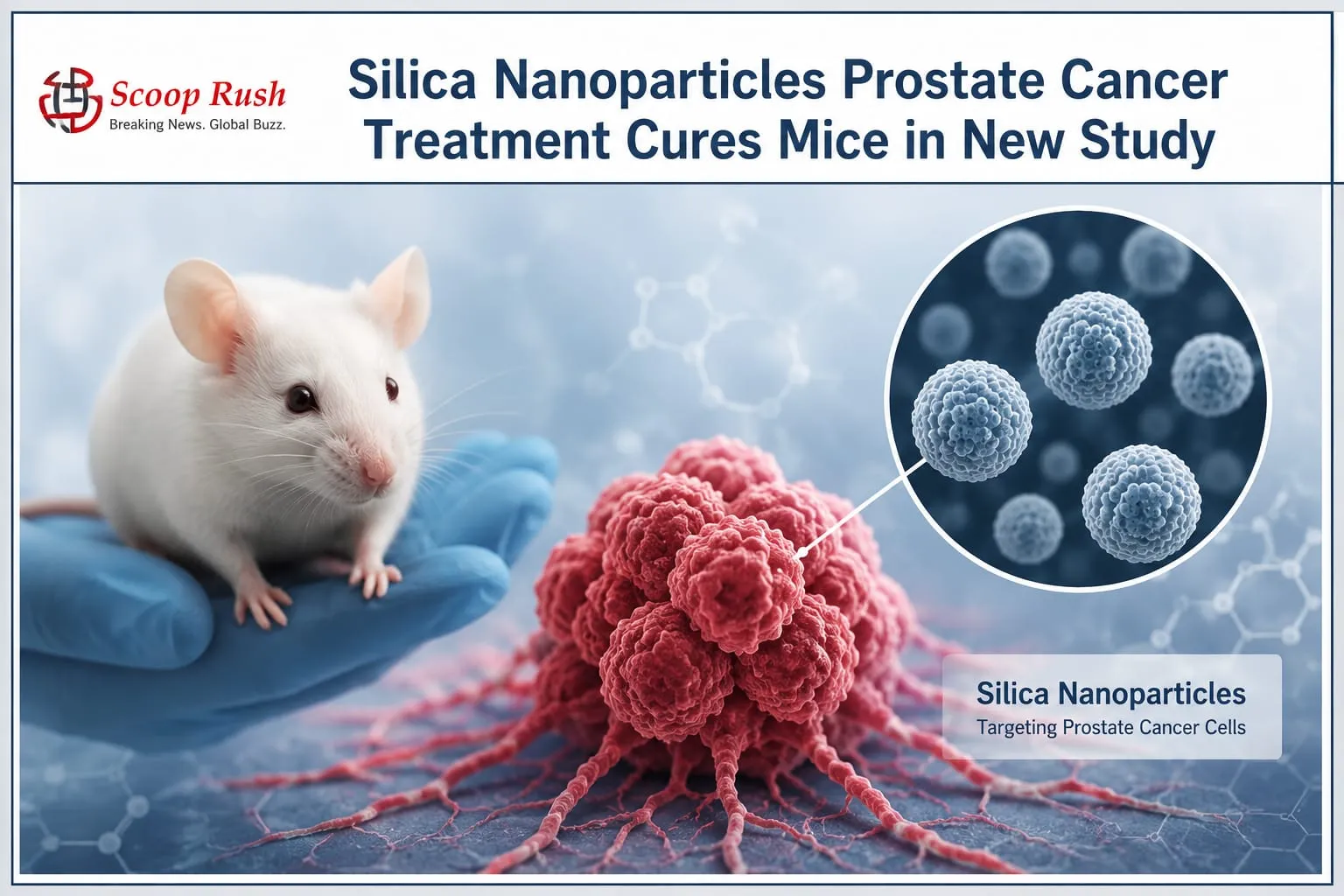
Silica nanoparticles prostate cancer treatment offers a glimmer of hope in the fight against one of the most common cancers among men worldwide. Prostate cancer remains difficult to treat effectively when diagnosed late. Now, a new preclinical study shows scientists at Weill Cornell Medicine and Cornell Engineering have engineered silica nanoparticles that directly destroy prostate tumor cells while also waking up the body’s immune system to fight the disease. In mouse models, the treatment led to complete tumor remissions, opening the door to a potential new class of cancer therapies.
How the Nanoparticles Work
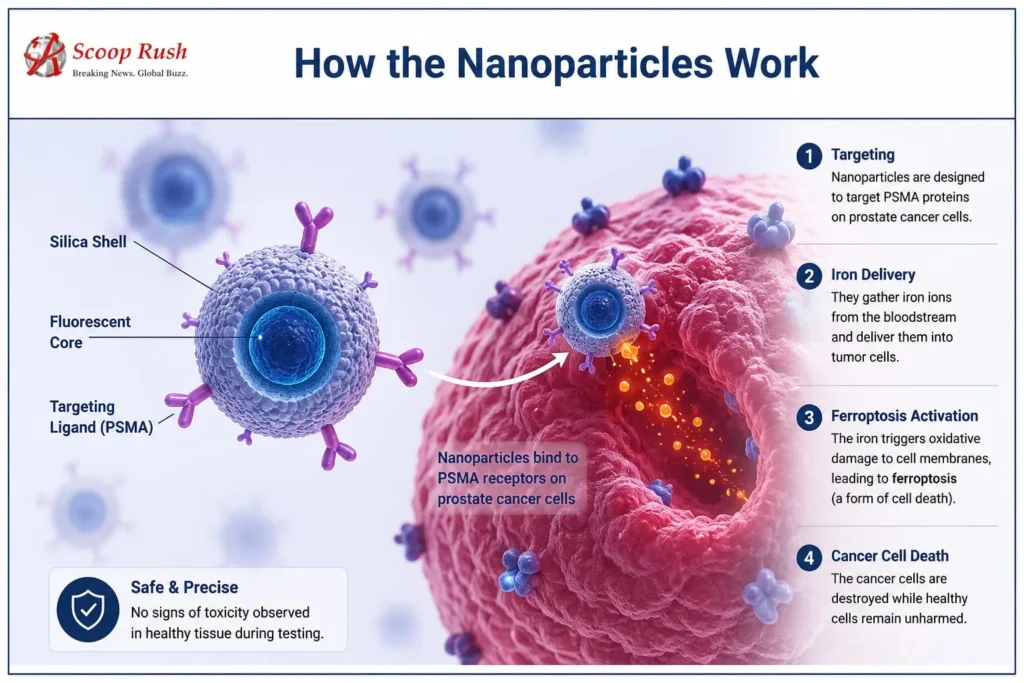
Researchers originally designed these particles, known as ultrasmall fluorescent core-shell silica nanoparticles or “C’ dots,” for medical imaging. The particles have already progressed to late-stage clinical trials for image-guided surgery. Researchers later discovered the particles could selectively damage cancer cells while sparing healthy tissue.
The study, published in Cancer Research, found that the nanoparticles pushed tumor cells toward ferroptosis. Ferroptosis is a form of cell death that oxidative damage to cell membranes triggers. Scientists believe the particles gather iron ions from the bloodstream and carry them into tumor cells. This process fuels the destructive oxidation that drives ferroptosis.
To ensure precision, researchers engineered the nanoparticles to target PSMA, a protein found specifically on prostate cancer cells. They reported no signs of toxicity in healthy tissue during testing.
Turning “Cold” Tumors “Hot”
The nanoparticles did more than attack tumor cells directly. They also reshaped the surrounding immune environment. Immune cells such as T cells and macrophages shifted from suppressed, inactive states into active cancer-fighting mode. This shift effectively transformed “cold” tumors into “hot,” immune-responsive ones. As a result, the tumors became significantly more receptive to existing immunotherapy drugs.
Combination Therapy Delivered the Strongest Results
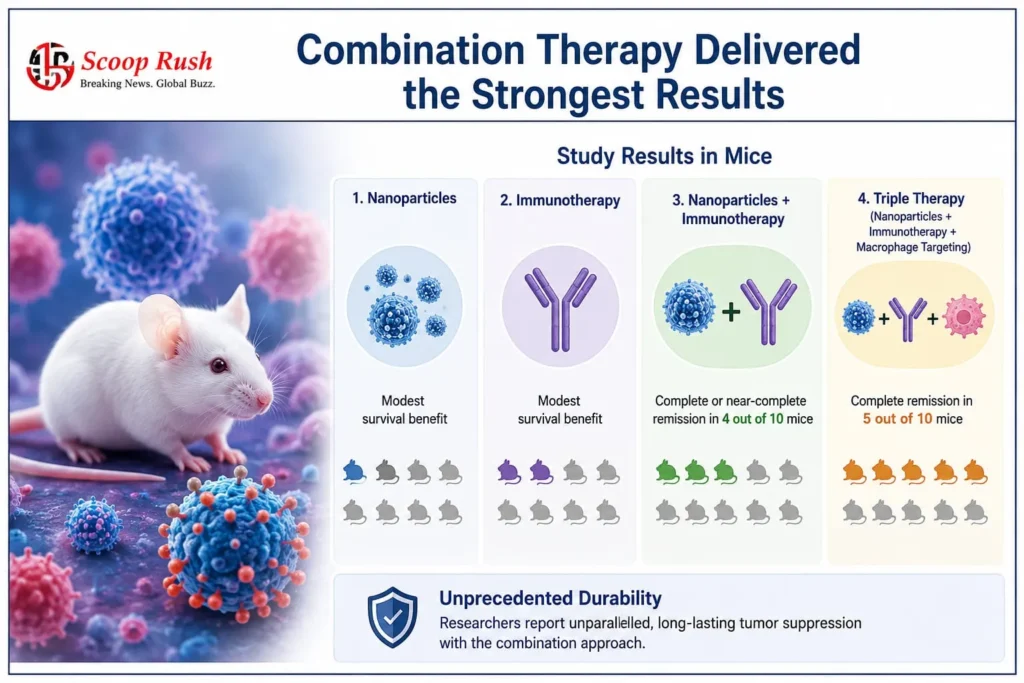
The most striking outcomes emerged when researchers paired the nanoparticles with immunotherapy. Either treatment alone offered only modest survival benefits. But combining the nanoparticles with immune checkpoint blockade therapy produced complete or near-complete remission in four out of ten mice. Adding a third treatment that targets tumor-associated macrophages pushed that number to five out of ten mice.
Researchers called the durability of this response unprecedented. They said no other treatment they knew of produced such strong, lasting tumor suppression.
A Possible Environmental Connection
One researcher raised an intriguing idea. Silica’s presence in everyday foods, like leafy greens and cereal grains, might explain why the body interacts with it in such a targeted biological way. Scientists still don’t fully understand the exact mechanisms behind this. This connection between diet and cellular health echoes other recent findings, including how omega-3 fish oil supplements affect brain health.
Not all silica exposure is beneficial, though. Separate research on submicron silica particles, common in industrial and environmental settings, has linked prolonged exposure to metabolic disruptions. These disruptions may worsen prostate cancer progression through altered lipid metabolism. This distinction matters: particle size, engineering, and targeted delivery make all the difference. The therapeutic nanoparticles in this study are purpose-built and structurally different from naturally occurring or industrial silica dust.
Why Prostate Cancer Is Often Hard to Treat
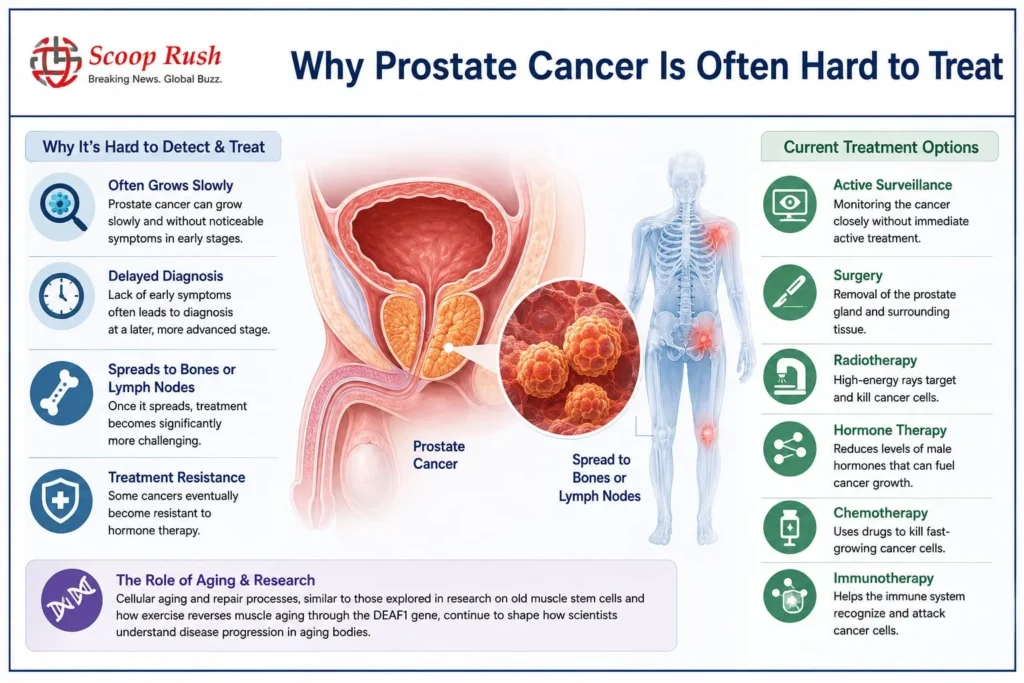
Prostate cancer often grows slowly and without noticeable symptoms in its early stages. This frequently leads to delayed diagnosis. Once the disease spreads to the bones or lymph nodes, treatment becomes significantly harder. Some cancers even become resistant to hormone therapy over time. Current treatment options include active surveillance, surgery, radiotherapy, hormone therapy, chemotherapy, and immunotherapy, depending on the cancer’s stage. Scientists are still working to understand cellular aging and repair processes, as seen in research on old muscle stem cells and how exercise reverses muscle aging through the DEAF1 gene.
What Comes Next
This silica nanoparticles prostate cancer treatment is promising, but researchers urge caution. This remains an early-stage, preclinical study conducted in mice. The team’s next goal is to move toward human clinical trials. These trials will evaluate the treatment’s safety and effectiveness in patients. Research involving a 3.2-billion-year-old enzyme shows a similar pattern: studying biological processes at the molecular level can unlock unexpected medical advances.
FAQs
What are silica nanoparticles used for in cancer treatment?
Researchers engineer them to target and destroy prostate cancer cells directly. They also activate the immune system to attack the tumor more effectively.
Is this treatment available for humans yet?
No. The study was conducted in mice. Human clinical trials have not yet begun.
What is ferroptosis?
Ferroptosis is a form of cell death caused by oxidative damage to a cell’s membrane. It’s distinct from typical cell death processes.
Did the nanoparticles harm healthy cells?
No. Researchers reported no signs of toxicity in healthy tissue during the study.

