
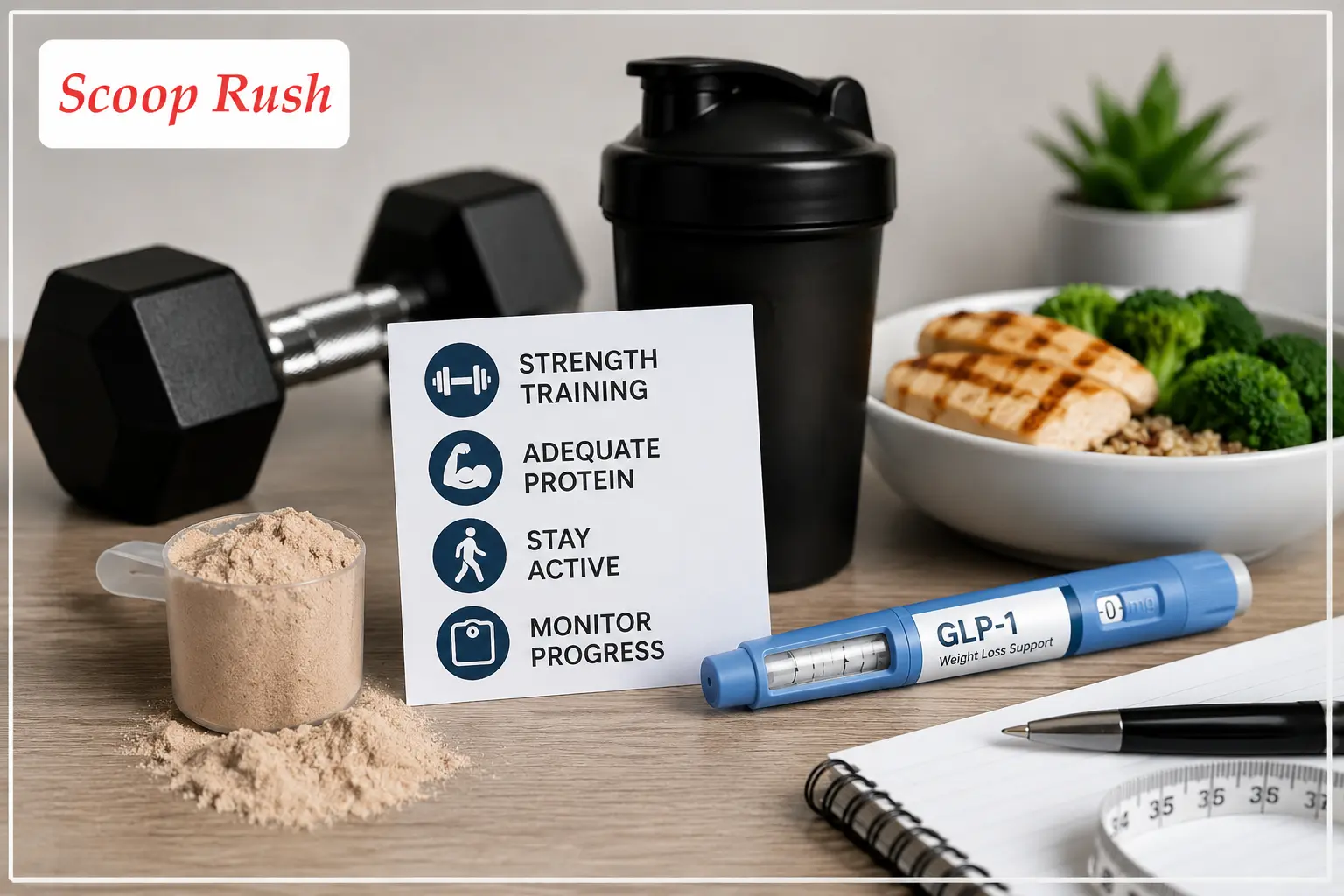
Losing weight with GLP-1 medications such as semaglutide and tirzepatide has helped millions of people improve their health. However, experts warn that rapid weight loss can reduce not only body fat but also muscle mass. Since muscle supports strength, metabolism, balance, and mobility, protecting it should be part of every weight-loss plan.
The good news is that muscle loss isn’t inevitable. Research suggests that combining GLP-1 treatment with resistance training, adequate protein intake, and regular physical activity can help preserve lean muscle while promoting healthy fat loss.
Why Muscle Matters During Weight Loss
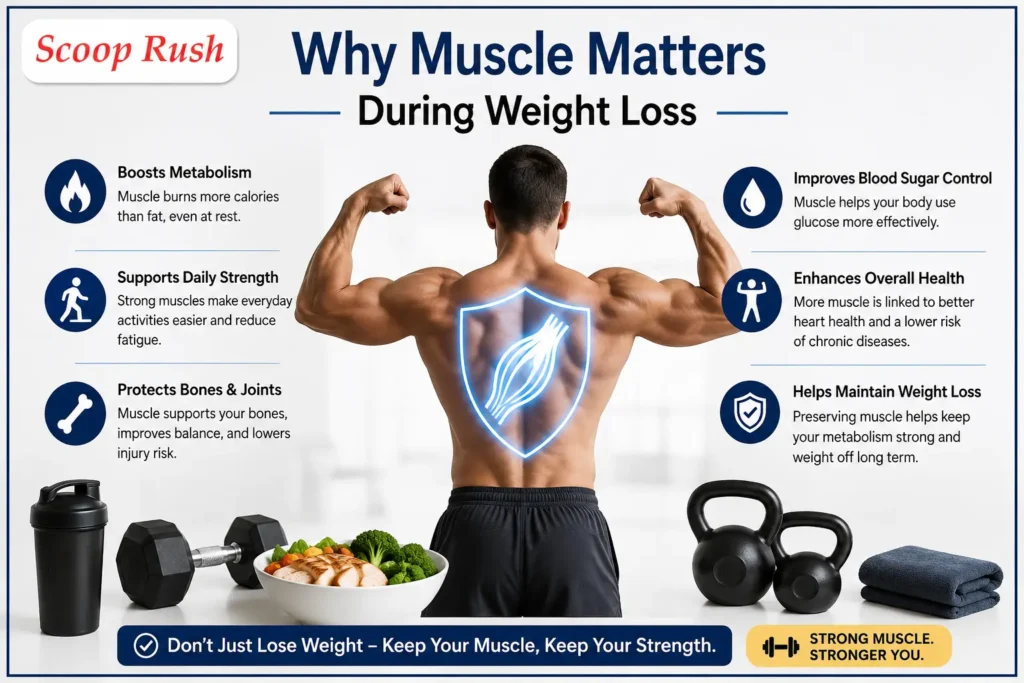
GLP-1 medications work by reducing appetite, slowing stomach emptying, and improving blood sugar control. These effects help people lose significant amounts of weight, but like most weight-loss methods, some lean body mass is also lost.
Experts stress that this isn’t unique to GLP-1 medications. Losing muscle is common whenever calorie intake decreases. The goal is to minimize muscle loss while maximizing fat loss.
Dr. Chuck Svendsen, chief medical officer at Astride Health, says successful weight loss should focus on improving overall health, not simply lowering the number on the scale. Many clinics now use DEXA scans and other body composition tests to measure fat, muscle, and bone density instead of relying on body weight alone.
A Lifestyle Change Beyond the Scale
Minnesota resident Jenn Glass spent years losing and regaining the same weight before deciding to try a GLP-1 medication through a medically supervised program.
Instead of depending only on medication, the program combined body composition testing, nutrition coaching, and strength training. Glass has lost more than 30 pounds, but she says the biggest improvement has been changing her mindset and adopting healthier habits that she plans to maintain long term.
Why Preserving Muscle Is Important
Muscle does much more than improve appearance. It helps people perform everyday activities, supports healthy joints and bones, improves balance, and lowers the risk of falls.
It also plays an important role in metabolism because muscle burns more calories than fat, even while resting. In addition, healthy muscle improves insulin sensitivity by helping the body use glucose more efficiently — a benefit that works alongside medical advances like teplizumab for managing type 1 diabetes, which also targets insulin regulation.
These benefits make muscle preservation an essential part of healthy weight management.
Why Preserving Muscle Matters During GLP-1 Weight Loss
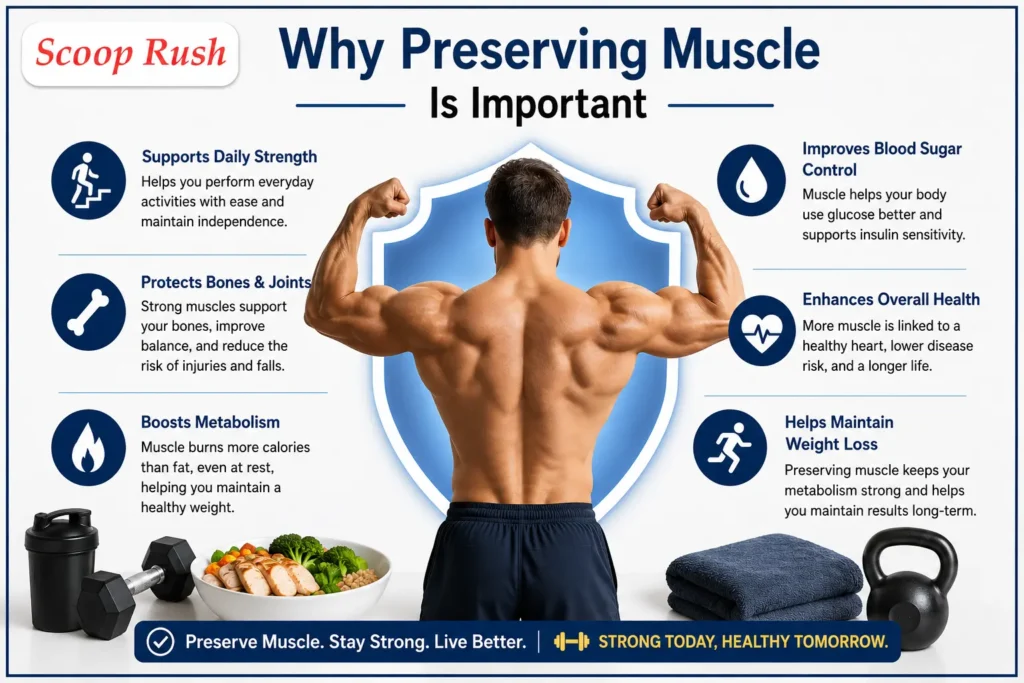
Muscle preservation becomes even more important because it supports long-term independence and overall quality of life. Healthy muscle helps maintain posture, balance, and endurance while making everyday activities easier. When muscle mass declines too much, people may notice increased fatigue, reduced strength, and slower recovery after exercise or illness.
This is especially important for older adults, who naturally lose muscle as they age and also face heat and humidity risks that can make exercise more dangerous. By protecting lean muscle during weight loss, people are more likely to maintain an active lifestyle, continue exercising comfortably, and reduce the risk of future health problems.
Experts increasingly recommend focusing on body composition instead of weight alone because a healthier balance of fat and muscle provides better long-term outcomes than simply reaching a lower number on the scale.
The Two Most Important Strategies for Preserving Muscle
Experts also emphasize that muscle preservation is a long-term commitment rather than a short-term goal. Building healthy habits early during GLP-1 treatment can make it easier to maintain strength as weight continues to decrease.
Consistency is more important than perfection. Missing an occasional workout or meal target is unlikely to affect progress, but regularly combining resistance exercise with adequate protein intake can produce meaningful results over time. Many healthcare providers recommend creating a realistic routine that fits daily life instead of following an overly strict program. A sustainable exercise schedule and balanced eating plan are more likely to support both successful weight loss and healthy muscle maintenance over the long term.
Does GLP-1 Weight Loss Cause Muscle Loss?
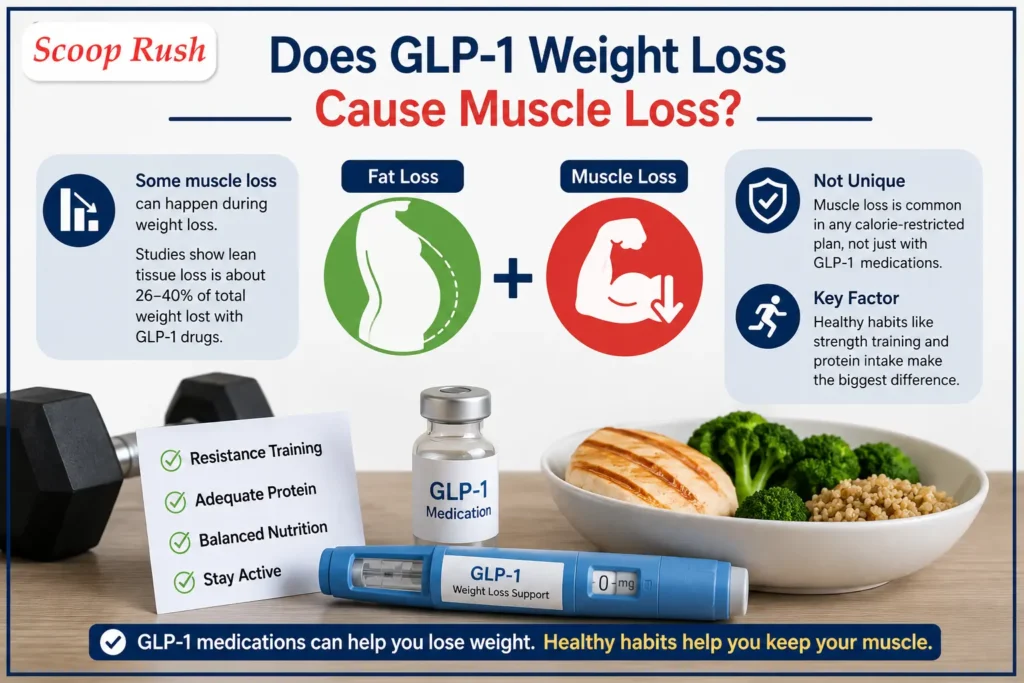
Studies show that lean tissue can account for about 26% to 40% of total weight lost during treatment with semaglutide or tirzepatide.
However, researchers note that lean body mass includes more than skeletal muscle. It also contains water and other tissues. Furthermore, some lean tissue loss naturally occurs during successful weight loss because a lighter body requires less muscle for support.
Researchers from Mass General Brigham emphasize that current evidence does not show GLP-1 medications cause unusually high muscle loss compared with other weight-loss methods.
How to Protect Muscle While Taking GLP-1 Medications
1. Prioritize Resistance Training
Strength training is the most effective way to preserve muscle during weight loss. Exercises using free weights, resistance bands, machines, or body weight signal the body to maintain muscle tissue even while losing fat.
Experts generally recommend resistance training two to three times each week. Squats, lunges, push-ups, rows, and resistance-band exercises are all effective options.
Even simple desk exercises and short activity breaks throughout the day can help people who spend long hours sitting research shows that a five-minute walk every hour meaningfully reduces fatigue and supports overall movement health.
2. Eat Enough Protein
Because GLP-1 medications reduce appetite, some people unintentionally eat too little protein. Protein supplies the building blocks needed for muscle repair and maintenance. Good choices include lean meats, fish, eggs, dairy products, beans, lentils, nuts, and seeds.
It is also worth being cautious about over-supplementing taking too many vitamins and supplements carries its own risks and does not replace a balanced diet. Current evidence suggests that combining higher protein intake with resistance training offers the greatest protection against muscle loss.
3. Stay Active Every Day
Exercise doesn’t have to happen only in the gym. Walking, cycling, climbing stairs, stretching, and other daily activities all contribute to maintaining muscle health and mobility.
Small amounts of movement performed consistently can complement structured workouts and improve long-term results. If you exercise outdoors, especially in summer months, make sure to follow safe home and outdoor cooling tips during hot weather to avoid heat-related setbacks.
4. Follow a Balanced Diet
Experts recommend focusing on nutrient-rich foods rather than simply eating less. Meals should include lean protein, vegetables, fruits, whole grains, and healthy fats to provide the nutrients needed for muscle recovery and overall health. Staying hydrated is equally important because muscles rely on adequate water for proper function.
Research Shows Healthy Habits Make a Difference
A recent case series followed three adults taking semaglutide or tirzepatide while following structured exercise programs and high-protein diets. Participants performed resistance training three to five days each week and stayed physically active throughout treatment.
The results were encouraging. One participant lost very little lean tissue despite major weight loss, while the other two actually increased lean body mass as they lost fat. Although the study included only three participants, the findings suggest that lifestyle habits can significantly influence body composition during GLP-1 treatment.
Preventive health habits matter beyond exercise too. Staying up to date with vaccinations such as understanding how the HPV vaccine helps prevent cervical cancer deaths is part of a complete long-term health strategy.
Future Treatments May Offer More Protection
Researchers at Stanford Medicine are studying an experimental drug that may improve muscle repair during GLP-1 treatment. In studies involving mice, the drug increased muscle stem cell activity and improved muscle regeneration after injury without reducing the fat-loss benefits of semaglutide.
While these findings are promising, the treatment has only been studied in animals for this purpose. Human clinical trials are still needed before it becomes available — much like teplizumab, which went through years of trials before becoming available for delaying type 1 diabetes.
Conclusion
GLP-1 medications have transformed obesity treatment, but preserving muscle is just as important as losing fat. Current evidence suggests that muscle loss can be reduced by combining medication with healthy lifestyle habits.
Regular resistance training, adequate protein intake, balanced nutrition, daily movement breaks, and body composition monitoring remain the most effective ways to protect lean muscle during weight loss. By focusing on both fat loss and muscle health, people can achieve better long-term results and improve their overall well-being.
FAQs
Does GLP-1 medication always cause muscle loss?
No. Some lean tissue loss is normal during weight loss, but healthy habits can significantly reduce muscle loss.
What is the best exercise while taking GLP-1 medications?
Resistance training two to three times per week, combined with regular daily activity, is considered the best approach.
How much protein should I eat?
Protein needs vary by individual. Experts generally recommend eating enough high-quality protein throughout the day to support muscle maintenance during weight loss.
Can you build muscle while taking semaglutide?
Some research suggests people can maintain or even gain lean muscle when they combine GLP-1 treatment with regular strength training and adequate protein intake.

