
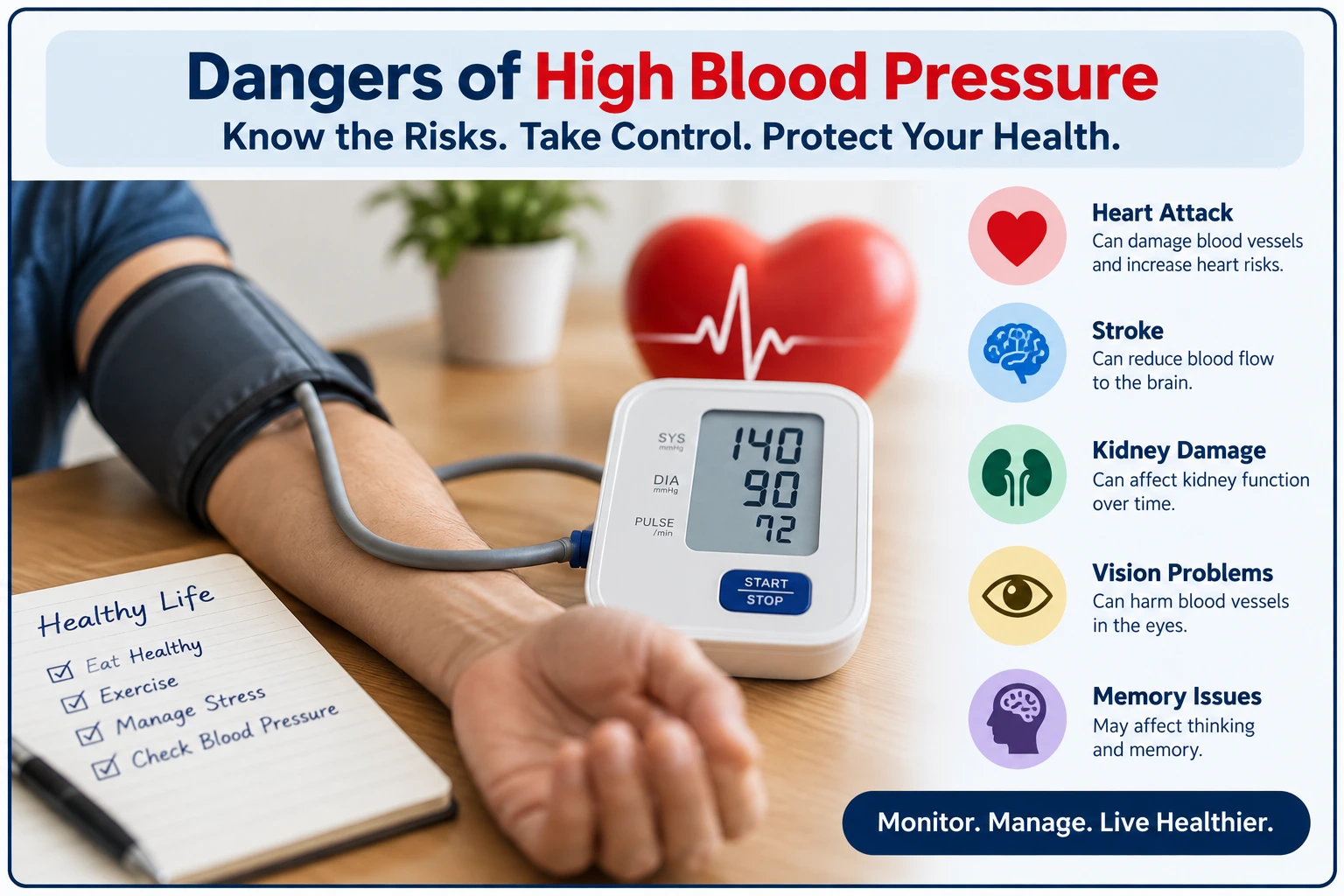
High blood pressure, also called hypertension, can be difficult to recognize because many people do not feel sick when they have it. They may continue with their normal daily activities without realizing that consistently elevated pressure is placing extra strain on their blood vessels and organs.
High blood pressure affects nearly half of adults in the United States. When it remains uncontrolled, it can gradually affect the cardiovascular system and increase the risk of serious problems involving the heart, brain, kidneys, eyes, and other parts of the body.
The condition can often be managed with the right approach. Regular blood pressure checks, healthier lifestyle habits, and medication when recommended can all play a role in keeping blood pressure under control and reducing related health risks.
What Is High Blood Pressure?
Blood pressure is the force created when your blood moves through your arteries as your heart pumps.
When that pressure remains higher than it should be over time, it is known as high blood pressure.
Based on the CDC statistics provided, 48.1% of U.S. adults, or about 119.9 million people, have high blood pressure. In the cited definition, this includes adults with a systolic reading above 130 mm Hg or a diastolic reading above 80 mm Hg, as well as people taking blood pressure medication.
One high reading does not necessarily mean you have hypertension. Blood pressure can change throughout the day, which is why repeated measurements and medical evaluation are important.
Why Can High Blood Pressure Be So Dangerous?
The biggest concern is that hypertension often develops without noticeable warning signs.
You may not experience pain, dizziness, or other obvious symptoms while high blood pressure is causing gradual damage. Over time, excessive pressure can affect the walls of your arteries and place additional demands on your heart.
This damage can eventually contribute to serious conditions.
High Blood Pressure Can Affect Several Parts of the Body
Uncontrolled hypertension can increase the risk of problems involving:
- The heart
- The brain
- The kidneys
- The eyes
- The blood vessels
- Sexual function
That is why managing blood pressure is about more than getting a number into a healthy range. It is also about protecting your organs and reducing the chance of future complications.
Major Health Risks Linked to High Blood Pressure
1. Increased Risk of Heart Attack
Your arteries are responsible for carrying blood throughout your body. Persistently high blood pressure can damage their inner walls.
Over time, this damage can make it easier for plaque to build up inside the arteries. As plaque increases, an artery may become narrower or blocked.
Blood clots can also form around areas of plaque. If a clot blocks blood flow to the heart, it can cause a heart attack.
For this reason, keeping high blood pressure under control is an important part of protecting your heart.
2. Greater Risk of Stroke
Your brain needs a continuous supply of blood and oxygen.
High blood pressure can damage the blood vessels that carry blood to the brain. Narrowed or blocked vessels can interfere with circulation, while blood clots can also stop blood from reaching parts of the brain.
These problems can lead to a stroke.
High blood pressure is one of the major risk factors associated with stroke, making blood pressure management an important part of protecting brain health.
3. Heart Disease
Hypertension places ongoing stress on the cardiovascular system.
When the heart has to pump against higher pressure, it has to work harder. Over time, this extra workload and damage to the arteries can contribute to heart disease.
High blood pressure is also a major risk factor for coronary artery disease and other cardiovascular conditions.
Heart disease remains one of the leading causes of death in the United States, which makes prevention and risk management especially important.
4. Heart Failure
The heart may change in response to years of elevated blood pressure.
Because it must work harder to move blood through the body, the heart muscle can become thicker. A thickened heart may eventually have difficulty pumping efficiently.
Over time, this can contribute to heart failure, a condition in which the heart cannot pump enough blood to meet the body’s needs.
5. Chest Pain
Some people with cardiovascular problems related to high blood pressure may experience angina, which is a type of chest discomfort caused by reduced blood flow to the heart muscle.
It may feel like:
- Pressure
- Tightness
- Squeezing
- Discomfort in the chest
It can sometimes appear during activities such as walking uphill, climbing stairs, or exercising.
However, chest pain should never simply be assumed to be caused by high blood pressure. New, severe, or unexplained chest pain requires prompt medical attention.
6. Kidney Damage
Your kidneys contain many small blood vessels and play an important role in maintaining fluid balance and regulating blood pressure.
Long-term hypertension can damage the blood vessels that supply the kidneys. As the damage progresses, the kidneys may have difficulty performing their normal functions.
Severe kidney damage can eventually lead to kidney failure. In some cases, advanced kidney disease may require dialysis.
Because kidney health and blood pressure are closely connected, managing hypertension can be an important part of protecting kidney function.
7. Vision Problems
High blood pressure can also affect the tiny blood vessels inside the eyes.
Damage to these vessels can interfere with normal vision. Hypertension can also affect structures associated with the optic nerve.
If high blood pressure remains uncontrolled for a long time, serious vision impairment can occur, and severe damage may result in permanent vision loss.
Regular health care visits can help identify problems before they become more serious.
8. Changes in Sexual Health
High blood pressure can affect sexual health as well.
Men with hypertension may experience erectile dysfunction. Women may experience reduced sexual desire or other changes in sexual function.
Blood vessels play an important role in sexual function, so problems affecting circulation can sometimes contribute to these changes.
If you notice a persistent change in sexual function, discussing it with a health care professional can help identify possible causes.
9. Memory and Cognitive Problems
Healthy blood vessels are important for normal brain function.
High blood pressure can damage blood vessels that supply the brain. Narrowed or blocked vessels can reduce blood flow and contribute to problems with memory, concentration, and thinking.
Long-term hypertension has also been associated with cognitive decline and vascular dementia.
This does not mean that everyone with high blood pressure will develop dementia. However, keeping blood pressure under control is one part of maintaining cardiovascular and brain health.
10. Peripheral Artery Disease
High blood pressure can contribute to damage in blood vessels throughout the body.
One condition associated with unhealthy arteries is peripheral artery disease, or PAD. PAD can reduce blood flow to the legs and may cause discomfort while walking that improves after resting.
Leg pain should not automatically be considered a simple muscle problem, especially when it repeatedly occurs during activity.
A health care professional can help determine whether poor circulation or another condition may be responsible.
How Common Is High Blood Pressure in the United States?
High blood pressure affects a very large portion of the U.S. adult population.
The statistics provided show that:
- About 48.1% of U.S. adults have high blood pressure.
- This equals approximately 119.9 million adults.
- Only about 22.5% of adults with hypertension have their blood pressure under control.
- Around 27 million adults with high blood pressure have it controlled.
- About 45% of adults with uncontrolled hypertension have readings of at least 140/90 mm Hg.
- This represents approximately 37 million U.S. adults.
- About 34 million adults who may need blood pressure medication under current guidelines are not taking it.
- Nearly 19 million of those adults have blood pressure readings of at least 140/90 mm Hg.
- In 2024, high blood pressure was listed as a primary or contributing cause of 680,179 deaths in the United States.
- The estimated annual cost associated with high blood pressure was $219 billion in 2019.
These figures highlight how widespread hypertension is and why regular blood pressure checks matter.
Differences in High Blood Pressure Among Population Groups
The available statistics show that hypertension does not affect every population group at the same rate.
The provided data report high blood pressure in approximately:
- 50% of adult men
- 42.1% of adult women
- 59.6% of non-Hispanic Black adults
- 44.9% of Hispanic adults
- 44.8% of non-Hispanic White adults
- 42.7% of non-Hispanic Asian adults
Blood pressure control also varies among groups.
Among adults who were recommended to take blood pressure medication, the provided figures show controlled blood pressure in:
- 46.8% of non-Hispanic Asian adults
- 41.3% of Hispanic adults
- 39.9% of non-Hispanic White adults
- 31.8% of non-Hispanic Black adults
These are population-level statistics. Individual blood pressure risk and treatment needs can be very different from these broader patterns.
Where Is High Blood Pressure Most Common?
Rates of high blood pressure also vary by location.
The provided CDC information shows that many U.S. counties with higher reported rates of hypertension are located in the Southeast.
However, these numbers may not show the complete picture.
Some people do not know they have high blood pressure. The provided information estimates that approximately one in six adults with hypertension is unaware of the condition.
As a result, self-reported data may underestimate the actual number of people living with high blood pressure.
How Can You Manage High Blood Pressure?
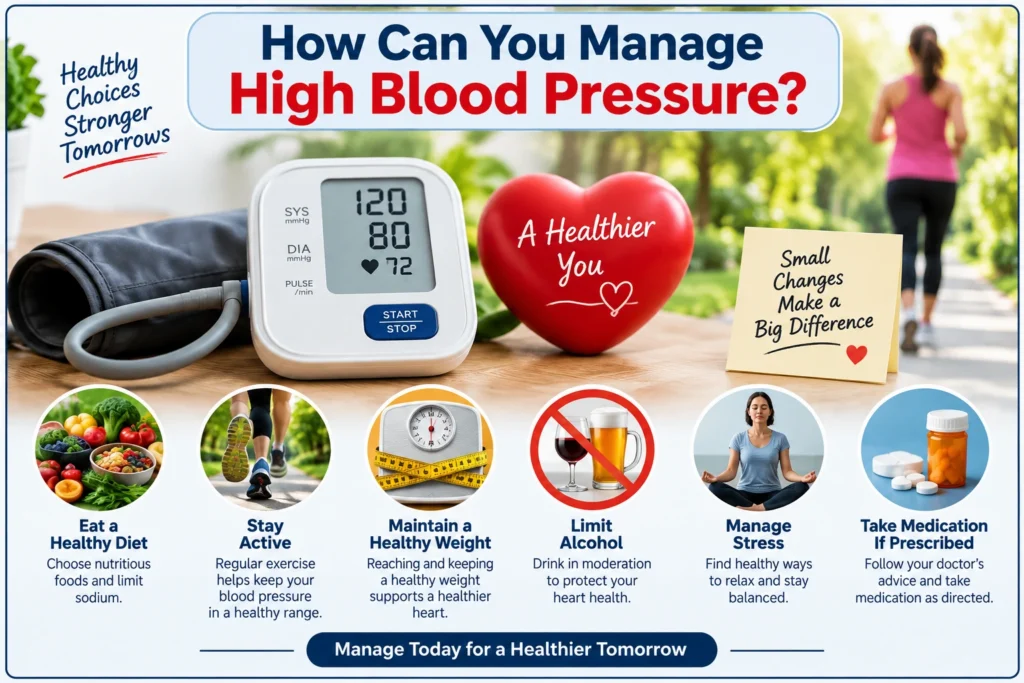
A high blood pressure diagnosis does not mean that you have no options.
Many people can improve their blood pressure through a combination of lifestyle changes, regular monitoring, and medication when appropriate.
Eat a Heart-Healthy Diet
What you eat can play an important role in cardiovascular health.
A heart-healthy diet should include nutritious foods while limiting excess sodium. Highly processed foods can contain large amounts of sodium, so choosing less processed options can be helpful.
Your health care professional can help you determine an eating pattern that fits your individual needs.
Stay Physically Active
Regular physical activity supports heart health and can help with blood pressure management.
Walking, swimming, cycling, and other activities can be incorporated into a healthy routine.
If you have a medical condition or have not exercised regularly, speak with a health care professional before starting a new exercise program.
Work Toward a Healthy Weight
Maintaining a healthy weight can support better cardiovascular health.
For people who are overweight, gradual and sustainable weight management may help improve blood pressure and reduce other cardiovascular risks.
Small, consistent changes can be easier to maintain than extreme short-term approaches.
Limit Alcohol
Excessive alcohol consumption can contribute to higher blood pressure.
Keeping alcohol consumption within recommended limits can be part of a broader strategy for maintaining cardiovascular health.
Find Healthy Ways to Manage Stress
Stress can make it harder to maintain healthy habits and may affect overall cardiovascular health.
Regular exercise, adequate rest, relaxation activities, and time spent doing things you enjoy can help you develop healthier ways to manage everyday stress.
Take Blood Pressure Medication When Prescribed
Lifestyle changes are helpful, but they are not always enough to control hypertension.
Some people need medication to bring their blood pressure down and reduce the risk of complications.
If medication is prescribed, take it according to your health care professional’s instructions. If you have concerns about side effects or your treatment, discuss them with your provider instead of stopping medication on your own.
Why Regular Blood Pressure Checks Matter
You cannot always tell when your blood pressure is high.
That is why checking it regularly is important. A person can feel completely normal while having elevated blood pressure.
Monitoring can help identify a problem earlier and give you and your health care professional an opportunity to decide what steps may be appropriate.
The right monitoring schedule depends on your health, blood pressure readings, and medical history.
When Should You Get Urgent Medical Help?
High blood pressure often has no symptoms, but certain symptoms can indicate a serious medical problem.
Seek emergency medical care if you experience symptoms such as:
- Sudden or severe chest pain
- Difficulty breathing
- Sudden weakness or numbness
- Sudden trouble speaking
- Sudden changes in vision
- Severe or unusual headache
- Confusion
- Loss of consciousness
Possible heart attack or stroke symptoms should never be ignored.
Why is checking blood pressure important if I feel healthy?
Because high blood pressure often does not cause noticeable symptoms. Checking your blood pressure can reveal a problem that you might otherwise not know about.
Final Thoughts
High blood pressure is common, but that does not make it harmless.
The condition can quietly place stress on your blood vessels and heart and may increase the risk of heart attack, stroke, heart failure, kidney damage, vision problems, cognitive decline, and other complications.
The most important step is not to ignore it.
Regular blood pressure checks can help you understand your numbers. Healthy eating, physical activity, maintaining a healthy weight, limiting alcohol, and managing stress can support better cardiovascular health. When medication is recommended, taking it as directed can also be an important part of treatment.
If you are concerned about your blood pressure, talk with a qualified health care professional. Finding and managing high blood pressure early can help protect your health over the long term.
Frequently Asked Questions
Can high blood pressure cause problems without symptoms?
Yes. High blood pressure can remain unnoticed while gradually damaging blood vessels and organs. This is one of the main reasons regular blood pressure checks are important.
What organs can high blood pressure affect?
Long-term hypertension can affect the heart, brain, kidneys, eyes, and blood vessels. It can also contribute to problems with sexual function.
Can high blood pressure cause a heart attack?
High blood pressure can damage arteries and increase the risk of heart disease and heart attack.
Can hypertension cause a stroke?
Yes. High blood pressure can damage blood vessels and increase the risk of blocked or damaged blood vessels in the brain, which can contribute to stroke.
Can high blood pressure damage the kidneys?
Yes. Persistent hypertension can damage the blood vessels that supply the kidneys and interfere with their ability to function properly.
Can high blood pressure affect eyesight?
Yes. Elevated blood pressure can damage small blood vessels in the eyes and may contribute to serious vision problems.
Can hypertension affect memory?
Long-term damage to blood vessels in the brain may contribute to difficulties with memory, concentration, and thinking. Hypertension is also associated with vascular dementia.
Can high blood pressure affect sexual health?
Yes. Hypertension is associated with erectile dysfunction in men and may contribute to reduced sexual desire in women.
Can lifestyle changes lower blood pressure?
Healthy eating, regular physical activity, maintaining a healthy weight, limiting alcohol, and managing stress can all support blood pressure management. Some people may also need medication.
Does everyone with high blood pressure need medication?
No. Treatment depends on a person’s blood pressure readings, overall health, risk factors, and other circumstances. Some people may need medication, while others may be able to improve their blood pressure through lifestyle changes and monitoring.

