
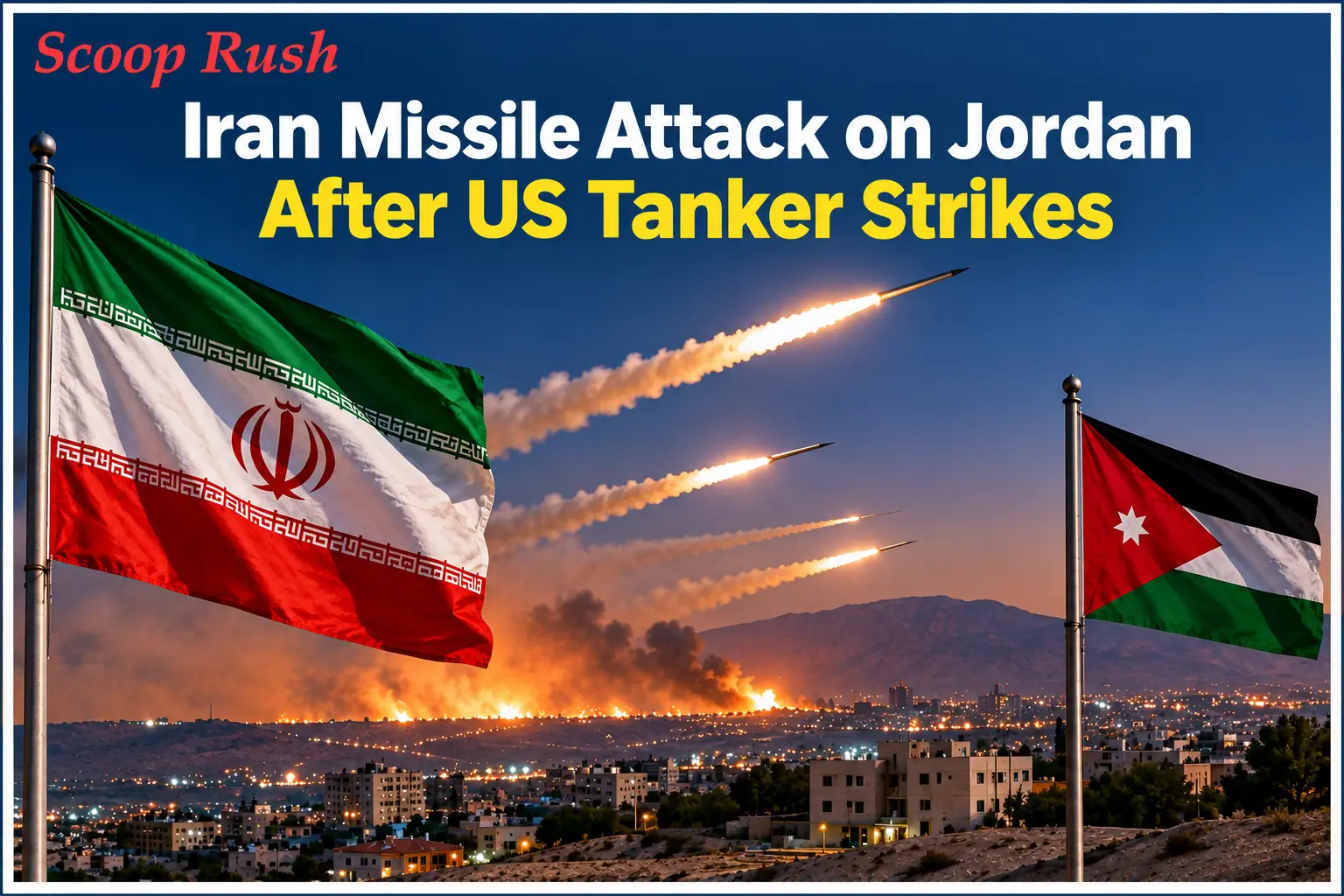
An Iran missile attack on Jordan hit a US-linked military base early Wednesday morning. Explosions lit up the sky and were visible across large parts of the region. The strike came hours after US forces destroyed five Iranian oil tankers in retaliation for earlier attacks. The exchange marks a sharp new escalation between Washington and Tehran.
Tensions had already been high across the Gulf region for months, fueled by repeated naval standoffs and shipping disputes. This latest clash raises fresh fears of a wider regional war spreading beyond Iran’s borders. Global oil markets reacted almost immediately to the news, with prices climbing during early trading. Analysts now warn that any further strikes could push the region into deeper conflict.
US Forces Destroy Five Iranian Oil Tankers
US Central Command confirmed it destroyed five Iranian crude carriers on Tuesday. Four ships operated in the Gulf of Oman, an area known for heavy tanker traffic. The fifth vessel was anchored near Kharg Island, a major Iranian oil hub. US officials linked all five tankers to Iran’s shadow fleet network.
The strikes followed two failed Iranian missile attacks on a US Navy warship over the past two days. The warship dodged both attacks and kept patrolling regional waters without pausing operations. No American troops suffered any injuries during the incident, according to CENTCOM. US forces reportedly warned tanker crews to abandon ship before the strikes began, limiting casualties on the Iranian side as well.
Iran Launches Missile Attack on Jordan
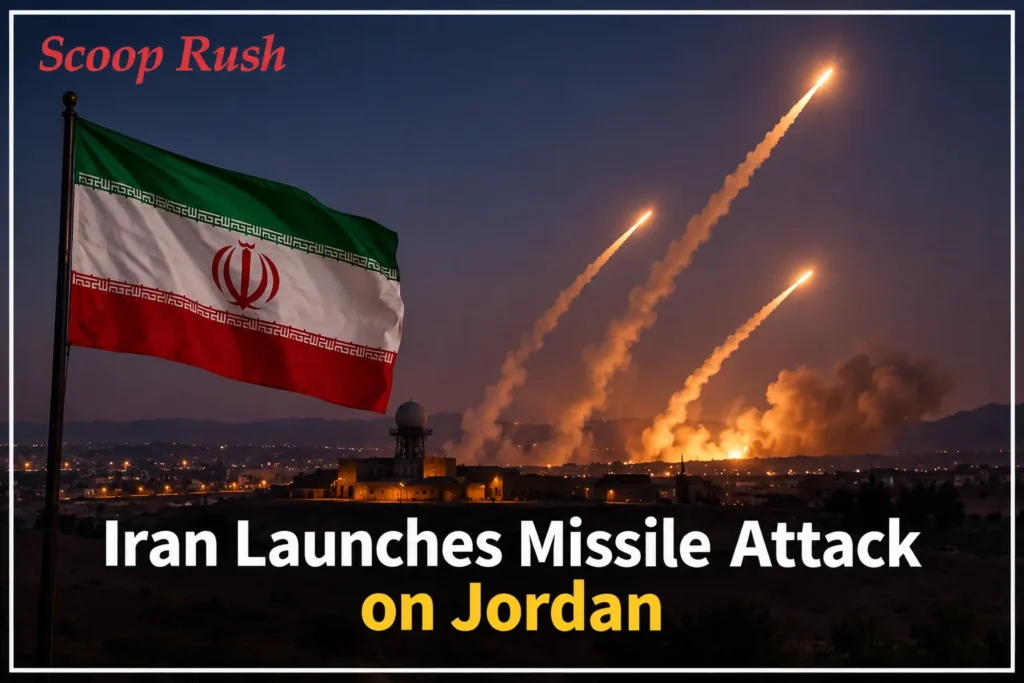
Iran responded quickly with a missile attack on Jordan just hours after the tanker strikes. Its Revolutionary Guard Corps targeted the Muwaffaq Salti air base near Al Azraq. The base hosts American military personnel, aircraft, and key regional equipment. Iranian state media described the strike as direct retaliation for the tanker losses.
Jordan’s air defenses intercepted 18 of the 20 missiles fired toward its territory. Footage showed interceptors lighting up the night sky over Jordan and nearby Syria. The remaining two missiles landed in empty desert areas without hitting any structures. Officials confirmed there were no casualties from the attack, calling the defense response a success.
Iran Threatens Tankers Near Kuwait and Bahrain
Iran also issued fresh warnings to shipping crews stationed across the Gulf. Its Revolutionary Guard told tanker crews near Kuwaiti ports to evacuate immediately. The same warning applied to vessels sitting near Bahraini waters. State broadcasters aired the message directly to crews still docked there.
Tehran accused both countries of supporting American military operations in the region. It claimed vessels docked or anchored there could soon become military targets. Officials described the two nations as partners in what they called hostile actions. This threat adds new risk for commercial shipping and could slow trade across the Gulf.
Kharg Island and Iran’s Oil Exports
Kharg Island plays a central role in Iran’s entire oil trade network. Nearly 90 percent of Iranian crude passes through this single hub. Pipelines connect the mainland to large storage and loading terminals there. The island has long served as Iran’s main gateway to international energy markets.
A strike near this island therefore carries serious economic weight for Tehran. Any lasting damage could disrupt Iran’s primary export route and cut revenue. Iranian state media also reported a separate strike near Jask port on the coast. Crews from the affected vessels reportedly evacuated safely using lifeboats after the attack.
Underwater Drone Dispute Adds to Tensions
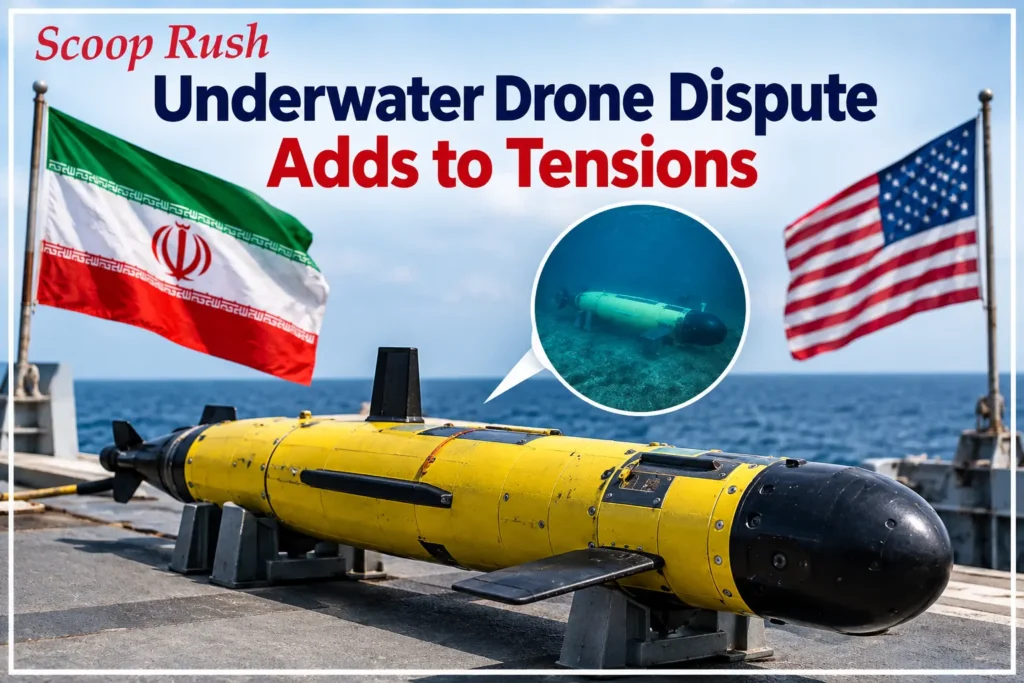
Before the tanker strikes, Iran claimed it captured a US underwater surveillance drone near the strait. Iranian officials described it as an advanced reconnaissance vehicle used for mapping and mine detection. State media released images said to show the captured equipment on display. The claim added to an already tense standoff between the two militaries.
US Central Command gave a very different version of these events. It said the drone had simply malfunctioned more than a day earlier. Officials added that it carried no classified sonar data or sensitive sensors. The conflicting accounts highlight how both sides keep shaping the narrative around each incident.
Strait of Hormuz Faces New Pressure
The Strait of Hormuz remains the central flashpoint in this ongoing conflict. Iran imposed a blockade on the waterway earlier in the war. The US later responded with its own counter-blockade targeting Iranian ports. Both sides now use the strait as leverage in their broader standoff.
Talks between Iran and Oman had shown some recent diplomatic progress before this attack. Iran’s foreign minister said an agreement on reopening the strait felt close. However, Tehran still demands an end to US sanctions and its port blockade first. Iran also wants ships to pay fees and seek permission before crossing the waterway.
Oil Prices Climb Amid Rising Tensions

Oil markets reacted fast to the latest confrontation between Washington and Tehran. Brent crude rose about 1.5 percent during early Asian trading hours. US crude prices increased by a similar margin soon after. Traders pointed to the tanker strikes and missile exchange as the main triggers.
Traders now worry about further attacks on energy infrastructure across the wider region. Houthi forces in Yemen also struck oil and civilian facilities in Saudi Arabia recently. Those attacks reportedly injured 73 people and sparked fires at key sites. Analysts warn that combined pressure from multiple fronts could push prices even higher.
Regional Allies Face Growing Security Risks
Jordan now faces direct exposure from this expanding US-Iran conflict. Its defenses successfully blocked most incoming missiles during this latest barrage. However, future attacks could still test its air defense capabilities further. Jordan’s role as a US military host makes it a repeated target for Iranian retaliation.
Kuwait and Bahrain also received direct threats from Iran over hosting American forces. South Korea has separately sent an inspection team to review Gulf security conditions. Seoul has not yet decided whether to deploy troops or naval assets. Many nations that rely on Gulf oil now face difficult security and diplomatic choices.
Conclusion
This latest escalation shows how fragile the region remains. A single strike can trigger swift and dangerous retaliation. Global markets and regional allies now watch closely.
Further attacks could easily widen this conflict. Diplomatic efforts may still offer a path to calm. For now, uncertainty continues to grow across the Gulf.
FAQs
1. Why did the US strike Iranian oil tankers?
The US said Iran tried to attack a US Navy warship twice. In response, American forces destroyed five tankers linked to Iran’s shadow fleet.
2. Where exactly did the Iran missile attack on Jordan happen?
Iran targeted the Muwaffaq Salti air base near Al Azraq. This base hosts American military personnel and equipment.
3. How many missiles did Jordan intercept?
Jordan’s air defense systems intercepted 18 out of 20 missiles. The other two landed in unpopulated areas without causing harm.
4. Why did Iran warn tankers near Kuwait and Bahrain?
Iran accused both countries of supporting US military operations. It warned that vessels there could become future targets.
5. How important is the Strait of Hormuz to global oil supply?
The strait carries roughly one-fifth of global oil shipments. Ongoing tensions there could disrupt supplies and raise energy prices worldwide.

