
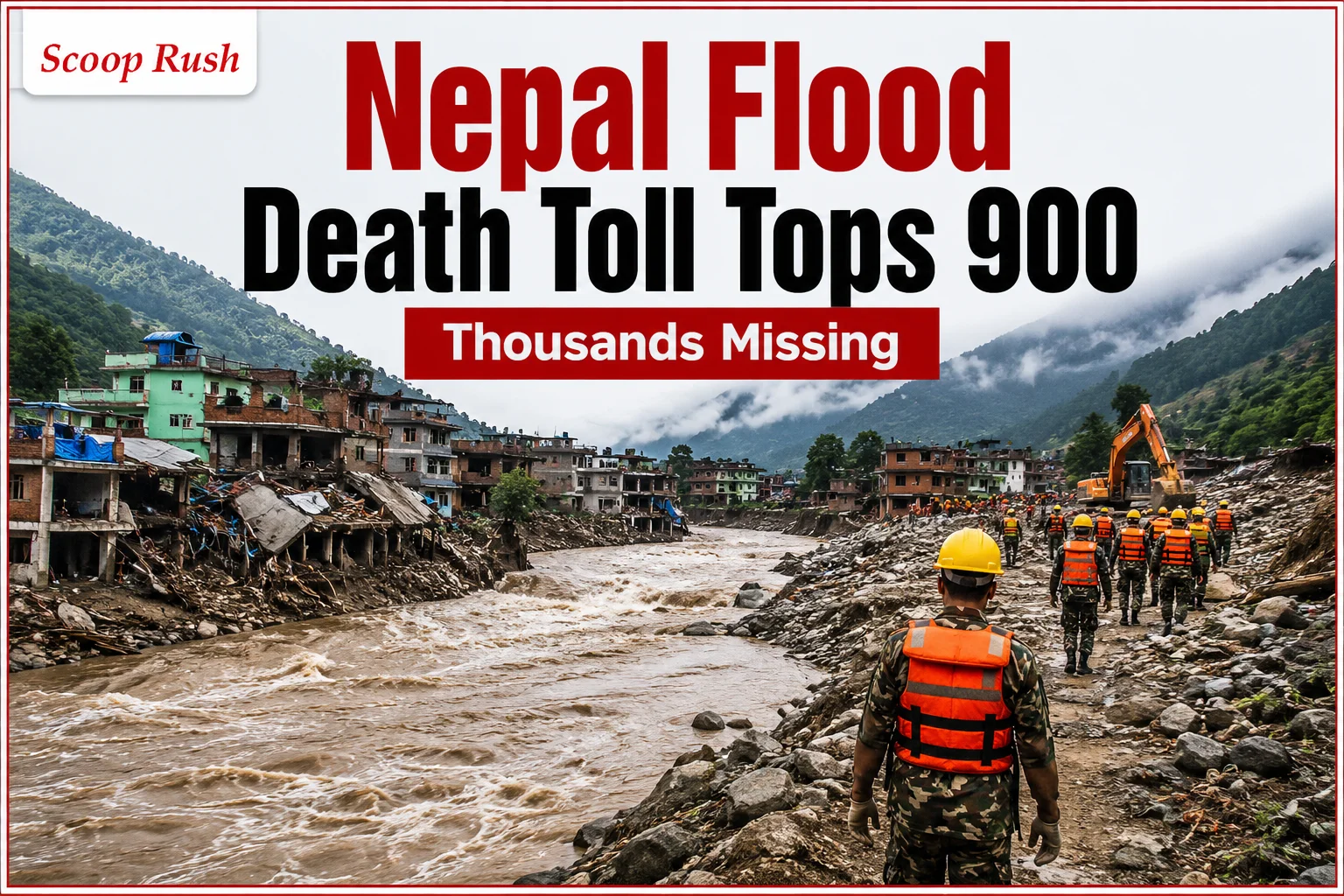
The Nepal flood death toll has climbed to 919 across Nepal and Tibet. Officials now say 4,793 people remain missing. The numbers cover both sides of the Nepal-China border, and they continue to rise daily as rescue teams reach more remote villages.
Emergency workers describe the scale of loss as one of the worst in the region’s recent history. Search crews are still combing through debris in flooded valleys. Meanwhile, families across Nepal wait anxiously for updates on missing relatives.
Death Toll Climbs on Both Sides of the Border
Nepal alone has confirmed 903 deaths so far. Officials also report 4,247 people missing within the country. Meanwhile, China has confirmed 16 deaths and 546 missing people in Tibet. These figures come from separate government agencies, and both sides continue to update their counts as search teams cover new ground.
The missing count jumped sharply in just one day. On Sunday, authorities listed 2,502 missing people. That number has nearly doubled since then. Officials say better communication from remote areas explains part of the surge, since many villages lost phone and internet access right after the floods hit. As signal returns to isolated valleys, more families are able to report loved ones as missing.
Hydropower Workers Trapped Inside Tunnels
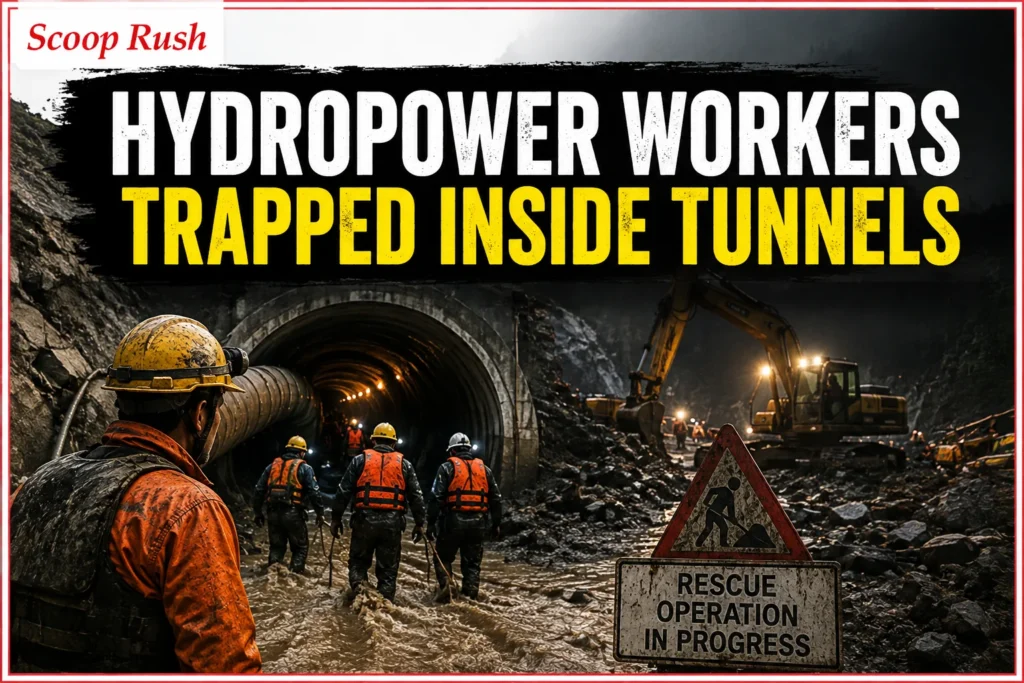
Rescue teams are focusing heavily on hydropower project sites. Around 933 workers remain unaccounted for at these locations. Many of them were likely working inside tunnels when the floods hit, leaving little time to escape rising water and mud. These sites sit deep in narrow river gorges, which makes access even harder for rescue crews.
The Upper Trishuli-1 project has the highest number of missing workers. Reports suggest nearly 400 people may have been trapped inside its tunnels during the flood surge. So far, crews have rescued 279 workers from various tunnel sites across the region. Of these, 254 came from Upper Trishuli-1 alone, giving families there some rare relief amid the wider tragedy.
Rescue Teams Battle Dangerous Conditions
Emergency crews face extremely tough conditions during search operations. Floodwaters destroyed major roads and bridges across the region, cutting off entire districts from outside help. As a result, helicopters remain the fastest way to reach isolated areas, though bad weather often grounds flights for hours at a time.
Nepal has deployed thousands of personnel to the disaster zone, including army units and trained mountain rescue teams. Additionally, China and India have sent specialist rescue teams to assist with tunnel searches and heavy machinery operations. Heavy rain continues to threaten these efforts. Rising rivers and fresh landslides could block roads again and put rescuers at further risk, forcing teams to pause work at short notice.
A New Threat: The Temporary Barrier Lake
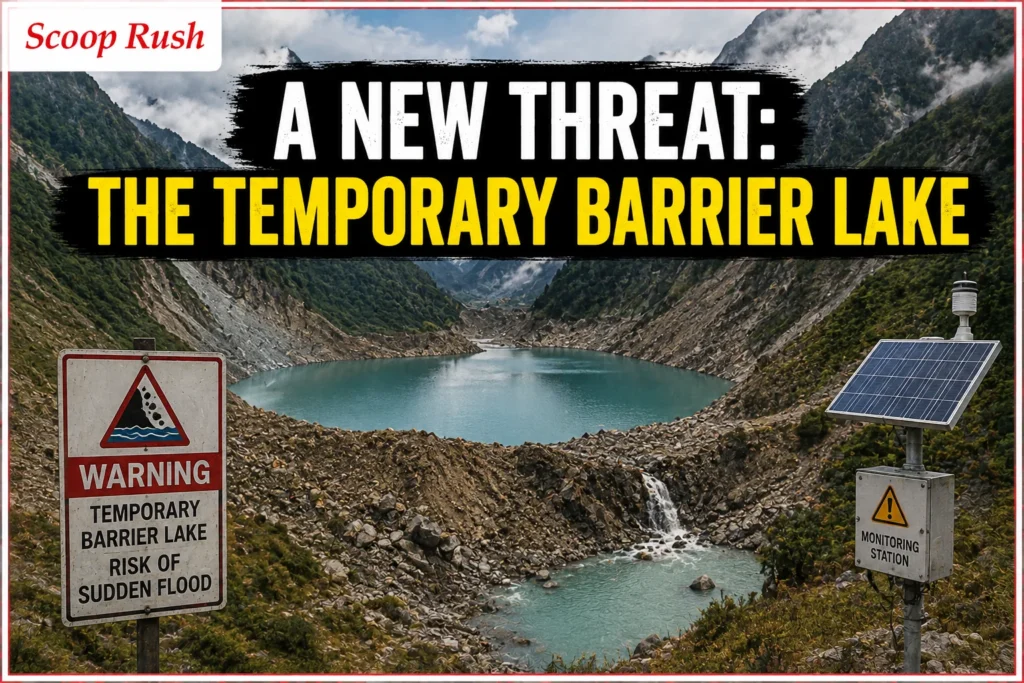
The floods created a dangerous new hazard near the Nepal-China border. A landslide blocked a river and formed a large temporary lake, trapping a growing volume of water behind loose debris. Authorities are watching the water level closely for any sign of instability, since a sudden break could send another wave of floodwater downstream.
China has flagged several high-risk zones near this lake for close monitoring using satellite imagery and ground sensors. Officials warn that heavy rain could raise water levels quickly and add pressure to the natural dam. For now, experts say a major breach remains unlikely. However, conditions could change fast if rainfall increases in the coming days, so evacuation plans remain ready for nearby communities.
Morgues Struggle Under Rising Death Toll
The sharp rise in the Nepal flood death toll has overwhelmed local morgues. Facilities cannot keep up with the number of bodies being recovered each day from rivers and collapsed buildings. Some remains have also suffered heavy damage from prolonged water exposure, which makes visual identification nearly impossible in many cases.
Because of limited storage space, authorities have used temporary burials for unidentified victims. This decision has drawn criticism, since cremation holds deep importance in Hindu tradition and families feel this step denies proper last rites. To help identify victims, officials are recording photographs and collecting DNA samples before burial. India has also sent an 18-member forensic team to support this identification work, bringing specialized lab equipment to speed up the process.
Foreign Nationals Remain Among the Missing
Foreign citizens make up a large share of Nepal’s missing list. Officials report 592 foreign nationals still unaccounted for, many of them trekkers and workers caught in the disaster zone. Several countries continue to search for their citizens and coordinate with Nepali authorities through their embassies.
The United States has confirmed missing citizens as well. A State Department spokesperson said about 85 Americans remained unaccounted for on Sunday, though officials caution the list may include duplicate entries. Nine Americans had already been safely evacuated by helicopter earlier in the operation. Separately, China reports 261 foreign nationals missing in Tibet, though these figures may overlap with Nepal’s list since some travelers crossed both regions.
Flood Damage Spreads Far Downstream
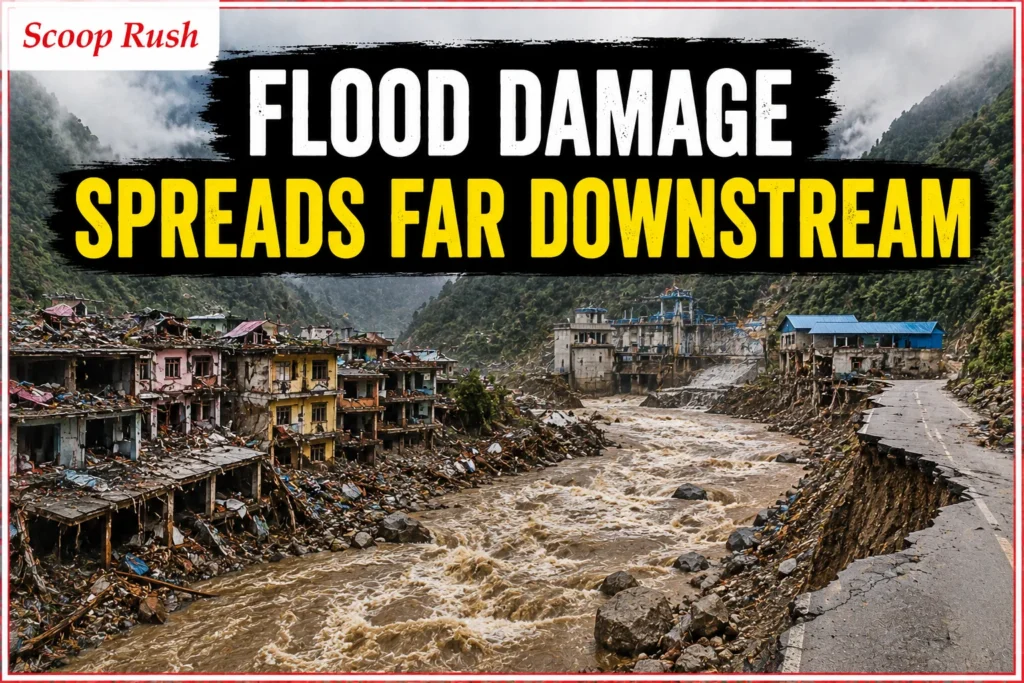
The disaster began near Nepal’s northern border after an ice and rock collapse sent debris crashing into a river valley. The resulting flood then traveled far downstream through major river valleys, gaining speed and volume as it moved. It swept away homes, roads, bridges, and vehicles along the way, leaving entire settlements buried under mud and rock.
The Bhotekoshi River carried much of this destruction toward southern communities, tearing through towns that had little warning. Several hydropower facilities suffered severe structural damage in the process, halting power generation for large parts of the country. This widespread destruction has made both rescue and recovery work far more difficult. Crews often must clear debris before they can even reach survivors trapped behind collapsed roads.
What Comes Next for Nepal
The coming days remain critical for ongoing rescue efforts. Teams will continue clearing tunnels and searching remote communities for any remaining survivors. At the same time, crews are working to reopen damaged roads and restore access to villages that have been cut off for days.
Authorities must also prepare for more rain and possible landslides in the coming weeks. Monitoring teams will keep a close watch on river levels and the temporary lake near the border. International support from India and China will likely continue as recovery work stretches on. Meanwhile, humanitarian groups are assessing urgent needs for over 90,000 affected people, including food, shelter, and medical care.
FAQs
1. What is the current Nepal flood death toll?
The Nepal flood death toll stands at 919 as of August 31. This includes 903 confirmed deaths in Nepal and 16 in Tibet, with both figures expected to rise as search teams reach more areas.
2. How many people are still missing in Nepal?
Nepal reports 4,247 missing people, while Tibet reports another 546. Combined, the regional total reaches 4,793, and officials say the list keeps changing as new reports come in.
3. Why are so many hydropower workers missing?
Floodwaters severely damaged several hydropower projects built along major rivers in the region. About 933 workers remain unaccounted for, many likely trapped inside tunnels blocked by mud and debris.
4. What triggered the Nepal floods?
An ice and rock collapse near the Nepal-Tibet border set off the disaster on August 26. The resulting floodwaters rushed through narrow river valleys and destroyed communities downstream within hours.
5. Is more flooding likely in Nepal?
Yes, further flooding remains a real risk in the region. Heavy rain continues to raise river levels, and a temporary barrier lake near the border is still being closely monitored for signs of failure.

