
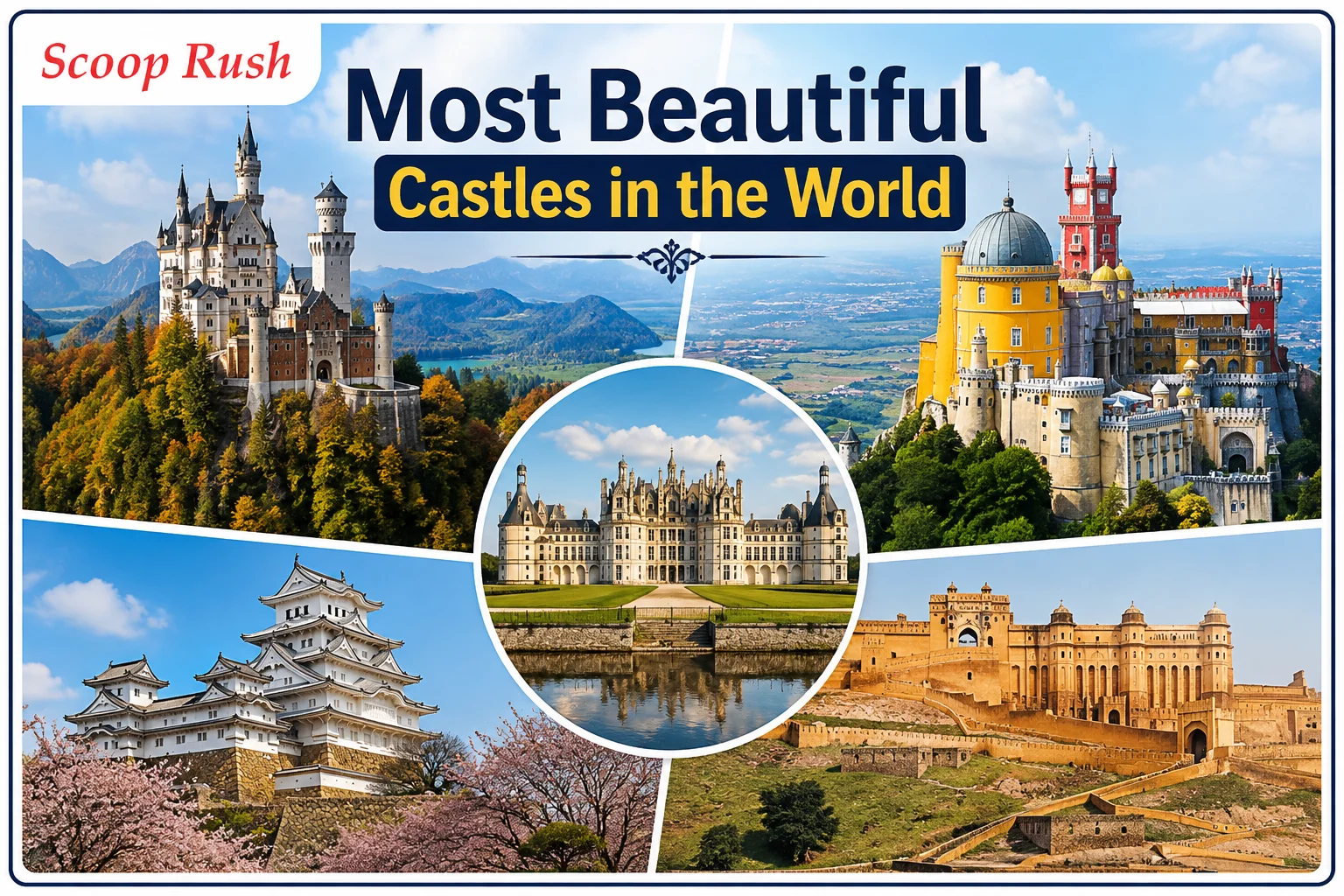
The most beautiful castles pull travelers in with grand design and rich history. They mix strong architecture with stories of kings, wars, and daily royal life. Some sit on cliffs. Others rise beside lakes or guard old cities. Each one shows a different side of human creativity and ambition.
This guide looks at some of the world’s finest castles. It covers their design, location, and history. Readers will also learn why these landmarks still draw millions of visitors every year.
Neuschwanstein Castle, Germany
Neuschwanstein Castle stands as one of Bavaria’s most famous landmarks. King Ludwig II built it in the late 1800s. He wanted a romantic design based on medieval fantasy and Wagner’s operas. The result feels more like a fairytale than a real fortress.
The castle sits against a dramatic Alpine backdrop. Snow-capped peaks and green valleys surround its tall towers. Filmmakers have used its striking look in several movies, including Chitty Chitty Bang Bang. This exposure helped turn Neuschwanstein into a global icon.
Pena Palace, Portugal
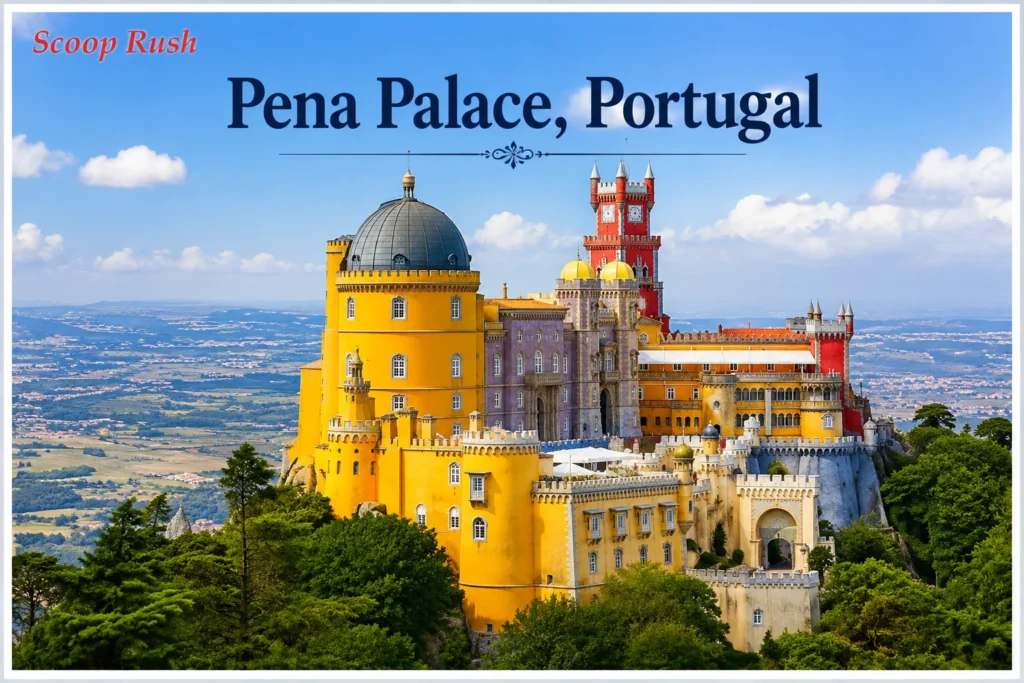
Pena Palace sits high above the town of Sintra. King Ferdinand II built it on the site of an old monastery. The design blends Gothic, Moorish, and Renaissance styles in one striking structure. Bold red and yellow walls make it instantly recognizable.
The palace reflects the Romantic style popular in 19th-century Europe. Its bright colors create a playful contrast with older stone fortresses. Visitors can walk through several historic rooms inside the palace. The surrounding hills and gardens add even more charm to the site.
Himeji Castle, Japan
Himeji Castle represents Japan’s finest surviving feudal architecture. People call it the White Heron Castle because of its pale walls. Its shape resembles a bird about to take flight. UNESCO has listed it as a World Heritage Site.
Builders completed most of the current structure in the early 1600s. The castle sits close to both Osaka and Kobe. Visitors can join guided tours in Japanese or English. Himeji blends stunning design with deep cultural meaning.
Amber Fort, India
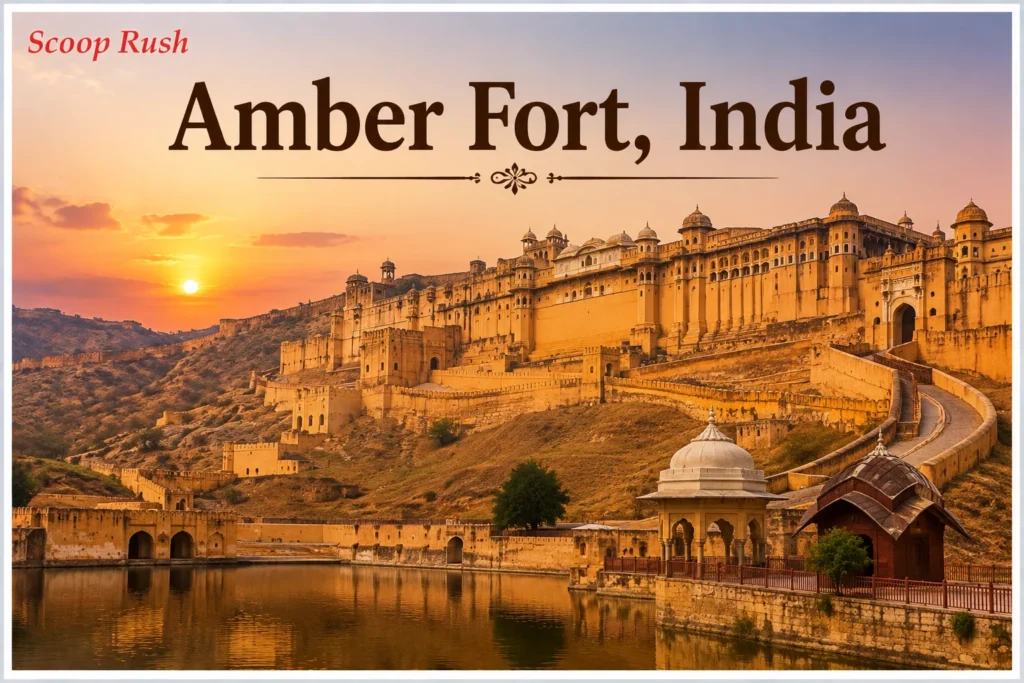
Amber Fort crowns a hill near Jaipur in Rajasthan. Its walls look out over the calm waters of Maota Lake. The complex holds several courtyards and richly decorated halls. These include the Maharaja’s private apartments and the Diwan-i-Am.
The fort shows classic Rajput architectural style. Its hilltop position creates sweeping views across the landscape below. Visitors can walk through the complex at their own pace. Four-wheel-drive taxis now carry guests up the steep approach road.
Château de Chambord, France
Château de Chambord stands in France’s scenic Loire Valley. King François I ordered its construction in the early 1500s. He first planned it as a simple hunting lodge. Builders worked on the project for 28 years.
The château marks a shift toward Renaissance palace design. Its moat, towers, and central keep form a classic castle outline. These features now serve mainly a decorative purpose. The famous double-helix staircase remains its most talked-about detail.
Edinburgh Castle, Scotland
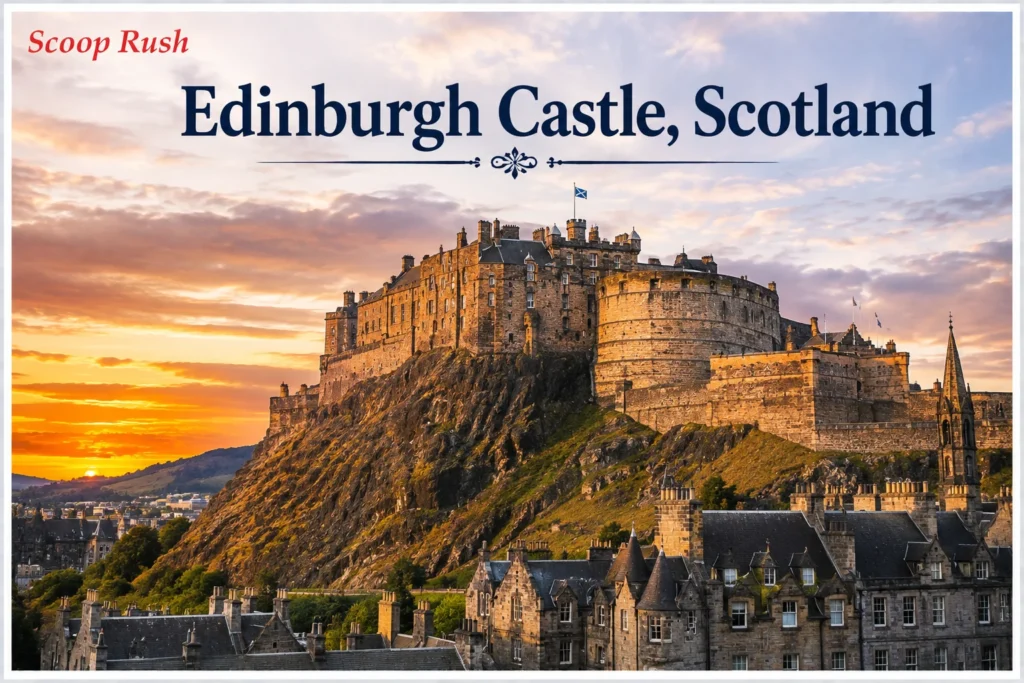
Edinburgh Castle rules the Scottish skyline from an old volcanic rock. It sits at the top of the Royal Mile. Records show the castle faced at least 26 major attacks over 1,100 years. This history makes it one of the most fought-over sites in Britain.
The castle links visitors to key figures in Scottish history. Mary Queen of Scots remains one of its most famous residents. The Honours of Scotland, the country’s crown jewels, stay housed inside. The site also hosts concerts, festivals, and military shows throughout the year.
Alcázar of Segovia, Spain
The Alcázar of Segovia rises above a narrow rocky ridge. It overlooks the wide plains of Old Castile below. Builders first raised a fort here during Roman times. Over the centuries, the site grew into a full medieval castle.
The fortress features tall towers, a deep moat, and a working drawbridge. Richly decorated royal chambers sit inside its solid stone walls. Queen Isabella and King Philip II both had close ties to the site. The Alcázar mixes military strength with royal comfort in equal measure.
Predjama Castle, Slovenia
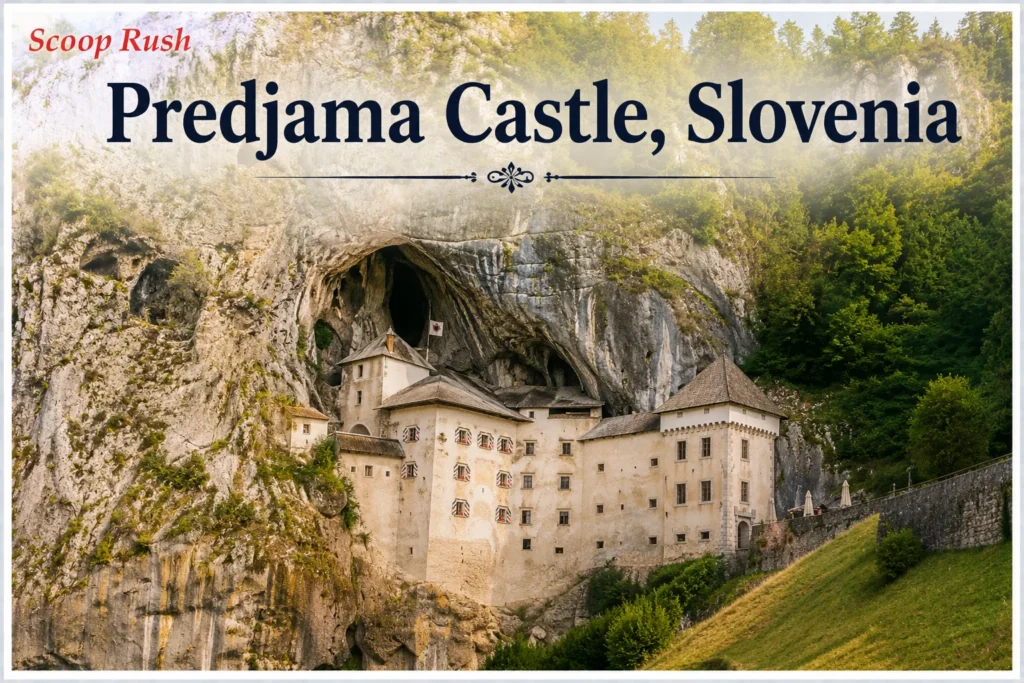
Predjama Castle holds one of Europe’s strangest locations. Builders placed it directly across the mouth of a cave. A natural rock arch wraps around much of the cliffside setting. This unusual position made the castle very hard to attack.
The structure dates back to the 13th century. A hidden passage once let defenders slip past any siege outside. That secret tunnel still exists inside the castle today. Each July, the grounds host the lively Erasmus Knight’s Tournament.
Trakai Island Castle, Lithuania
Trakai Island Castle sits in the middle of scenic Lake Galvė. Builders raised this red-brick fortress in the 14th century. Its Gothic style stands out sharply against the blue water around it. Green forests complete the castle’s postcard-perfect setting.
The site represents an important part of Lithuania’s medieval past. Visitors can tour preserved rooms and historical exhibits inside. Several viewpoints around the lake offer excellent photo opportunities. Together, the water, stone, and trees create a true fairytale scene.
Eltz Castle, Germany
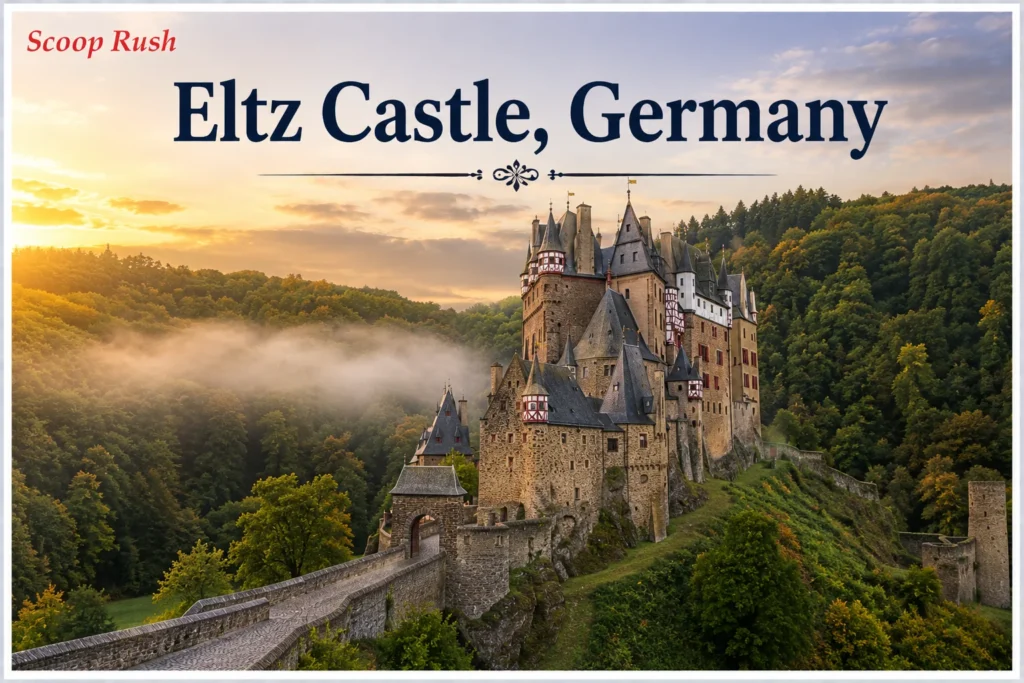
Eltz Castle offers another fairytale image found in Germany. The same family has owned it for many generations. This long, unbroken history adds a personal layer to its architecture. The wooded valley setting adds even more atmosphere for visitors.
Travelers usually reach the castle from the nearby city of Koblenz. A pleasant walking trail leads from the parking area to the site. Guests need a guided tour to see the interior rooms. This deep family history makes Eltz a favorite among castle lovers.
Malbork Castle, Poland
Malbork Castle stands as one of Europe’s largest Gothic structures. Its thick brick walls create a bold and imposing outline. Detailed Gothic touches appear throughout the massive complex. The sheer scale makes it one of the continent’s most striking medieval sites.
The castle sits within easy reach of the city of Gdańsk. Travelers often add it to a wider trip through northern Poland. Its mix of size, design, and history draws steady crowds each year. The complex offers strong visual appeal both inside and outside its walls.
Castles That Combine Beauty and History
The charm of the most beautiful castles goes beyond their looks. Their walls hold stories about rulers, wars, families, and shifting power. Many also show how builders adapted design to meet defensive needs. Castles once protected people, yet they also served as comfortable homes.
Today, most of these sites work as cultural attractions and living museums. Visitors can join tours, view exhibits, and watch historical demonstrations. Some castles also host films, concerts, and public festivals throughout the year. These events help link modern travelers with centuries of history.
Why These Castles Continue to Attract Visitors
Location plays a huge role in each castle’s lasting appeal. Neuschwanstein uses the Alps as a dramatic natural backdrop. Trakai rises gracefully from the calm waters of a lake. Predjama blends solid stone architecture with a towering cliff and cave.
Architecture also draws steady streams of curious travelers each year. Pena Palace uses bold colors and mixes several historic styles together. Himeji presents elegant white walls paired with traditional Japanese design. Chambord adds Renaissance grandeur through its scale and famous spiral staircase.
Final Thoughts
The most beautiful castles offer far more than great photos. They connect architecture with landscapes, history, and lasting cultural identity. Some look like fairytale palaces, while others still show strong defensive features. Each site reflects the people and periods that shaped it.
From Japan’s Himeji Castle to Portugal’s Pena Palace, variety defines this list. Germany’s Neuschwanstein brings romance to the foot of the Alps. India’s Amber Fort adds a distinct South Asian architectural style. Together, these landmarks show why castles remain timeless travel destinations.
FAQs
1. What are the most beautiful castles in the world?
Neuschwanstein, Pena Palace, Himeji, and Chambord rank among the top picks. Each castle offers a unique architectural style and setting. Together, they represent centuries of design across different cultures.
2. Which castle looks like a fairytale castle?
Neuschwanstein Castle has the strongest fairytale look of any site. Its towers rise dramatically against the Bavarian Alps. King Ludwig II designed it around romantic medieval ideals.
3. Which castle has the most unusual location?
Predjama Castle holds one of the most unusual settings in Europe. Builders placed it directly across the mouth of a cave. This cliffside position also gave it strong natural defenses.
4. Which castle is famous for its colorful design?
Pena Palace stands out for its bold red and yellow walls. Its design mixes Gothic, Moorish, and Renaissance influences together. This colorful style reflects the Romantic movement of its era.
5. Why do people still visit historic castles today?
Castles combine architecture, history, scenery, and cultural experiences in one place. Many now offer guided tours, exhibits, and seasonal events. Visitors can explore the past while enjoying beautiful surroundings.

