
AI Travel Glasses Promise Convenience, But Can You Really Trust Them?
Imagine exploring one of the world’s most famous cities with an AI assistant built into your glasses. It sounds futuristic and convenient, but what happens when that assistant confidently gives you the wrong answer? A weekend trip to Paris using Ray-Ban Meta smart glasses revealed both the exciting possibilities and the surprising limitations of wearable AI technology for travelers.
Wearable AI Is Changing the Way People Travel
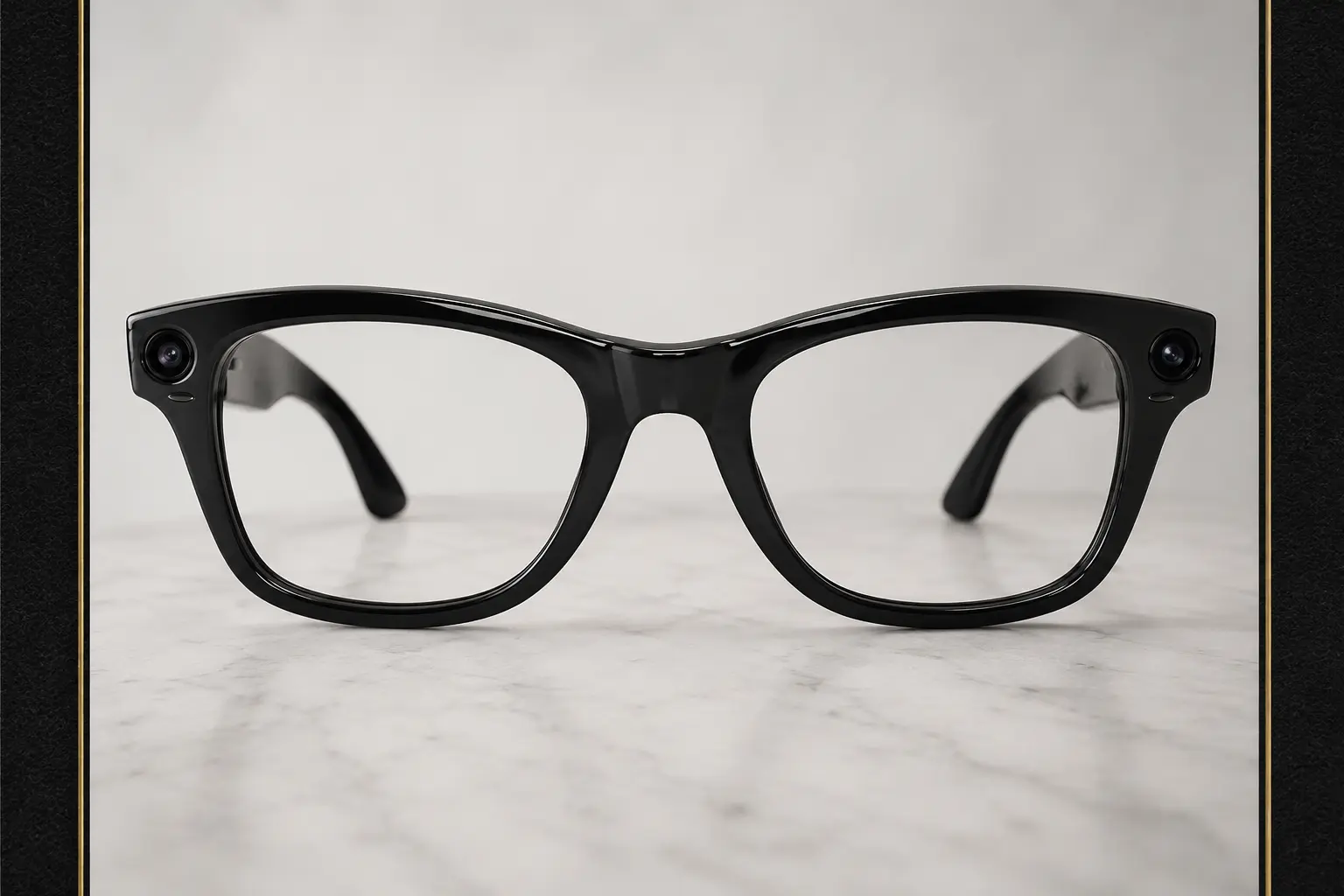
Ray-Ban Meta smart glasses, launched through a partnership between Meta and EssilorLuxottica, are becoming increasingly popular among travelers. The glasses combine cameras, microphones, speakers, and artificial intelligence into a frame that looks like ordinary eyewear.
They promise to help users with tasks such as:
- Translating menus and signs
- Providing travel information
- Giving navigation assistance
- Taking hands-free photos and videos
- Answering questions about landmarks
- Offering restaurant recommendations
For people visiting unfamiliar destinations, these features could reduce the need to constantly check a smartphone.
Testing the Glasses in Paris
During a weekend in Paris, the smart glasses proved useful for many everyday travel situations.
They successfully translated French text into English, summarized café menus, converted currencies, and provided historical facts about famous locations. The voice-guided navigation also allowed the traveler to keep listening to surroundings instead of wearing headphones.
Using AI through audio rather than a screen made sightseeing feel more natural in many situations.
Accuracy Problems Raise Concerns
Despite their convenience, the glasses were not always reliable.
When asked about the height of the Eiffel Tower, they gave two different answers within minutes. Although the difference was small, the inconsistency highlighted a larger issue: users may not always know whether the information provided by AI is accurate.
The glasses often answered with great confidence, even when details could be incorrect or inconsistent. This means travelers should still verify important facts instead of relying entirely on AI.
Translation and Travel Assistance Perform Well
Some of the strongest features involved language support.
The glasses accurately translated newspaper text and café menus while providing spoken explanations. They also worked well for quick currency conversions and basic travel questions, reducing the need to search on a phone.
For travelers visiting countries where they do not speak the language, these tools could save time and reduce stress.
Camera Features Have Limitations
The built-in camera offers hands-free photography from the wearer’s perspective, but it lacks many controls available on smartphones.
Users cannot manually zoom or adjust focus, and images may appear tilted if the glasses are not positioned perfectly. As a result, travelers looking for high-quality vacation photos may still prefer using their phones or dedicated cameras.
Privacy Remains a Major Issue
One of the biggest concerns surrounding AI smart glasses is privacy.
Because the devices contain discreet cameras, people nearby may not realize they are being recorded or photographed. Critics argue that this raises ethical questions, especially in public spaces.
In addition, some voice interactions and recordings may be processed or stored to improve AI systems, prompting concerns about how user data is handled.
Does AI Improve the Travel Experience?
While the technology can simplify navigation and information gathering, it may also reduce spontaneous human interactions.
Instead of asking locals for directions or recommendations, users may increasingly rely on AI assistants. Some travelers believe that getting lost, discovering hidden places by chance, or talking to strangers creates the most memorable travel experiences.
Smart glasses make travel more efficient, but they may also place another layer of technology between visitors and the places they are exploring.
Best Uses for AI Smart Glasses
The technology appears most valuable for:
- International trips where language barriers exist
- Business travel with limited time
- Quick translation of menus and signs
- Hands-free navigation
- Fast access to historical facts and local information
However, users should still double-check important information and remain aware of privacy considerations.
Final Verdict
Ray-Ban Meta smart glasses showcase the exciting future of wearable AI, offering practical tools that can make travel easier and more convenient. Features like live translation, voice navigation, and instant answers are genuinely useful.
At the same time, occasional factual errors, privacy concerns, and reduced human interaction remind travelers that technology should enhance experiences rather than replace them. For many people, the best adventures still come from unexpected discoveries that no AI can plan.
FAQs
1. What are Ray-Ban Meta smart glasses?
They are AI-powered wearable glasses that combine a camera, microphones, speakers, and a voice assistant to help users take photos, translate text, answer questions, and navigate hands-free.
2. Can AI smart glasses translate foreign languages?
Yes. They can translate text and provide spoken explanations, making them useful for reading menus, signs, newspapers, and other written content while traveling.
3. Are AI travel glasses always accurate?
No. While they often provide helpful information, they can occasionally produce incorrect or inconsistent answers. Important facts should always be verified through reliable sources.
4. What are the biggest privacy concerns with smart glasses?
The built-in cameras may record or photograph people without their knowledge, and some voice interactions may be processed to improve AI services, raising concerns about personal privacy and data handling.
5. Are AI smart glasses worth buying for travel?
They can be valuable for travelers who need translation, hands-free navigation, or quick information, especially in unfamiliar countries. However, users should balance convenience with privacy considerations and avoid relying on AI for critical information.

