
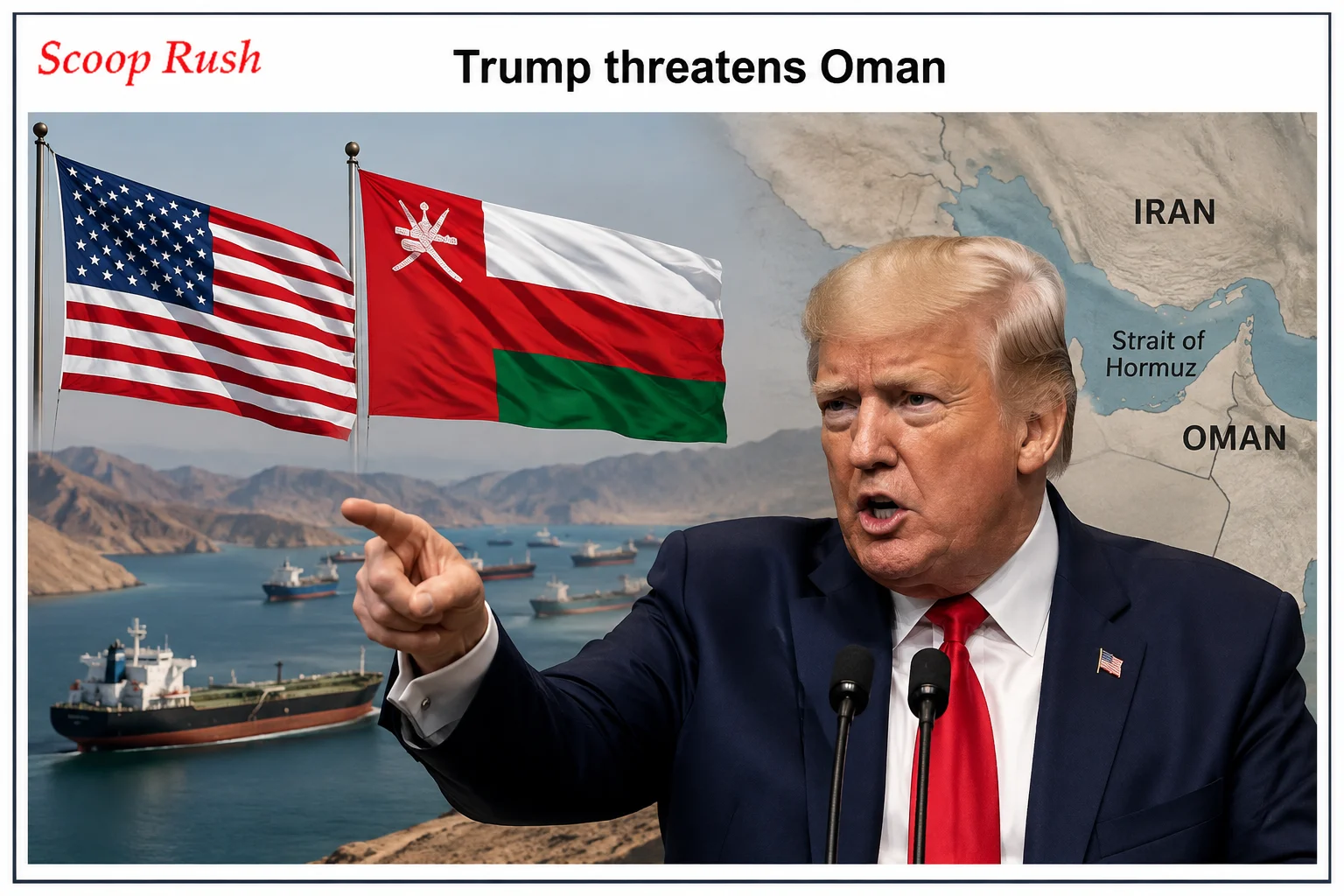
Trump threatens Oman after the U.S.-Iran negotiation deadline expired without a final agreement. The warning adds fresh tension around the Strait of Hormuz. Trump said Oman could face attack if it interferes with American efforts there.
The comments came as Washington and Tehran remained divided over ending their conflict. The 60-day negotiation period under their June memorandum has now expired. However, Iran disputes the idea of a strict deadline. Tehran says the memorandum allowed negotiations to continue or extend.
Trump Issues Sharp Warning to Oman
Trump made the warning during a phone interview with Fox News. He discussed ongoing efforts involving Iran and the Strait of Hormuz. Trump said Oman should not interfere with American objectives there. He threatened military action if Oman became an obstacle.
The remarks represent a serious escalation in Washington’s rhetoric toward Oman. Oman has maintained close security ties with the United States. It also plays an important diplomatic role across the region. Muscat has repeatedly helped facilitate communication between opposing sides.
Oman Plays a Key Role in Iran Talks
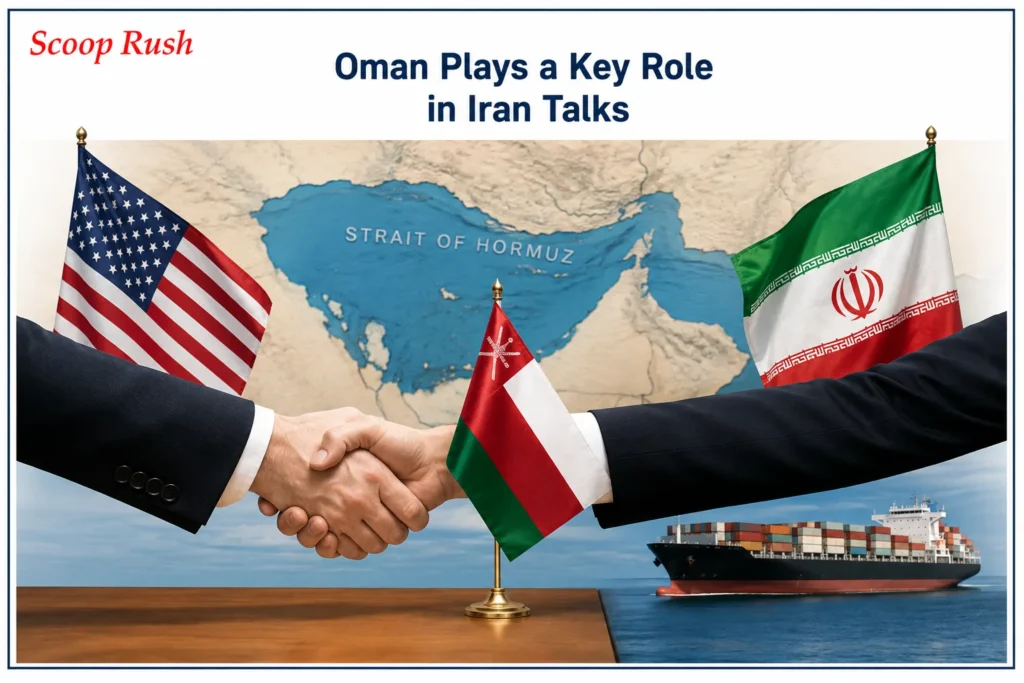
Oman has long served as a channel between Washington and Tehran. Its diplomatic position allows it to communicate with both countries. That role became especially important during the latest regional conflict. Omani officials have continued discussions surrounding the Strait of Hormuz.
Iran and Oman have discussed arrangements concerning commercial shipping through the waterway. Reports indicate that both sides have worked on a proposed shipping route map. The discussions aim to support the eventual reopening of the strait.
Strait of Hormuz Becomes Central to the Dispute
The Strait of Hormuz remains central to the wider U.S.-Iran confrontation. The waterway connects the Persian Gulf with the Gulf of Oman. It also serves as a major route for international energy shipments. Any prolonged disruption could therefore affect global markets.
Washington wants the strait reopened for international commercial shipping. Iran has demanded changes involving the blockade and American military presence. The two sides remain far apart over those conditions. Their disagreement has complicated efforts to restore normal maritime traffic.
U.S.-Iran Negotiation Deadline Expires
The United States and Iran agreed to a memorandum in June. The agreement created a 60-day period for negotiations toward a broader settlement. That period expired on August 17 without a final agreement. The collapse leaves major questions about the conflict’s next stage.
However, Iran rejects Washington’s interpretation of the deadline. Iranian Foreign Ministry spokesman Esmaeil Baghaei said the deadline lost relevance. He said the memorandum did not create an absolute expiration date. Iran also accused the United States of violating the agreement.
Trump Says He Is Not Rushing a Deal
Trump has played down the importance of the expired negotiation window. He said he has no fixed timetable for reaching another agreement. He also said he was not in a hurry to end the conflict. His comments suggest Washington could maintain pressure on Tehran.
Trump has repeatedly identified Iran’s nuclear program as his main concern. He wants guarantees that Iran cannot obtain a nuclear weapon. At the same time, his administration faces pressure over the economic effects. The Strait of Hormuz remains particularly important to global energy markets.
Trump Claims Backchannel With Iran
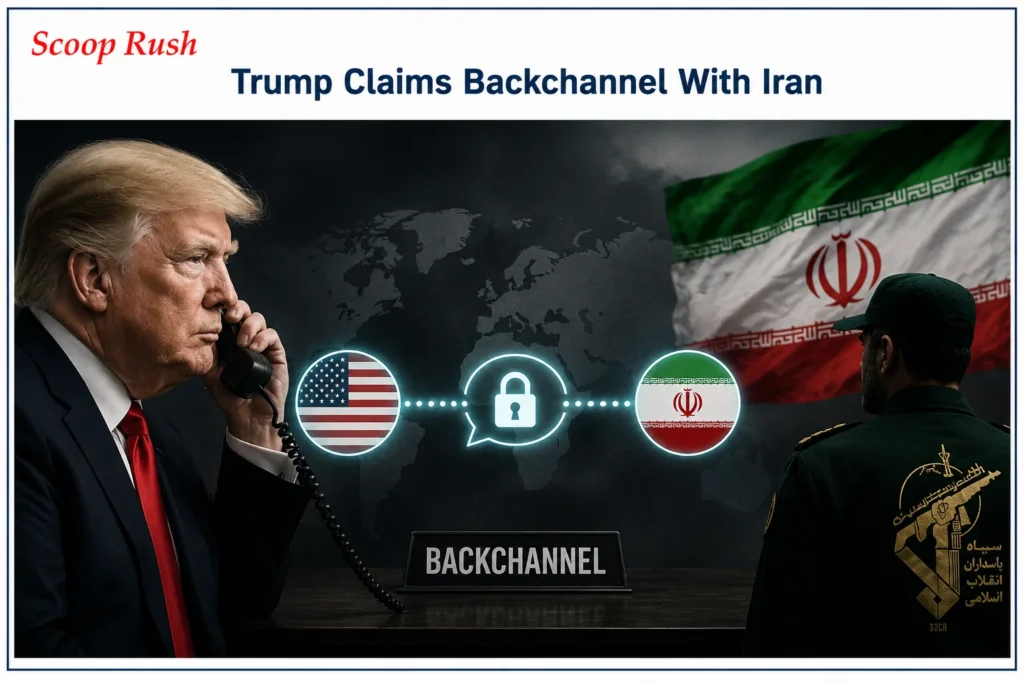
Trump also said his administration maintains a backchannel with Iran. He claimed the channel involves Iran’s Islamic Revolutionary Guard Corps. Such a channel could provide an alternative route for exchanging messages. It could also help prevent misunderstandings during the ongoing confrontation.
However, Iran has publicly rejected several American claims about negotiations. Tehran has repeatedly questioned Washington’s commitment to previous arrangements. The reported backchannel therefore does not guarantee meaningful diplomatic progress. Both sides still face major disagreements over security and sanctions.
Iran Faces Pressure Over the Strait
Iran’s position remains closely linked to the future of the waterway. Tehran wants conditions addressed before normal shipping resumes. Those conditions include broader issues connected to the conflict. Iran also opposes continued American military pressure around its territory.
Meanwhile, Washington wants shipping restored under conditions acceptable to international maritime traffic. The competing demands have made the strait a major bargaining point. Any agreement would need cooperation from several regional actors. Oman could therefore remain central to future diplomatic efforts.
Kushner Pushes Gaza Peace Plan
The Iran dispute unfolded alongside renewed efforts over the Gaza conflict. Trump’s son-in-law and envoy Jared Kushner met Israeli Prime Minister Benjamin Netanyahu. The meeting followed Kushner’s rare talks with Hamas representatives in Cairo. Washington wants to restart its stalled Gaza peace initiative.
Kushner’s discussions focused on moving the proposed plan forward. Hamas and Israel continue to disagree over the order of key steps. Hamas has discussed disarmament alongside an Israeli withdrawal. Netanyahu has opposed arrangements that do not require full disarmament first.
Gaza Dispute Adds Pressure Across the Region
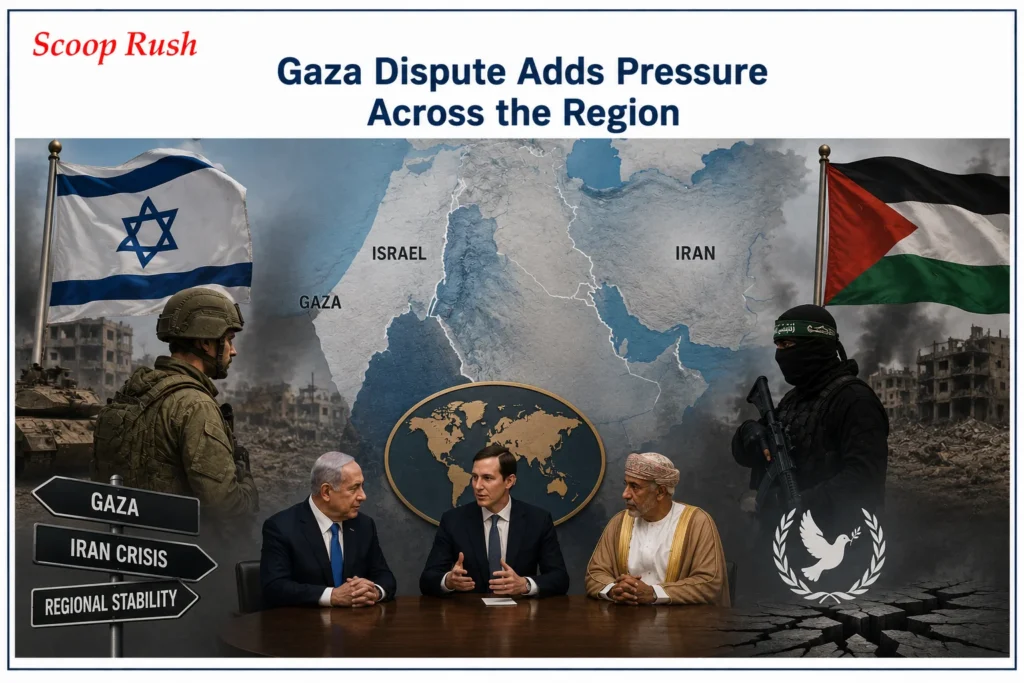
The Gaza negotiations remain another major challenge for the Trump administration. Progress depends on resolving disagreements between Israel and Hamas. The two sides still differ over security and military withdrawal. They also face difficult questions about Gaza’s future governance.
Kushner’s meetings show Washington is pursuing several diplomatic tracks simultaneously. However, progress remains uncertain across each track. The Iran crisis and Gaza conflict also remain connected politically. Further escalation in either conflict could complicate wider regional diplomacy.
What the Oman Threat Could Mean
Trump’s threat increases uncertainty around Oman’s diplomatic role. Muscat has traditionally promoted dialogue instead of direct confrontation. A serious deterioration could make regional negotiations more difficult. It could also reduce the space available for quiet diplomacy.
There has been no announcement of an American attack on Oman. The reported comments represent a threat rather than confirmation of military action. Still, the warning could increase concerns among regional governments. It may also complicate efforts to reopen the Strait of Hormuz.
Global Markets Face Fresh Uncertainty
The Strait of Hormuz has major importance for global energy supplies. Disruptions can quickly create concerns about oil availability and shipping costs. Markets therefore closely monitor developments around the waterway. Any prolonged closure could have consequences beyond the Middle East.
Businesses and governments are watching negotiations for signs of further escalation. A diplomatic settlement could gradually restore confidence in shipping routes. Continued confrontation could produce additional economic pressure. For now, uncertainty remains the dominant feature of the crisis.
What Happens After the Iran Deal Deadline?
The expired deadline does not automatically end diplomatic contacts between Washington and Tehran. Both sides could still pursue negotiations through direct or indirect channels. Regional mediators may also continue efforts to bridge their differences. Pakistan has previously supported attempts to bring both sides together.
Still, the immediate outlook remains uncertain. Trump has shown little urgency about accepting another deadline. Iran also rejects pressure to negotiate under threats or ultimatums. The future could therefore depend on whether both governments find common ground.
Conclusion
Trump threatens Oman at a particularly sensitive moment in the Middle East crisis. His warning followed the expiration of the U.S.-Iran negotiation period. It also came amid disputes over the Strait of Hormuz. Oman now faces increased attention because of its diplomatic role.
At the same time, Washington continues pursuing separate efforts in Gaza. Jared Kushner’s meeting with Netanyahu highlights those wider diplomatic challenges. The Iran conflict, Hormuz dispute, and Gaza crisis remain closely connected. For now, diplomacy faces serious obstacles across several fronts.
FAQs
1. Why did Trump threaten Oman?
Trump threatened Oman over its involvement in discussions concerning the Strait of Hormuz. He warned against actions that could obstruct American objectives. The comments came during heightened tensions with Iran.
2. Why is Oman important in the Iran crisis?
Oman has longstanding diplomatic channels with both Iran and the United States. It often helps facilitate communication between the two countries. Its role makes Muscat important during periods of regional tension.
3. What happened to the U.S.-Iran 60-day agreement?
The 60-day negotiation period expired on August 17 without a final settlement. However, Iran disputes the interpretation of the deadline. Tehran says negotiations could continue beyond that period.
4. Why is the Strait of Hormuz important?
The Strait of Hormuz provides a vital shipping route between the Gulf and wider waters. Large volumes of global energy trade depend on the waterway. Disruption could therefore affect oil prices and international shipping.
5. Is the United States attacking Oman?
There is no confirmation of an American attack on Oman. Trump’s comments were a warning about possible military action. The threat has nevertheless increased concerns about regional escalation.

