
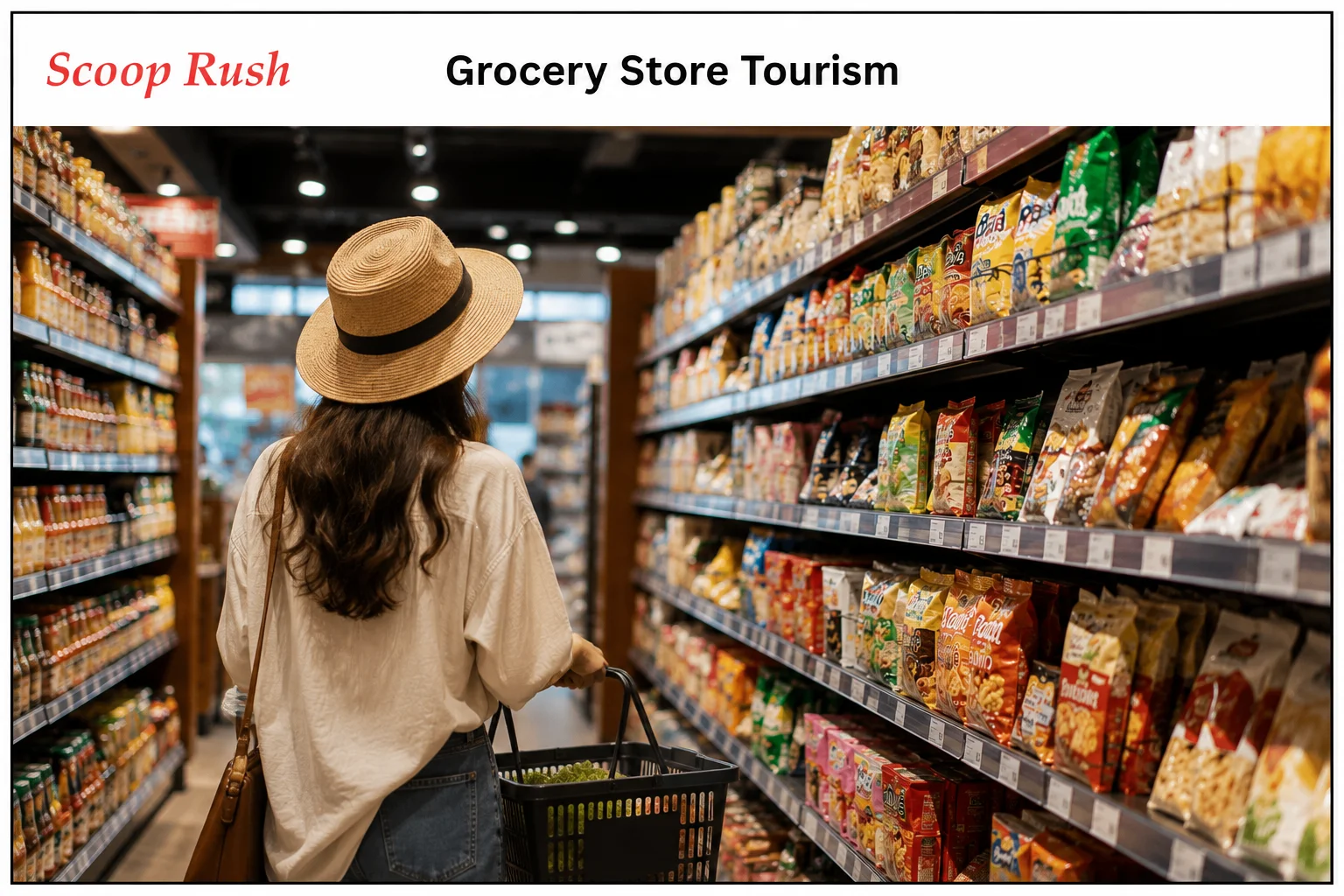
Grocery store tourism is becoming a popular way to experience everyday life abroad. Travellers now visit supermarkets for local snacks, regional products, and affordable souvenirs. The trend offers a simple alternative to crowded attractions and expensive food tours.
Foreign supermarkets provide something traditional tourist sites often cannot. They show what local residents actually eat, buy, and enjoy. Travellers can explore familiar brands alongside products they have never seen before.
The growing interest also reflects changing travel habits. Many visitors now want experiences that feel personal and authentic. A local supermarket can offer that experience without requiring a large budget.
Why Grocery Store Tourism Is Becoming Popular
Grocery store tourism gives travellers a closer look at ordinary life. Supermarket shelves reflect local tastes, eating habits, and shopping routines. Visitors can discover products that rarely appear in tourist-focused shops or restaurants.
Moreover, supermarkets offer an easy way to explore without following an itinerary. Travellers can browse different aisles at their own pace. They can compare products, watch local shopping habits, and discover unexpected foods. This makes a routine shopping trip feel surprisingly memorable.
Supermarkets Offer a Window Into Local Culture
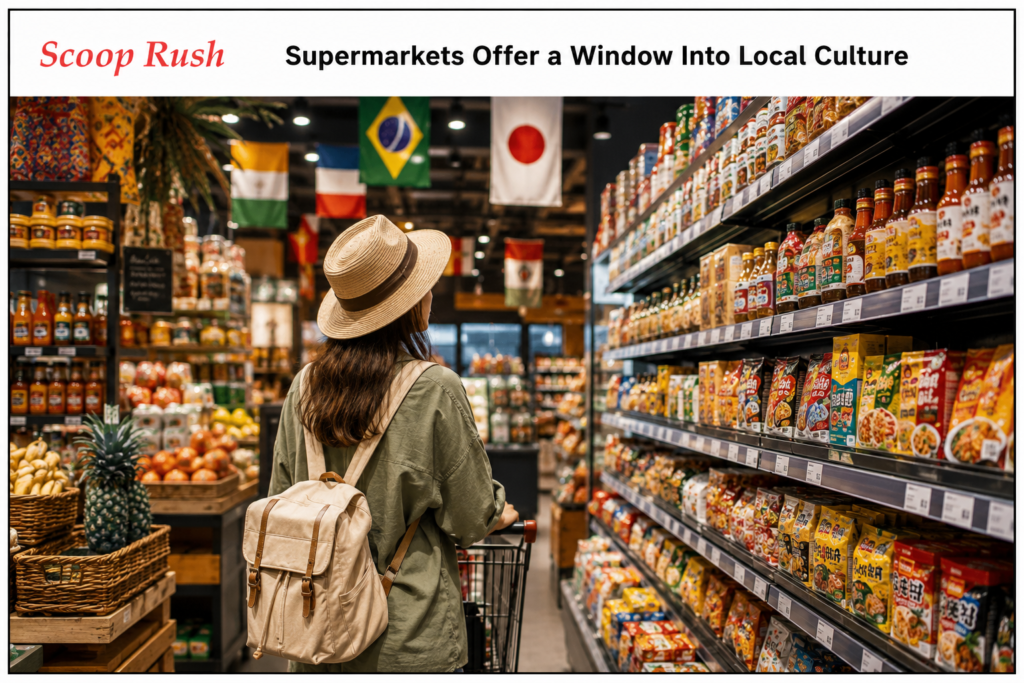
A supermarket can reveal details about a country’s food culture. Large sections may focus on products that visitors rarely encounter at home. These can include regional sauces, unusual snacks, specialty dairy products, and local drinks.
Furthermore, product choices can reveal regional preferences. One country may dedicate several shelves to spices, while another highlights seafood. Breakfast foods, prepared meals, and bakery sections can also show how people eat daily. These details create a more realistic picture of local life.
Grocery Store Tourism Turns Food Into an Experience
Food tastes different when travellers connect it with a destination. The surroundings, weather, memories, and excitement can influence how people experience familiar products. A snack eaten during a holiday may therefore feel more enjoyable than the same item at home.
This effect can make supermarket discoveries especially memorable. A Japanese egg sandwich can become part of a Tokyo travel memory. A regional crisp flavour can remind someone of a summer trip. As a result, travellers often remember simple supermarket purchases long after their holiday ends.
Grocery Store Tourism Offers Affordable Travel Experiences
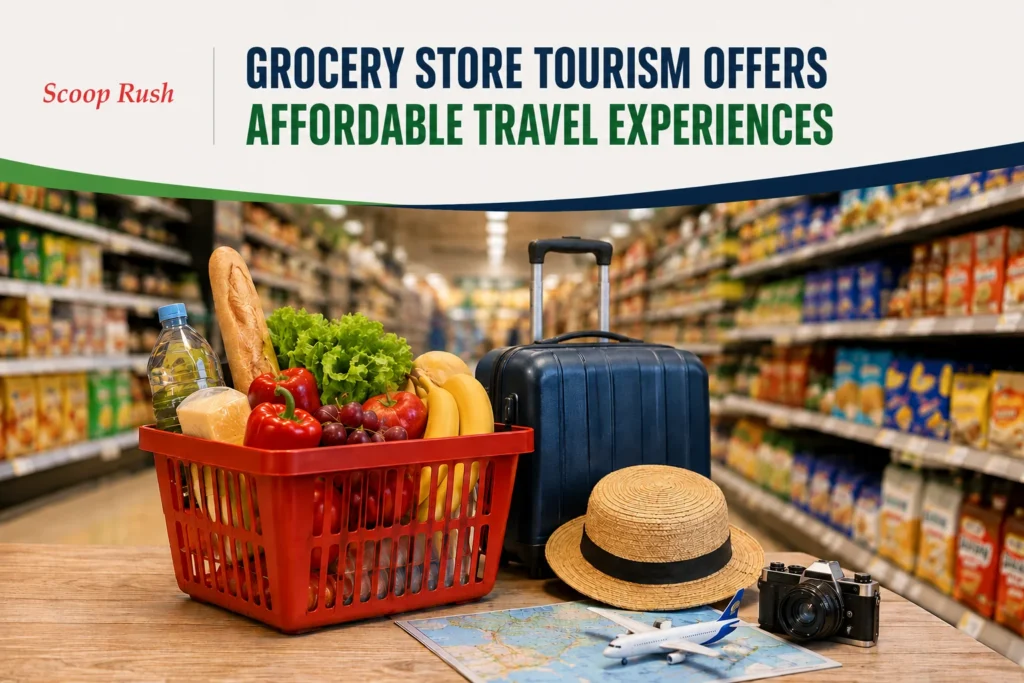
Travellers do not need expensive tours to explore local food culture. Supermarkets allow visitors to sample regional products at everyday prices. This makes the experience particularly useful for travellers managing tight budgets.
In addition, supermarket food can create inexpensive travel meals. Visitors can buy bread, cheese, fruit, snacks, and drinks for a picnic. They can also prepare simple meals when staying somewhere with kitchen facilities. This approach can reduce restaurant spending during longer trips.
Local Snacks Make Memorable Travel Souvenirs
Supermarkets have also become popular places for finding edible souvenirs. Local chocolates, biscuits, sauces, spices, and packaged snacks can offer stronger connections to a destination. They also tend to cost less than many traditional tourist souvenirs.
However, travellers should choose products carefully before packing them home. Customs rules vary between countries and can restrict certain foods. Fresh meat, dairy, plants, seeds, and agricultural products often face additional restrictions. Travellers should check official customs guidance before returning with food.
Japan Shows the Appeal of Convenience Stores
Japan provides one of the clearest examples of grocery store tourism. Its convenience stores offer a huge range of affordable ready-to-eat foods. Visitors often explore onigiri, egg sandwiches, curry buns, desserts, drinks, and seasonal snacks.
Seven-Eleven, Lawson, and FamilyMart have become familiar stops for international visitors. These stores also provide useful services beyond food. Travellers can find ATMs, printing facilities, microwaves, and hot water in many locations. The combination makes convenience stores part of the travel experience.
Grocery Store Tourism Reveals Regional Food Trends
Different destinations offer completely different supermarket experiences. Switzerland, for example, provides easy access to products linked with its mountain food culture. Visitors can discover fondue products, raclette, rösti, chocolates, and regional pastries.
Meanwhile, supermarkets in Mediterranean countries can highlight different culinary traditions. Travellers may find regional olive oils, sauces, cheeses, breads, and preserved foods. These products help visitors understand local cooking without booking a specialised food tour.
Social Media Is Fueling the Supermarket Trend
Social media has helped turn supermarket visits into shareable travel content. Travellers now post grocery hauls, unusual products, and supermarket tours online. Short videos can quickly introduce millions of viewers to foreign food aisles.
Consequently, products that once seemed ordinary can become travel attractions. Matcha-flavoured sweets, unusual crisps, regional sauces, and distinctive packaging often attract attention. Social platforms have therefore helped transform supermarket browsing into a recognised travel activity.
Grocery Store Tourism Can Feel More Authentic
Traditional attractions often receive heavy tourist traffic. Supermarkets usually serve local residents first. That difference can make the experience feel more natural and less staged.
Travellers can observe people buying dinner, choosing breakfast foods, or comparing prices. They can also notice everyday products that tourists rarely encounter. Therefore, supermarkets provide a useful contrast to heavily promoted tourist attractions. They show destinations through ordinary routines rather than carefully designed experiences.
Travellers Are Discovering Unique Supermarket Products
Foreign supermarkets often stock products unavailable in other countries. International brands may also offer different flavours for specific markets. This creates a fun discovery experience for visitors who enjoy familiar products with unexpected variations.
For example, travellers may find unusual chocolate flavours, regional crisps, speciality sauces, or seasonal sweets. Local dairy sections can also introduce unfamiliar yoghurts and cheeses. These discoveries often become highlights because they combine curiosity with food.
Grocery Store Tourism Creates Better Travel Memories
A supermarket visit can become part of a larger holiday memory. Travellers may remember a particular shop, product, smell, or meal years later. The experience feels personal because visitors make their own discoveries.
Moreover, these experiences do not require complicated planning. Travellers can simply visit a neighbourhood store during an ordinary day. They can then build a small meal around products they discover. This flexibility makes supermarket visits easy to include in almost any itinerary.
How to Explore Supermarkets Like a Local
Travellers should begin with supermarkets that serve local residents. Large neighbourhood stores often provide a wider selection than tourist-focused food shops. Visitors should also explore several aisles instead of buying only familiar international brands.
Next, look for products with regional importance. Check the bakery, dairy, condiment, snack, and prepared-food sections. Ask staff for help when labels create confusion. Travellers can also observe which products local shoppers buy frequently. This approach can reveal more than simply searching for famous tourist foods.
Check Food Rules Before Bringing Items Home
Food souvenirs require some planning because import rules differ between countries. Travellers should check their destination’s official customs requirements before purchasing large quantities. Rules may change depending on the product and country of origin.
Packaged and shelf-stable products can sometimes offer simpler options. However, travellers should never assume an item qualifies automatically. Meat, dairy, fresh produce, seeds, and animal products may face restrictions. Checking the rules before departure can prevent delays and unwanted confiscations.
Grocery Store Tourism Is More Than Shopping
The growing trend shows how travel continues to change. Visitors increasingly want affordable experiences that connect them with local communities. Supermarkets provide that connection through food, packaging, prices, routines, and everyday choices.
Ultimately, grocery store tourism turns an ordinary errand into cultural exploration. It allows travellers to discover local flavours without spending heavily. It also offers souvenirs that people can eat, share, and remember. For many travellers, the supermarket may become an unexpected highlight of the next trip.
FAQs
1. What is grocery store tourism?
Grocery store tourism means visiting supermarkets while travelling for cultural discovery. Travellers explore local foods, drinks, snacks, and everyday products. The activity combines shopping with an informal look at local life.
2. Why do travellers visit supermarkets abroad?
Travellers visit supermarkets to discover authentic local products and food habits. They can also find affordable meals and unusual souvenirs. Supermarkets often provide experiences that tourist shops cannot easily reproduce.
3. Is grocery store tourism expensive?
No, grocery store tourism can suit almost any travel budget. Visitors can buy inexpensive snacks, drinks, and ingredients. They can also create affordable picnics instead of paying for restaurant meals.
4. What makes supermarket food good travel souvenirs?
Supermarket products often represent regional flavours and everyday food traditions. Packaged chocolates, sauces, spices, biscuits, and snacks can also travel well. Always check customs rules before bringing food across borders.
5. Which supermarket sections should travellers explore?
Start with snacks, condiments, bakery products, dairy items, and prepared meals. These sections often reveal strong regional food preferences. Seasonal products can also provide interesting discoveries during a trip.

