
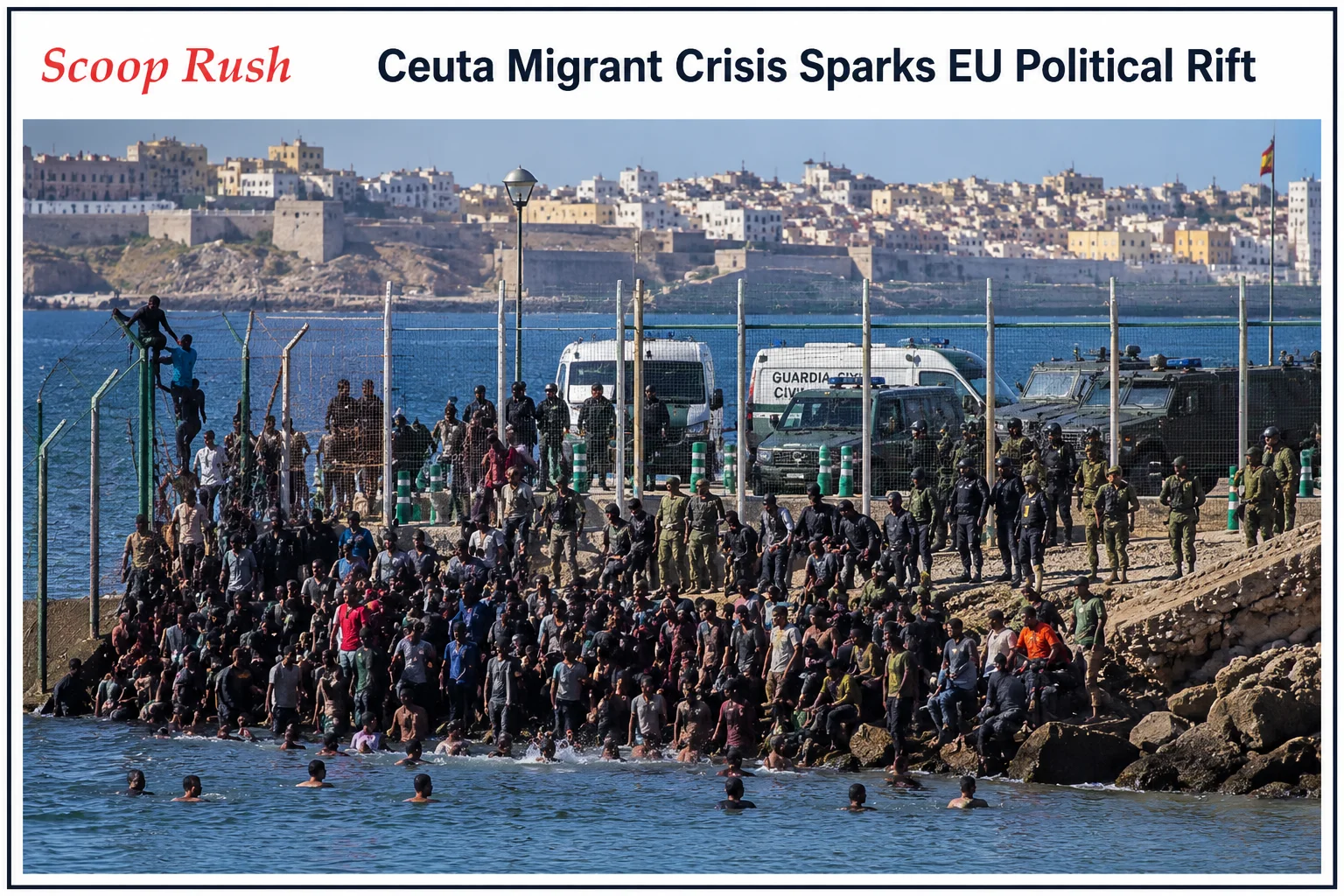
Spain has strongly criticized several European governments over the Ceuta migrant crisis after around 60,000 migrants crossed from Morocco into the Spanish enclave within 24 hours. Prime Minister Pedro Sánchez called the reaction from some EU countries selfish and divisive. He insisted Spain regained control of the border within 48 hours.
The Ceuta migrant crisis has also triggered a wider debate over European migration policy and border security. At least 67 people died during the dangerous crossings, making the incident one of the deadliest migration events in recent years. European leaders will now hold emergency talks to discuss a coordinated response and future border measures..
Ceuta Migrant Crisis Triggers Political Tensions Across Europe
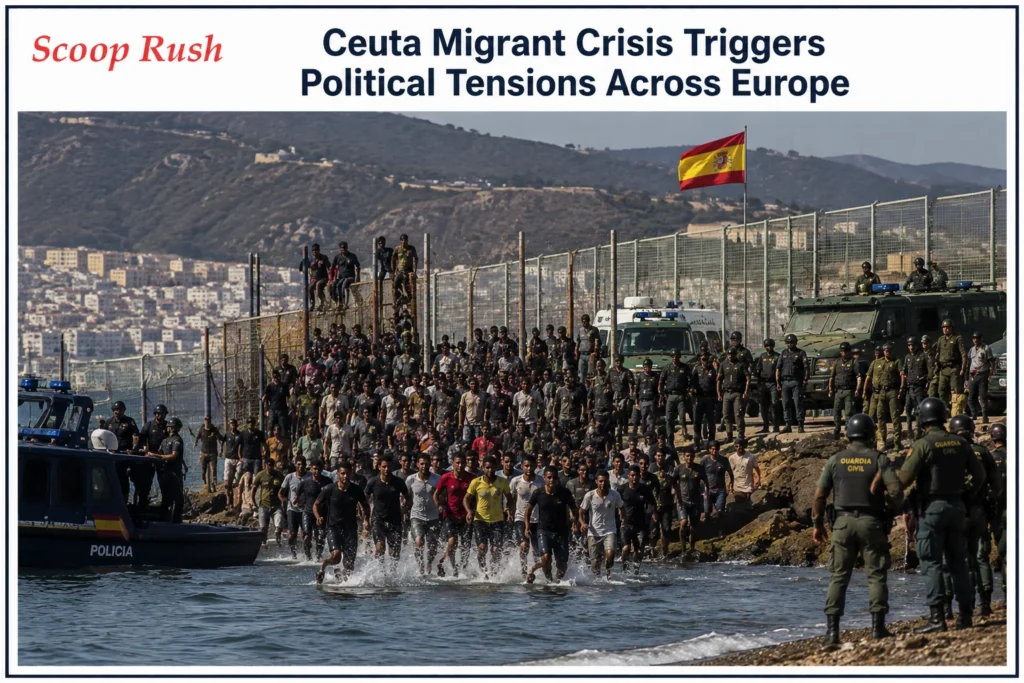
Around 60,000 migrants crossed from Morocco into Ceuta within one day. The sudden influx overwhelmed the small Spanish territory. Authorities later confirmed that at least 67 people died during the dangerous crossings.
However, Spanish officials said most migrants have already returned to Morocco. Businesses have reopened, and daily life has largely resumed. Security forces continue monitoring the border closely.
Spain Defends Its Response During Ceuta Migrant Crisis
Prime Minister Pedro Sánchez defended Spain’s handling of the Ceuta migrant crisis. He said border control returned quickly through joint action. Spain also prevented unauthorized movement toward mainland Europe.
Sánchez criticized several European governments for their reactions. He accused them of acting through political interests and misinformation. He stressed that Ceuta is not part of the Schengen travel area.
Italy and Other EU Nations Demand Tougher Border Measures
Italy reacted quickly after the border surge. Prime Minister Giorgia Meloni temporarily restored selected border checks on arrivals from Spain. She also described the scenes in Ceuta as shocking.
Finland and Denmark supported stronger border measures. Czech leaders even suggested suspending Spain from the Schengen system temporarily. Meanwhile, France increased police checks along its border with Spain.
Spain Calls for European Unity Over Ceuta Migrant Crisis
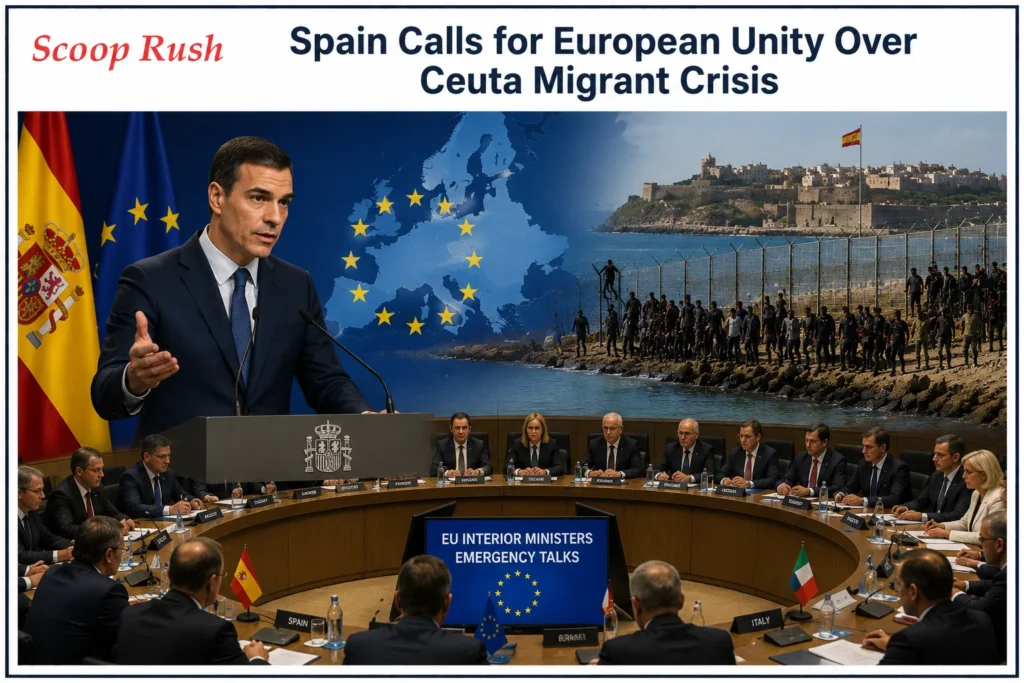
Spain requested urgent discussions among European interior ministers. Sánchez argued that protecting external EU borders remains a shared responsibility. He warned that division only weakens the European Union.
Twenty-two EU member states supported emergency talks. They welcomed cooperation between Spain and Morocco. They also backed additional European support for border management.
Spain and Morocco Strengthen Border Security
Spanish authorities deployed more police, soldiers, drones, boats, and divers around Ceuta. Officials also started installing an inflatable maritime barrier. These measures aim to stop further illegal crossings.
Moroccan authorities also cooperated with Spain during return operations. Officials from both countries continue coordinating efforts. Their goal remains restoring stability along the border.
Supreme Court Ruling Fueled Confusion
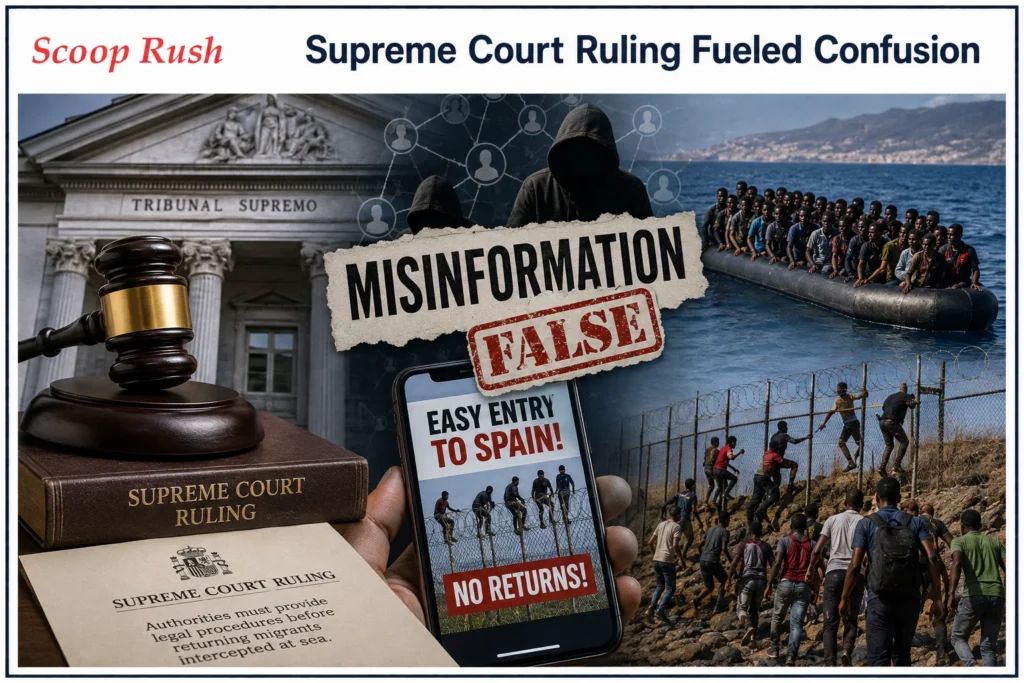
Spanish officials blamed trafficking networks for spreading false information. They claimed smugglers misrepresented a recent Supreme Court ruling. The misinformation encouraged many migrants to attempt the journey.
The ruling stated that authorities must provide legal procedures before returning migrants intercepted at sea. However, it did not create automatic entry rights into Spain.
Social Media and Economic Pressure Drove Crossings
Many young migrants reportedly followed videos shared on social media. These posts suggested crossing into Ceuta had become easier. Smugglers also used these claims to attract more people.
Morocco continues facing youth unemployment and economic frustration. Many young people search for better opportunities abroad. Calm summer seas also made sea crossings less dangerous.
International Leaders React to the Border Crisis
European Commission President Ursula von der Leyen described the scenes as unacceptable. She said Europe must protect its external borders. Germany also supported stronger migration controls.
The United Kingdom offered assistance to Spain. Meanwhile, the United States blamed Spain’s migration policies for the crisis. The comments highlighted growing international concern.
What Happens Next?
European interior ministers will hold emergency discussions soon. They will review additional support for Spain and future border measures. Migration policy will remain a major European priority.
Spain continues working with Morocco to prevent another surge. Officials hope stronger coordination will reduce illegal crossings. The country also plans to improve border infrastructure.
Conclusion
The Ceuta migrant crisis has become one of Europe’s biggest migration challenges this year. Spain restored border control quickly with Morocco’s support. However, the tragedy claimed at least 67 lives and exposed deep divisions among European leaders over migration policy.
EU countries now face growing pressure to find a united solution. Emergency talks will focus on stronger border management and better cooperation. The outcome could influence future migration policies across Europe while balancing security and humanitarian responsibilities.
FAQs
1. What is the Ceuta migrant crisis?
The Ceuta migrant crisis refers to the mass crossing of around 60,000 migrants from Morocco into the Spanish enclave of Ceuta within a single day. The incident created a humanitarian emergency and sparked political tensions across Europe.
2. Why did Spain criticize some EU countries?
Spain accused several European governments of reacting with political motives instead of showing solidarity. Prime Minister Pedro Sánchez said the European Union should respond together to external border challenges.
3. How many people died during the Ceuta crossings?
Spanish authorities confirmed that at least 67 people lost their lives during the dangerous crossings. Many victims reportedly drowned while trying to reach Ceuta by sea.
4. What measures has Spain taken after the crisis?
Spain increased security by deploying more police, soldiers, drones, boats, and maritime barriers. It also worked closely with Moroccan authorities to return migrants and strengthen border control.
5. What will the European Union do next?
EU interior ministers will hold emergency discussions to review the crisis. They are expected to consider additional support for Spain and explore stronger measures to manage future migration flows.

