
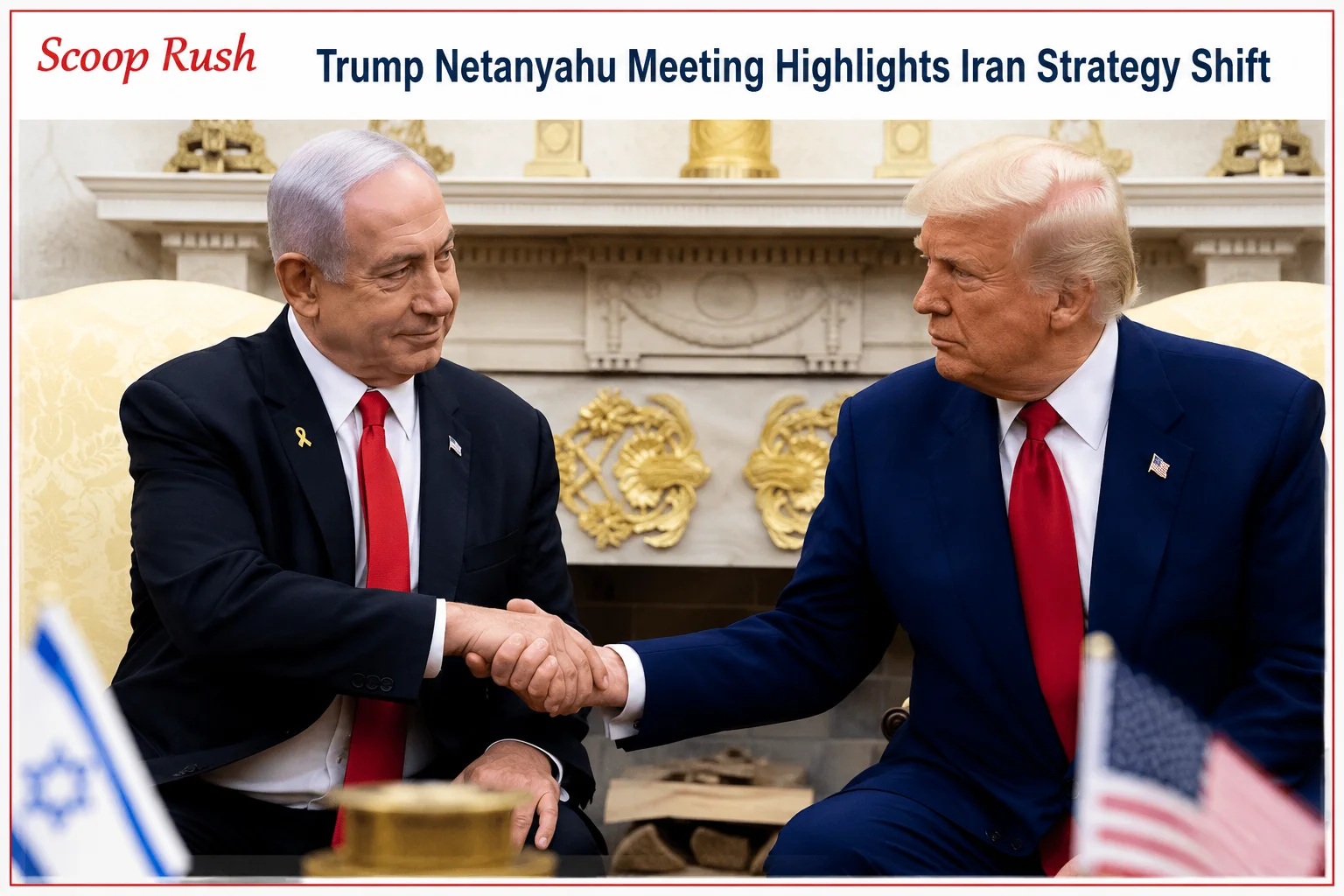
The Trump Netanyahu meeting began at the White House on Tuesday. Both leaders discussed Iran, regional security, and ongoing diplomatic efforts. The meeting came as President Donald Trump resisted pressure to expand the war against Iran. Instead, he continued pushing for negotiations while keeping military options available.
The closed-door meeting marked their first White House talks since the Iran conflict began five months ago. Israeli Prime Minister Benjamin Netanyahu also attended memorial events for late Senator Lindsey Graham during his Washington visit.
Trump Netanyahu Meeting Focuses on Iran
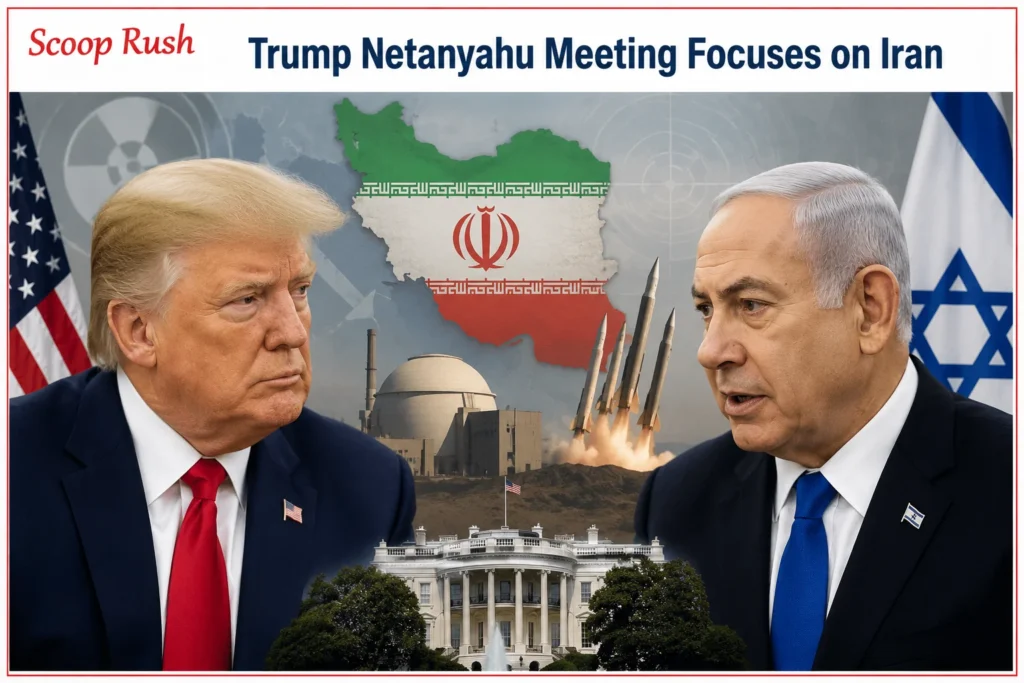
The Trump Netanyahu meeting centered on Iran’s nuclear program and regional security. Netanyahu reportedly presented intelligence about Iranian nuclear and missile activities. He wanted Washington to remain actively involved.
Trump dismissed reports that Iran’s recent activity created an immediate crisis. He said he already understood developments at the Pickaxe Mountain facility. However, he repeated that military action remained possible if diplomacy failed.
Trump also warned that the United States could target Iranian infrastructure if negotiations collapsed. Still, he stressed that talks remained his preferred path. Iran, however, continued denying that formal negotiations had resumed.
Trump Netanyahu Meeting Reveals Policy Differences
The Trump Netanyahu meeting highlighted growing differences between both leaders. Netanyahu has supported stronger military pressure against Iran. Trump has instead focused on preventing a wider regional conflict.
Before the meeting, Trump openly questioned Netanyahu’s public comments about Iranian intelligence. He suggested such statements aimed to keep the United States deeply involved. Despite those remarks, Trump described their overall relationship as closely aligned.
Both leaders entered the meeting while facing political pressure at home. Trump wants to avoid a prolonged conflict before the upcoming U.S. midterm elections. Netanyahu also seeks stronger public support before Israel’s October election.
Trump Netanyahu Meeting Covers Regional Security
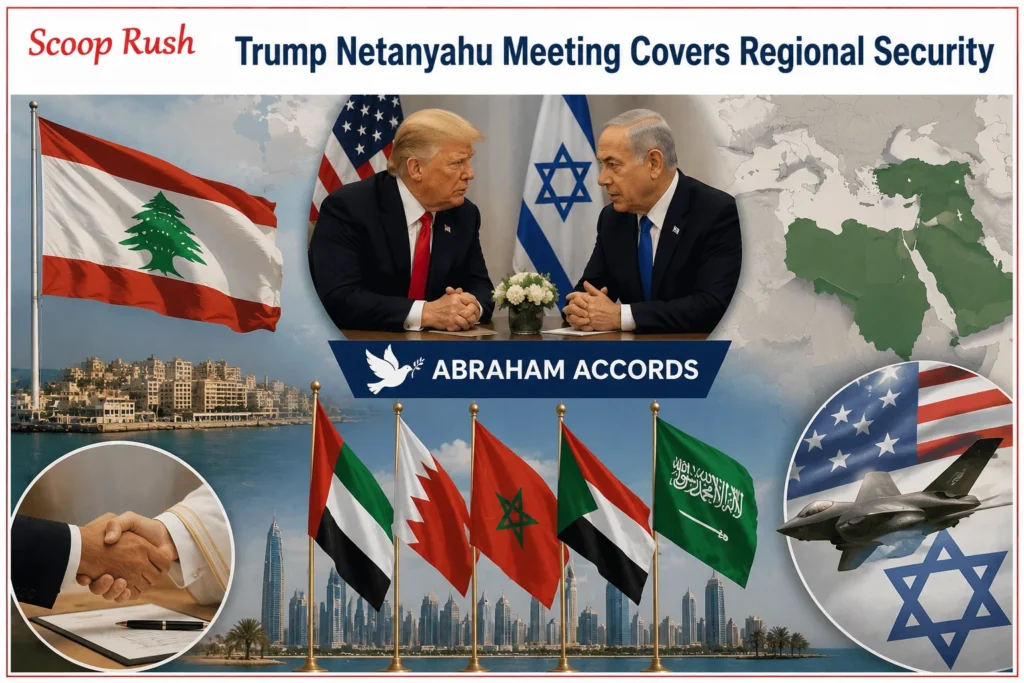
The Trump Netanyahu meeting also addressed several regional issues beyond Iran. Officials discussed progress in negotiations involving Lebanon. They also reviewed efforts to expand the Abraham Accords.
Trump continues supporting wider diplomatic agreements across the Middle East. Saudi Arabia remains a key country in those discussions. However, normalization efforts still face political challenges.
Israeli officials also remain concerned about possible U.S. defense agreements involving regional partners. Those concerns have added fresh tension to recent discussions between Washington and Jerusalem.
Trump Meets Zelensky Before Netanyahu
Before the Trump Netanyahu meeting, Trump welcomed Ukrainian President Volodymyr Zelensky to the White House. Their talks focused on Ukraine’s air defense and diplomatic efforts.
Zelensky said both leaders discussed Patriot missile production and future cooperation. He also described the meeting as productive. The discussion reflected improving relations between both governments.
Trump later said he would review Ukraine’s claims that Russia supported Iranian military operations. No official U.S. confirmation followed those allegations.
Oil Prices Fall During Diplomatic Efforts
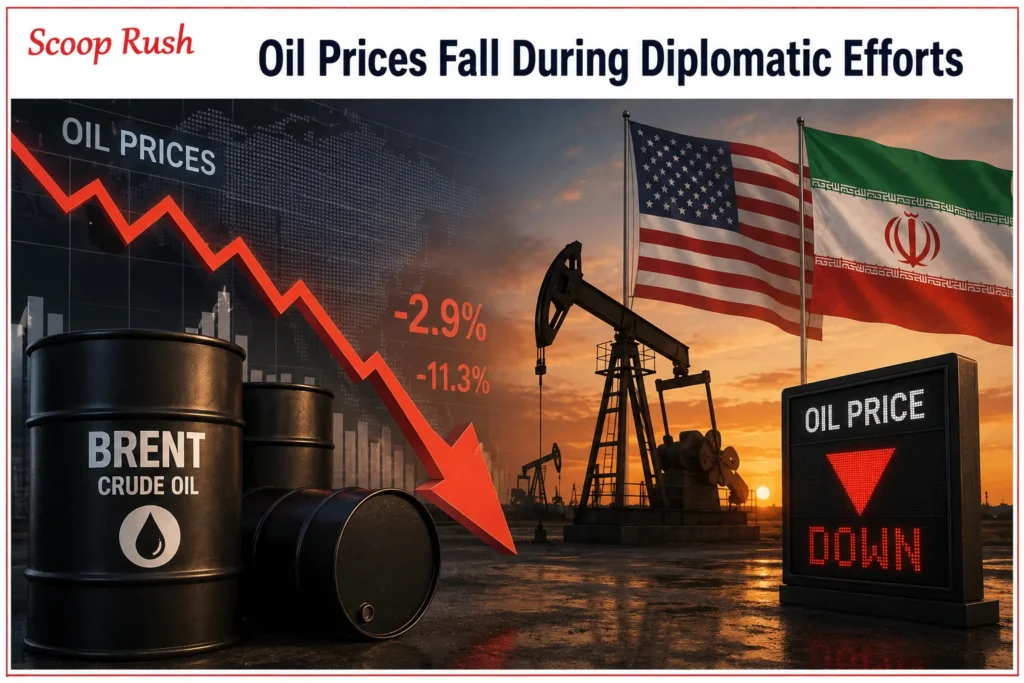
Global markets reacted as diplomatic efforts continued. Oil prices dropped sharply for a second straight day. Investors watched developments between Washington and Tehran closely.
Brent crude extended earlier losses after a major decline on Monday. Lower prices reflected expectations that negotiations could reduce regional tensions. However, uncertainty still remains across the Middle East.
What Comes Next After the Trump Netanyahu Meeting
The Trump Netanyahu meeting ended without announcing major policy changes. However, both governments confirmed that discussions would continue.
Washington remains committed to diplomacy while preparing for possible military action if needed. Israel continues monitoring Iran’s nuclear activities closely. Future developments will depend on negotiations and security conditions across the region.
Trump Netanyahu Meeting Highlights Lebanon Negotiations
The Trump Netanyahu meeting also included discussions about Lebanon’s security situation. Both leaders reviewed efforts to reduce tensions along Israel’s northern border. They also examined progress under the current security framework.
The United States continues encouraging stability between Israel and Lebanon. Washington believes diplomatic progress could lower the risk of another regional conflict. Both sides agreed to keep communication open in the coming weeks.
Trump Netanyahu Meeting Reviews Abraham Accords Expansion
The Trump Netanyahu meeting covered plans to expand the Abraham Accords. Trump remains committed to bringing more Middle Eastern countries into the normalization process. Saudi Arabia remains an important part of those long-term efforts.
Both leaders discussed how stronger regional partnerships could improve security and economic cooperation. However, several political challenges still need solutions. Future negotiations will determine how quickly the agreements can expand.
Trump Netanyahu Meeting Signals Continued US Israel Cooperation
The Trump Netanyahu meeting confirmed that the United States and Israel will continue working closely on regional security. Despite recent disagreements, both governments stressed their long-standing partnership. They also agreed to maintain regular consultations.
Officials from both countries expect more discussions in the coming months. Iran’s nuclear program, regional diplomacy, and defense cooperation will remain top priorities. The meeting showed that cooperation continues despite policy differences.
Conclusion
The Trump Netanyahu meeting highlighted both cooperation and differences between Washington and Jerusalem. While both leaders agree that Iran remains a major security concern, they continue to differ on the best way forward. Trump is giving diplomacy another opportunity, while Netanyahu favors maintaining stronger military pressure.
The talks also covered Lebanon, Ukraine, and the future of the Abraham Accords. Although no major announcements followed the meeting, the discussions could shape future U.S. policy in the Middle East. The coming weeks will show whether diplomacy can reduce tensions or whether the region faces another period of escalation.
FAQs
1. What was the main focus of the Trump Netanyahu meeting?
The meeting mainly focused on Iran’s nuclear program, regional security, Lebanon, and expanding the Abraham Accords. Both leaders also discussed the next steps for U.S. and Israeli cooperation.
2. Why did Trump reject calls to escalate the Iran war?
Trump said diplomacy remains his preferred option before considering further military action. However, he warned that the United States would respond if negotiations failed.
3. Did Trump and Netanyahu agree on every issue?
No. Both leaders share security concerns about Iran, but they differ on strategy. Trump supports continued negotiations, while Netanyahu has pushed for stronger military action.
4. Why did Trump meet Zelensky before Netanyahu?
Trump met Ukrainian President Volodymyr Zelensky to discuss air defense cooperation, peace efforts, and Ukraine’s security needs before holding separate talks with Netanyahu.
5. What could happen after the Trump Netanyahu meeting?
Both countries are expected to continue diplomatic and security discussions. Future decisions will depend on the progress of U.S.-Iran negotiations and developments across the Middle East.

