
Updated: July 14, 2026
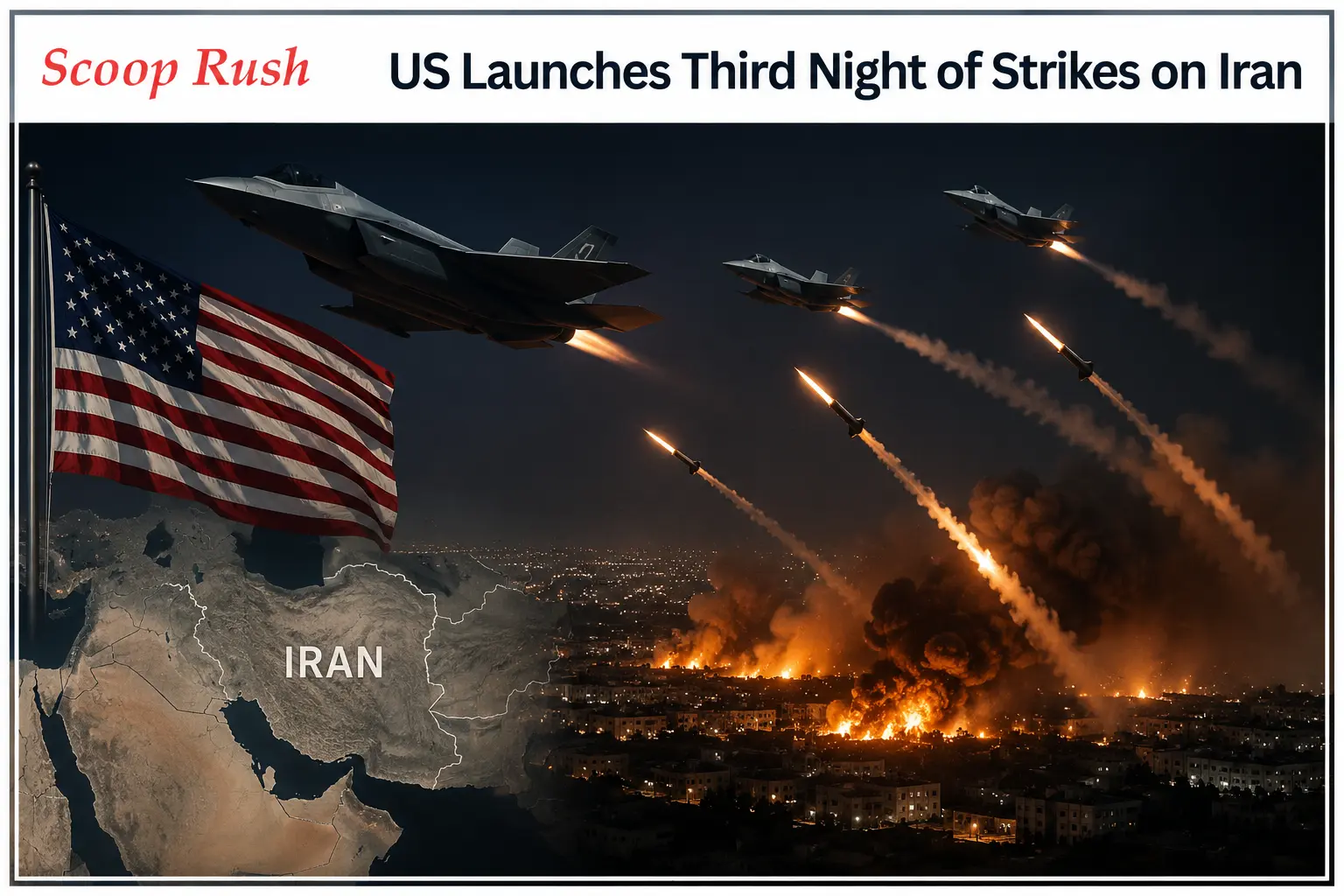
The US launches third night of strikes on Iran after President Donald Trump ordered another round of military operations against Iranian targets. The renewed campaign came after Washington announced the return of a naval blockade around Iranian ports. The latest developments increased tensions across the Middle East and triggered another sharp rise in global oil prices.
US Central Command said the operation focused on military assets that threaten commercial shipping in the Strait of Hormuz. Iranian media reported explosions in Bandar Abbas, Kish Island, Qeshm Island, Abu Musa Island, and parts of Bushehr province. The exchanges continued for several hours as both sides reported new military actions.
US Launches Third Night of Strikes on Iran Targets
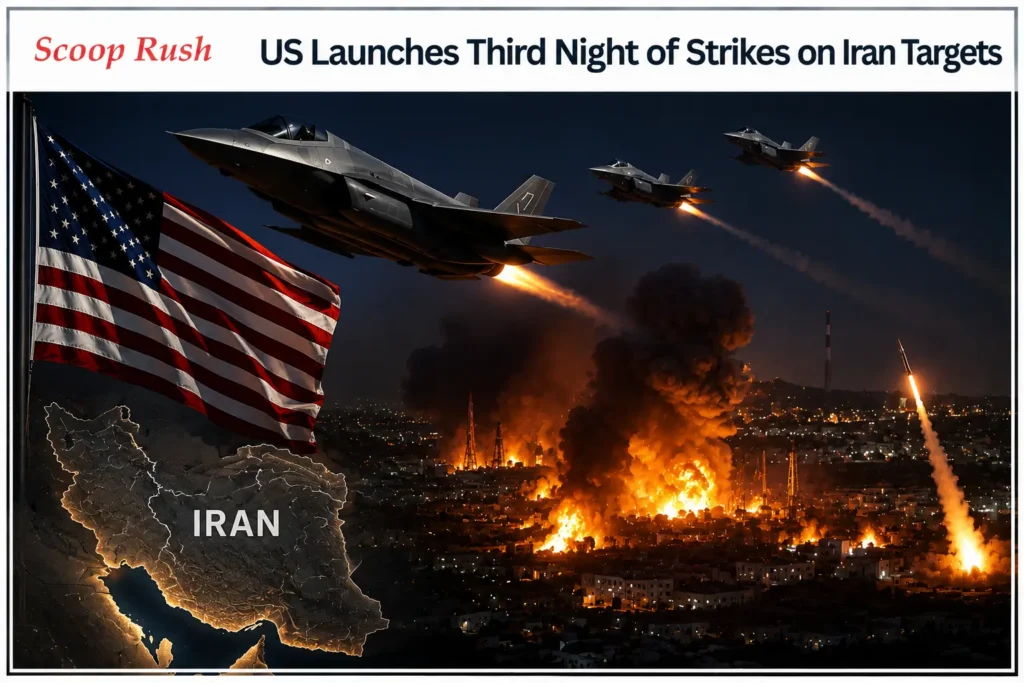
US Central Command confirmed that American forces carried out another wave of strikes across southern Iran. Military officials said the operation targeted coastal radar systems, air defense sites, military infrastructure, and facilities connected to attacks on commercial vessels.
President Donald Trump defended the operation and said the strikes would continue until Iran could no longer threaten regional shipping routes. He also informed Congress that military operations had resumed under his executive authority, beginning a new period of military engagement.
US Launches Third Night of Strikes on Iran After Hormuz Blockade Returns
Alongside the military campaign, the United States announced the return of a naval blockade covering Iranian ports and coastal facilities. US officials said naval forces would inspect and intercept unauthorized vessels entering or leaving Iranian-controlled ports.
Washington also stated that neutral ships traveling through the Strait of Hormuz to non-Iranian destinations would still receive safe passage. The announcement marked a significant policy shift as the United States expanded its military presence around one of the world’s busiest shipping lanes.
Trump Proposes New Shipping Fee in the Strait of Hormuz
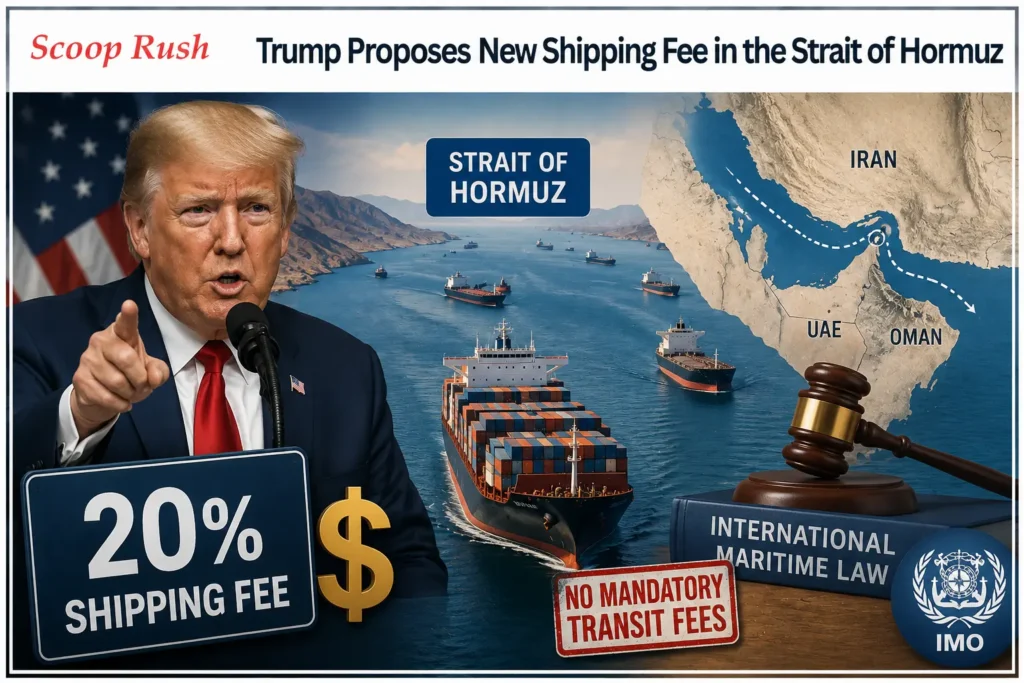
President Trump also proposed charging a 20 percent fee on cargo moving through the Strait of Hormuz. He argued that the United States should receive compensation for protecting one of the world’s most important maritime routes.
The proposal immediately drew criticism from international shipping experts and maritime organizations. They argued that international law does not allow mandatory transit fees for vessels passing through international straits, raising questions about how such a policy could be enforced.
Iran Responds With Missile and Drone Attacks
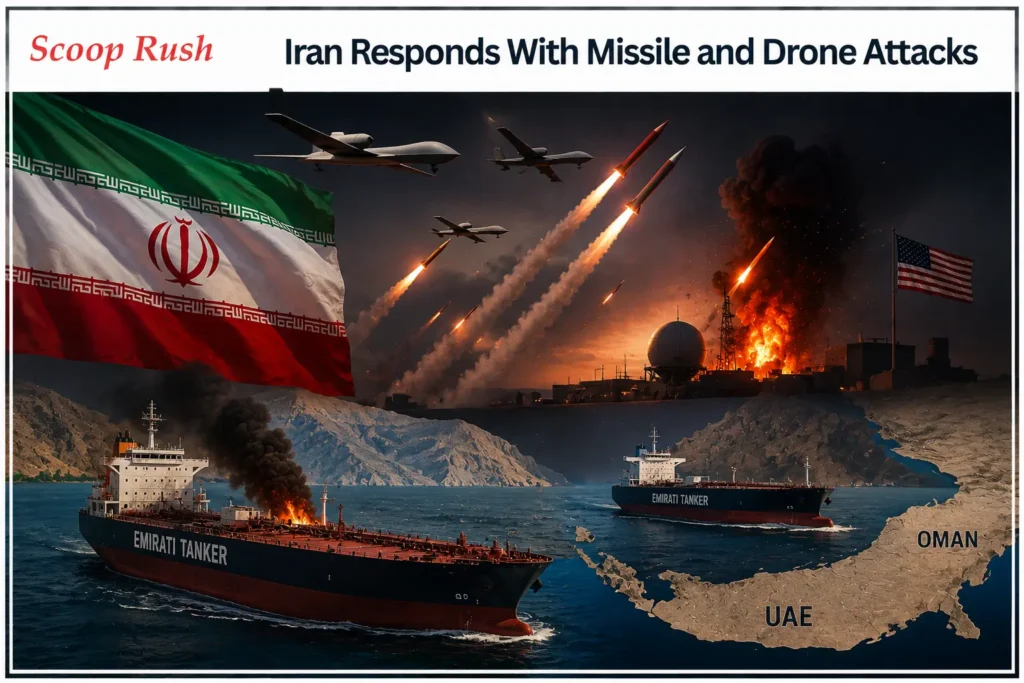
Iran answered the latest US strikes by launching missiles and drones toward military targets linked to the United States and its regional allies. Tehran said the attacks formed part of its response to renewed American military operations.
The United Arab Emirates reported that Iranian cruise missiles struck two Emirati oil tankers sailing through Omani waters. One crew member died, while several others suffered injuries. Iran’s Revolutionary Guard also claimed it disabled two supertankers after accusing them of ignoring security warnings, although independent confirmation remains limited.
Regional Security Situation Continues to Deteriorate
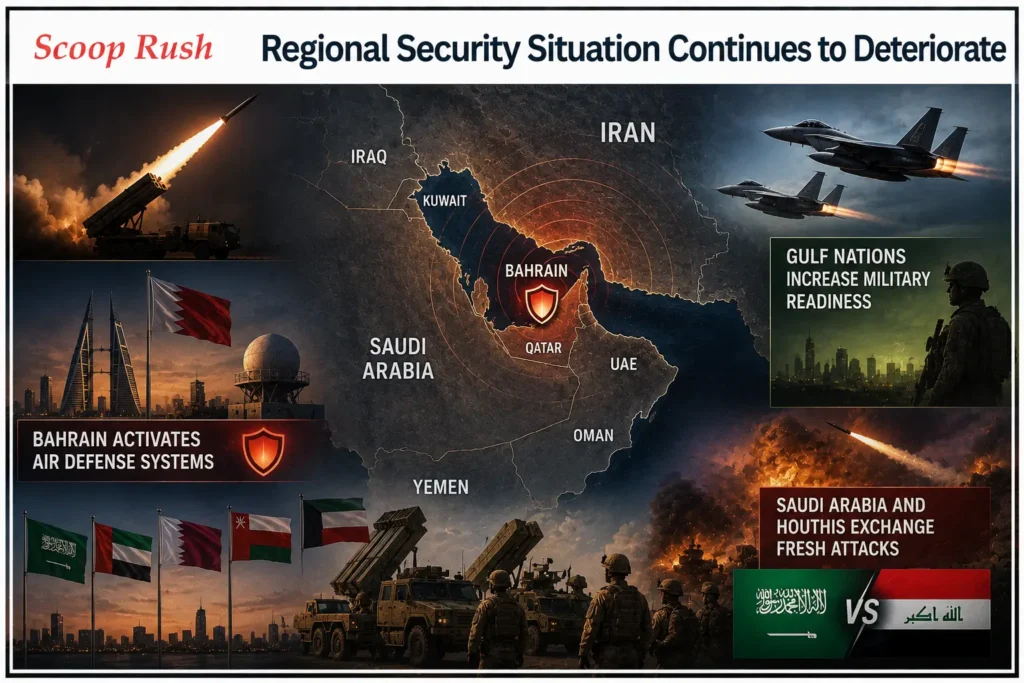
The conflict spread beyond Iran as several countries strengthened their security measures. Bahrain activated its air defense systems after detecting incoming aerial threats, while other Gulf nations increased military readiness.
Saudi Arabia and Yemen’s Iran-backed Houthi movement also exchanged fresh attacks, ending months of relative calm. The expanding conflict has increased fears that fighting could spread across more parts of the Middle East if diplomatic efforts fail.
Oil Prices Rise as Shipping Risks Increase
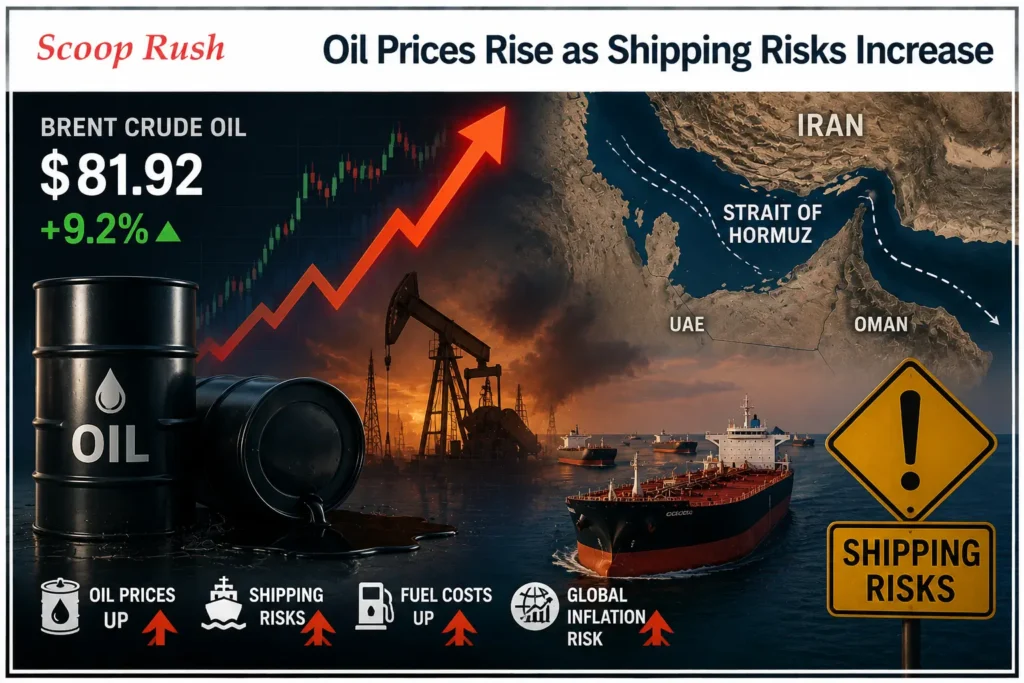
The latest military escalation quickly affected global energy markets. Brent crude oil prices climbed more than nine percent after news of the renewed strikes and blockade reached international markets.
The Strait of Hormuz handles nearly one fifth of the world’s oil shipments. Any disruption to shipping through the waterway raises concerns about fuel supplies, transportation costs, and global inflation. Shipping companies have already reduced traffic through the region because of security risks.
International Community Calls for Restraint
Governments around the world continue urging both sides to avoid further escalation. International organizations warned that prolonged fighting could threaten global trade, energy supplies, and regional stability.
Diplomatic efforts remain limited despite the earlier interim agreement between Washington and Tehran. Military operations continue on both sides, making a return to negotiations increasingly difficult.
Conclusion
The US launches third night of strikes on Iran during one of the most serious military escalations in the region this year. The renewed American attacks, combined with the restored naval blockade and Iran’s missile response, have increased uncertainty across the Middle East.
With oil prices rising and commercial shipping facing new risks, the Strait of Hormuz remains at the center of global attention. World leaders continue calling for restraint, but the coming days will determine whether the crisis moves toward diplomacy or a wider regional conflict.
FAQs
1. Why did the US launch a third night of strikes on Iran?
The United States said it targeted military facilities that supported attacks on commercial shipping and threatened regional security. Officials stated that the strikes aimed to weaken Iran’s military capabilities around the Strait of Hormuz.
2. What is the US naval blockade of Iran?
The blockade restricts ships entering or leaving Iranian ports and oil terminals. US officials said they would inspect unauthorized vessels while allowing neutral ships traveling to non-Iranian destinations to continue using the Strait of Hormuz.
3. Why is the Strait of Hormuz so important?
The Strait of Hormuz is one of the world’s most important energy routes. Around 20 percent of global oil exports pass through the narrow waterway. Any disruption can quickly increase oil prices and affect economies worldwide.
4. How did Iran respond to the latest US attacks?
Iran launched missiles and drones toward US-linked military targets and regional allies. It also claimed responsibility for attacks on vessels near the Strait of Hormuz and warned that further military action would receive a stronger response.
5. How could this conflict affect global oil prices?
Military activity near the Strait of Hormuz increases the risk of supply disruptions. Traders often react by driving oil prices higher because they fear delays or reductions in global energy shipments. Higher oil prices can eventually increase fuel and transportation costs worldwide.

