
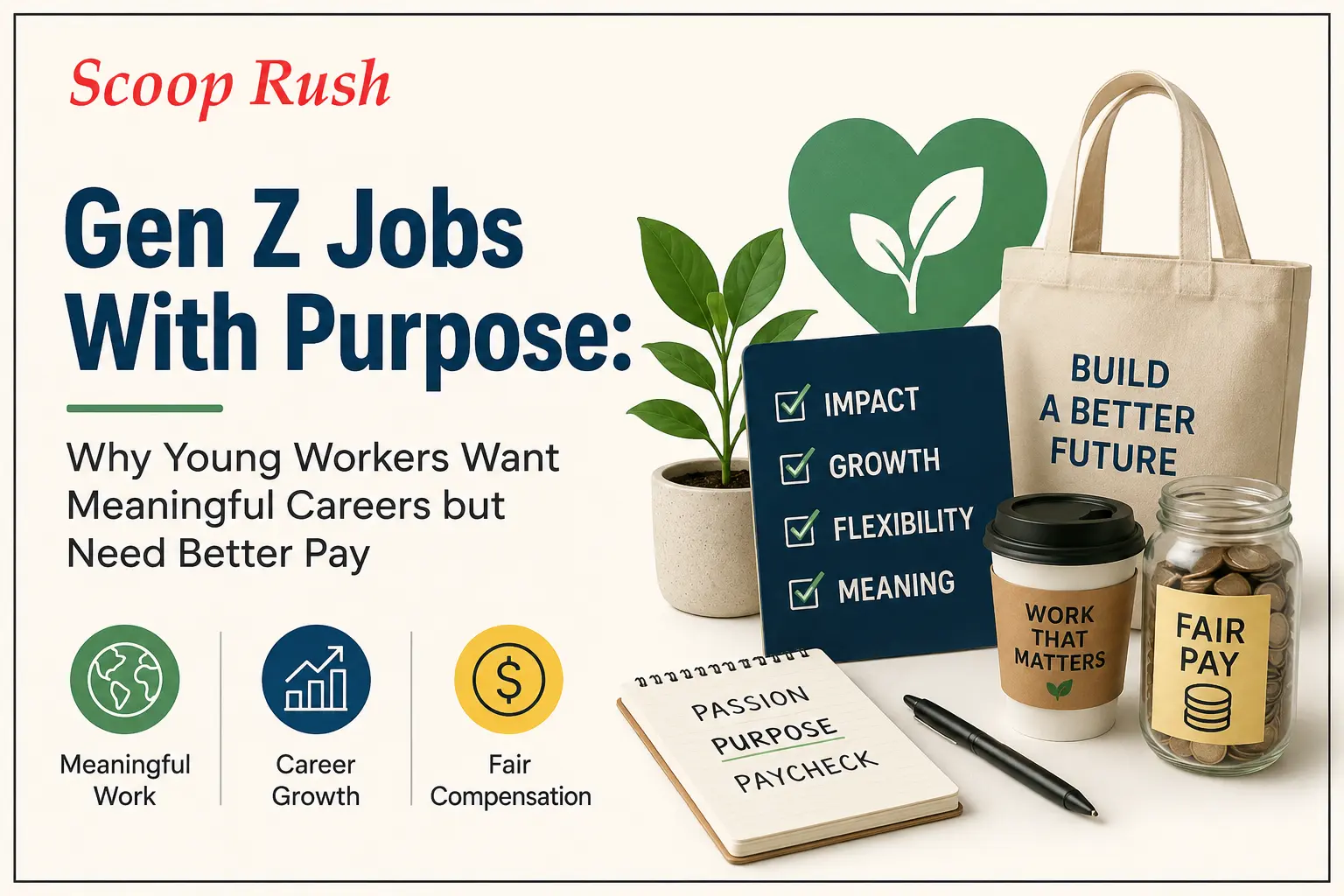
Gen Z Jobs With Purpose: Why Meaning Matters More Than Ever
What if the generation often criticized for job hopping and high expectations is actually searching for something deeper?
A new survey suggests that most members of Gen Z want careers that help other people and create a positive impact. However, many feel forced to choose between meaningful work and financial stability. As a result, young workers are facing a difficult dilemma: pursue purpose or protect their well-being.
The findings reveal an important shift in how younger Americans view work, happiness, and success. While Gen Z is eager to contribute to society, concerns about pay, stress, mental health, and personal well-being are making that goal harder to achieve.
Understanding why Gen Z jobs with purpose matter could help employers, educators, and policymakers create better opportunities for the next generation.
Why Gen Z Wants Jobs That Help Others
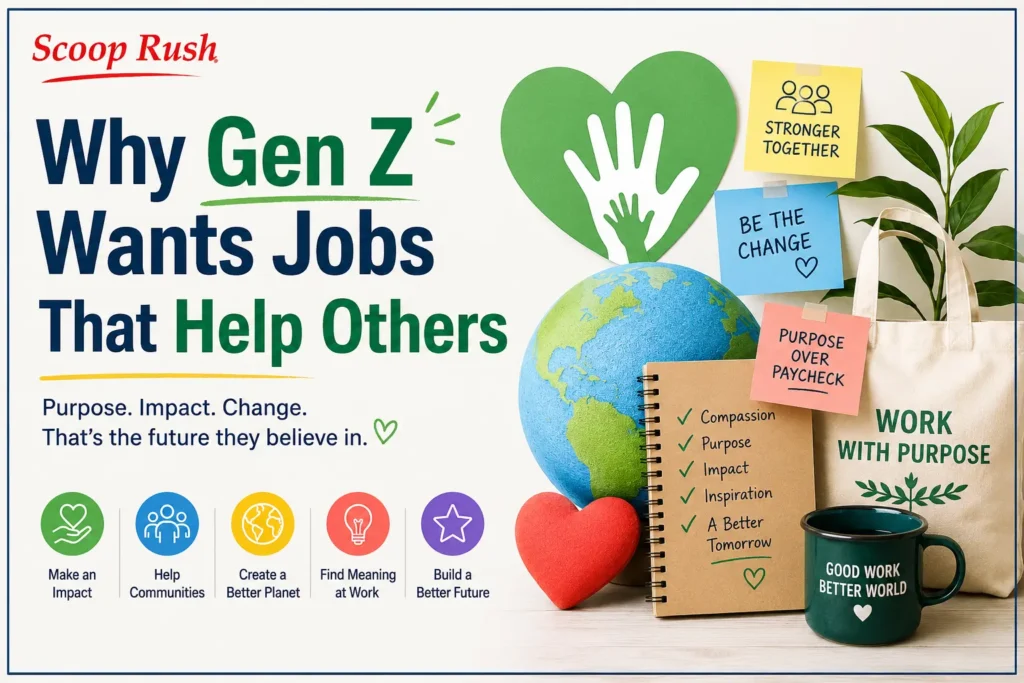
According to a Gallup survey conducted in partnership with the Walton Family Foundation and Harvard University’s Making Caring Common Project, nearly 80% of Gen Z respondents expressed interest in jobs that help other people.
This finding challenges common stereotypes that younger workers are primarily motivated by money or personal advancement. Instead, the survey shows that many young adults are looking for careers that allow them to make a positive difference.
Researchers found a strong connection between helping others and feeling that life has meaning. Among respondents who believed in making a positive impact on others, 89% agreed that their lives felt meaningful.
That relationship highlights an important reality. For many Gen Z workers, career choices are not only about earning a paycheck. They are also about finding purpose and contributing to something larger than themselves.
The Link Between Purpose and Mental Health
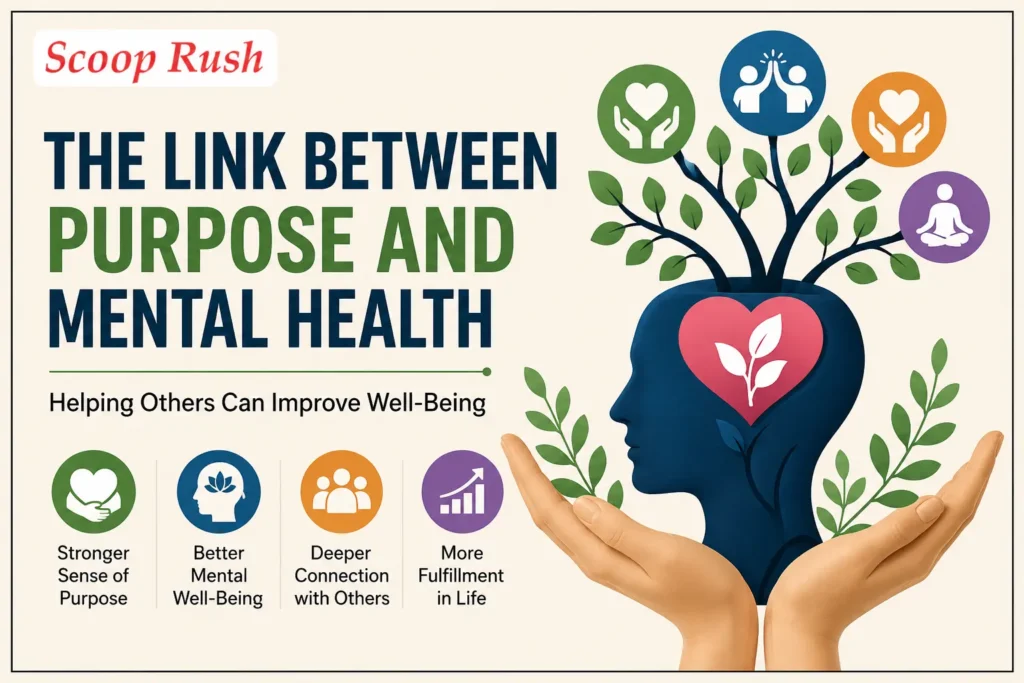
Helping Others Can Improve Well-Being
Experts involved in the research emphasized that meaningful work can play an important role in mental health.
Many Gen Z individuals report struggling with loneliness, stress, and emotional challenges. Consequently, finding opportunities to help others may provide a stronger sense of purpose and connection.
Researchers noted that helping people often creates a feeling that life has value and direction. In turn, that sense of purpose may support overall well-being.
The survey findings suggest that meaningful work is not simply a career preference. Rather, it may be an important factor in how young adults experience happiness and fulfillment.
Why Purpose Matters for Gen Z
The research also offers insight into how purpose develops.
Experts believe that purpose is often connected to serving others, contributing to communities, and making a difference in people’s lives. Therefore, jobs that involve care, support, education, health services, or community engagement may appeal strongly to younger workers.
For Gen Z, purpose appears closely linked to mental wellness. When individuals feel that their work benefits others, they are more likely to report that their lives have meaning.
The Biggest Barriers Preventing Meaningful Careers
Despite strong interest in helping others, many Gen Z respondents identified significant obstacles.
Financial Concerns Remain the Top Challenge
One of the biggest concerns involves money.
Nearly half of respondents said worries about finances prevent them from pursuing jobs focused on helping others.
Many young adults believe care-focused professions do not provide enough financial security. This perception creates tension between their desire to make a difference and their need to earn a stable income.
For many Gen Z workers, meaningful work becomes difficult to pursue when it does not offer competitive compensation.
Mental Health Challenges Create Additional Pressure
Mental health issues also emerged as a major barrier.
Almost half of respondents acknowledged that mental health struggles make it harder to develop a meaningful life.
Young adults today face significant emotional pressures. As a result, some find it difficult to focus on long-term goals, community involvement, or purpose-driven careers.
While helping others may improve well-being, many respondents feel they must first address their own mental health challenges.
Technology and Screen Time Are Taking a Toll
Another major concern involves technology use.
More than half of Gen Z respondents identified unproductive technology use as a significant obstacle to living a meaningful life.
As digital natives, Gen Z has grown up surrounded by smartphones, social media platforms, and constant online connectivity. However, many recognize that excessive screen time can reduce focus, limit personal growth, and interfere with meaningful relationships.
The findings suggest that younger adults are becoming increasingly aware of technology’s impact on their overall quality of life.
Lack of Strong Personal Relationships
Human connection also plays a major role.
About 34% of respondents said a lack of personal relationships contributed to feelings of purposelessness.
Relationships often provide support, belonging, and opportunities to help others. Therefore, when those connections are weak or absent, individuals may struggle to find meaning in daily life.
This finding reinforces broader concerns about loneliness among younger generations.
Why Care-Focused Jobs Are Not Always Attractive
Low Pay Creates a Major Disconnect
Although many Gen Z workers want to help others, they are also practical about career choices.
The survey found that nearly half of respondents are discouraged from entering care-focused professions because they believe such jobs do not pay enough.
This concern reflects broader economic realities facing young adults.
Rising living costs, student debt concerns, housing expenses, and financial uncertainty make income a critical factor when evaluating career opportunities.
As a result, many young people feel unable to prioritize purpose if doing so threatens their financial stability.
Emotional Burnout Is Another Concern
Pay is not the only issue.
Many respondents believe helping professions can be emotionally exhausting.
Jobs centered on caring for others often involve significant emotional demands. Consequently, some young adults worry that these roles may negatively affect their mental health.
The survey found that concerns about personal well-being were nearly as influential as financial concerns when considering care-focused careers.
This highlights a challenging reality. Gen Z wants meaningful work, but not at the cost of emotional burnout.
What Gen Z Wants Most From a Career
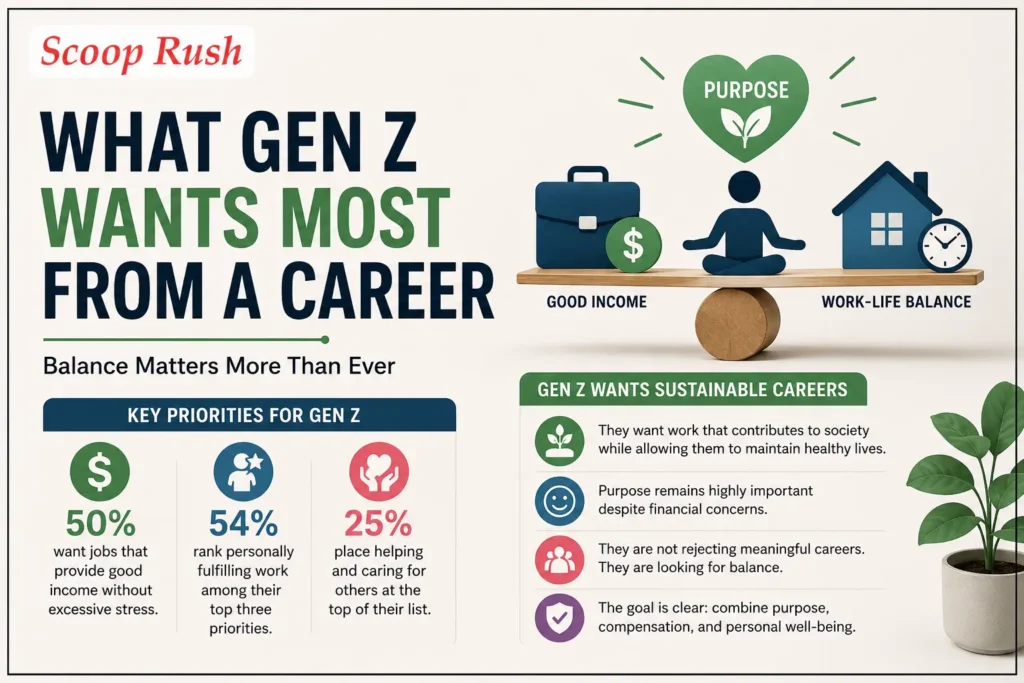
Balance Matters More Than Ever
The survey revealed a clear picture of Gen Z career priorities.
Half of respondents said they want jobs that provide good income without excessive stress.
This finding suggests that younger workers are not rejecting meaningful careers. Instead, they are looking for positions that balance purpose, compensation, and personal well-being.
In other words, Gen Z wants sustainable careers.
They want work that contributes to society while still allowing them to maintain healthy lives.
Fulfillment Remains a Top Priority
More than half of respondents ranked personally fulfilling work among their top three career priorities.
Additionally, one-quarter placed helping and caring for others at the top of their list.
These findings demonstrate that purpose remains highly important despite financial concerns.
Many Gen Z workers are not abandoning meaningful careers. Rather, they are searching for ways to combine purpose with economic security.
The Pressure to Succeed Is Increasing Stress
Achievement Pressure Is Affecting Young Adults
The survey uncovered another important trend.
More than half of Gen Z adults said pressure to achieve success causes significant stress.
This pressure was especially strong among respondents aged 19 to 21.
Many young adults feel compelled to succeed academically, professionally, and personally. Consequently, the pursuit of achievement itself can become overwhelming.
Experts noted that pressure to find meaning in life often overlaps with pressure to succeed.
Purpose Can Help Reduce Stress
Researchers suggested that achievement becomes healthier when connected to a larger purpose.
When people understand why they are working toward a goal, they may experience better mental health outcomes.
Purpose provides context and motivation. Therefore, individuals who see their work as meaningful may be better equipped to manage stress and setbacks.
This insight may help explain why Gen Z places such high value on meaningful careers.
Would Gen Z Choose Money or Meaning?
One of the most revealing findings explored a common career dilemma.
When asked whether they would choose a higher-paying job over a more meaningful one, nearly half said they would take the higher salary.
At first glance, this may appear to contradict Gen Z’s desire for purpose.
However, the survey included an important follow-up question.
If money were no longer a concern and respondents already had a comfortable income, most said they would stay in the more meaningful role.
This distinction is significant.
It suggests that financial realities, not a lack of idealism, are driving many career decisions.
Young workers still value purpose. They simply need enough financial security to pursue it.
What Employers and Educators Can Learn
A Major Opportunity Exists
Researchers described the findings as a story of opportunity.
The survey indicates that many Gen Z workers are eager to contribute to society when given the chance.
Therefore, organizations have an opportunity to attract and retain younger talent by connecting work to meaningful outcomes.
Employers who clearly demonstrate how their work benefits communities may resonate more strongly with Gen Z candidates.
Communicating Purpose Can Make a Difference
Experts suggested several practical approaches.
Recruiters could include information about community impact and outreach programs in job descriptions.
Meanwhile, schools could help students explore careers that combine purpose and professional growth.
Organizations that explain how daily tasks contribute to larger goals may help younger workers see greater meaning in their careers.
As a result, they may be more successful in attracting purpose-driven talent.
Conclusion
The latest Gallup research paints a nuanced picture of Gen Z and work.
Far from being indifferent or disengaged, many young adults want careers that help others and create positive change. They recognize the value of purpose and often connect meaningful work with stronger mental well-being.
However, financial concerns, emotional stress, mental health struggles, and the realities of modern life are creating significant barriers.
Gen Z is not rejecting meaningful work. Instead, they are asking for careers that combine purpose, fair compensation, and sustainable working conditions.
For employers, educators, and society as a whole, the message is clear. If meaningful careers can also provide financial security and support well-being, many Gen Z workers are ready to say yes.
FAQs
1. What are Gen Z jobs with purpose?
Gen Z jobs with purpose are careers that allow workers to help others, contribute to communities, or create a positive social impact while earning a living.
2. Why does Gen Z value meaningful work?
Many Gen Z workers associate meaningful work with a stronger sense of purpose, fulfillment, and improved mental well-being.
3. What prevents Gen Z from pursuing helping professions?
Financial concerns, low pay, emotional burnout, mental health challenges, and work-related stress are major barriers.
4. Does Gen Z care more about money or purpose?
The survey suggests Gen Z values both. While many would choose higher pay when necessary, most prefer meaningful work if financial needs are already met.
5. How can employers attract Gen Z workers?
Organizations can attract Gen Z by offering fair pay, supporting employee well-being, and clearly demonstrating how their work benefits society and local communities.

